
0102030405
How to Run a Stable Brick Factory in the Middle East’s Extreme Desert Climate?
2026-07-22
Investors constructing brick factories in Middle Eastern countries including Saudi Arabia, UAE, Qatar and Oman commonly face one core challenge: How to maintain stable operation of brick production lines under extreme high-temperature and dry desert climates? The Middle East features a typical tropical desert climate, with extreme summer temperatures ranging from 45℃ to 55℃, ultra-low air humidity, minimal annual rainfall, and frequent sandstorms. Such harsh extreme weather brings severe challenges to equipment stable operation, raw material utilization and finished brick curing.
Core Extreme Climate Features of the Middle East
Extreme high summer temperatures easily cause overheating and shutdown failures of brick machine hydraulic systems, drive motors and electrical control cabinets. Ultra-dry desert air leads to rapid water loss of newly formed bricks, resulting in extremely high cracking rates and low finished product qualification rates. Frequent sandstorms carry massive floating sand and fine dust, which block equipment heat dissipation openings, abrade mechanical parts and shorten equipment service life. Moreover, the single local desert sand raw material also increases the difficulty of high-quality brick molding.
Key Extreme Climate Adaptation Solutions
1. Production Line High-Temperature Resistance Upgrade. Replace core equipment accessories with high-temperature resistant parts suitable for desert environments. Equip the hydraulic system with an independent circulating water cooling device to prevent hydraulic oil viscosity reduction and system failure under ultra-high temperature conditions. Adopt fully sealed heat dissipation design for electrical control cabinets to resist continuous high temperature and sand dust erosion.
2. Professional Sandstorm Prevention and Factory Sealing Protection. Build fully enclosed production workshops and raw material storage warehouses to completely isolate external sand and dust. Install dedicated sand and dust filtering devices at all equipment air inlets and heat dissipation ports. Establish regular equipment cleaning and maintenance mechanisms to reduce mechanical wear and component aging caused by sand dust accumulation.
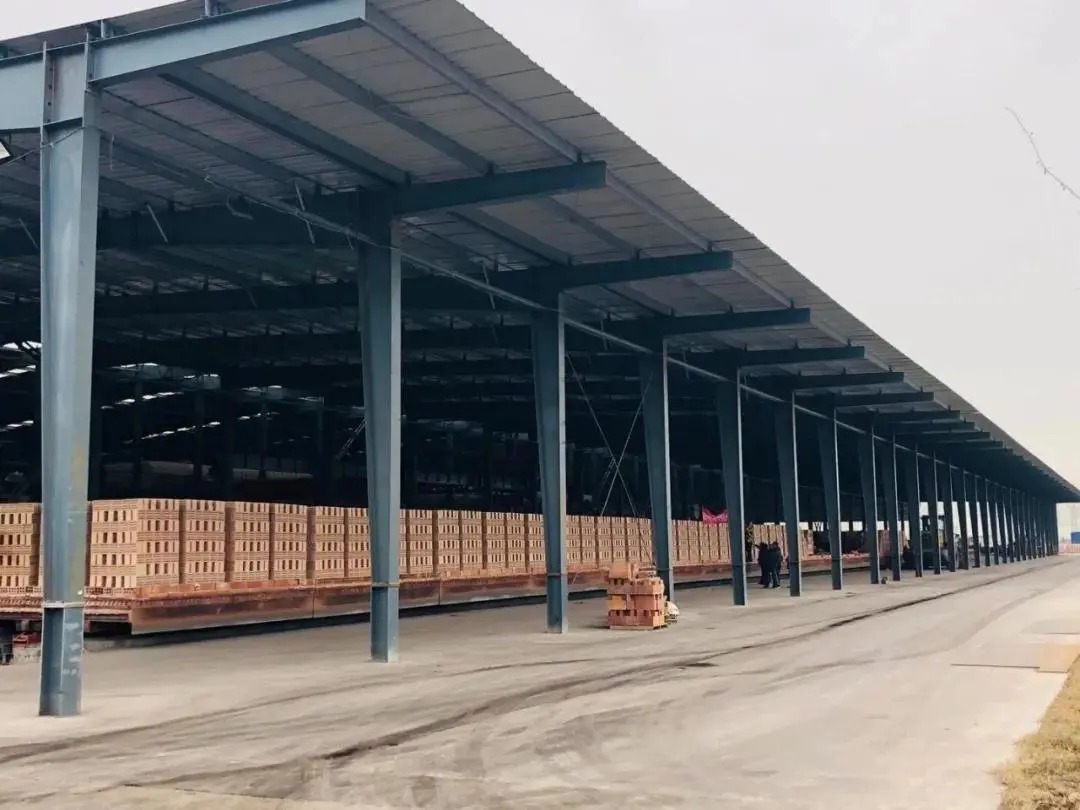
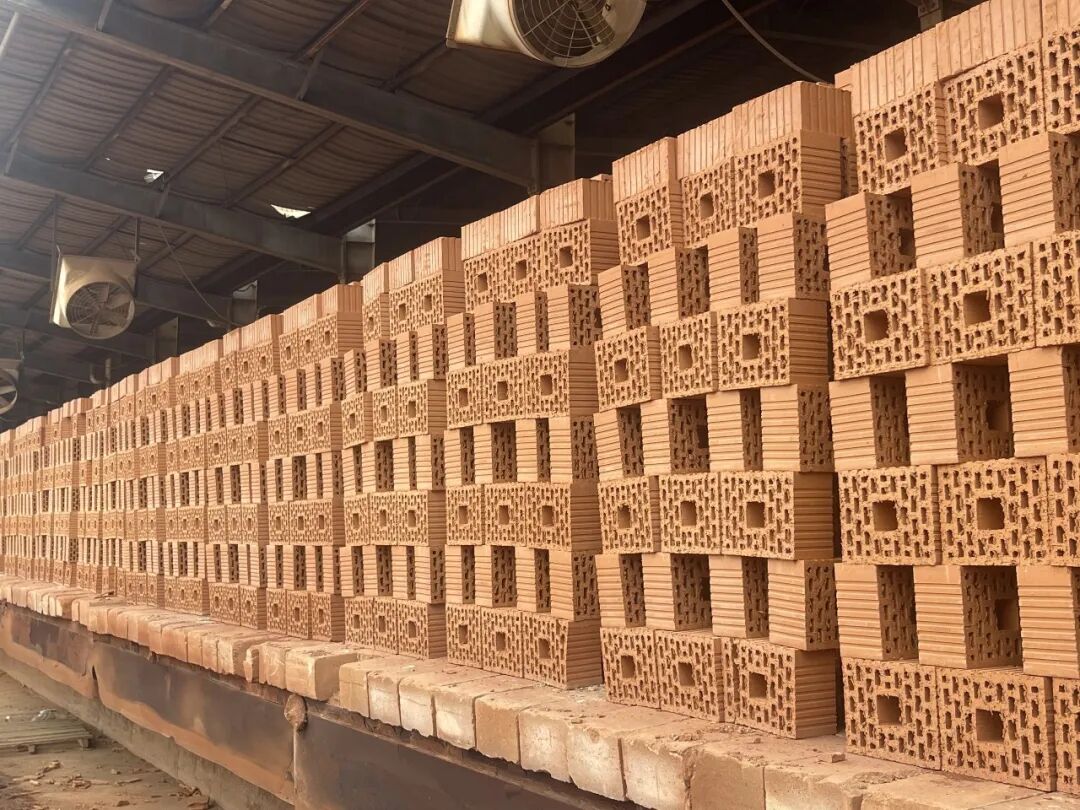
3. Ultra-Dry Climate Adaptive Curing Technology. Deploy intelligent timing watering and constant moisturizing curing systems for finished bricks to stabilize brick body moisture content. Set up sunshade and thermal insulation facilities in the curing area to block direct intense solar radiation. Optimize raw material ratio and add professional admixtures to enhance brick body toughness and anti-cracking performance, adapting to the extreme dry desert climate of the Middle East.
4. Desert Sand Raw Material Adaptation Solution. For single desert sand raw materials widely available in the Middle East, deploy professional sand screening and impurity removal equipment to purify raw materials. Adjust aggregate gradation and mixing ratio scientifically to solve the problem of low molding quality and low strength of bricks made from pure desert sand.
Conclusion
The key points of Middle East brick plant construction are high-temperature resistance, sandstorm prevention and dry-cracking resistance. Customized climate-adaptive production line transformation and targeted production process optimization enable brick factories to achieve stable high-quality production in extreme desert environments, fully meeting the growing local demand for construction bricks and paving bricks.