0102030405
How to Improve Aesthetics and Avoid Defects for Fired Bricks with Additives?
2026-07-21
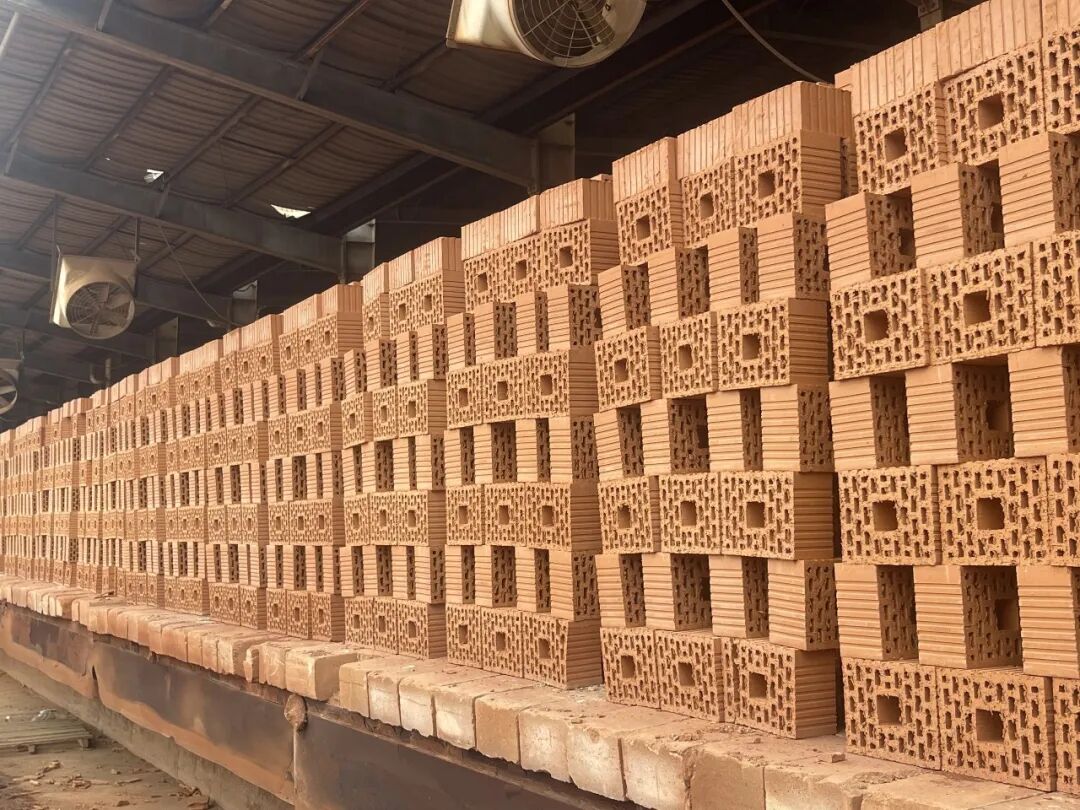
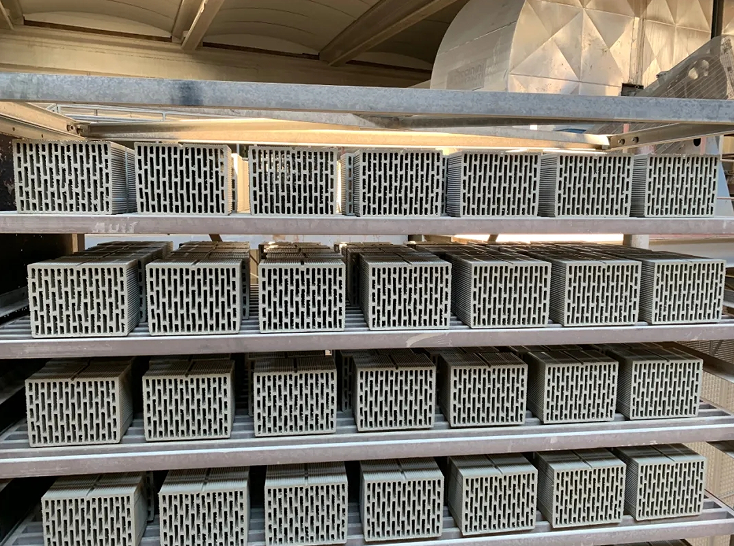
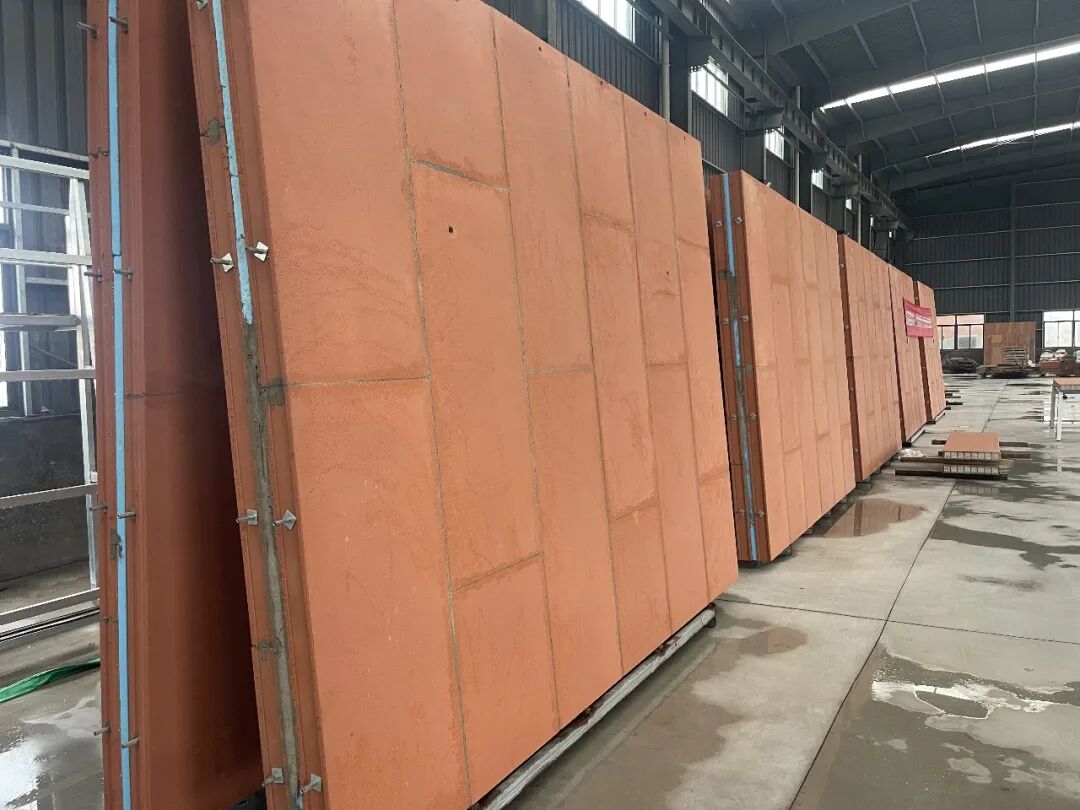
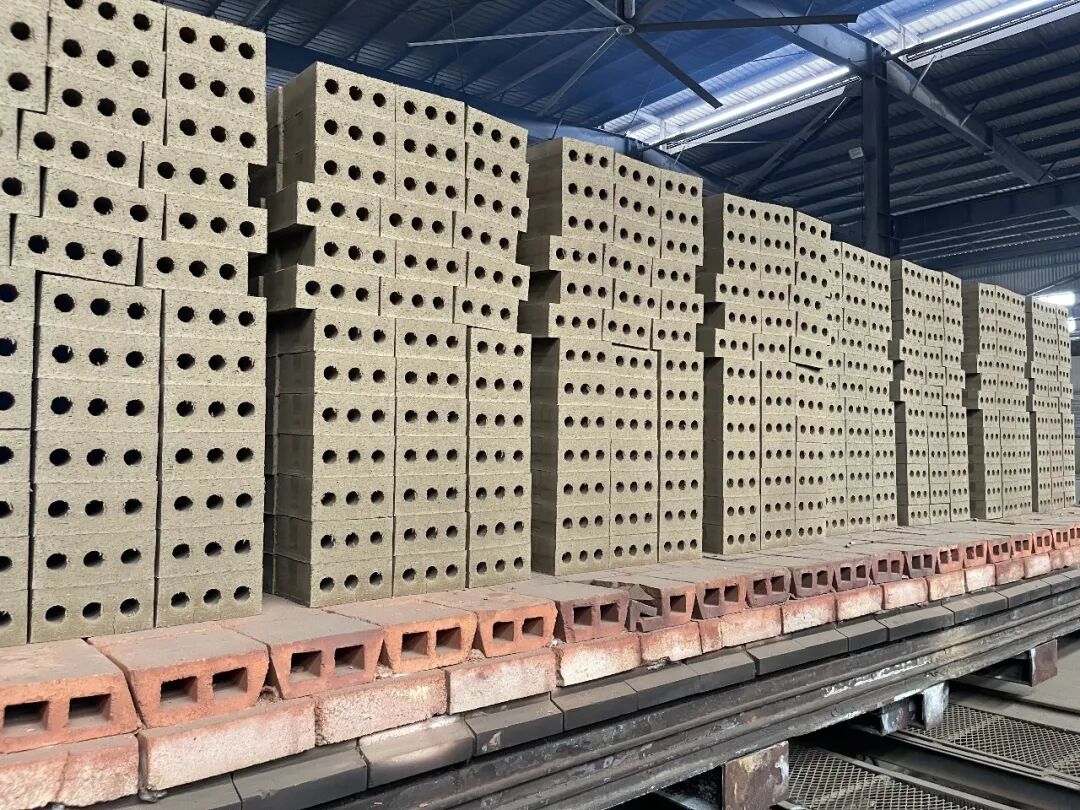
The appearance quality and surface stability of fired bricks directly determine their application scenarios and market grade. Specialized coloring additives and anti-efflorescence additives are widely used in modern brick manufacturing to realize personalized aesthetic customization and eliminate common surface defects, improving the finished product rate and decorative value of fired bricks.
Coloring additives enable diversified color customization of fired bricks, meeting the decorative needs of architectural landscapes, villa walls and characteristic buildings. Different natural mineral and industrial materials can form stable color layers after high-temperature firing: iron oxide, red mud and iron hydroxide mud present stable red tones; light burnt clay forms pure white bricks; chromium oxide, ferrous oxide and cobalt oxide create green effects; limestone, marl clay and titanium dioxide show yellow hues; cobalt powder and ferrous oxide produce blue colors; manganese oxide materials form brown textures; and manganese oxide is the core material for black fired bricks. All coloring additives have high temperature resistance and color stability, ensuring no color fading after long-term outdoor use.
Efflorescence is the most common surface defect of fired bricks, which seriously affects the appearance and grade of building walls. Anti-efflorescence additives solve this problem fundamentally by reducing soluble salt content and inhibiting salt precipitation. High-efficiency anti-efflorescence materials such as barium carbonate, colloidal silica, barium chloride, calcium chloride, tricalcium aluminate and flint can effectively weaken the precipitation of calcium sulfate, sodium salt, potassium salt and other soluble salts on the brick surface, avoiding white frost-like precipitates. Combined with post-treatment of brick surfaces, they can completely eliminate efflorescence defects and maintain long-term surface smoothness and beauty of bricks.
It is worth emphasizing that all aesthetic and defect-control additives must undergo strict pre-production formula tests according to raw material components and production processes. Reasonable dosage and scientific compatibility can maximize the modification effect, avoid secondary quality problems, and ensure stable and high-quality output of decorative fired bricks.