
How to Choose the Right Automatic Brick Handling System for a Clay Brick Manufacturing Plant?
Building a Smarter Brick Factory: Why Automation Has Become a Key Investment
The global brick and building materials industry is moving toward higher efficiency, better quality control, and intelligent manufacturing. Modern brick factories are no longer focused only on increasing production volume. They also need to improve product consistency, reduce manual operations, and create a safer and more stable working environment.
In traditional brick plants, processes such as brick transfer, stacking, unloading, and setting often require significant manual involvement. As production capacity increases, these methods may create challenges related to labor costs, production stability, and product quality.
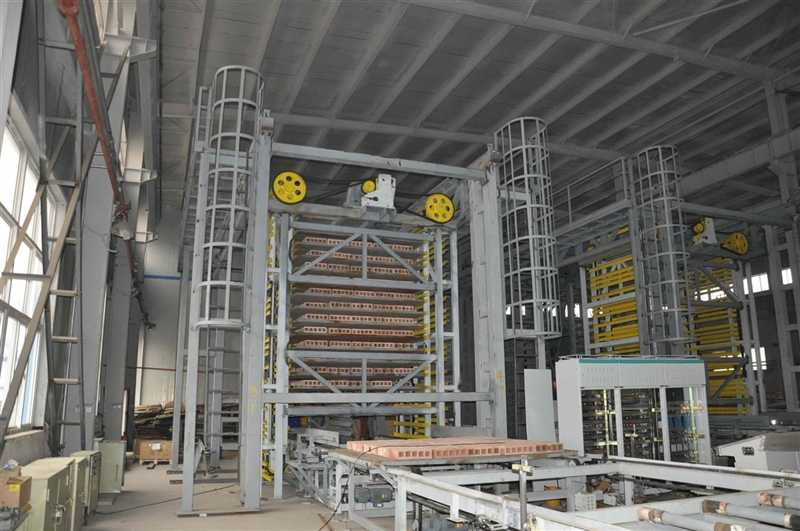
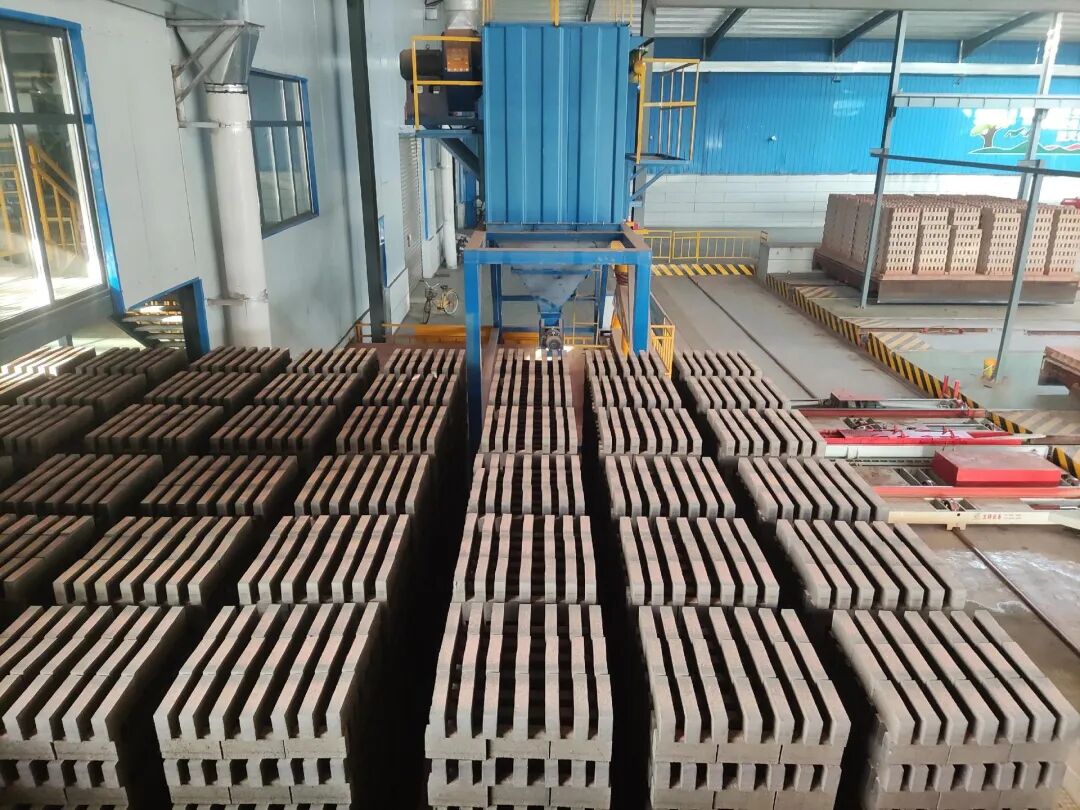
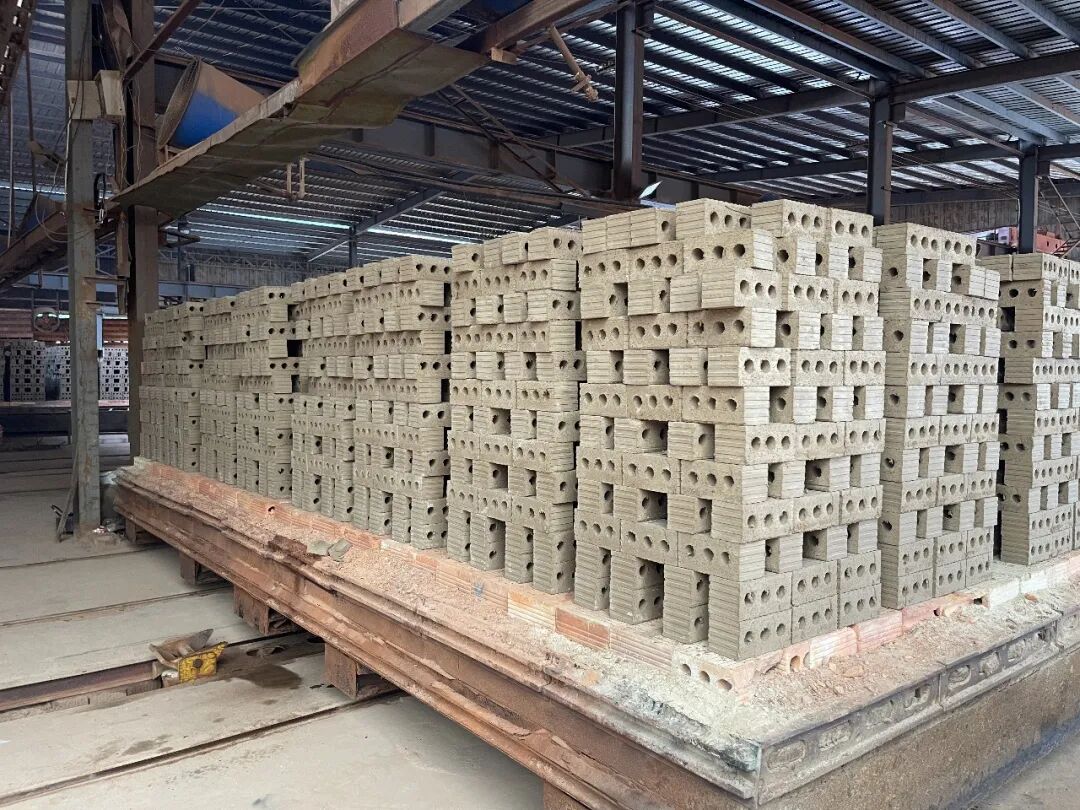
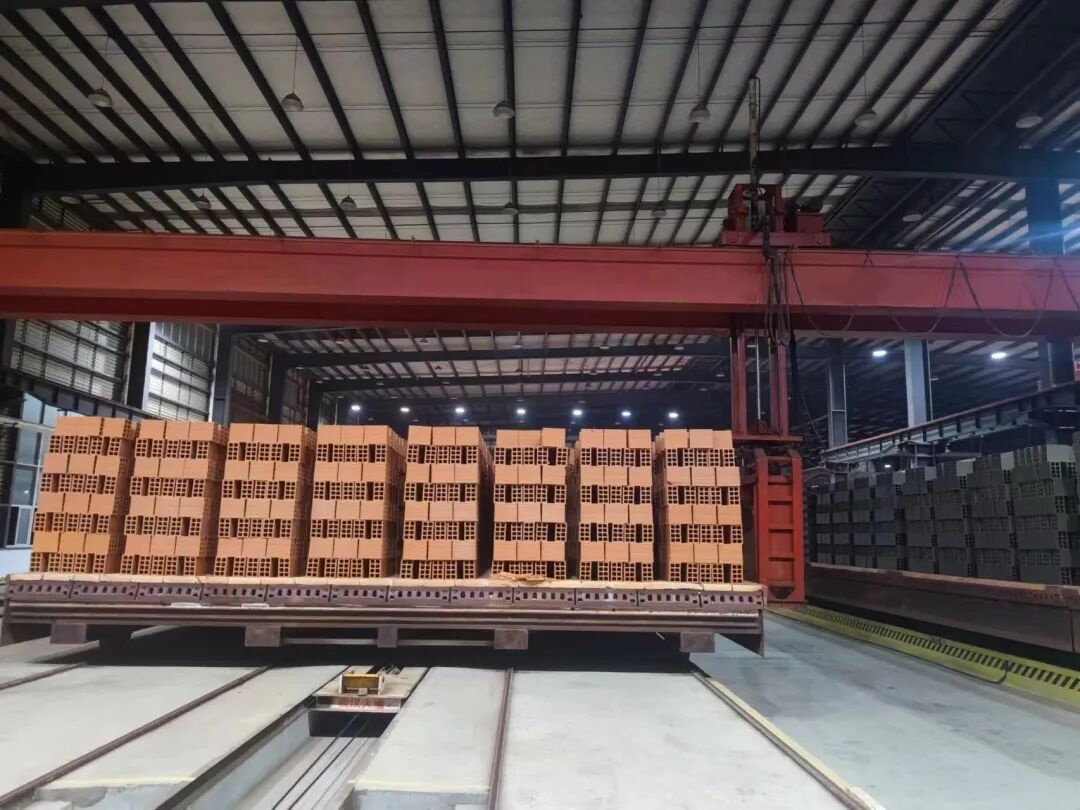
For this reason, many manufacturers are upgrading their factories with automatic brick handling systems, including advanced twice stacking automation systems designed for high-grade wall material production. These systems integrate multiple processes such as green brick loading, pallet transfer, dry brick unloading, grouping, spacing, and setting through intelligent control technology.
The Growing Demand for Automated Brick Production Solutions
The modern construction industry requires building materials with:
- Higher dimensional accuracy
- Better surface appearance
- More stable physical performance
- Higher production consistency
For brick manufacturers, meeting these requirements requires more than advanced extrusion and firing technology. The entire production process, including material handling and brick arrangement, must also become more precise.
This is why brick factory automation has become an important development trend.
A complete automatic brick production line usually combines:
- Raw material preparation
- Brick extrusion
- Brick cutting
- Automatic handling
- Drying
- Firing
- Packaging
Among these processes, the handling section directly influences production efficiency and final brick quality.
What Is an Automatic Brick Handling System?
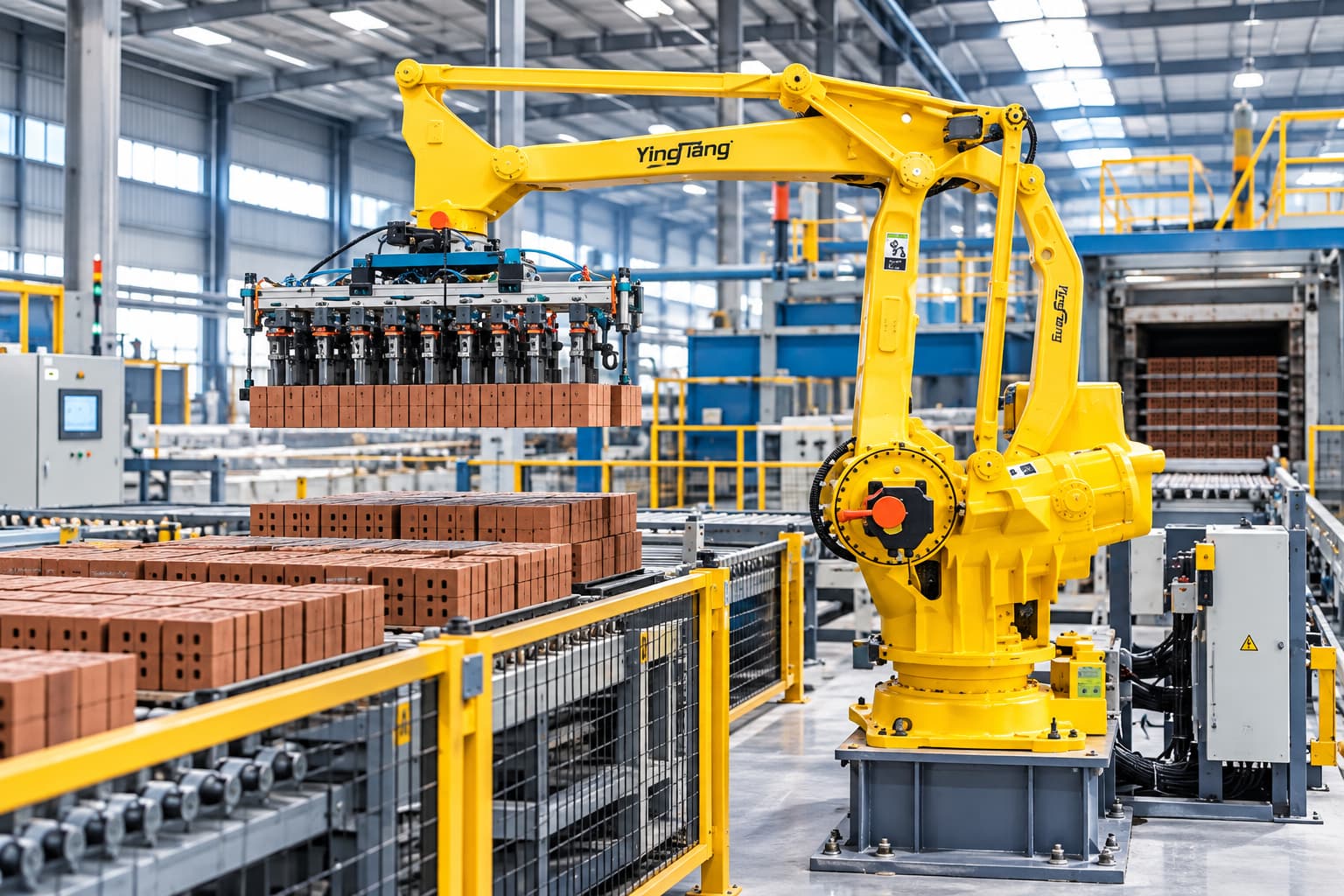
An automatic brick handling system is an industrial automation solution designed to transport, arrange, load, unload, and position bricks during different stages of production.
Unlike traditional manual handling, an automated system uses:
- PLC intelligent control
- Servo positioning technology
- Automatic conveyors
- Brick grippers
- Human-machine interface systems
to achieve continuous production operation.
For advanced wall material factories, a twice stacking automation system can complete:
- Green brick grouping
- Pallet loading
- Pallet transfer
- Temporary storage
- Dry brick unloading
- Brick spacing adjustment
- Final setting preparation
This complete process improves production connection between drying and firing sections.
Key Factors When Choosing an Automatic Brick Handling System
Choosing the correct automation solution is important for long-term factory performance. Brick manufacturers should consider the following factors.
1. Production Capacity Requirements
Different brick factories have different output requirements.
Before selecting equipment, manufacturers should evaluate:
- Daily brick production
- Hourly production capacity
- Future expansion plans
- Required automation level
For example, the SXM01 and SXM02 models of twice stacking systems are designed for different production capacities, with configurations available for medium and high-output brick production lines.
A properly matched system can avoid:
- Production bottlenecks
- Equipment overload
- Unnecessary investment
2. Brick Type and Product Characteristics
Different bricks require different handling solutions.
The system should be selected according to:
Clay Bricks
Traditional clay bricks require stable transportation and accurate stacking.
Face Bricks
High-quality face bricks need careful handling to protect surface appearance.
Hollow Bricks
Large hollow blocks require suitable grippers and positioning systems.
High-Grade Wall Materials
Premium building materials often require more precise automation processes.
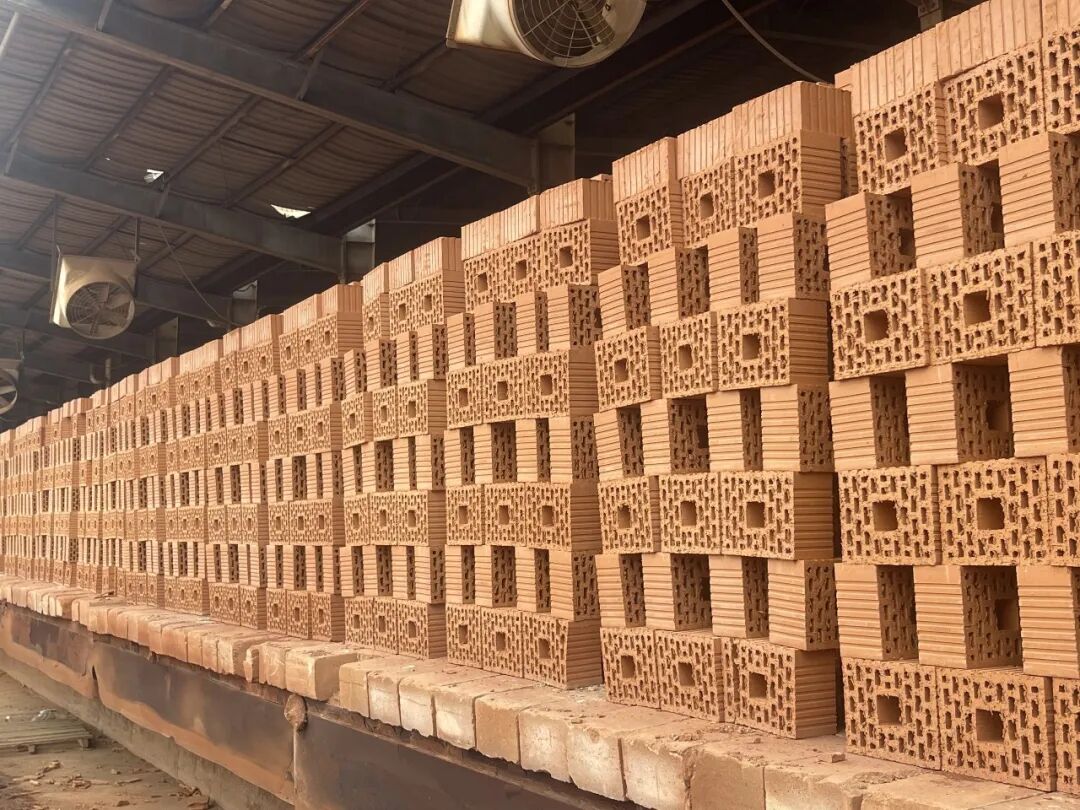
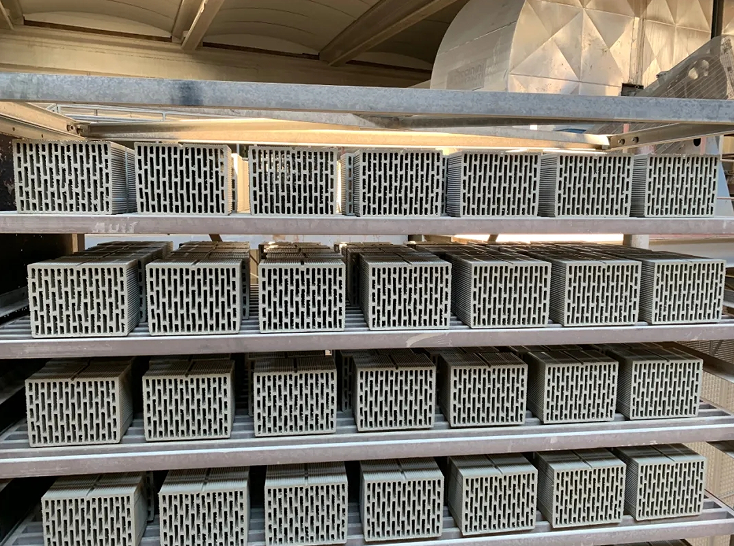
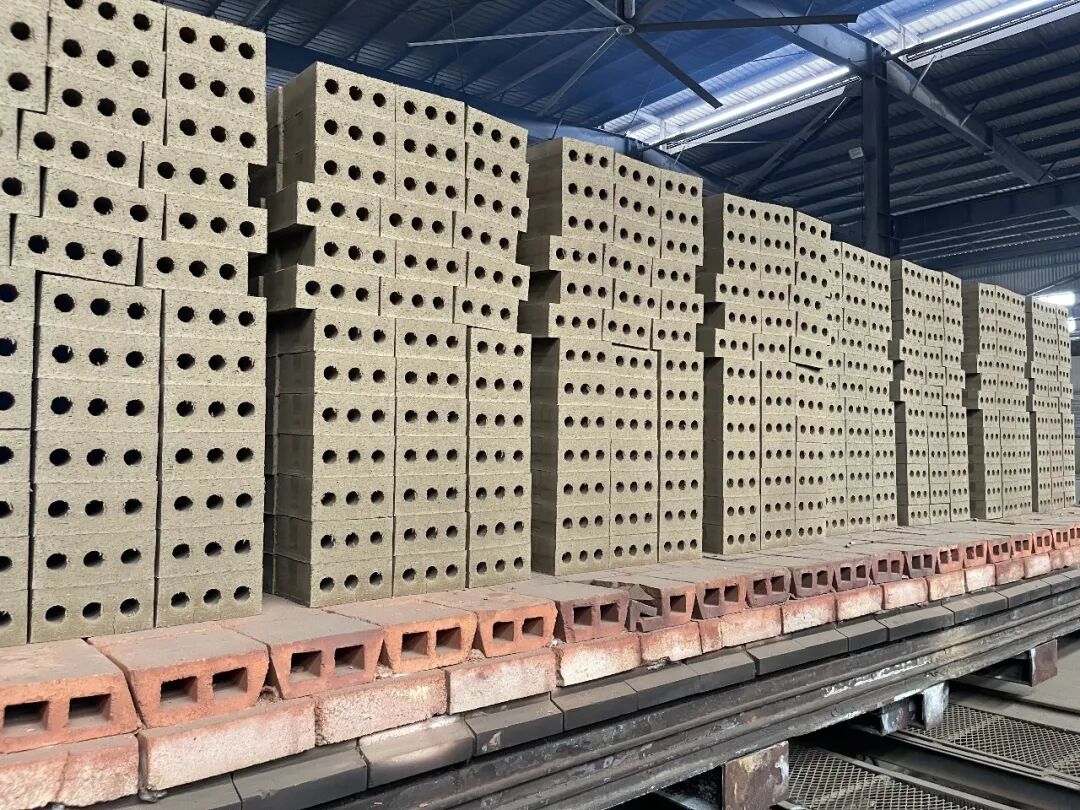
Modern automatic stacking systems can be configured for different brick products, including solid bricks, perforated bricks, hollow blocks, and other wall materials.
3. Factory Layout and Production Process
Every brick factory has different site conditions.
Before installation, manufacturers should consider:
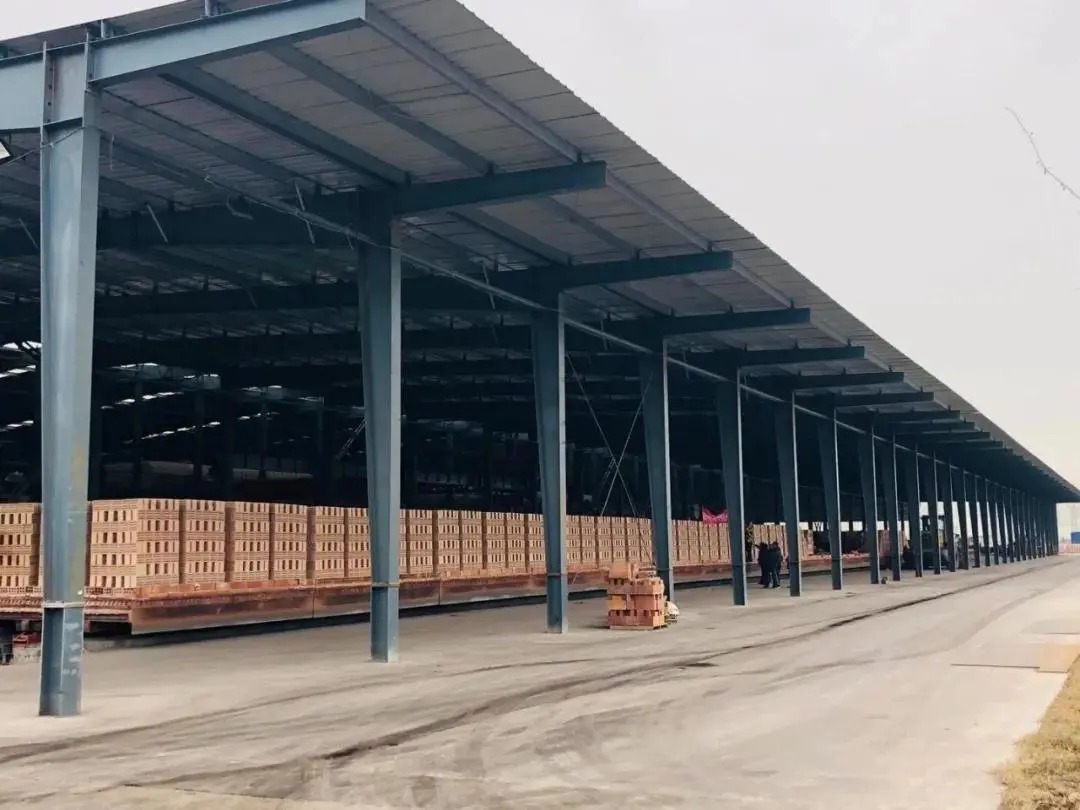
- Dryer location
- Kiln arrangement
- Transportation distance
- Available factory space
- Existing production equipment
A professional supplier should provide customized solutions according to factory layout and production requirements.
4. Automation Level and Control System
The control system is the brain of the entire automation solution.
A high-performance PLC control system can provide:
- Automatic operation
- Real-time monitoring
- Production parameter adjustment
- Communication between different machines
Advanced twice stacking systems use PLC-based intelligent control to connect different automation units and achieve accurate production management.
Why Choose a Twice Stacking System for Modern Brick Plants?
The twice stacking system provides several important advantages compared with traditional brick handling methods.
Improved Brick Quality
The system provides accurate brick arrangement and helps maintain stable drying conditions.
Reduced Manual Operation
Automatic loading and unloading reduce the need for workers in repetitive handling processes.
Higher Production Stability
Continuous automated operation helps maintain consistent production speed and quality.
Flexible Production Management
Different brick types and production programs can be adjusted through intelligent control systems.
Applications of Automatic Brick Handling Solutions
The system is widely applied in:
Clay Brick Manufacturing Plants
For automated production of traditional and modern clay bricks.
High-End Face Brick Production Lines
For manufacturers focusing on appearance quality and product consistency.
Hollow Block Production Factories
For large-scale wall material production.
Integrated Brick Production Plants
For complete automation upgrades from forming to firing.
How Automation Helps Brick Manufacturers Improve Competitiveness
In today's competitive building materials market, brick factories need more than production capacity. They need reliable technology that improves efficiency and reduces operational risks.
An advanced automatic brick loading and unloading system helps manufacturers achieve:
- More stable production
- Better product quality
- Lower dependence on manual labor
- Easier production management
- Improved factory modernization
By investing in suitable automation equipment, brick manufacturers can build more efficient and intelligent production systems.