
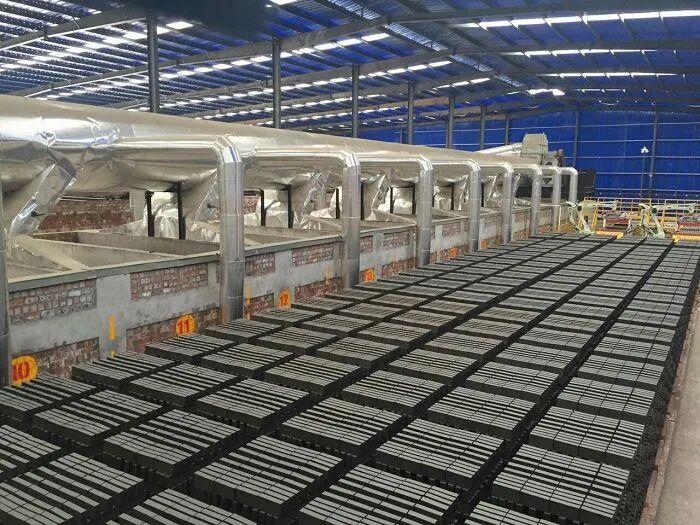
How to Choose a Vacuum Extruder for Clay Brick Production: 6 Factors That Affect Forming Quality
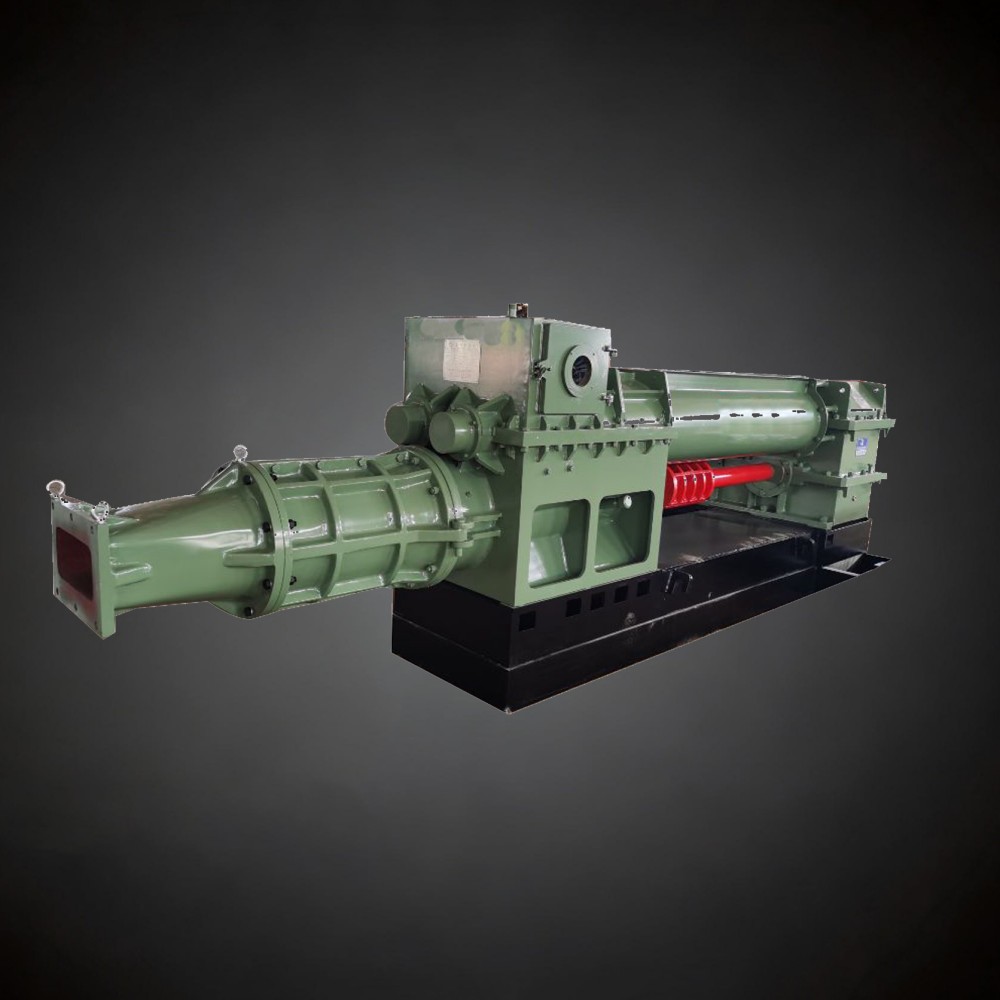
Selecting a vacuum extruder is a key decision when planning or upgrading a clay brick production line. The extruder forms prepared clay into a continuous column that is subsequently cut into individual green bricks.
However, selecting a machine based only on its motor power or advertised throughput can lead to a mismatch between the equipment and the actual production requirements.
Raw material characteristics, forming moisture, vacuum conditions, extrusion pressure, die design, brick geometry, and downstream handling all influence forming performance.
This guide explains six factors to evaluate before choosing a vacuum extruder for clay brick production.
1. Start with Raw Material Testing
The first step in extruder selection is understanding the material being processed.
Clay, shale, coal gangue, fly ash-containing mixtures, and other mineral-based materials can have different particle sizes, plasticity, moisture requirements, and forming behavior.
Even materials from the same deposit may vary between batches.
What should be tested?
A raw material assessment should consider:
-
Particle size distribution
-
Clay mineral composition, where relevant
-
Plasticity and workability
-
Natural moisture content
-
Water demand during mixing
-
Forming behavior under pressure
-
Drying shrinkage and cracking tendency
-
Firing shrinkage and final product requirements
These properties help determine the appropriate preparation process and extrusion configuration.
For example, a material with a high proportion of coarse particles may require additional crushing or screening before extrusion. A material with limited plasticity may require adjustments to the mixture or forming process.
The extruder should not be expected to compensate for every upstream material preparation problem.
Why raw material testing matters
If the feed is too dry, too wet, poorly mixed, or inconsistent in particle size, the machine may experience unstable feeding, excessive load variation, poor surface finish, or dimensional inconsistency.
The correct solution may involve changes to crushing, mixing, aging, moisture adjustment, or the extruder itself.
2. Match Forming Moisture to the Extruder Configuration
Moisture content affects the plasticity, flow behavior, and resistance of the material during extrusion.
Too little moisture can make the mixture difficult to compact and extrude. Excessive moisture can reduce the green body's ability to retain its shape and may increase deformation during cutting, stacking, and drying.
The suitable forming moisture depends on the raw material, particle distribution, extrusion system, brick geometry, and required production rate.
How should forming moisture be determined?
Rather than applying a universal moisture percentage, establish the operating range through laboratory tests and production trials.
A practical evaluation should include:
-
Measuring the moisture content of the prepared feed.
-
Testing the mixture's plasticity and extrusion behavior.
-
Checking the extruded column for surface cracks, tearing, and deformation.
-
Measuring green brick dimensions and shape retention after cutting.
-
Evaluating drying behavior and shrinkage.
-
Adjusting the mixture and process settings based on the results.
For reference, Yingfeng Machinery lists different extrusion configurations for different forming conditions on its product pages. The applicable moisture range and pressure must be confirmed against the selected machine model and the customer's raw material.
An important distinction
A vacuum extruder removes air from the prepared material under reduced pressure. It does not automatically correct an unsuitable moisture level or poorly prepared feed.
Vacuum performance and moisture control must work together.
3. Understand What Vacuum Degassing Does
During clay preparation and extrusion, air can remain trapped in the material. A vacuum chamber is used to reduce the amount of air present before the material passes through the extrusion stage.
A properly configured vacuum system can help improve the consistency and compactness of the extruded body.
However, the result depends on more than the vacuum pump's rated specification.
Factors that influence vacuum performance
Feed consistency: The material must enter the vacuum chamber in a suitable and reasonably consistent condition.
Sealing and chamber design: Air leakage and the condition of seals can affect the achievable vacuum.
Vacuum pump performance: Pump capacity must suit the system's air-removal requirements and operating conditions.
Material feeding: An unstable feed can interfere with consistent processing through the vacuum chamber.
Extrusion pressure and die design: The material must be compacted and shaped under conditions appropriate for the product.
Vacuum level should therefore be evaluated together with the entire extrusion system, not as an isolated specification.
Single-stage and double-stage configurations
Depending on the machine design, vacuum extruders may use different mixing and extrusion arrangements.
A double-stage vacuum extruder commonly separates preparation or mixing functions from the main extrusion stage. This arrangement may be suitable for particular raw materials and production requirements, but its suitability must be confirmed through the machine's technical specifications and material trials.
The number of stages alone does not determine whether a machine is the best choice.
4. Select Extrusion Pressure and Screw Configuration Carefully
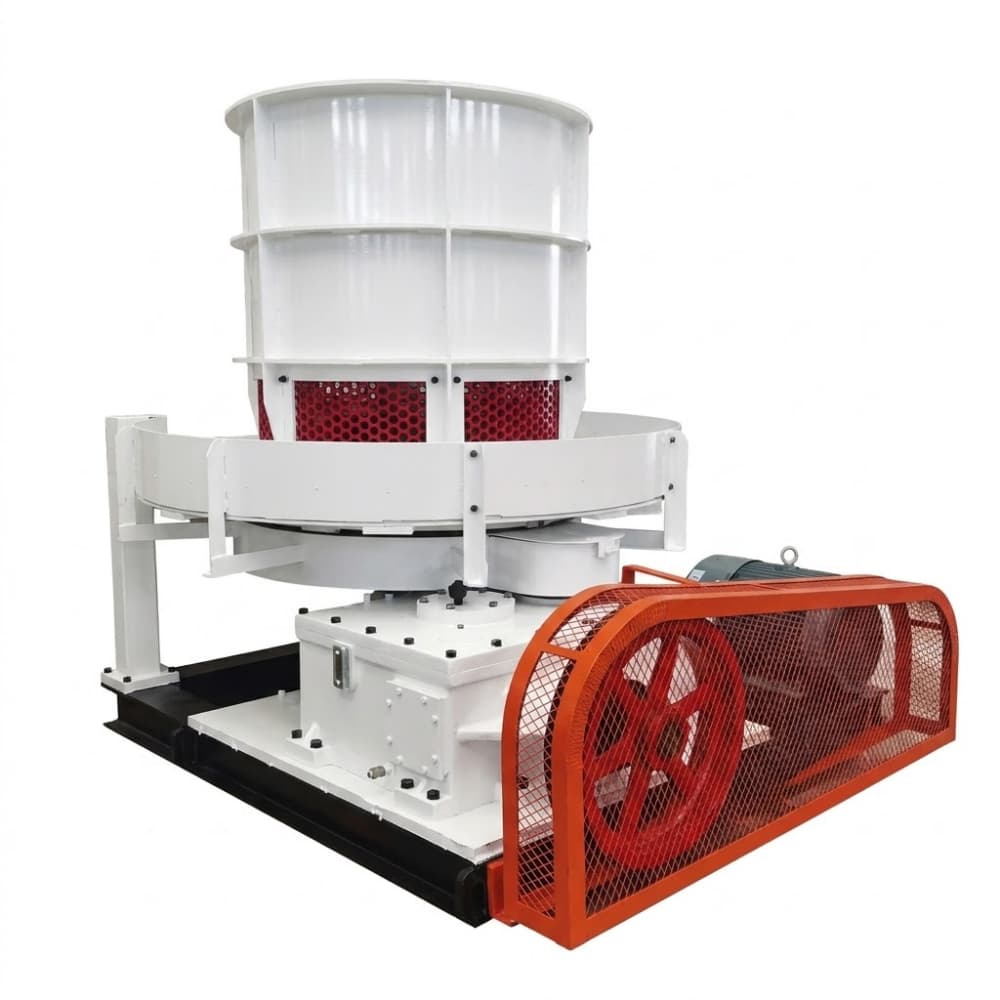
Extrusion pressure and screw or auger configuration influence how material is transported, compacted, and forced through the die.
The appropriate operating range depends on the material's plasticity, moisture content, particle characteristics, die resistance, and required output.
Higher pressure is not automatically better. Operating beyond the suitable range may increase mechanical load and energy consumption without solving an upstream material problem.
What should buyers evaluate?
Pressure range: Confirm the machine's specified operating range and the conditions under which the figure applies.
Screw and auger design: Evaluate whether the feeding, mixing, and extrusion sections are suitable for the intended material.
Drive power: Check the motor and gearbox configuration against the expected operating load.
Wear resistance: Review the materials and construction of components exposed to abrasive feed, including screws, liners, and dies where applicable.
Maintenance access: Confirm how wear parts are inspected, removed, and replaced.
For abrasive raw materials such as some shale or coal gangue mixtures, wear resistance and maintenance planning can be particularly important.
The correct configuration should be selected based on material tests and the manufacturer's engineering recommendations rather than pressure figures alone.
5. Match the Extruder to Brick Design and Required Capacity
The machine must be capable of producing the required brick type and supplying the downstream production process at the planned rate.
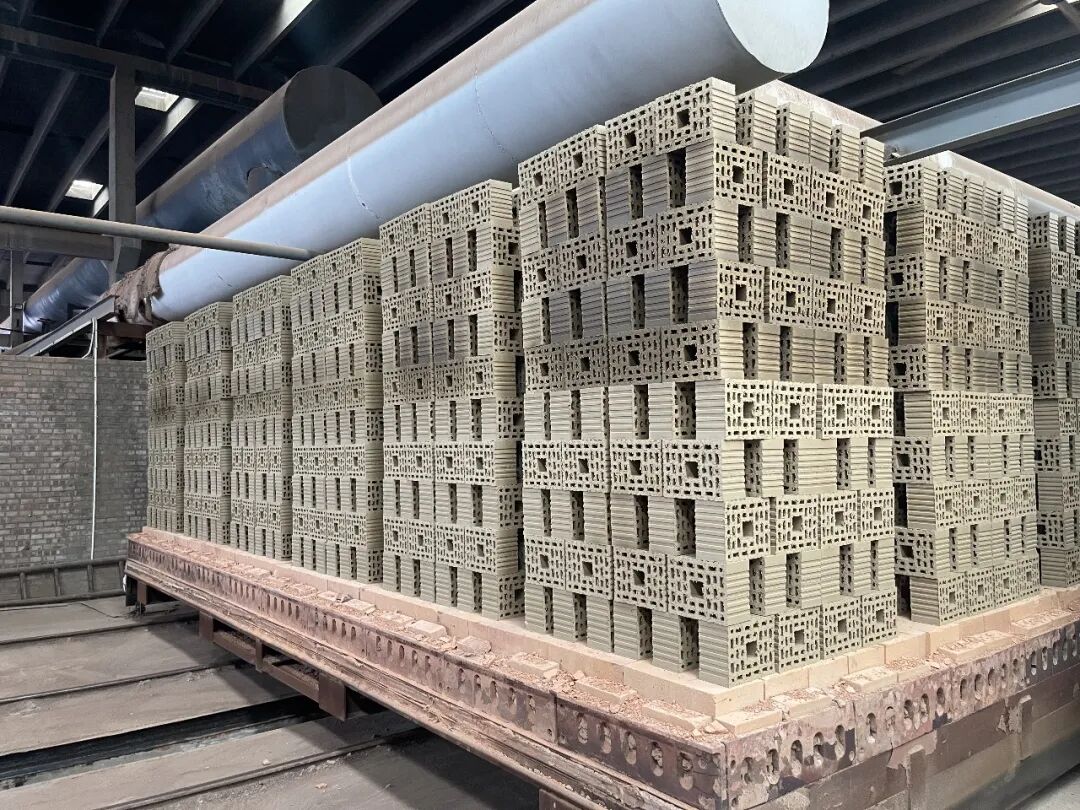
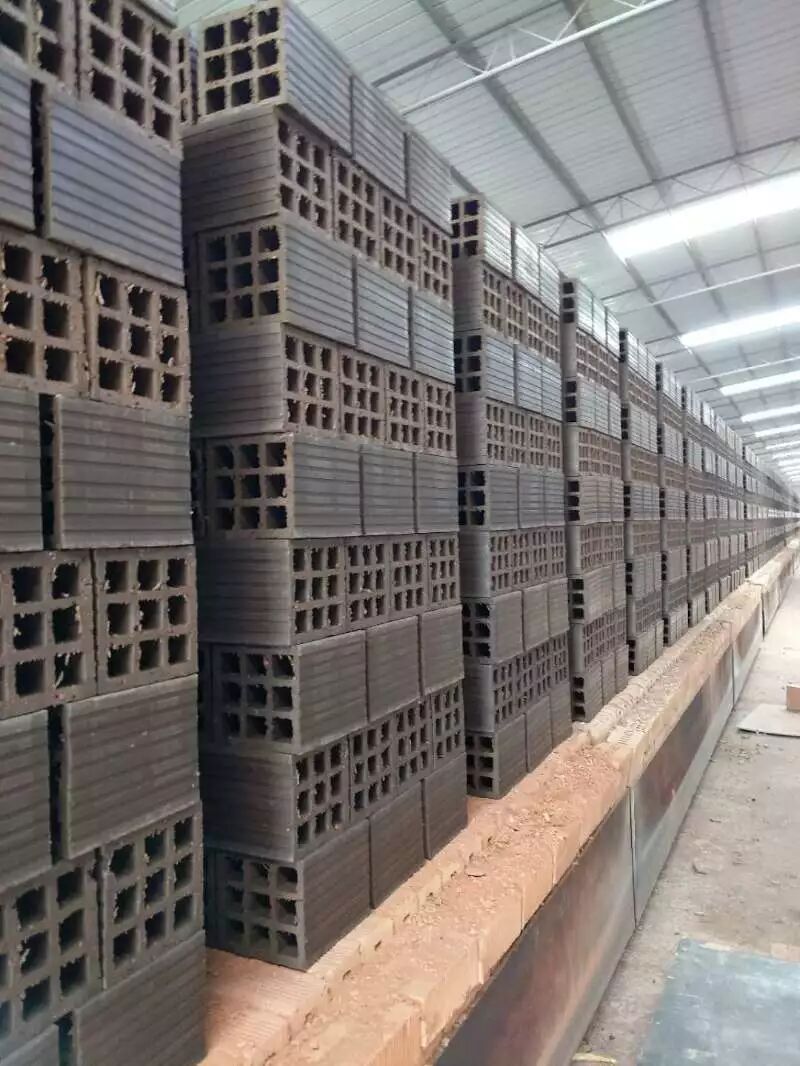
A factory producing solid bricks may have different forming requirements from one producing perforated or hollow bricks.
Brick dimensions and die design
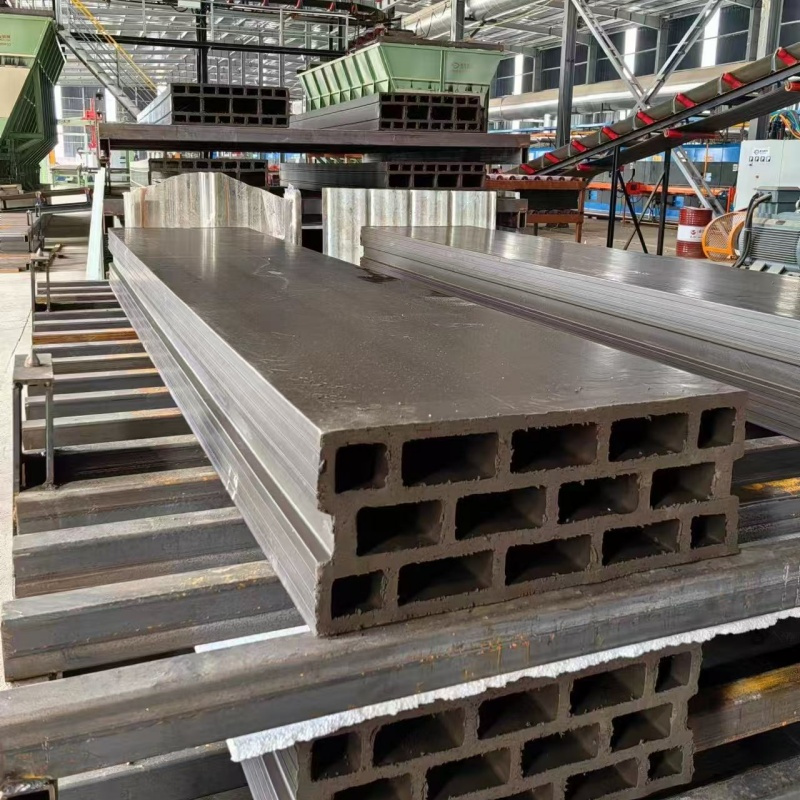
The extrusion die determines the cross-sectional shape of the extruded column. The cutting system then divides the column into individual green bricks.
When selecting the extruder, confirm:
-
Required brick length, width, and height
-
Solid, perforated, or hollow geometry
-
Die opening and extrusion resistance
-
Green brick strength during cutting and handling
-
Dimensional tolerances
-
Compatibility with the cutting and stacking equipment
Changing brick geometry may require a different die and adjustments to the cutting system.
Why rated throughput is not the same as finished output
Extruder specifications may be expressed in tonnes per hour, while brick factories often plan production in pieces per day.
These units are not directly interchangeable without knowing the product mass and operating conditions.
For a preliminary estimate:
Theoretical bricks per hour = Extruder mass throughput per hour ÷ Green brick mass
The result is only a theoretical estimate. Actual output will also depend on material consistency, operating time, cutting accuracy, downtime, drying capacity, firing capacity, and product rejection.
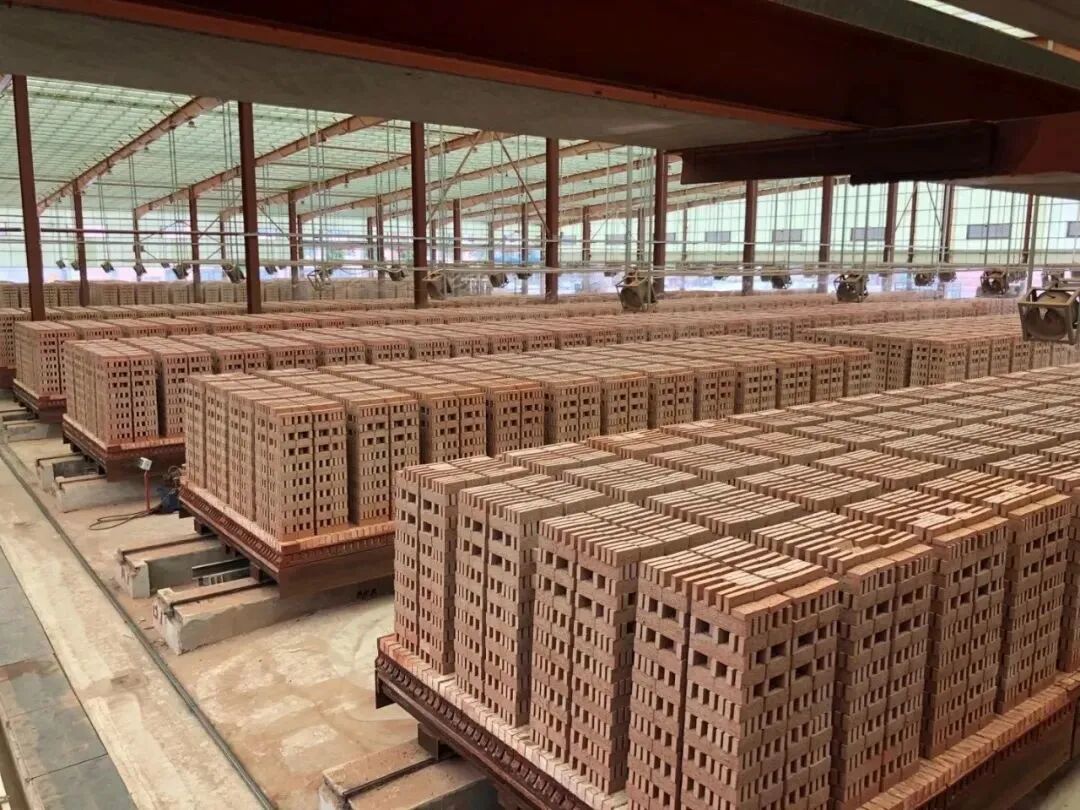
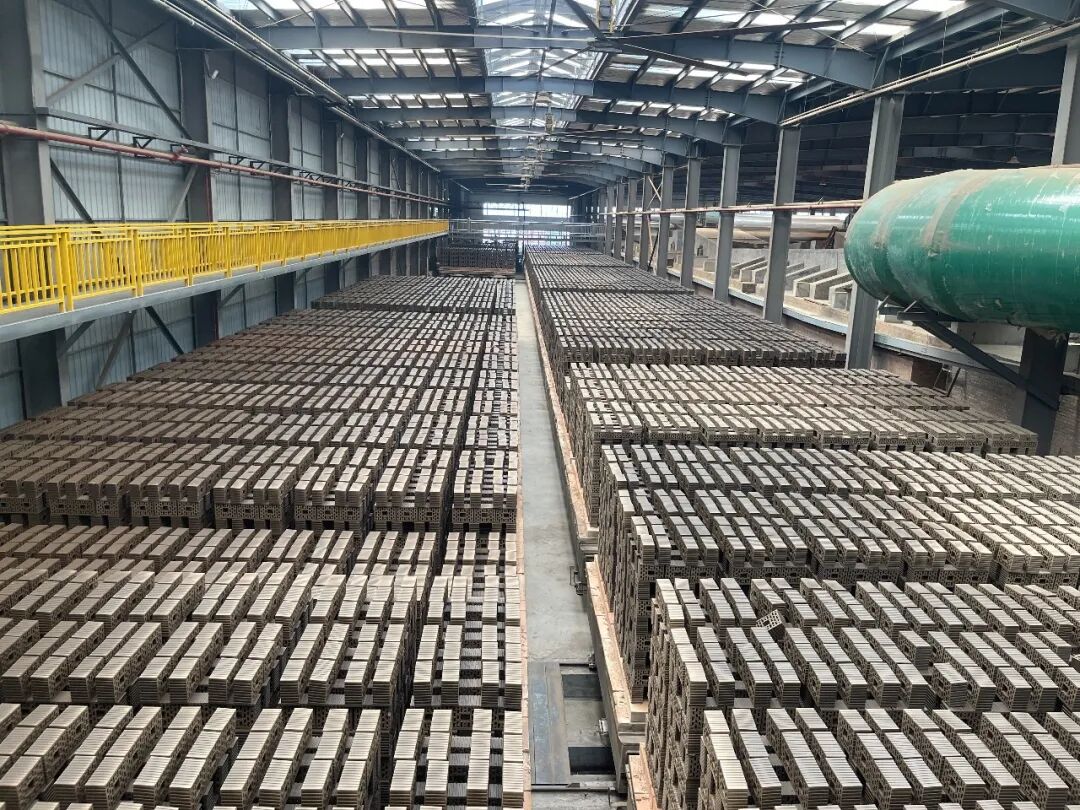
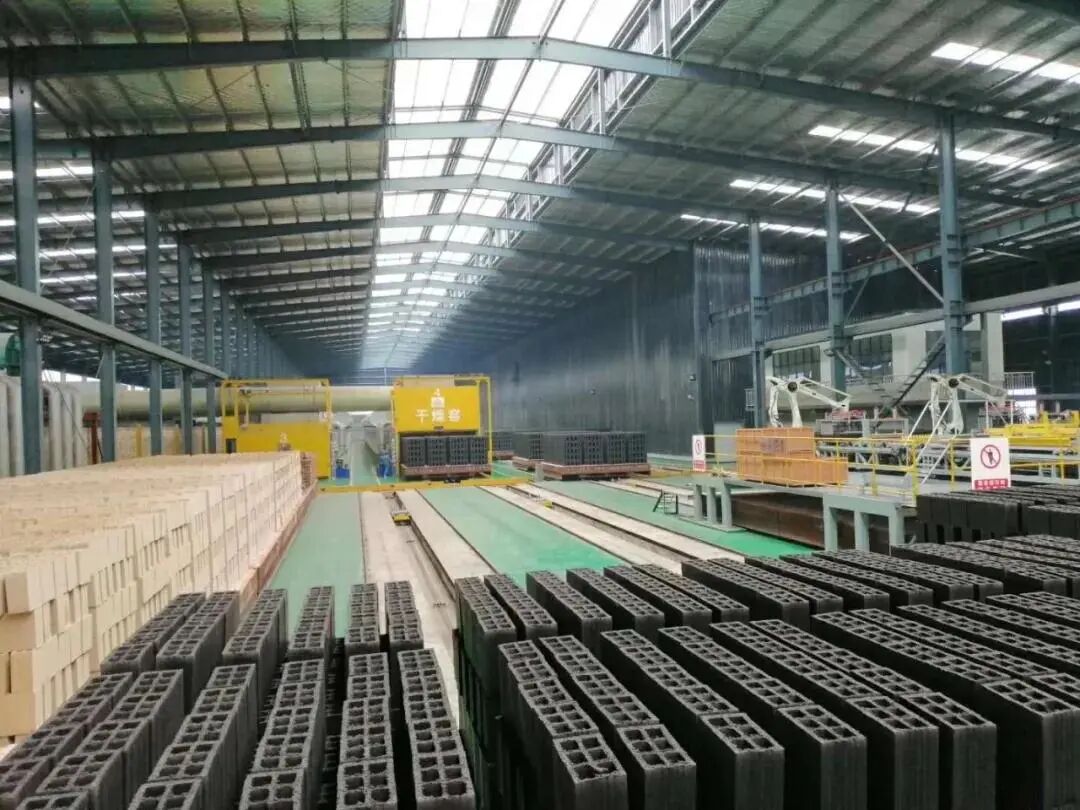
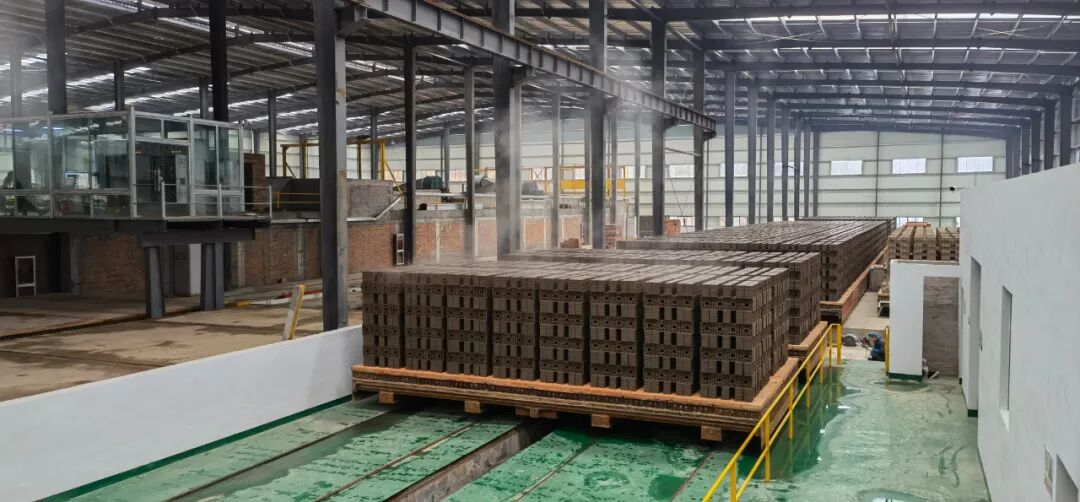
A complete production line must be balanced so that the extruder does not continuously produce faster than the cutting, stacking, drying, and firing systems can handle.
6. Check Downstream Equipment Before Finalizing the Extruder
An extruder should be selected as part of the production line rather than as an isolated machine.
The downstream system may include:
-
Brick column cutting equipment
-
Individual brick cutting equipment
-
Green brick conveyors
-
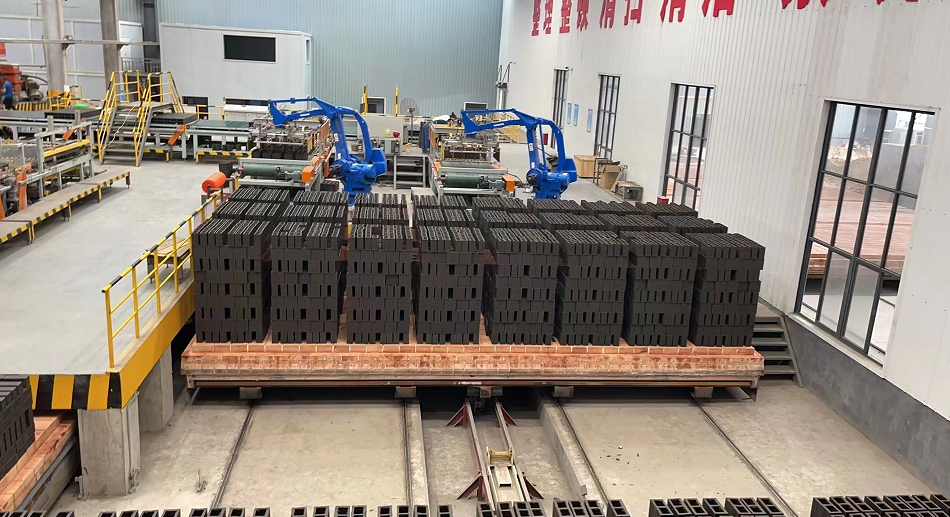
Automatic brick stacking machines
-
Drying systems
-
Kiln cars or other transfer equipment
-
Tunnel kiln systems
-
Finished brick unloading equipment
Common integration problems
Cutting mismatch: If the cutting machine cannot keep pace with the extruder, material may accumulate or the line may need to slow down.
Insufficient stacking capacity: A high-output extruder can create a bottleneck if the automatic stacking system cannot handle the required number of bricks.
Drying limitations: The drying system must accommodate the green brick supply rate and the moisture-removal requirements.
Kiln capacity mismatch: Even a well-performing extruder cannot increase saleable output if the firing system is the limiting factor.
Inadequate process control: Changes in raw material moisture or composition should be monitored and managed across the line.
Before purchasing the extruder, review the capacity and operating requirements of the entire production route.
7. A Practical Vacuum Extruder Selection Checklist
Use this checklist when preparing a technical inquiry or comparing machine proposals.
- Identify the raw materials and obtain representative samples.
-
Test particle size, plasticity, and moisture requirements.
-
Define the brick dimensions and product geometry.
-
Confirm the required green brick throughput and daily production target.
-
Establish the suitable forming moisture through trials.
-
Verify the vacuum system and specified operating range.
-
Confirm extrusion pressure, motor power, and screw configuration.
-
Review wear-resistant components and maintenance requirements.
-
Check compatibility with cutting, stacking, drying, and firing systems.
-
Request machine drawings, technical specifications, and applicable test records.
The final specification should be based on the material properties, target products, and required production conditions.
FAQ
1. What is the main function of a vacuum brick extruder?
A vacuum brick extruder forms prepared clay or other suitable mineral-based mixtures into a continuous column while reducing entrained air under vacuum conditions. The column is then cut into individual green bricks for drying and firing.
2. Does a vacuum extruder work with every type of clay?
No single machine configuration is suitable for every material. Clay and other mineral mixtures differ in plasticity, particle size, moisture requirements, abrasiveness, and extrusion behavior. Representative material testing is recommended before selecting a machine.
3. Is a double-stage vacuum extruder always better than a single-stage machine?
Not necessarily. The appropriate configuration depends on the raw material, forming process, target brick, throughput requirement, and overall production-line design. The number of stages should be evaluated alongside the machine's actual technical specifications.
4. How do I calculate the required extruder capacity?
Start with the target number of saleable bricks per day and determine the required green brick supply, accounting for expected production losses. Convert the target into a mass flow using the actual green brick mass, then consider operating hours, downtime, and the capacity of downstream equipment.
5. Can one vacuum extruder produce both solid and hollow bricks?
A suitable vacuum extruder can often produce different brick geometries by changing the die and adjusting the associated process and cutting equipment. Compatibility must be confirmed for the specific machine model, brick design, and raw material.
6. Why do extruded green bricks crack or deform?
Potential causes include unsuitable moisture content, inconsistent material preparation, excessive or insufficient plasticity, die-related flow problems, unstable extrusion, and inappropriate handling or drying conditions. The cause should be identified through process inspection and material testing rather than assuming the extruder alone is responsible.
Conclusion
Selecting a vacuum extruder requires a coordinated assessment of raw materials, forming moisture, vacuum performance, extrusion pressure, brick geometry, and downstream production capacity.
A machine with high rated throughput is not necessarily the best choice if it cannot process the available material consistently or if the rest of the production line cannot handle its output.
For reliable equipment selection, combine material testing, production trials, verified machine specifications, and an integrated assessment of cutting, stacking, drying, and firing capacity.