0102030405
How Proper Tunnel Kiln Stacking Can Boost Your Brick Production Profit Margins?
2026-05-12
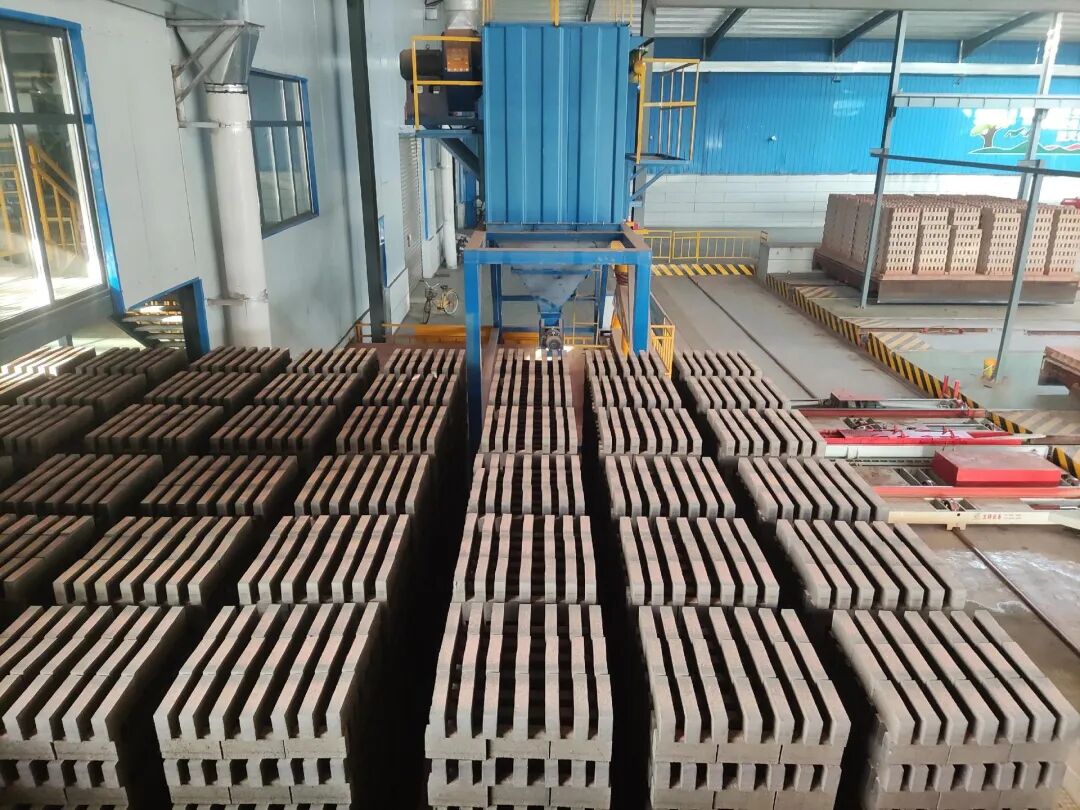
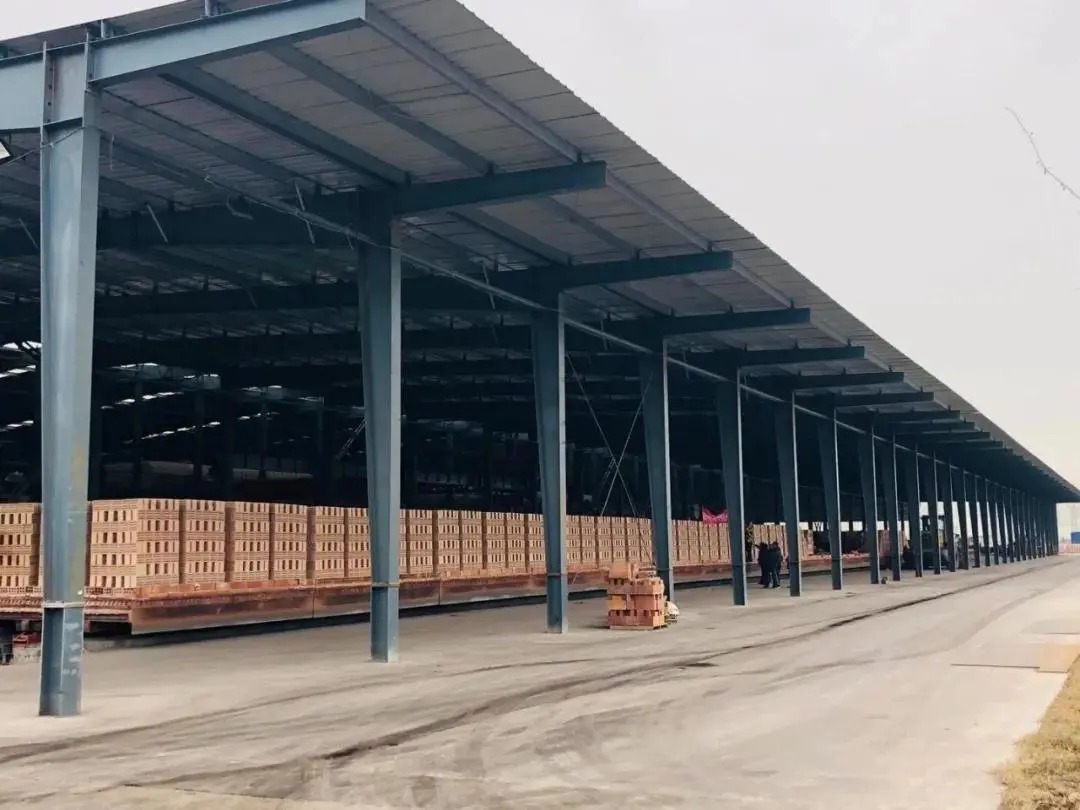
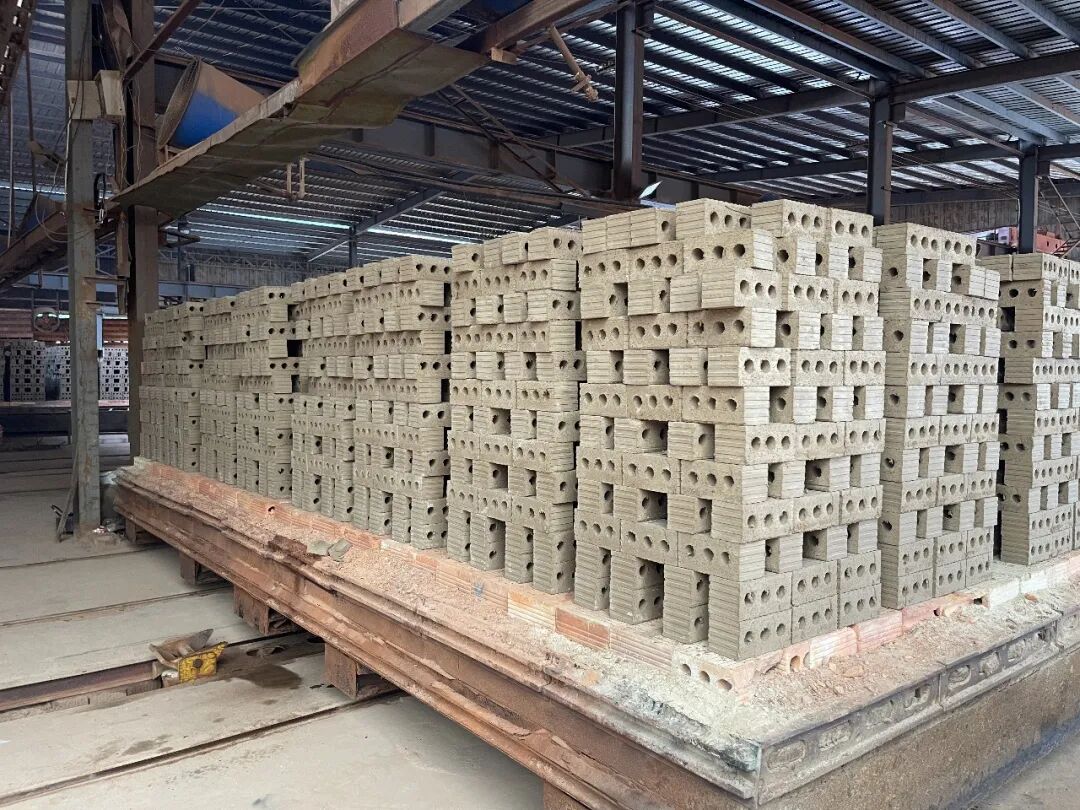
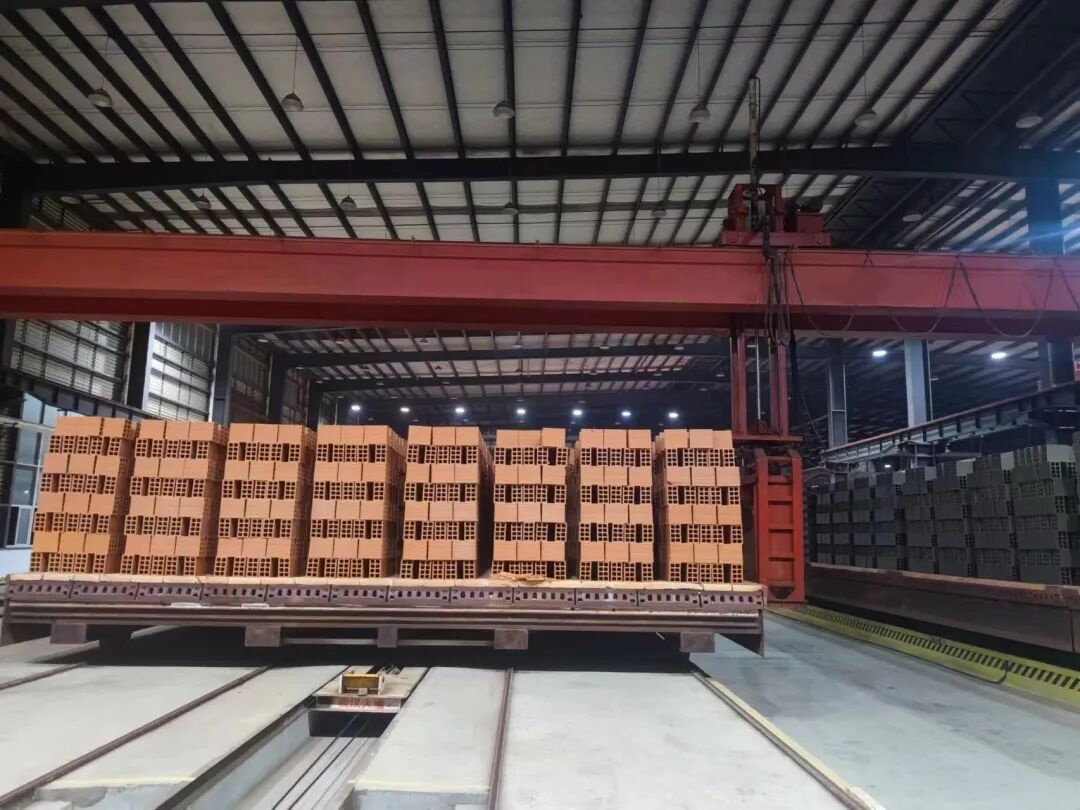
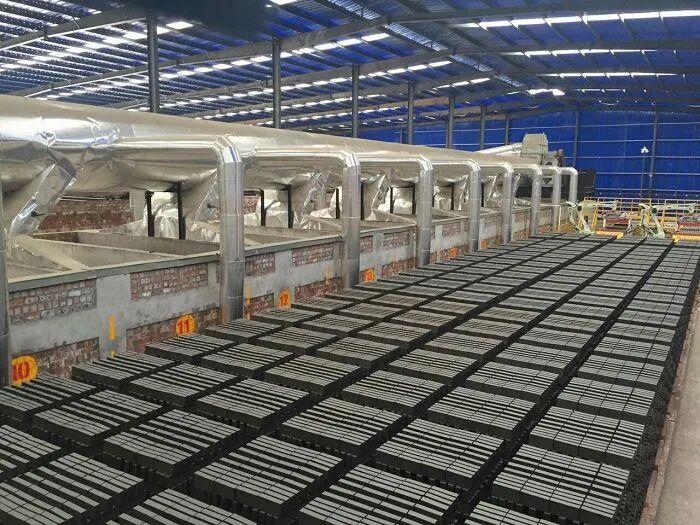
Every brick manufacturer is looking for ways to cut costs and increase profits. While upgrading equipment is one option, optimizing your tunnel kiln stacking methods is a fast, high-ROI solution that often gets overlooked. The right setting pattern can transform your production efficiency, reduce waste, and lower energy bills—directly impacting your bottom line.
The Financial Impact of Poor Stacking:
- Inconsistent Quality: Underfired or overfired bricks lead to high rejection rates, wasting raw materials and labor.
- High Energy Use: Incorrect airflow patterns force your kiln to burn more fuel to maintain temperatures, driving up costs.
- Low Throughput: Tight or poorly designed settings slow down heat transfer, reducing kiln car turnover and limiting daily output.
Our Solution: Stacking Optimization That Delivers Results
At our company, we don’t just talk about theory—we implement proven strategies that drive measurable gains. Our approach to tunnel kiln stacking focuses on three key levers:
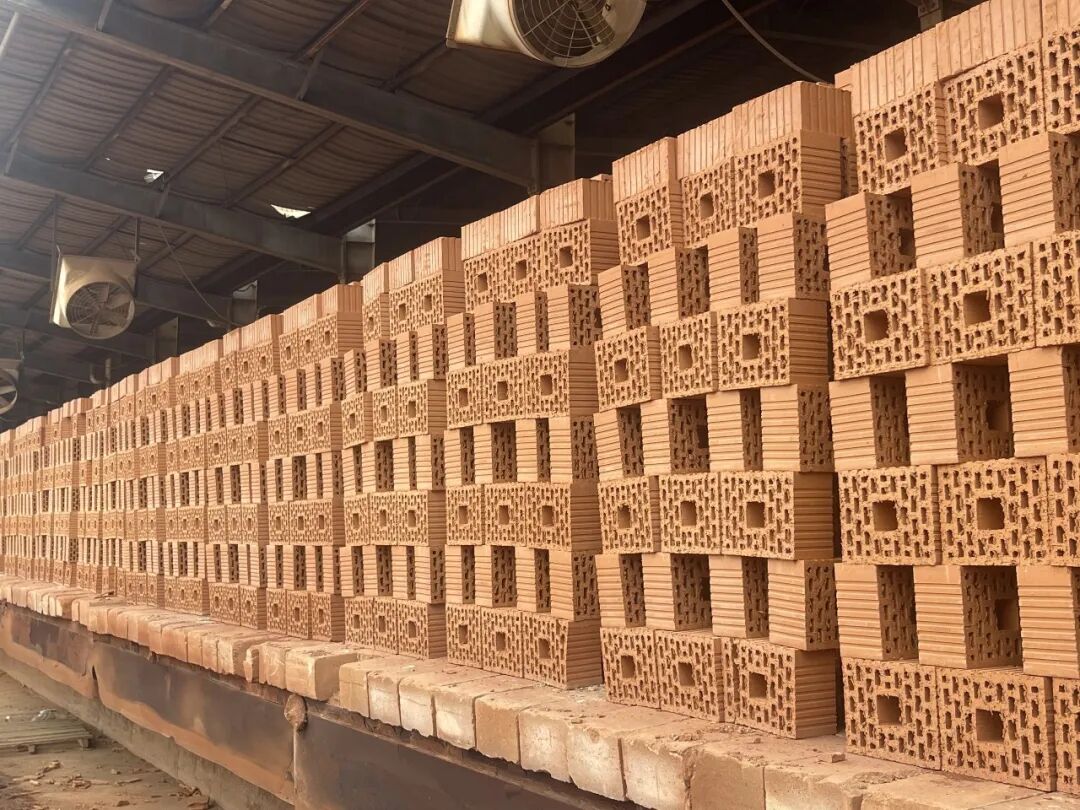
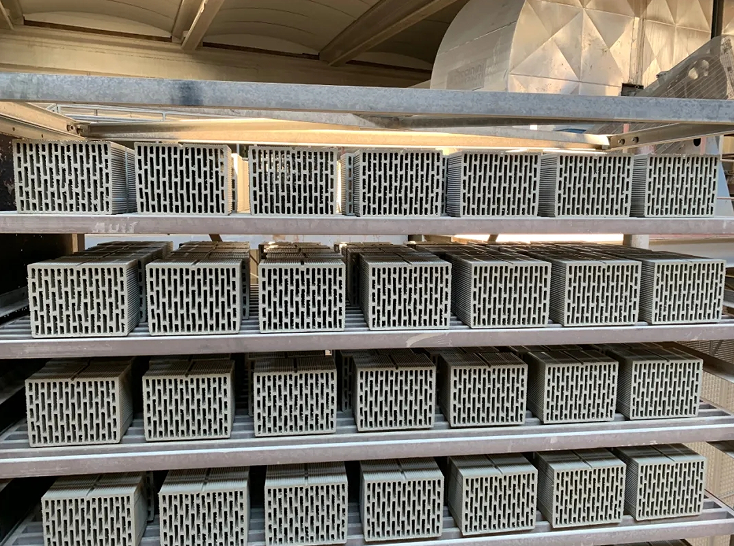
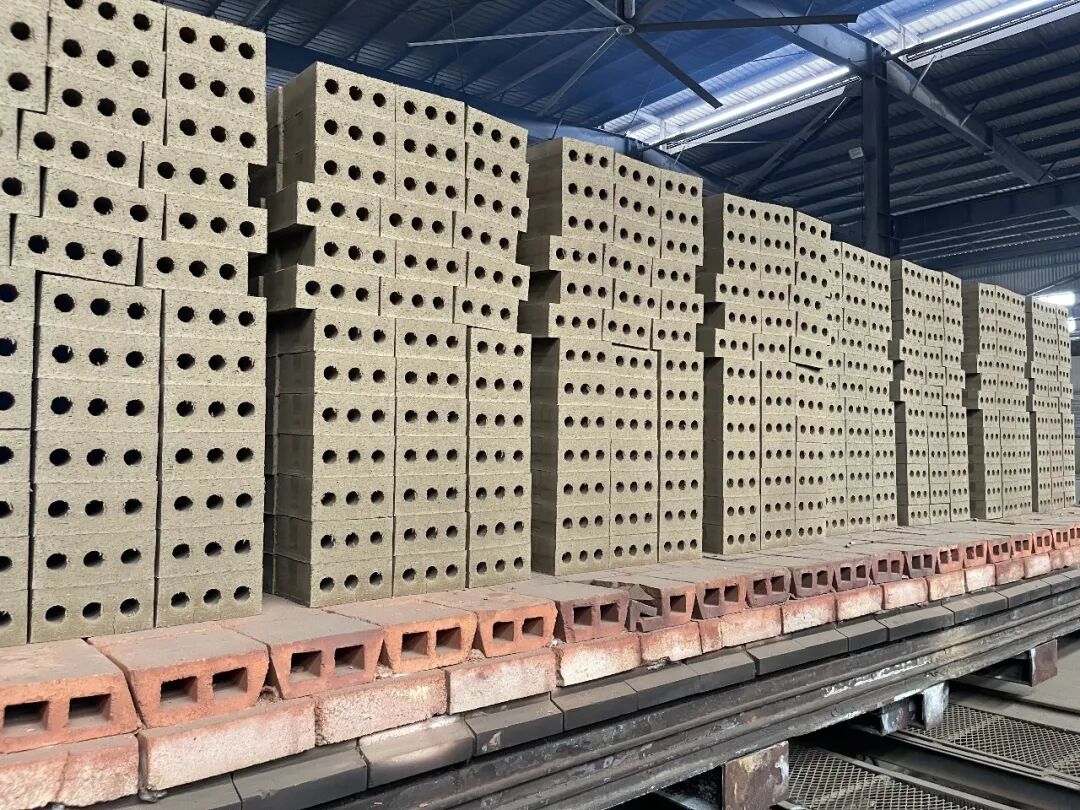
- Balanced Airflow for Efficiency We design settings that reduce unnecessary resistance while ensuring uniform ventilation. This cuts energy consumption to 220–260 kcal/kg, saving thousands on fuel bills annually.
- Uniform Firing for Zero Waste By applying the principles of top-dense, bottom-sparse and center-dense, outer-sparse, we eliminate temperature stratification. Clients see rejection rates drop below 0.2%, turning waste into sellable products.
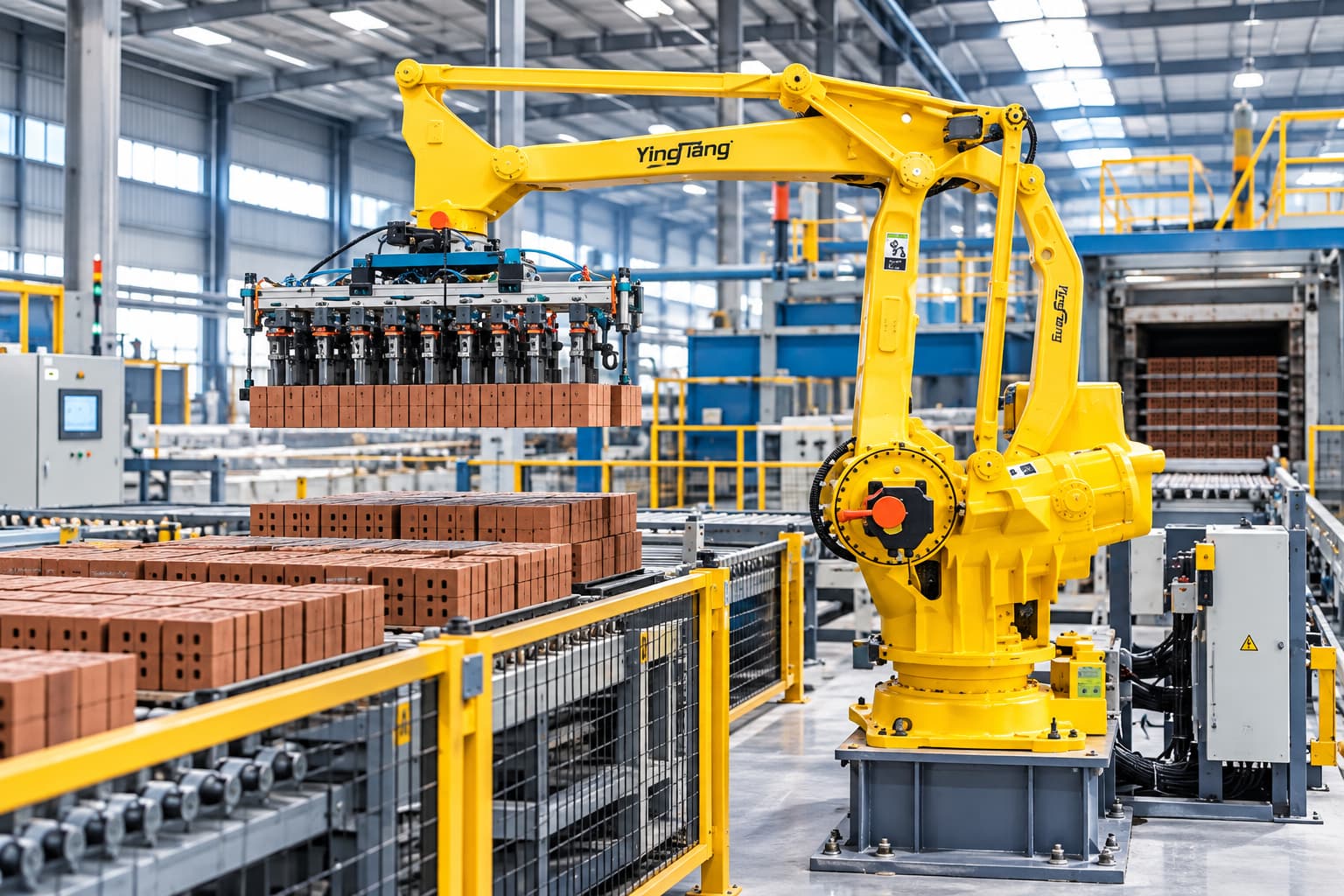
- Maximized Throughput Without New Equipment Optimized settings allow for faster heating and cooling cycles. Many of our clients have increased daily production by 15–25% without any major kiln upgrades.
Partner With Us for a Custom Plan
Your kiln is unique, and your stacking plan should be too. Our experts will analyze your current operations, raw materials, and goals to create a custom stacking strategy. Whether you’re using coal gangue, fly ash, or clay, we’ll help you unlock the full potential of your tunnel kiln.
Don’t let poor stacking eat into your profits. Contact us today to learn how our optimization services can improve your brick production’s bottom line.