How Mixing, Stirring & Aging Improve Raw Material Preparation for Fired Bricks and Tiles?
To achieve stable, high-strength and smooth-surface fired brick and tile products, factories must adopt standardized raw material mixing, stirring and aging treatment processes to optimize raw material physical and chemical performance. These two processes work together to optimize the physical and chemical properties of brick and tile raw materials, solve the problems of poor blank moldability and low finished product qualification rate, and are the core technical guarantees for high-efficiency and high-quality production in the modern brick and tile manufacturing industry.
The core technical principle of raw material mixing and stirring is to realize the homogeneous integration of multi-component raw materials and moisture through mechanical force. In actual production, different types of brick raw materials have different hardness, particle size and water absorption. Professional stirring equipment can break the uneven state of raw material accumulation and ensure that each part of the raw material has consistent moisture content and component ratio. For raw materials with many impurities and easy agglomeration, the matching rolling and kneading process can effectively crush coarse particles, optimize raw material gradation, and make the raw material system more stable.
Aging treatment is a key process to activate the performance of brick and tile raw materials. After mechanical mixing, the raw materials still have unbalanced internal moisture and incomplete mineral reaction. After 72 hours of professional aging and storage above 10°C, the raw materials complete sufficient hydration, ion exchange and mild redox reactions. Silicate minerals are fully hydrolyzed to produce adhesive colloids, which greatly improve the plasticity, adhesion and surface flatness of molded blanks. At the same time, microbial metabolism makes the raw material texture softer and more uniform, laying a foundation for high-strength fired finished products.
The supporting processing equipment covers the whole process of raw material pretreatment. Single and double-shaft mixers are widely used in primary mixing operations, with flexible blade angle and adjustable rotating speed, which can control raw material stirring uniformity and residence time accurately. Wet pan mills are high-efficiency refined processing equipment, relying on roller gravity rolling to realize dual functions of crushing and stirring, which is the preferred equipment for processing low-quality and heterogeneous raw materials, despite its high energy consumption and investment cost.
Disc screens realize deep homogenization of mud materials through multi-layer cantilever stirring arms and wear-resistant scrapers, with built-in stone storage tanks to remove impurities efficiently. The steam heating function can adjust the temperature of mud materials and improve processing adaptability. The purifier uses spiral pressure to extrude mud materials and concentrate impurities for regular discharge, realizing integration of homogenization and impurity removal. The stirring extruder completes secondary stirring and kneading of raw materials, further improving raw material plasticity for subsequent extrusion molding.
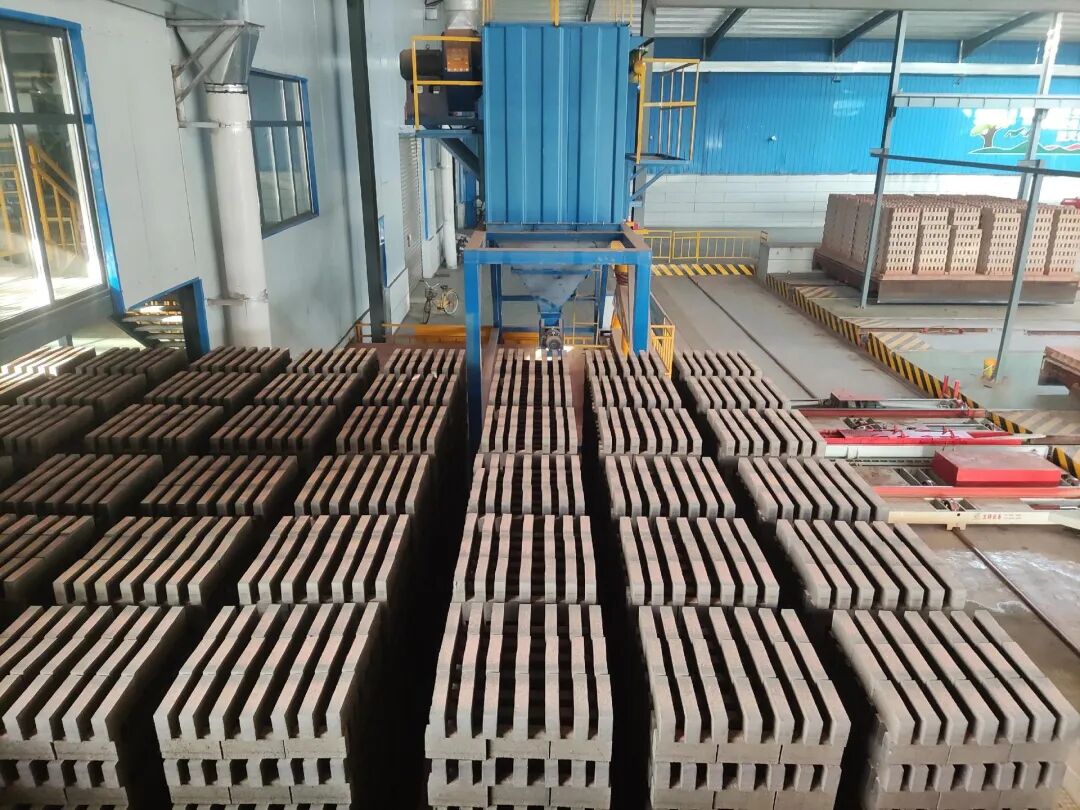
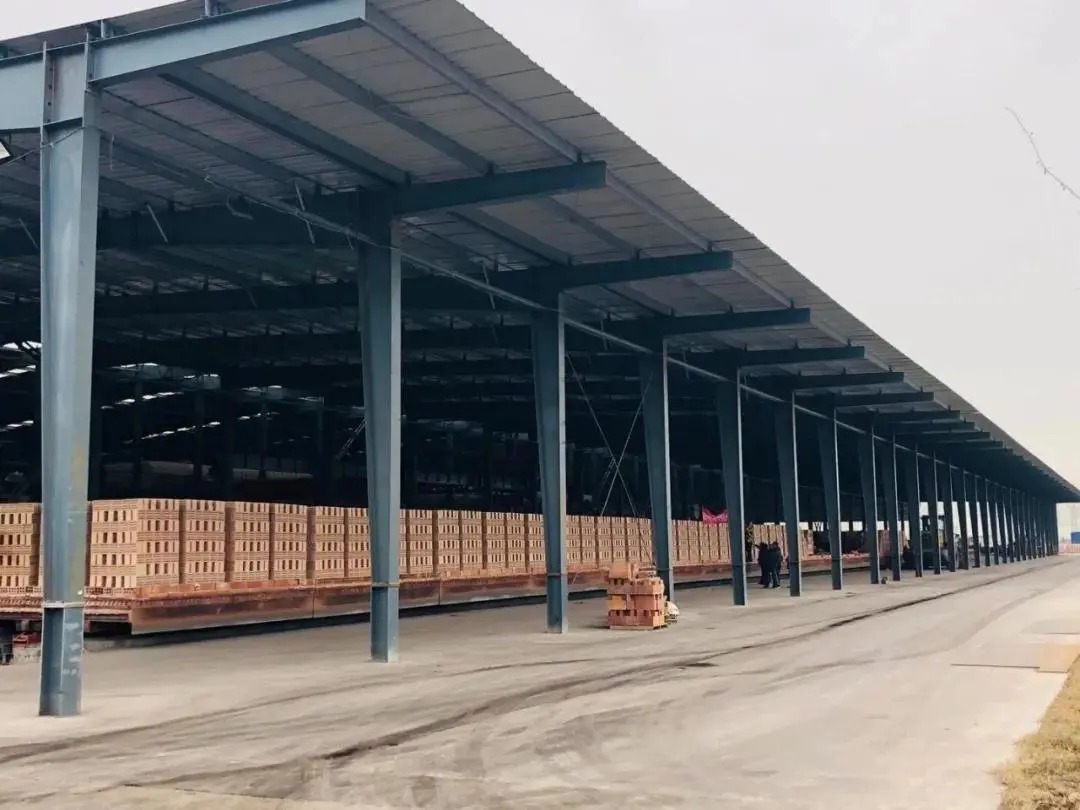
The aging warehouse is a key facility to ensure the continuous and stable operation of the production line. It not only realizes centralized aging and homogenization of mixed raw materials, but also plays a role in production buffer and scheduling. Strictly implementing the standards of 72-hour aging time and 10°C+ aging temperature can completely activate the excellent performance of brick and tile raw materials, avoid quality differences caused by seasonal temperature changes, and ensure the long-term stable output of high-quality fired brick and tile products.
FAQ
Q1: How does aging treatment improve the moldability of fired brick raw materials?
A1: Scientific aging promotes full hydration hydrolysis and ion exchange of silicate minerals, produces cementitious colloids, and comprehensively enhances mud plasticity, adhesion and moldability, solving common problems such as blank cracking and uneven surface.
Q2: What are the application characteristics of single-shaft and double-shaft mixers in brick factories?
A2: Single and double-shaft mixers feature adjustable blade angle and rotating speed, which can precisely control raw material stirring uniformity and material residence time, ideal for primary mixing and proportioning of conventional fired brick raw materials.
Q3: Why is constant temperature control essential for winter raw material aging of fired bricks?
A3: Low-temperature environment inhibits mineral hydration and redox reactions, resulting in poor mud ductility. Maintaining a temperature above 10°C ensures complete aging reaction and stable raw material performance for consistent production quality.
Q4: What is the full-process equipment configuration for fired brick raw material pretreatment?
A4: The complete production line is equipped with mixers, wet pan mills, disc screens, mud purifiers and stirring extruders to realize integrated processes of mixing, refining, homogenization, impurity removal and plasticizing.