
0102030405
Full-Cycle Cost Control for Sintered Brick Production: Reduce Waste and Improve Profitability
2026-05-29
The production cost management of sintered bricks is a systematic project, covering raw materials, fuel, power, labor, equipment maintenance, depreciation, taxes and fees, sales and auxiliary consumption. Single cost reduction measures cannot achieve long-term profit improvement. Only by establishing a full-process refined management system and accurate statistical accounting can brick factories fundamentally reduce comprehensive production costs and enhance market competitiveness.
First of all, enterprises must build a special cost analysis account system to classify and count all production consumption items accurately. All expenditures including raw material purchase, fuel consumption, power consumption, staff wages, equipment maintenance, certificate amortization and auxiliary production materials shall be recorded in detail by category, cycle and process. Through real-time monitoring and comparative analysis of account data, managers can accurately grasp the production status, identify abnormal cost consumption in a timely manner, and locate waste links in production.
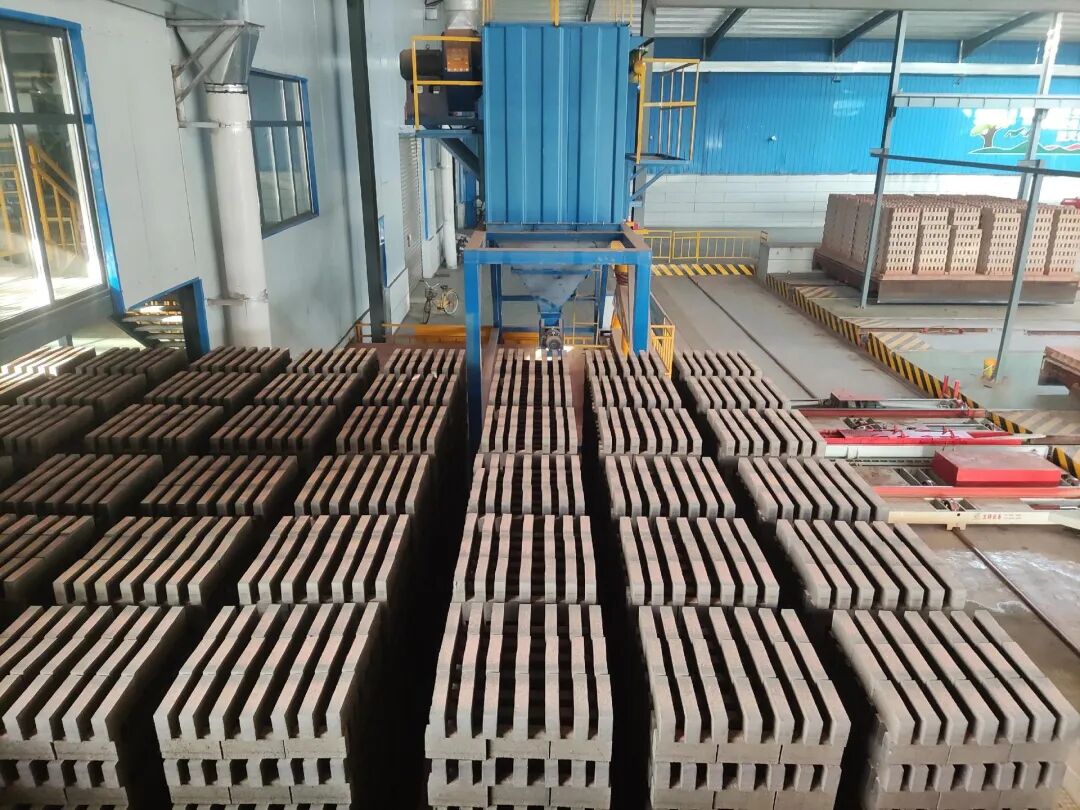
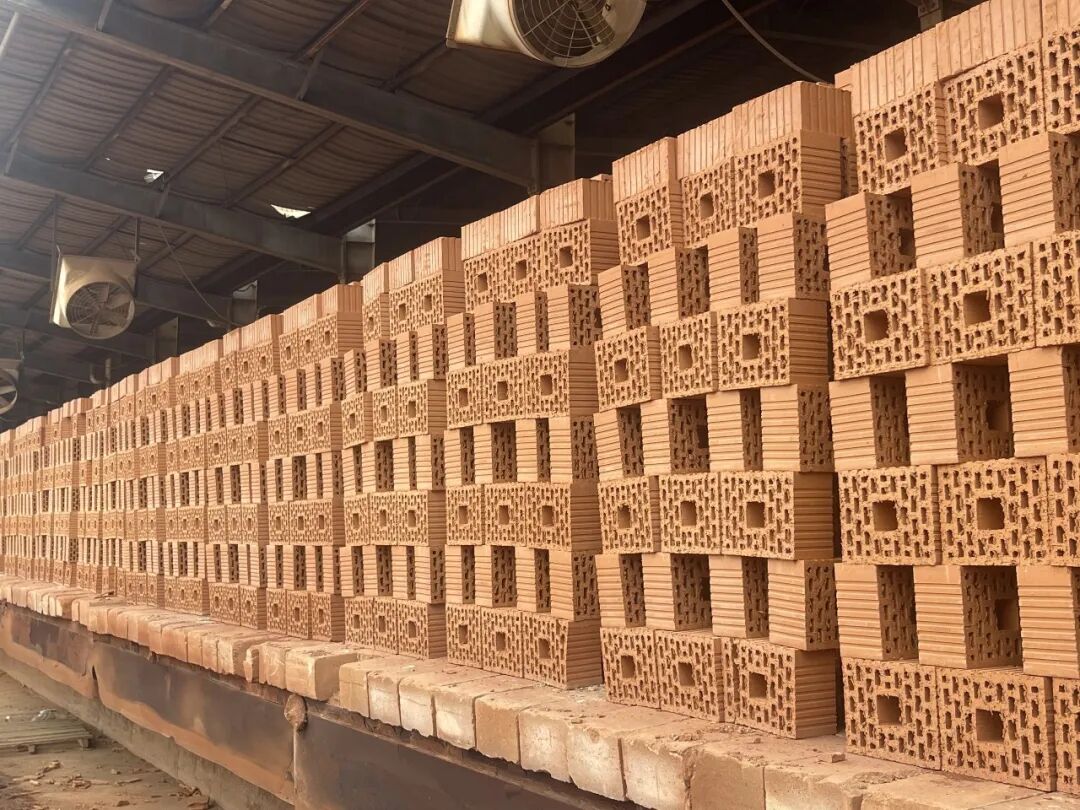
Controlling the brick scrap rate is a key breakthrough point for full-cycle cost reduction. Brick scrap loss is an invisible cost that is easily ignored by most brick factories. Unqualified green bricks and fired waste bricks mean the waste of raw materials, fuel, power and labor costs in the whole production process. To reduce the scrap rate, quality control must be implemented from the forming link. Enterprises need to optimize raw material gradation, control scientific forming moisture and green brick hardness, eliminate internal damage of green bricks, and lay a solid foundation for subsequent drying and sintering, so as to reduce defective products from the source.
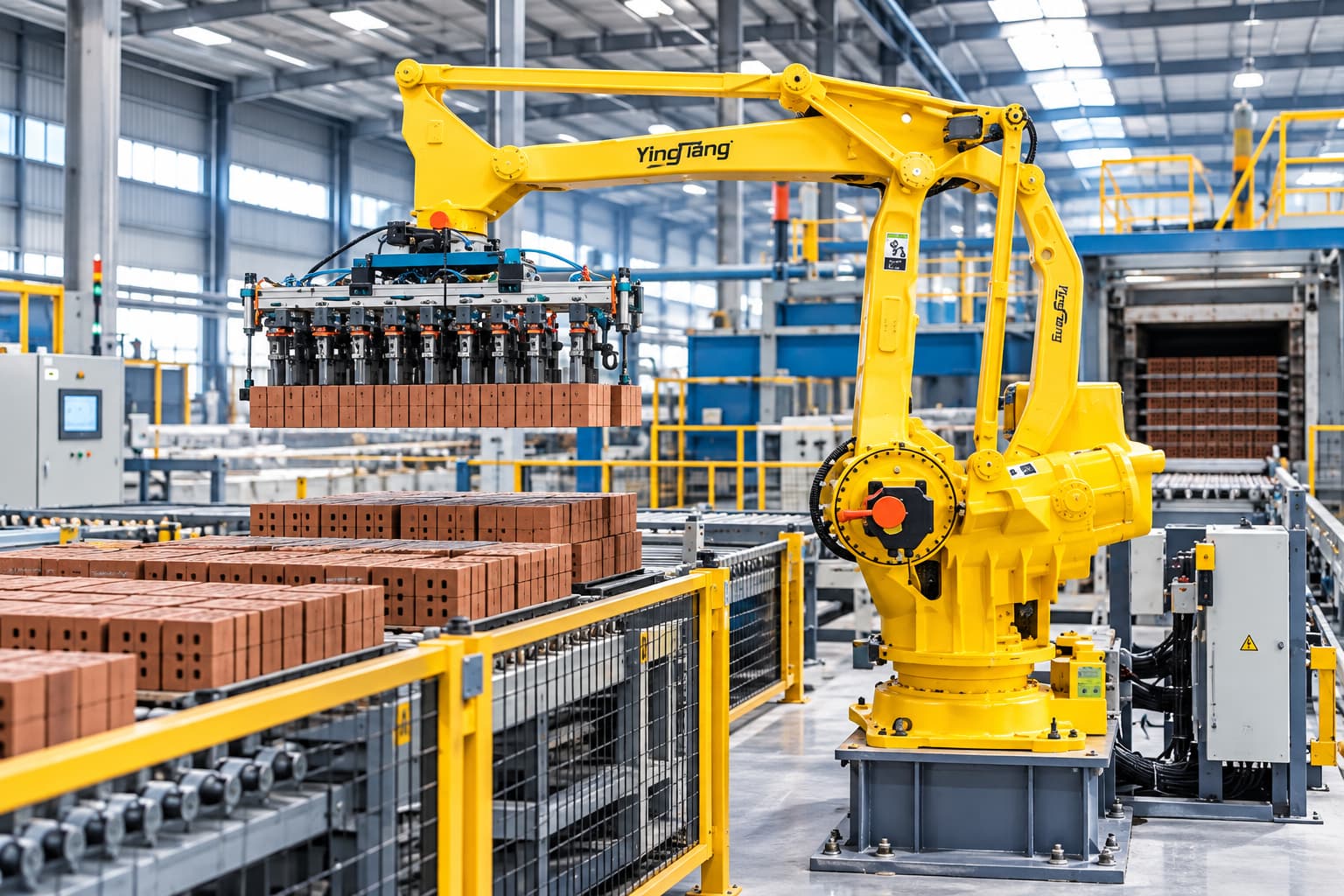
Equipment maintenance management is also an important part of cost control. Many brick factories have high maintenance costs due to irregular maintenance and blind repairs. Adhering to regular inspection and preventive maintenance of production equipment can effectively avoid small faults evolving into large mechanical failures, and greatly reduce equipment replacement and maintenance costs. When equipment fails, professional technicians must accurately find the root cause of the fault instead of blind disassembly and repair. Secondary failures and repeated maintenance losses caused by inaccurate fault diagnosis can be avoided fundamentally.
In terms of auxiliary cost management, brick factories need to optimize labor allocation to eliminate idle labor and improve per capita output efficiency. At the same time, standardized management of sales expenses, administrative expenses and other auxiliary consumption shall be carried out to refine accounting items. Combined with daily production data and cost accounting reports, the enterprise can continuously optimize production processes, standardize operational behaviors, realize the dual goals of quality improvement and full-scale cost reduction, and maintain stable and sustainable profitability.