
From Clay to Curtain Wall: The Complete Terracotta Panel Production Process
Terracotta panels, also referred to as exterior dry-hanging terracotta cladding panels, are produced from natural clay via six core processes: raw material processing, extrusion molding, drying, high-temperature firing, precision finishing, and quality inspection & packaging. Strict control is implemented in each process to guarantee the panels’ durability, weather resistance and decorative properties.
I. Raw Material Processing (Foundation Process)
•Material Selection: The primary raw materials consist of kaolin, clay and shale, with quartz and feldspar incorporated to optimize product performance.
•Crushing and Screening: Raw materials are crushed into particles smaller than 5mm, followed by sieving to remove contaminants. •Batching and Mixing: Materials are blended in accordance with a specific formula, and water is added to adjust the moisture content to 20%–25%.
•Ageing: The clay mixture is hermetically sealed and allowed to rest for 24–48 hours to enhance its plasticity.
•Vacuum Pugging: Air bubbles are eliminated through vacuum extraction, resulting in denser and more uniform clay.
II. Vacuum Extrusion Molding (Key Process)
•The processed clay is fed into a vacuum extruder, which forces it through a mold under high pressure to form continuous slats (available in single-layer or double-layer hollow configurations).
•An automatic cutting machine cuts the slats into fixed lengths to form wet blanks.
•Wet blanks are inspected for appearance, dimensions and compactness to pre-empt defective products.
III. Drying (Difficult Process for Crack Control)
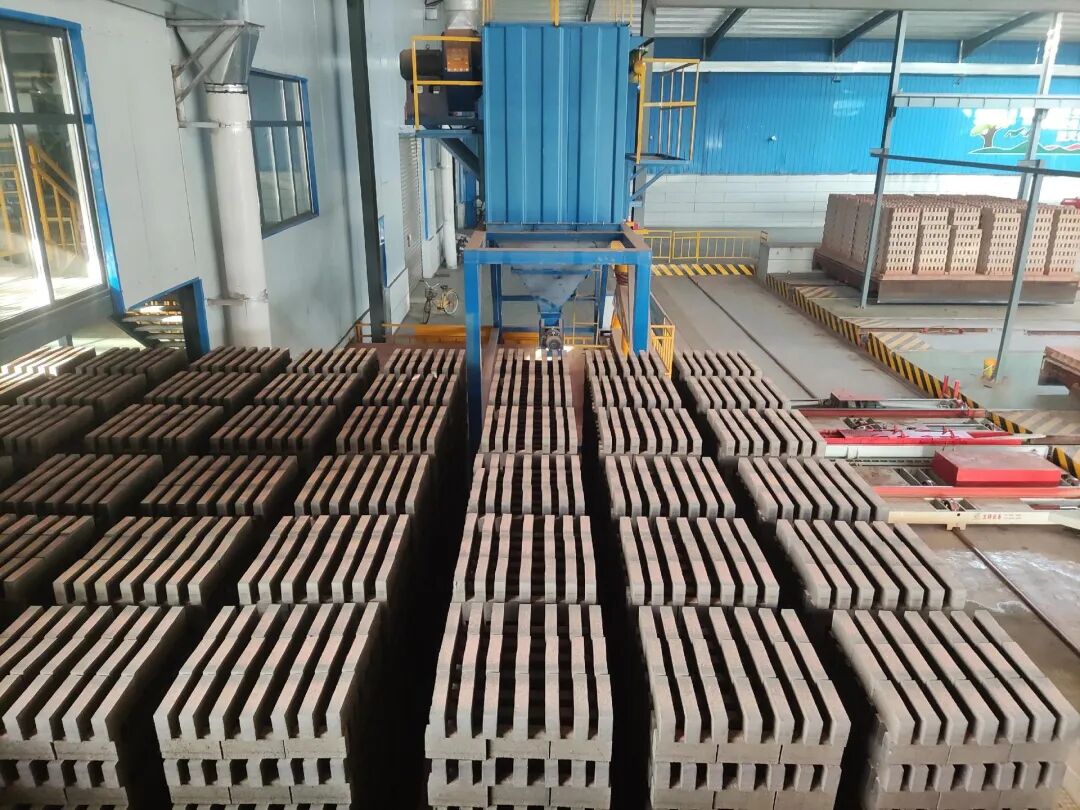
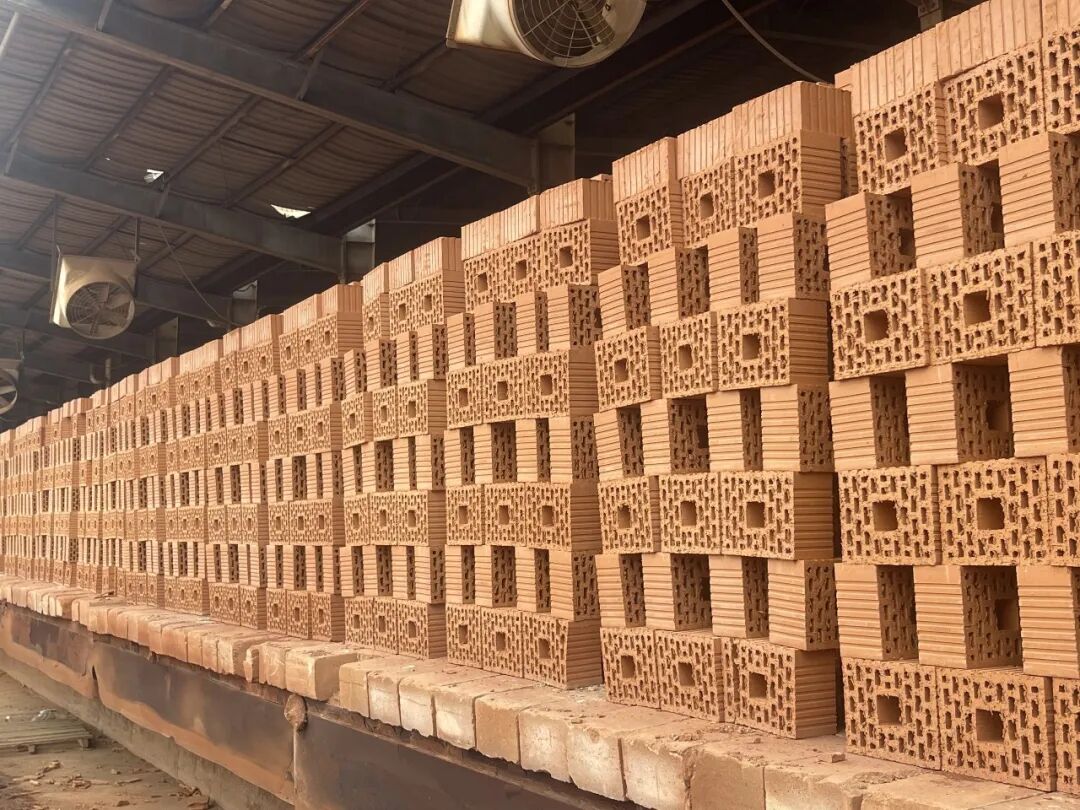
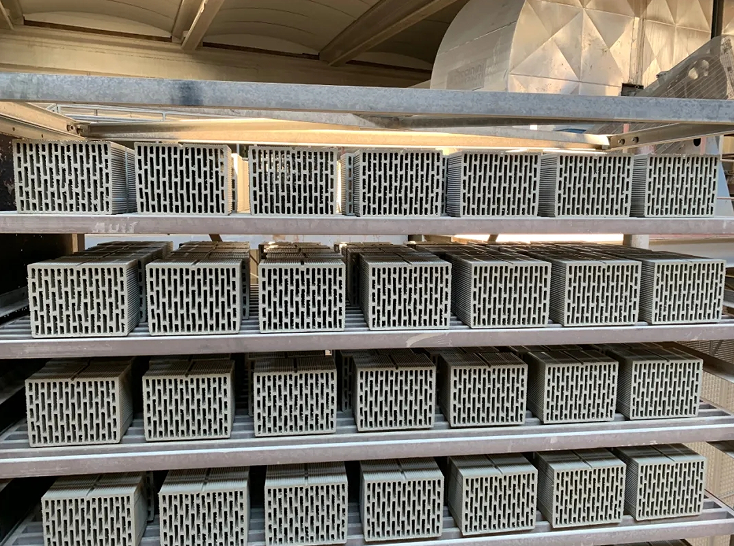
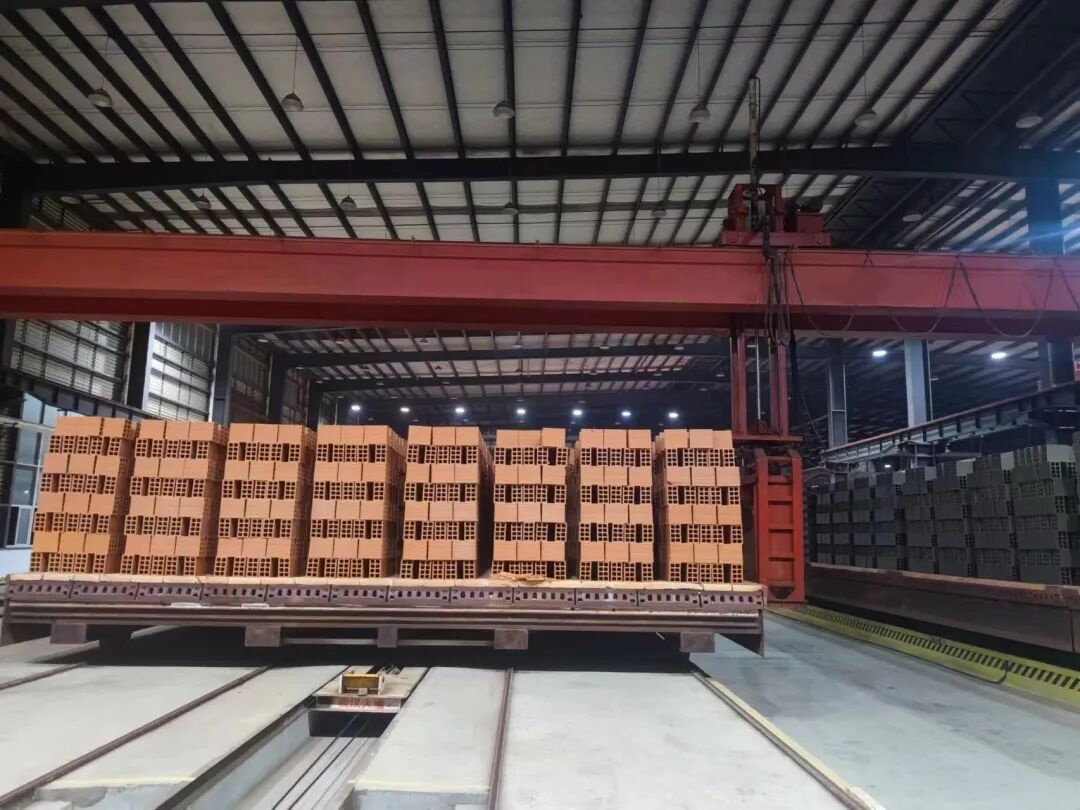
•Drying Method: Chamber dryers or multi-layer roller kilns are employed for precise temperature and humidity control.
•Drying Regime: Slow drying under low-temperature and high-humidity conditions is adopted to prevent blank cracking.
•Drying Endpoint: The moisture content of the blanks is reduced to below 2%–3%.
IV. High-Temperature Firing (Core Process)
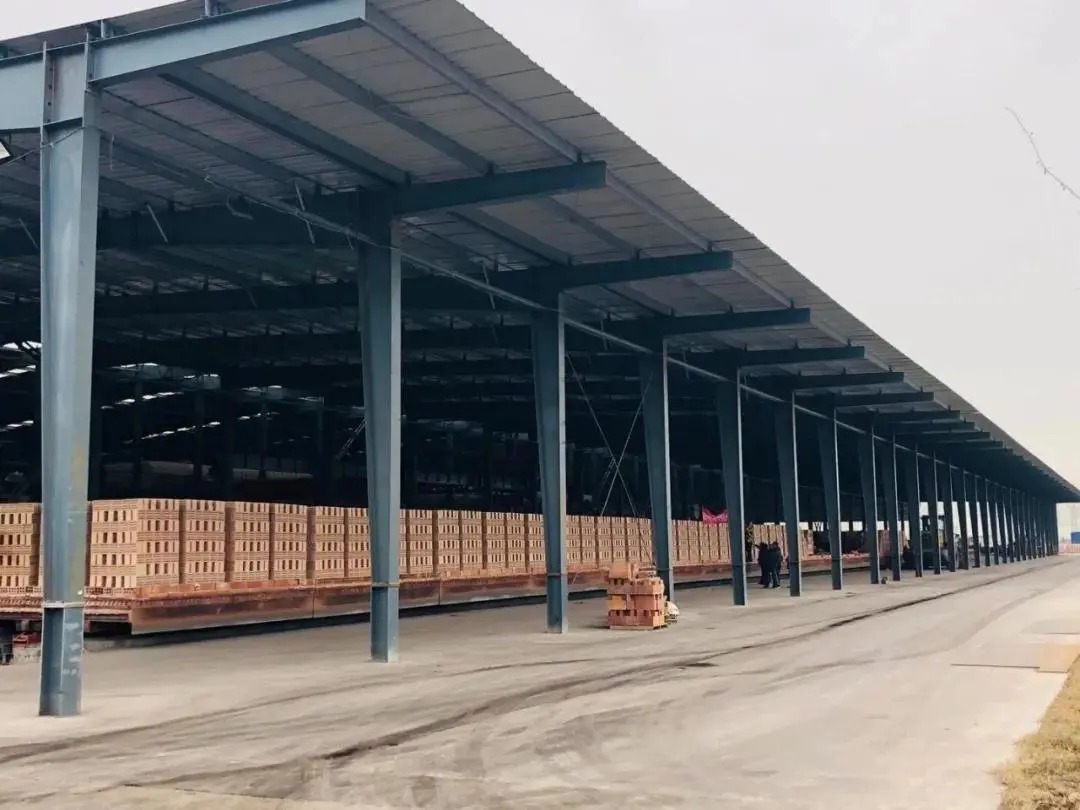
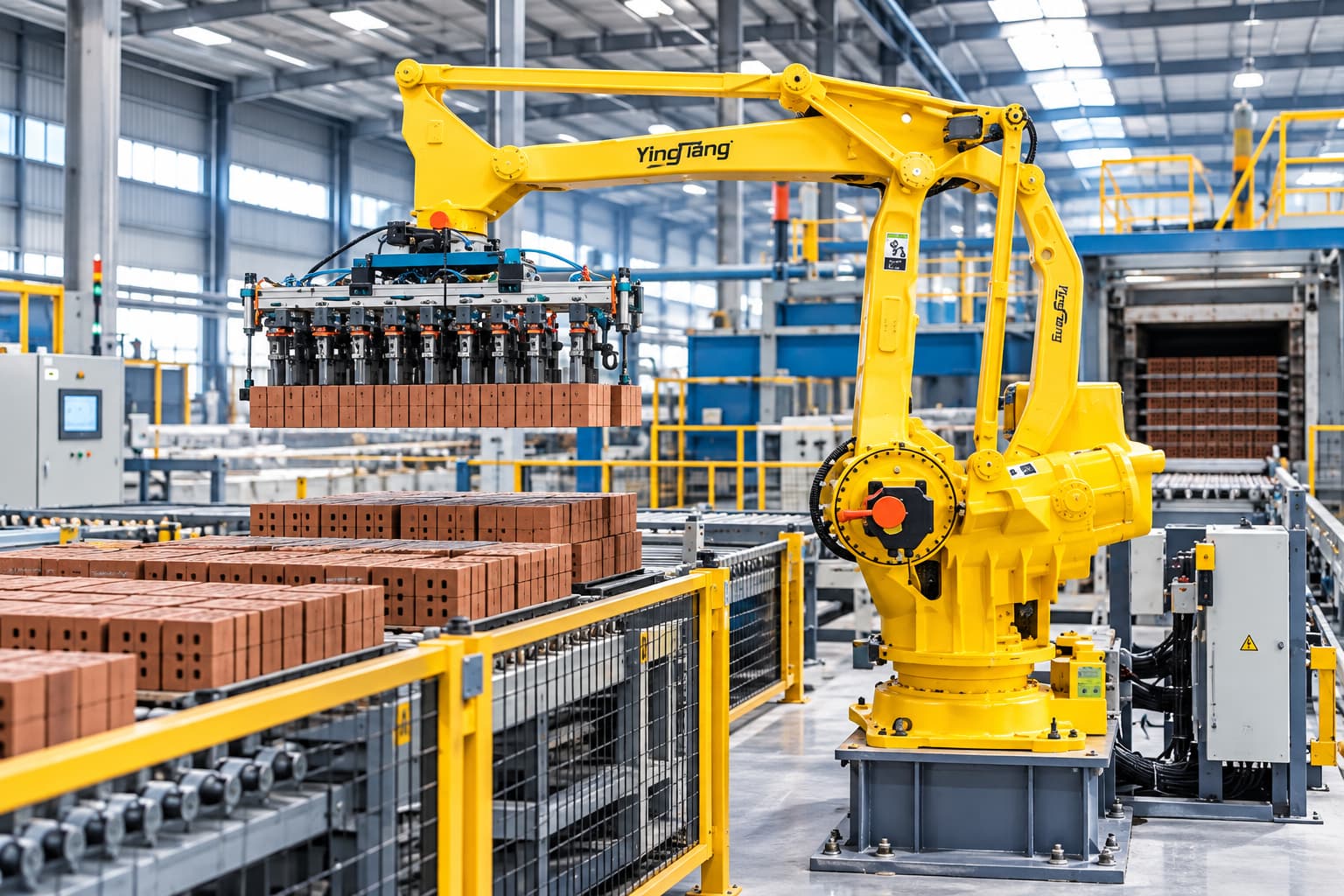
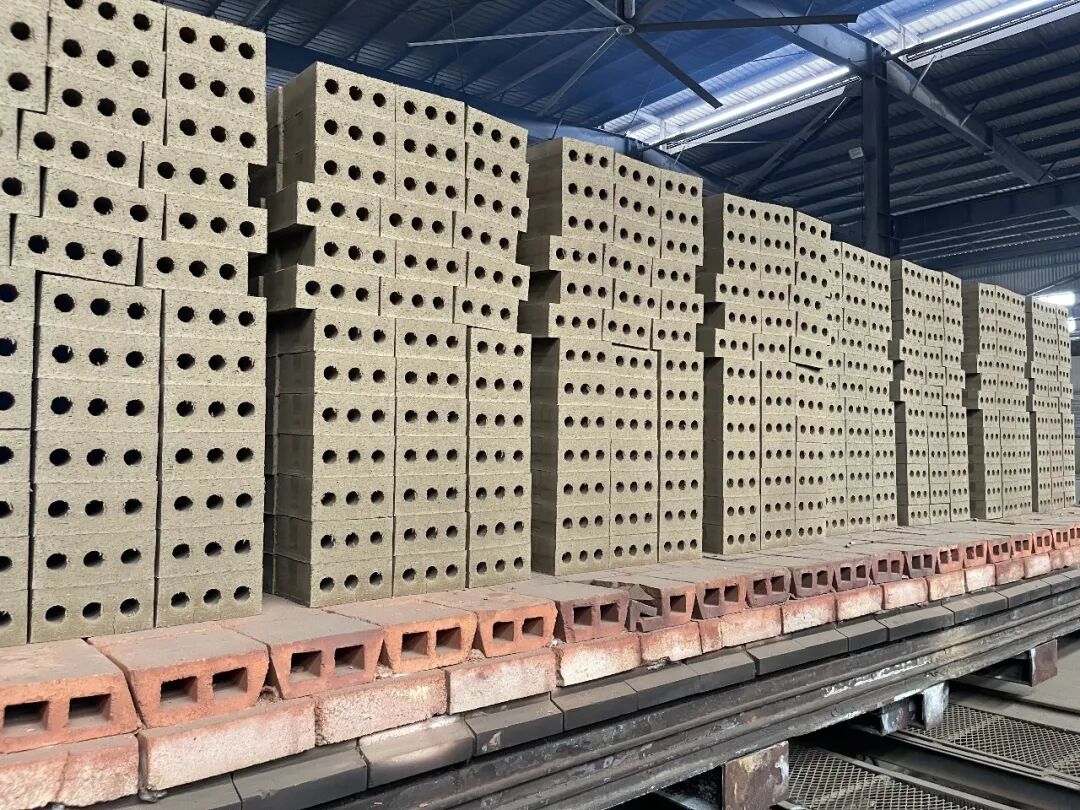
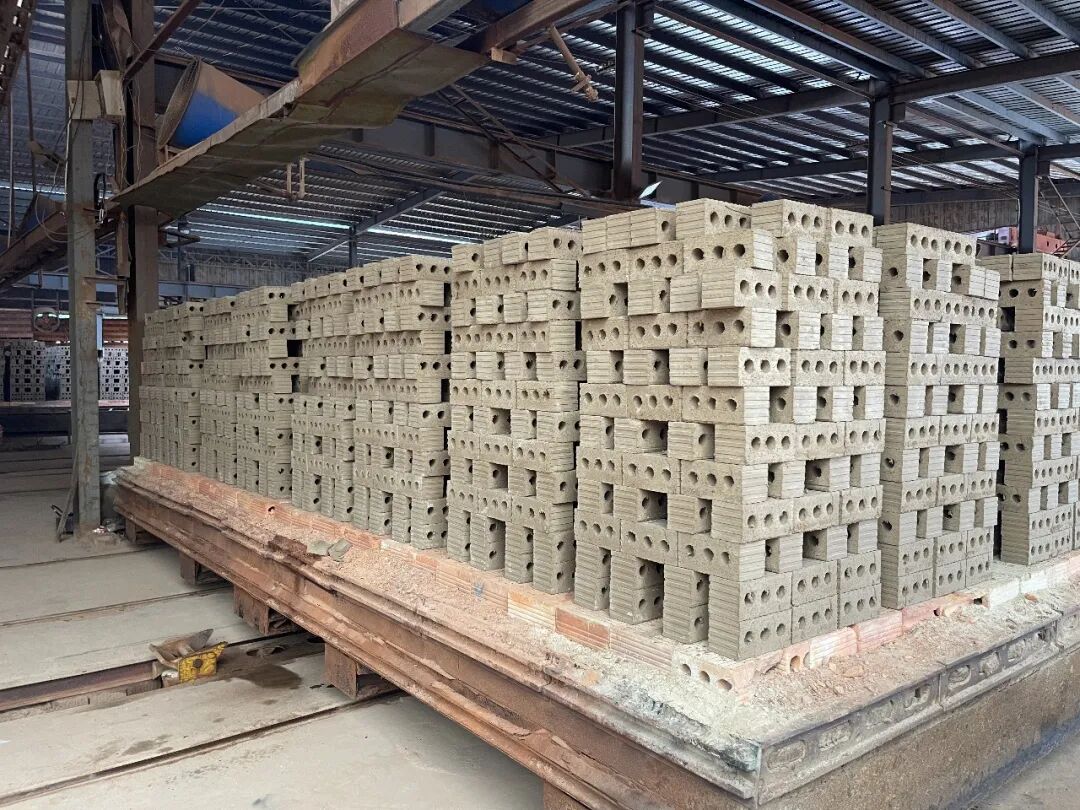
•Kiln Loading: Dry blanks are stacked on kiln cars with consistent spacing.
1.Low Temperature (0–400℃): Removal of residual moisture from the blanks.
2.Medium Temperature (400–900℃): Oxidation and decomposition of organic compounds.
3.High Temperature (900–1200℃): Sintering and mullite formation.
4.Slow Cooling: Cool down alongside the kiln to below 100℃.
•Firing Process: Firing is conducted at approximately 1200℃ over a 24–48-hour period, divided into four stages.
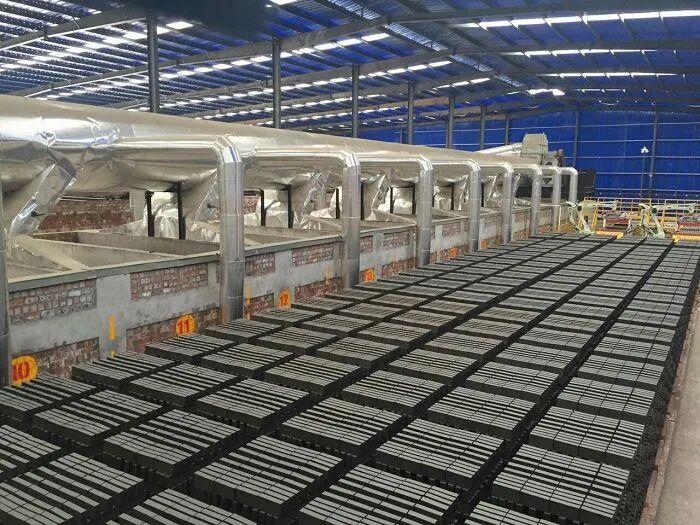
•Kiln Type: Tunnel kilns or roller kilns are utilized for continuous automated production.
V. Precision Finishing and Surface Treatment
•Cutting/Edging: Precision size trimming, chamfering and grooving are performed to meet installation specifications.
•Surface Treatment: A variety of surface finishes are available, including plain, sanded, grooved, glazed and matte finishes.
VI. Quality Inspection and Packaging
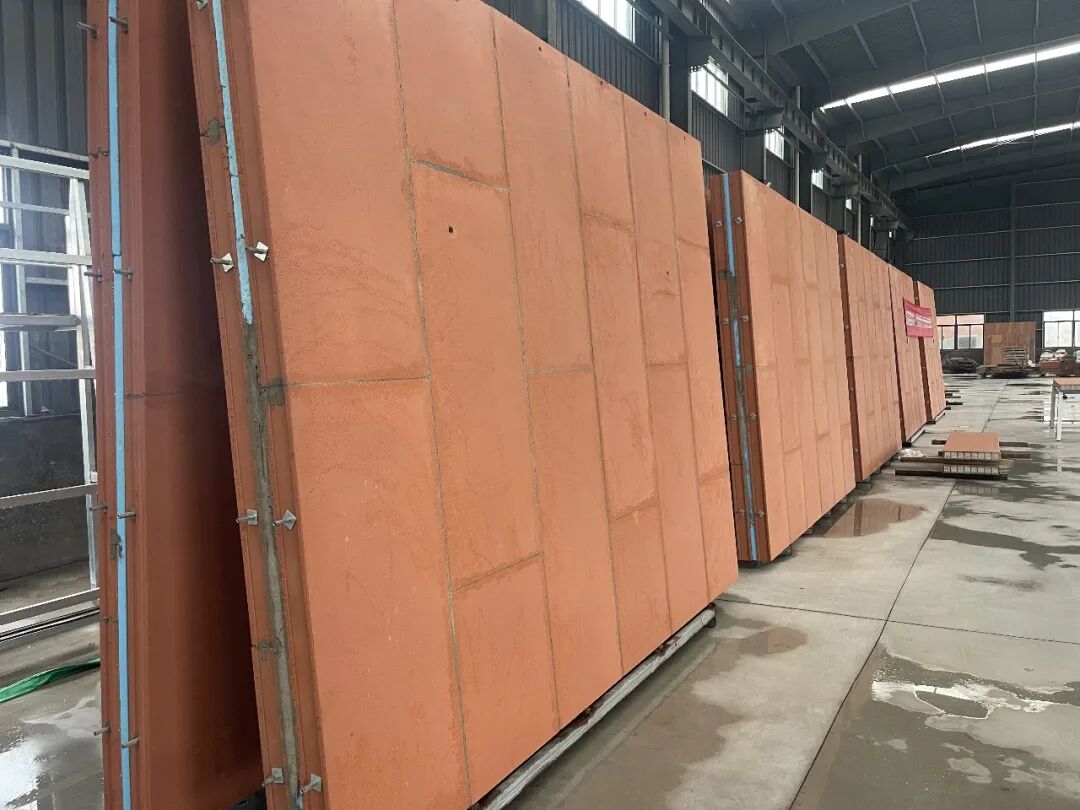
•Full Inspection: All panels undergo inspection for dimensions, flatness, color variation, cracks, chips and structural strength. •Packaging: Qualified products are film-wrapped, packaged and warehoused.