0102030405
Equipment Optimization and Standardized Operation to Eliminate Brick Drying and Firing Breakage
2026-07-16
Brick breakage during drying and firing is caused by both improper process parameters and substandard production conditions, including outdated equipment performance, inadequate daily maintenance, and non-standard operating procedures. Most brick factories suffer from chronically high breakage rates due to aging kiln systems, mismatched kiln furniture, irregular brick stacking, and neglected equipment calibration. Targeted equipment optimization and full-process standardized operation management are essential solutions to eliminate abnormal brick breakage and achieve stable, high-yield brick production.
Pre-production equipment optimization forms the foundation of low brick breakage rates.
The vacuum extrusion system directly determines green brick compactness and structural quality. Professional high-vacuum processing effectively removes micro air pockets trapped inside clay raw materials. Residual air bubbles will expand violently under high firing temperatures, causing brick blistering, surface spalling, cracking, and complete structural breakage. Manufacturers must conduct regular inspection and maintenance on vacuum extruders to sustain stable vacuum levels, eliminate air incorporation during molding, and produce dense, uniform green bricks with superior thermal shock resistance for drying and firing stages.
Systematic maintenance of drying rooms and tunnel kilns is indispensable for minimizing brick breakage.
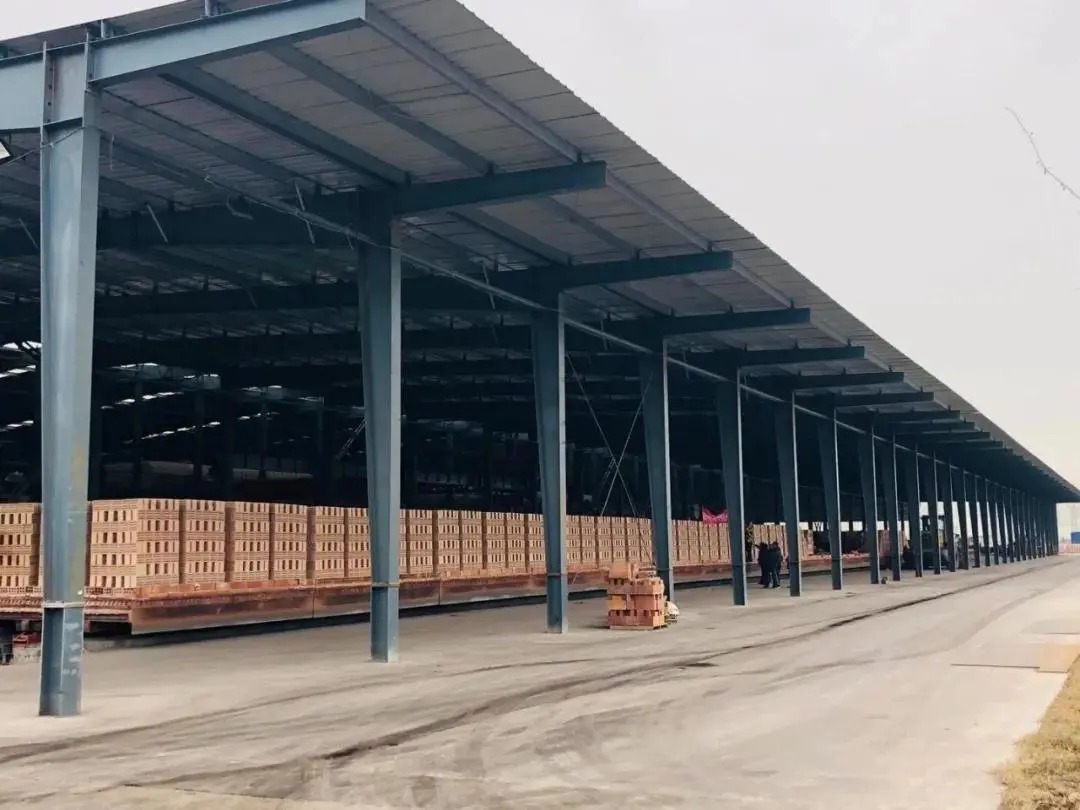
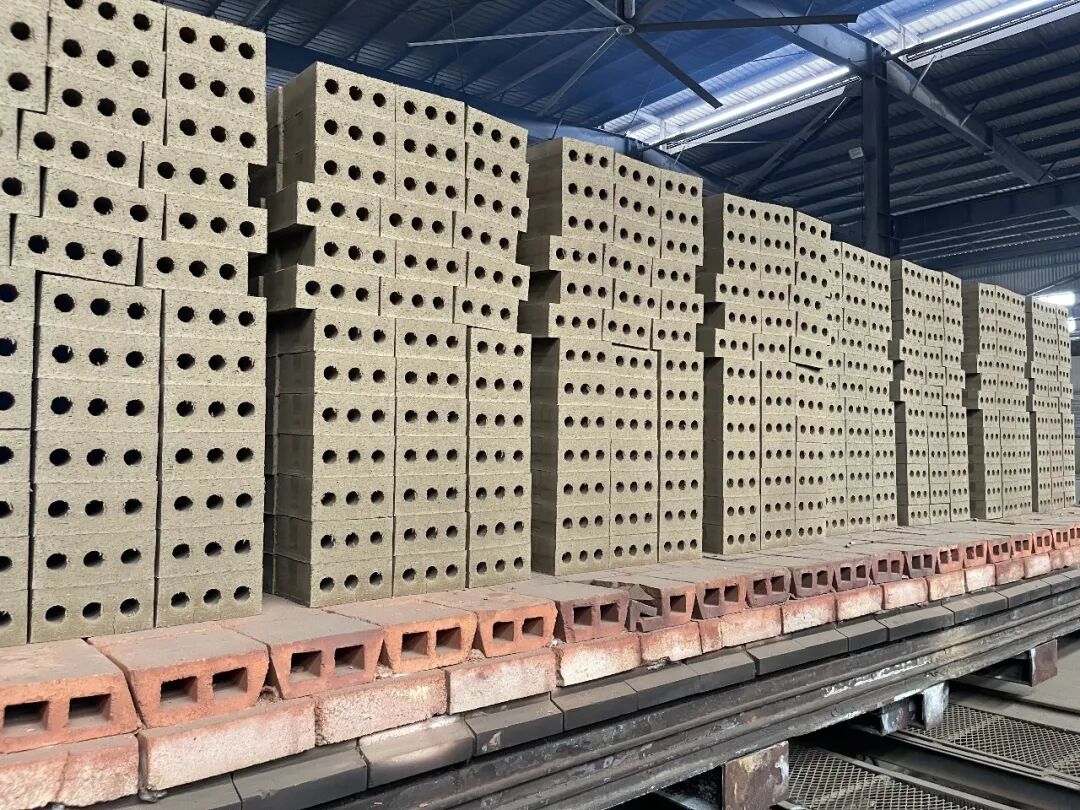
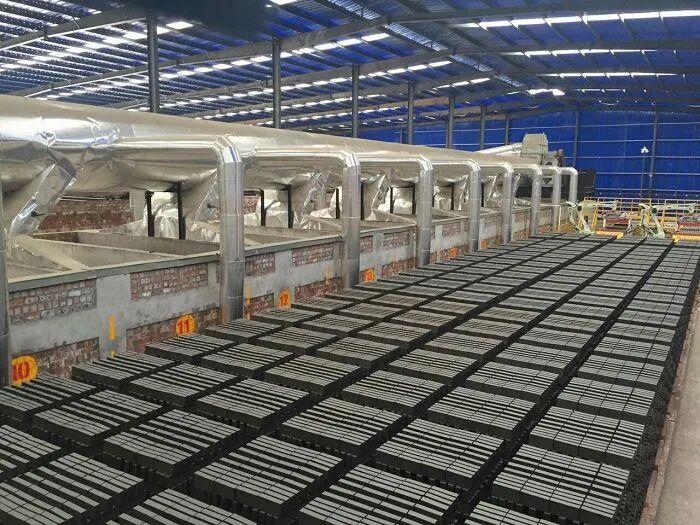
Daily inspections must cover ventilation systems, heating pipelines, and humidity control devices to eliminate heating dead zones and unbalanced airflow. Damaged fans, blocked ducts, and faulty humidity sensors require timely replacement and cleaning to ensure uniform temperature and humidity distribution throughout the drying room. For tunnel kiln operations, regular maintenance of kiln car surfaces, track flatness, and kiln body sealing is critical. Uneven kiln cars and unstable track movement generate continuous micro-vibrations and mechanical stress during firing, inducing hidden internal cracks and eventual brick breakage. Flat kiln cars and smooth track systems effectively prevent mechanical brick damage.
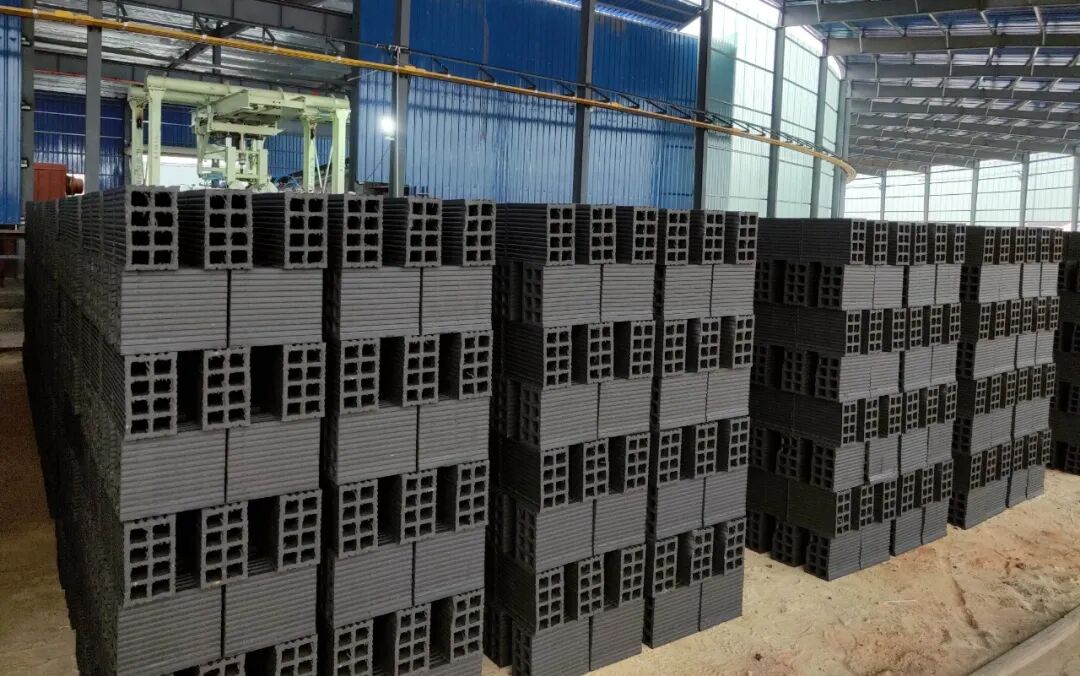
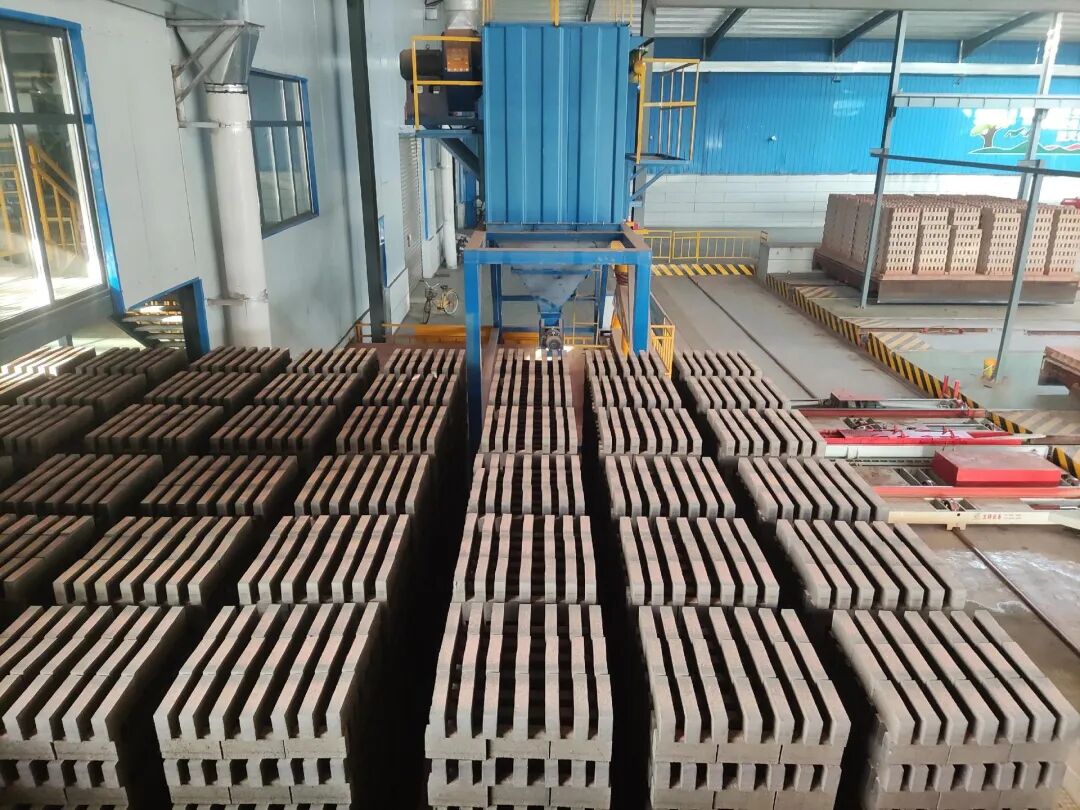
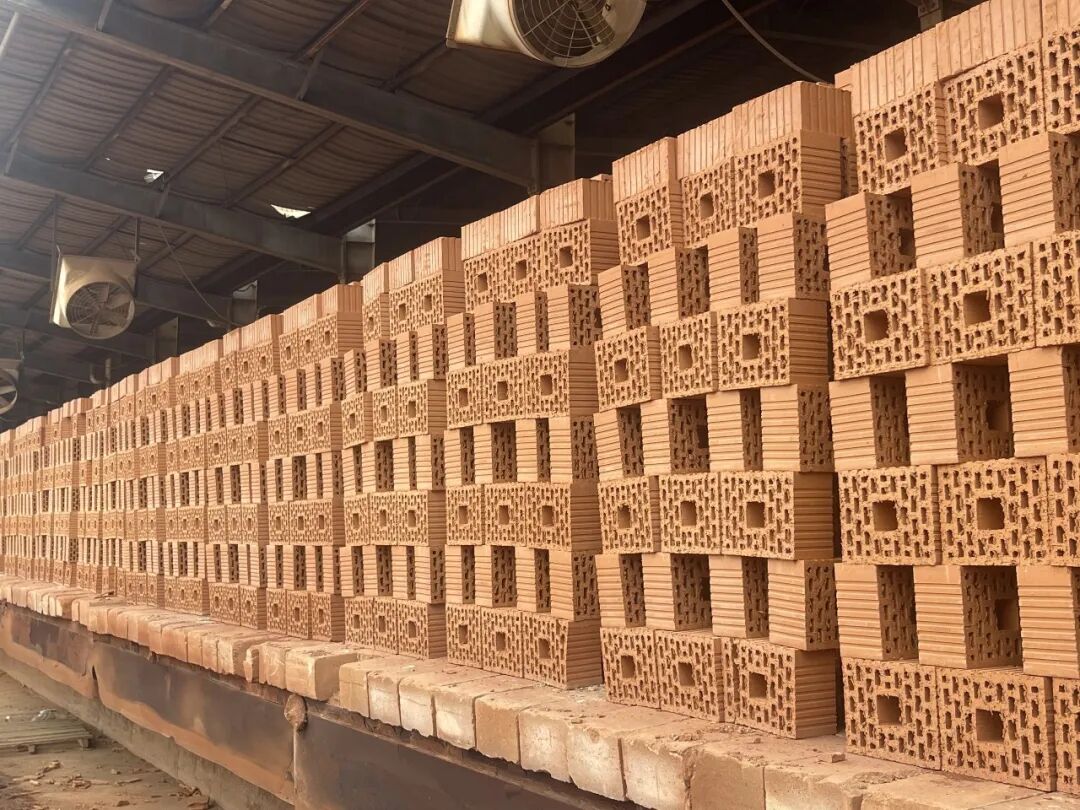
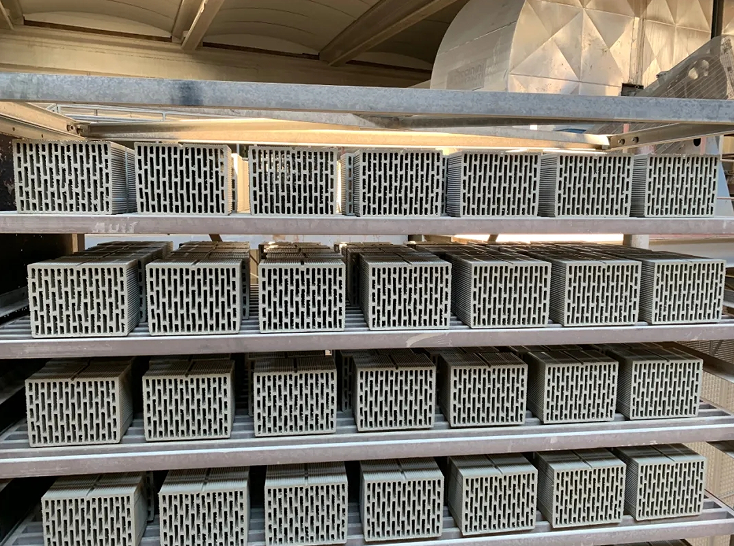
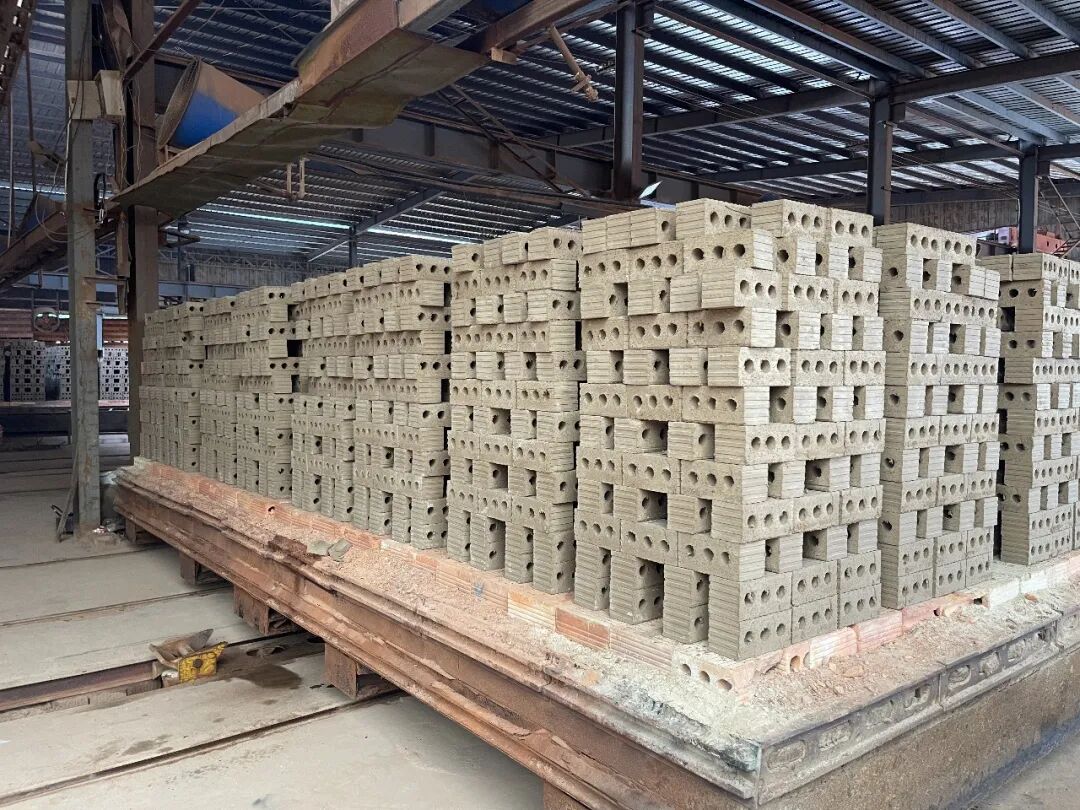
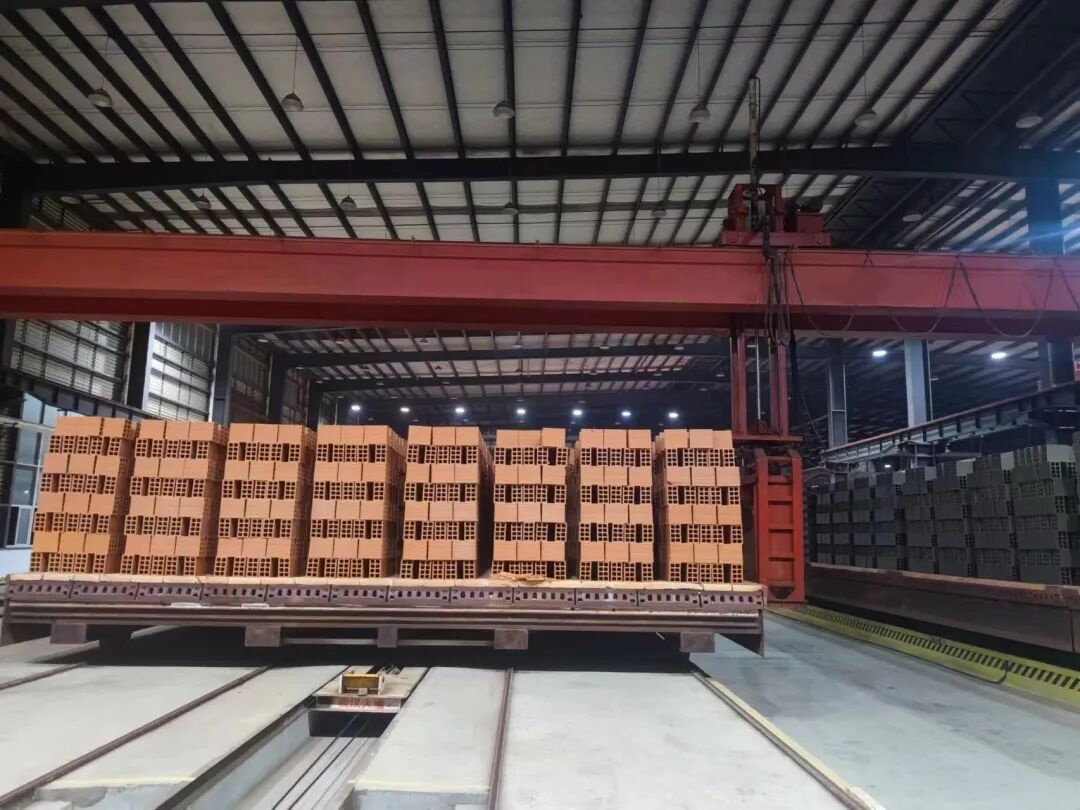
Scientific kiln loading and standardized stacking standards effectively reduce thermal stress damage to bricks. Overloading kilns and inconsistent brick spacing are common operational errors that lead to high breakage rates. Overly dense stacking restricts hot air circulation, causing unbalanced heating and uneven thermal shrinkage between inner and outer bricks. Excessively wide spacing results in local overheating and intense thermal shock. Factories should establish unified kiln loading guidelines to ensure equal brick spacing and layered, orderly arrangement. Thick bricks and special-shaped bricks require prolonged low-temperature preheating before formal firing to adapt the brick structure to temperature changes and reduce cracking risks. Furthermore, matched high-temperature-resistant kiln furniture and buffer gaskets disperse thermal pressure evenly and prevent local stress concentration breakage.
Regular equipment calibration and intelligent monitoring upgrades provide long-term stability for low brick breakage rates.
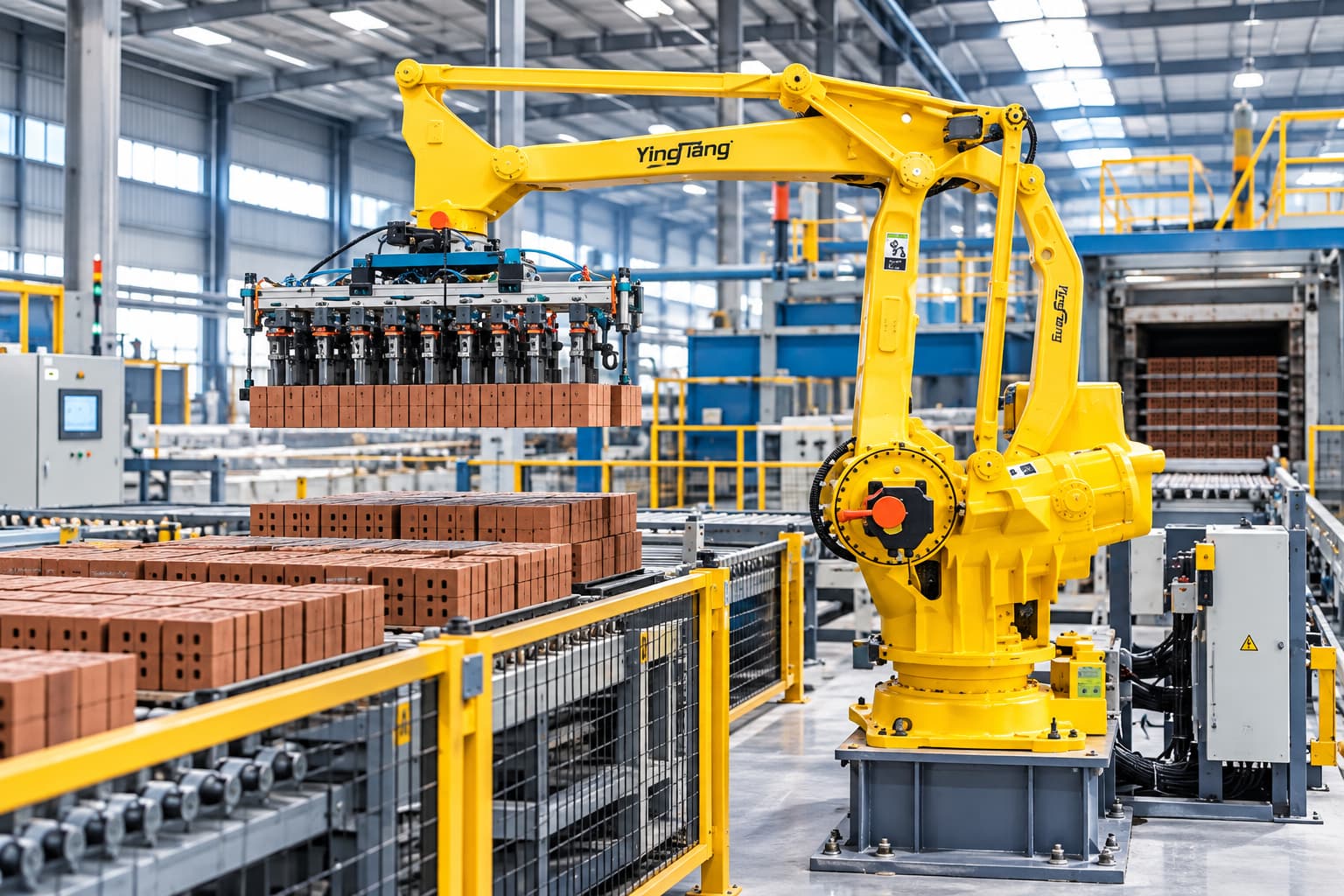
Traditional manual temperature and humidity control suffers from low precision and large data deviation, failing to meet modern high-standard brick production requirements. Equipping drying rooms and kilns with intelligent temperature, humidity, and air pressure monitoring systems enables real-time data collection, precise parameter analysis, and automatic operational adjustment. Regular calibration of heating units, exhaust systems, and sensing sensors guarantees parameter accuracy and avoids quality fluctuations caused by equipment errors. Meanwhile, standardized staff training ensures consistent drying and firing operations, eliminates human error, and builds a complete closed-loop management system based on equipment optimization, standardized operation, and intelligent monitoring.
Unlike temporary single-process adjustments, systematic equipment upgrading and standardized operational management fundamentally eliminate irregular brick breakage induced by equipment defects and human mistakes. This advanced management mode achieves long-term, stable reduction of brick breakage rates, improves finished brick quality consistency, and enhances the overall production profitability and market competitiveness of brick manufacturing enterprises.