
0102030405
Durability and Structural Stability: Clay Bricks vs Traditional Building Materials
2026-09-02
In the global construction industry, the choice of building materials directly determines the structural safety and service life of engineering projects. Traditional building materials including concrete blocks, hollow bricks, and lightweight wall panels have long been widely used in civil and commercial construction. However, their inherent structural defects and aging limitations gradually expose drawbacks in long-term engineering applications. As a classic high-performance building material, clay bricks stand out from traditional alternatives with superior durability and structural stability, becoming the preferred choice for long-cycle construction projects worldwide.
1. Outstanding Compressive Strength & Structural Integrity
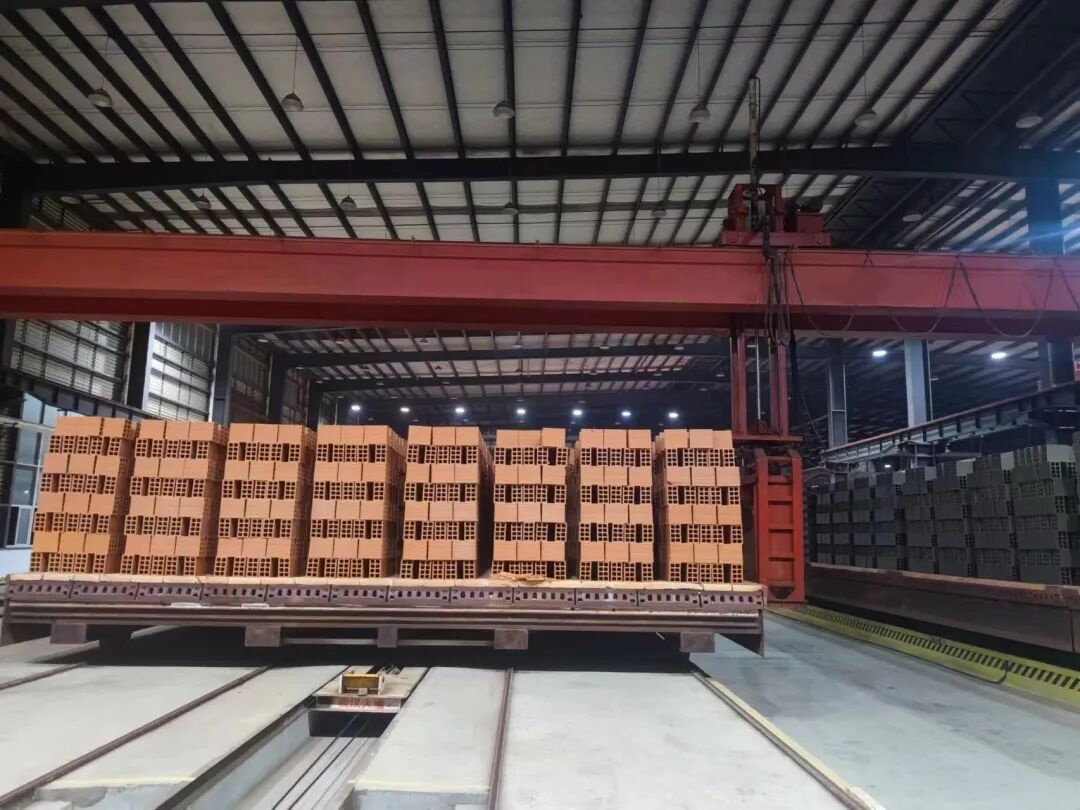
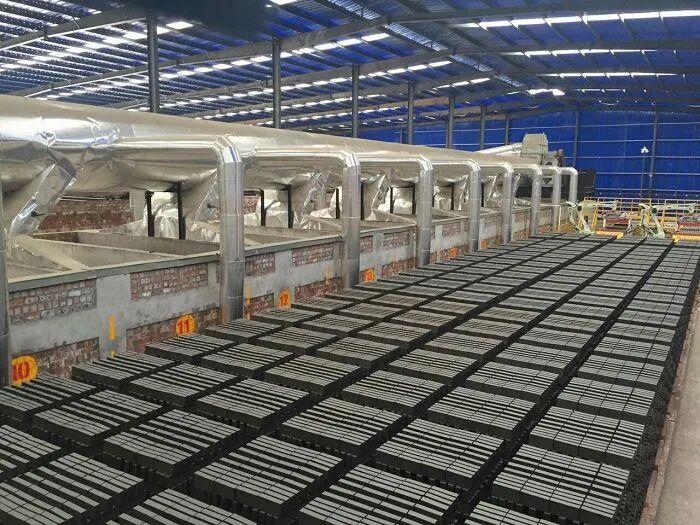
Structural bearing capacity is the core indicator of building material reliability. Traditional hollow concrete blocks have loose internal structures and uneven stress bearing, with an average compressive strength of only 30–50 MPa. Long-term wind and rain erosion easily causes wall cracking, hollowing, and structural deformation. In contrast, fired clay bricks adopt high-temperature sintering technology, with a dense and uniform internal structure. Their compressive strength can reach 50–110 MPa, maintaining stable structural performance under long-term load pressure.
Independent construction material aging tests show that clay brick buildings can retain 95% structural integrity after 75 years of service, while concrete block buildings only maintain 82% and lightweight traditional wall materials drop to 68%. This significant advantage makes clay bricks suitable for high-standard projects such as residential buildings, commercial villas, industrial plants, and municipal infrastructure.
2. Super Weather Resistance & Anti-Aging Performance
Buildings are exposed to complex natural environments all year round, and freeze-thaw cycles, high temperature, rainwater erosion, and ultraviolet radiation are the main factors leading to material aging. Most traditional building materials have poor freeze-thaw resistance, and water penetration easily causes internal frost heave, peeling, and pulverization, requiring frequent maintenance and repair.
Clay bricks feature ultra-low water absorption (below 4.5%) and excellent freeze-thaw resistance, withstanding more than 100 freeze-thaw cycles without structural damage. Whether in high-latitude cold regions or tropical high-temperature and rainy areas, clay bricks can effectively resist natural erosion, avoid wall peeling, color fading, and structural loosening, and greatly extend the overall service life of buildings.
3. Stable Dimensional Stability & Low Deformation Rate
Traditional building materials are prone to thermal expansion and contraction deformation due to material characteristics, resulting in wall cracks, tile falling off, and paint cracking, which affect building aesthetics and structural safety. After high-temperature integral sintering, clay bricks have extremely stable physical properties, with a negligible thermal expansion coefficient and no obvious deformation in extreme temperature changes.
This stable dimensional stability ensures the flatness and integrity of building walls, reduces subsequent construction repair costs, and perfectly adapts to various complex construction environments and long-term use scenarios.
FAQ
Q1: Are clay bricks more durable than concrete blocks?
A1: Yes. High-temperature sintered clay bricks have denser structures and higher compressive strength. They can maintain stable performance for more than 70 years, far exceeding the service life of ordinary concrete blocks and hollow bricks, with lower aging and damage rates.
Q2: Can clay bricks adapt to extreme weather conditions?
A2: Absolutely. Clay bricks have excellent freeze-thaw resistance, high-temperature resistance, and rain erosion resistance. They are suitable for cold, hot, humid, and dry global climates without easy aging or damage.
Q3: Do clay brick walls crack easily?
A3: No. Clay bricks have stable dimensional stability and low thermal expansion and contraction deformation. Compared with traditional lightweight building materials, they effectively avoid wall cracking, hollowing, and peeling problems.
Q4: Are clay tiles and ECP panels as durable as solid clay bricks?
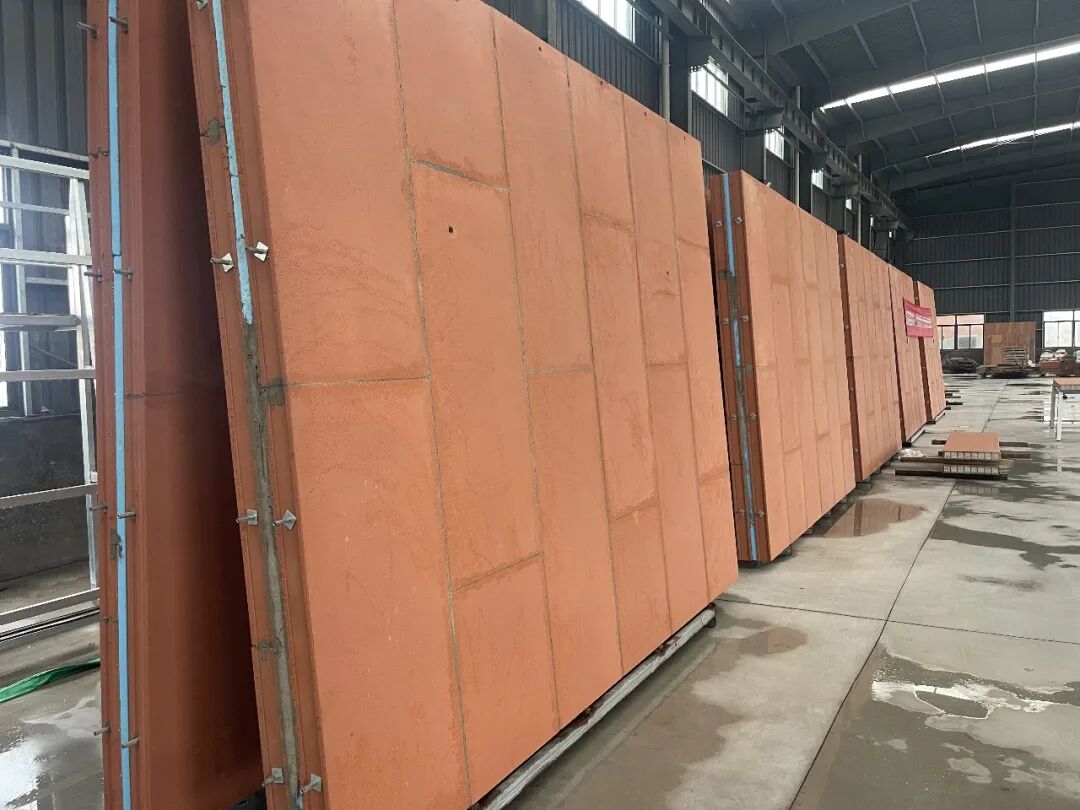
A4: Yes. Professional sintered clay roof tiles feature high hardness and anti-aging performance, maintaining intact roof protection for decades. Our ECP panels adopt optimized fiber cement composite technology, with stable structure and strong impact resistance, matching the durable standard of traditional clay brick systems.