Drying Mechanism and Technical Optimization of Fired Brick Production
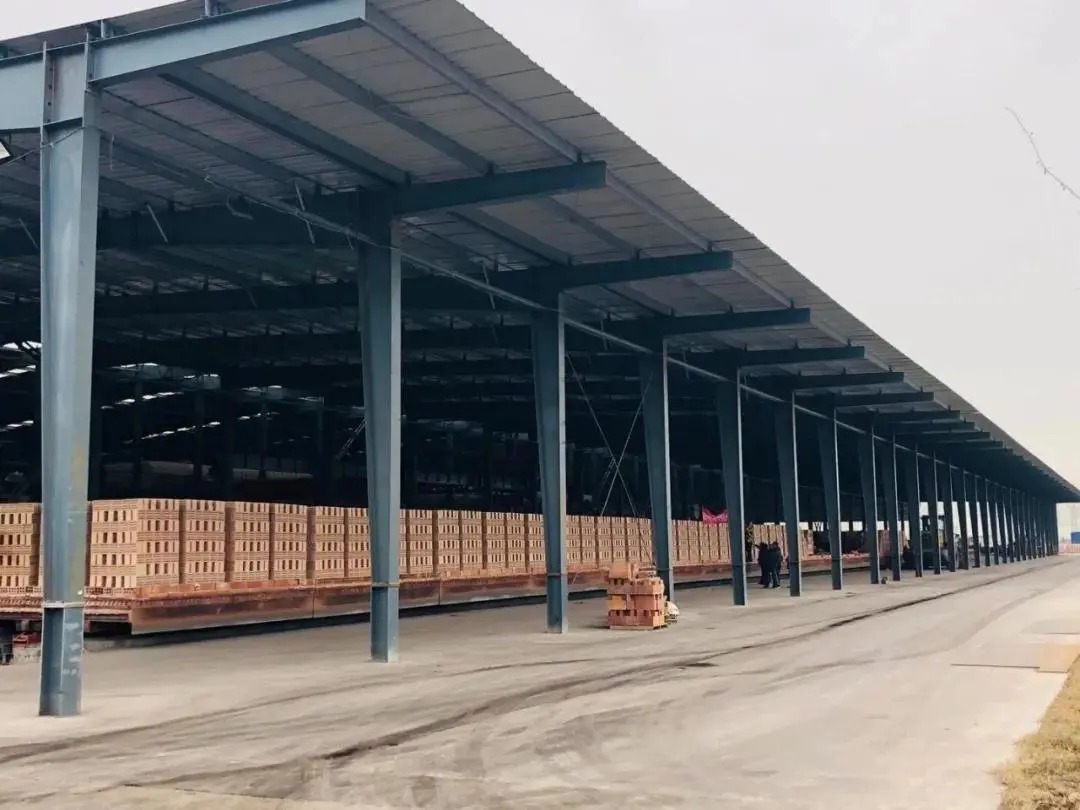
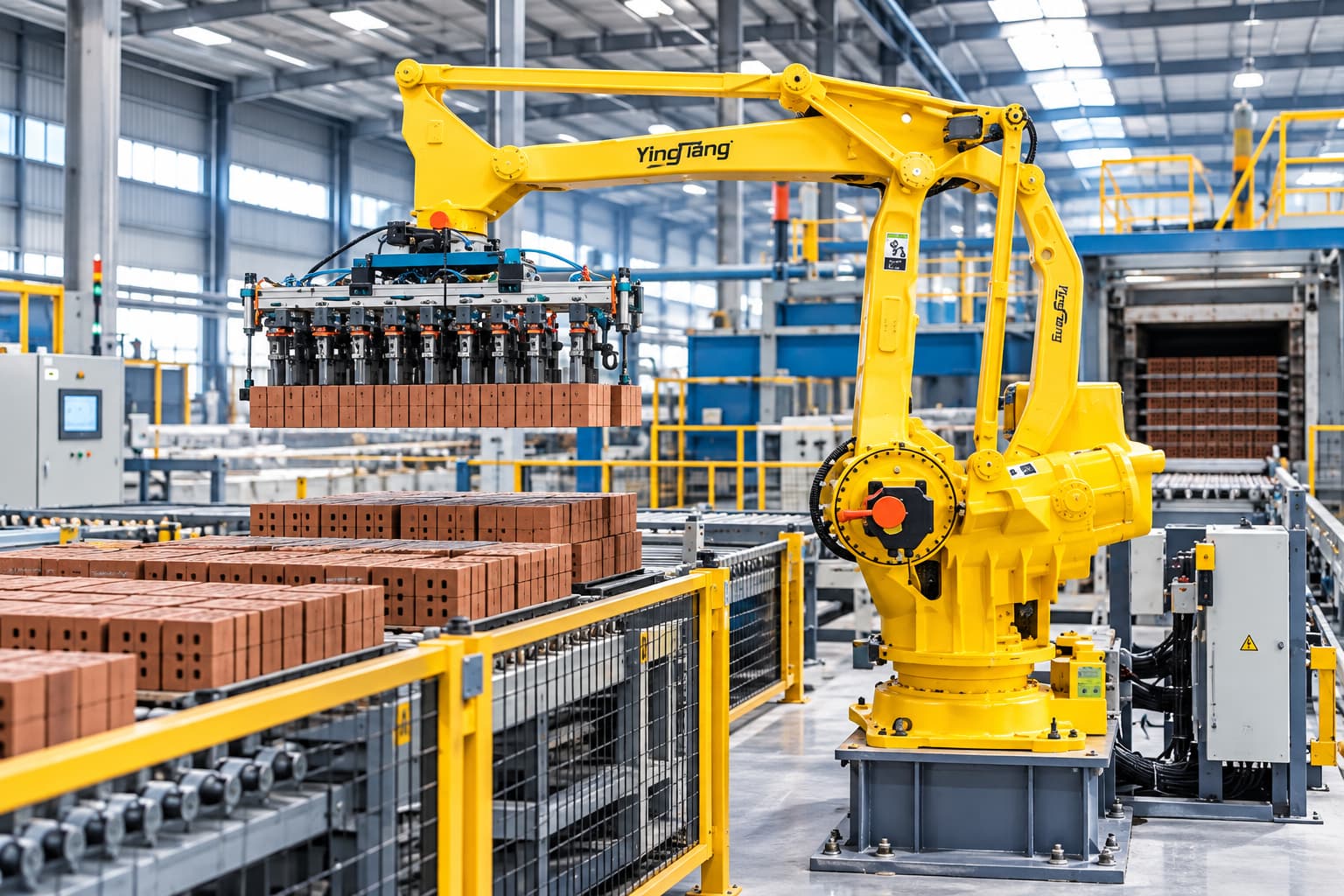
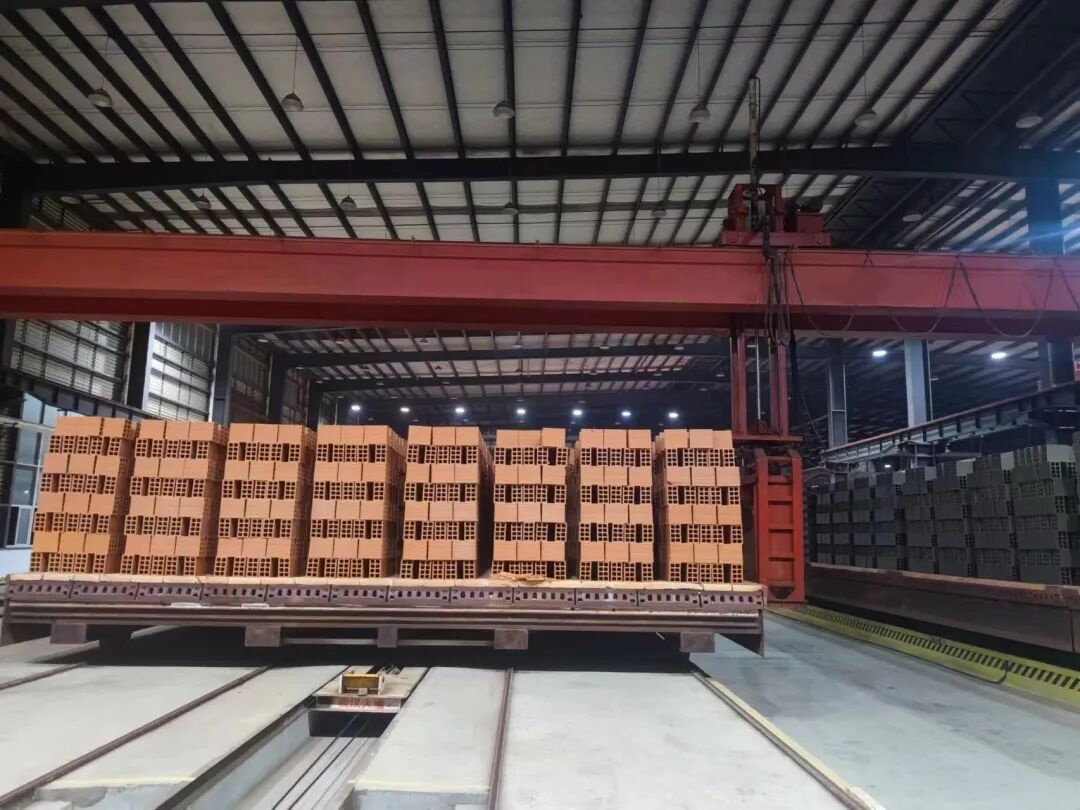
In the fired brick manufacturing industry, most production quality and output problems stem from unreasonable drying technology rather than kiln firing defects. As a key intermediate process between brick molding and high-temperature firing, green brick drying determines the structural stability and yield of final fired bricks. All types of brick production lines, from traditional manual natural drying equipment to fully automatic tunnel kiln production lines, are restricted by green brick drying performance.
To optimize the drying process, manufacturers must first clarify the composition and characteristics of green brick moisture. From the perspective of drying technology, brick moisture can be classified into removable free moisture and non-removable equilibrium moisture under fixed drying conditions. Meanwhile, it can be divided into free moisture, adsorbed moisture and chemically bound moisture according to physical and chemical properties. Free moisture is the main moisture removed in the drying workshop; excessive free moisture is the primary cause of brick cracking and deformation. Adsorbed moisture maintains dynamic balance with the external environment, while chemically bound moisture can only be eliminated in the high-temperature preheating stage of the firing process.
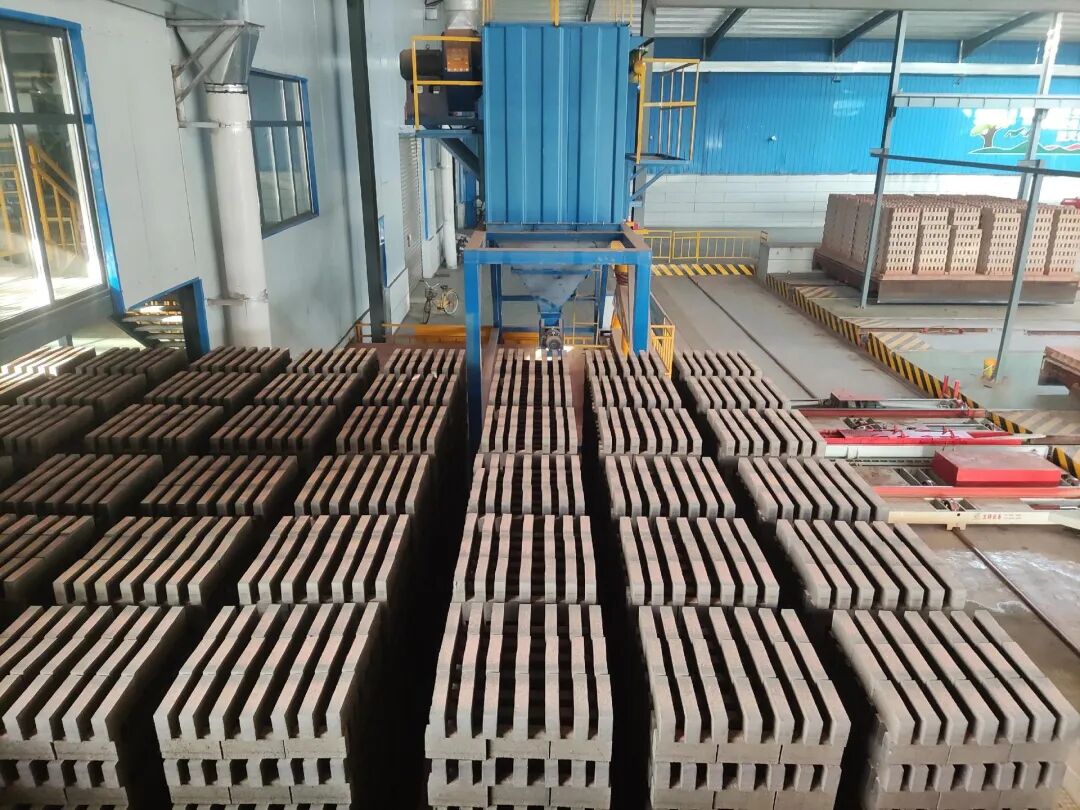
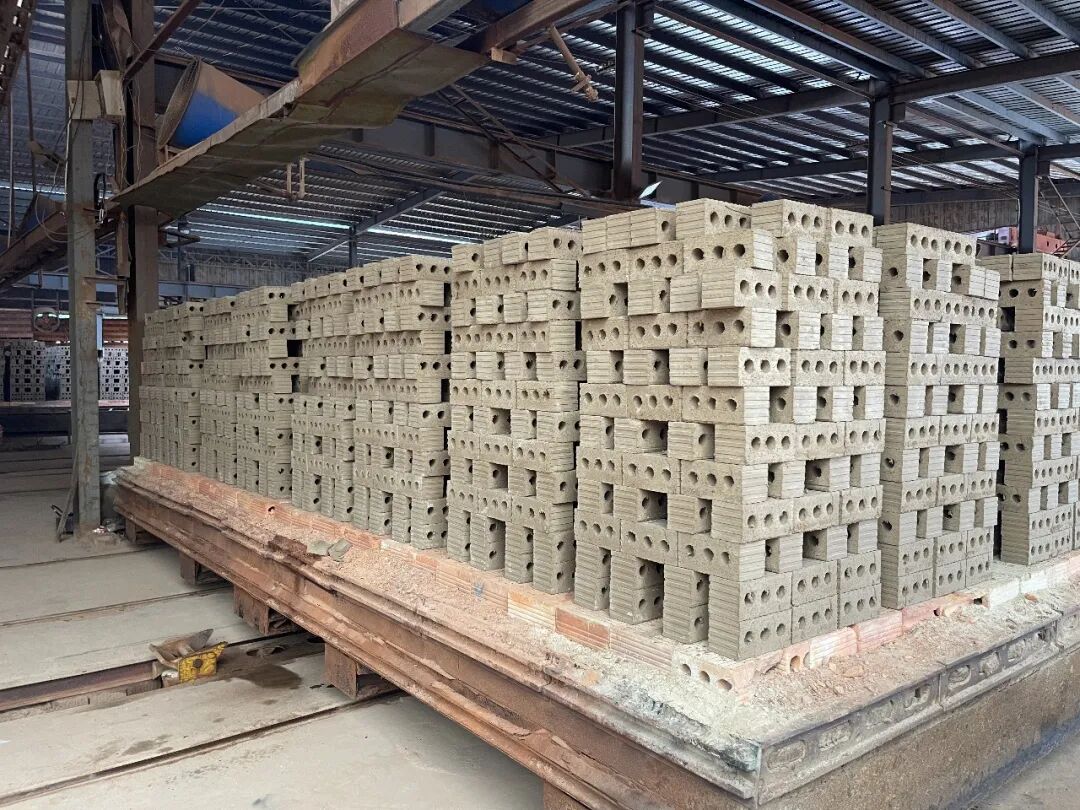
Unstandardized molding operation is a common cause of excessive green brick moisture. Blindly increasing production speed will reduce extrusion molding pressure, resulting in loose brick body structure and higher moisture content. In addition, over-stacking green bricks will cause compressive deformation of bottom wet bricks, leading to a large number of defective products after firing. Standardized low-moisture molding and scientific stacking are basic prerequisites for high-efficiency drying and high-yield production.
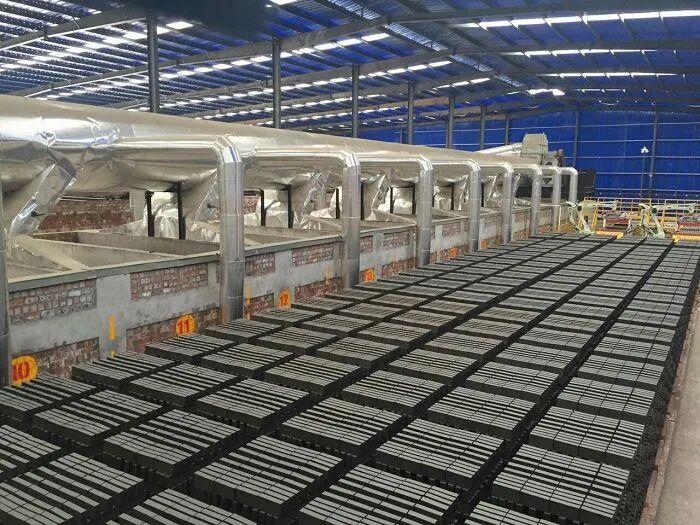
The core of brick drying technology lies in the coordinated operation of heat transfer and mass transfer. The whole drying process relies on hot flue gas and waste heat media to realize heat exchange and moisture migration. Heat transfer enables the brick surface to reach the evaporation temperature, while internal and external moisture diffusion continuously removes internal moisture until the brick body reaches a stable dry state.
The four classic drying stages have different technical characteristics: the accelerated stage features rapid temperature rise and fast moisture evaporation with short duration; the constant-rate stage keeps the brick surface continuously wet with stable drying speed; the falling-rate stage reduces heat consumption and increases brick surface temperature with slowed moisture loss; the equilibrium stage means the brick moisture reaches a balanced state with zero drying speed.
Practical production verifies that the air volume and flow rate of drying media are more decisive than single temperature index for drying efficiency. Many production lines with high hot air temperature fail to achieve good drying effects due to insufficient air supply and inadequate heat supply in the drying chamber. In contrast, production lines with sufficient airflow can make full use of heat energy to complete uniform and efficient drying even with relatively lower hot air temperature.
FAQ
Q1: What is the principle of fired brick green body drying?
A1: Fired brick drying is a dual process of heat transfer and mass transfer, realizing internal and external moisture diffusion and evaporation through hot drying media.
Q2: Why high temperature does not equal high drying efficiency in brick production?
A2: Drying efficiency depends on total heat supply determined by temperature and air volume. Insufficient airflow leads to insufficient total heat, resulting in poor drying effect even with high temperature.
Q3: How to reduce defective bricks caused by drying problems?
A3: Optimize extrusion molding pressure to control green brick moisture, standardize stacking height, and adjust drying medium temperature and airflow parameters scientifically.