
Do Not Misjudge Fired Brick Plant Capacity: The Bucket Short Board Theory for Full Fired Wall Material Production Line
Many brick factory investors make a typical mistake: they only focus on the nominal daily output of fired brick, ignoring the whole-system turnover logic. The production of fired wall materials is a complete system project. Every production step links tightly. The bucket short board principle applies fully: the profitability of your brick plant is determined by the weakest process link, not the strongest equipment.
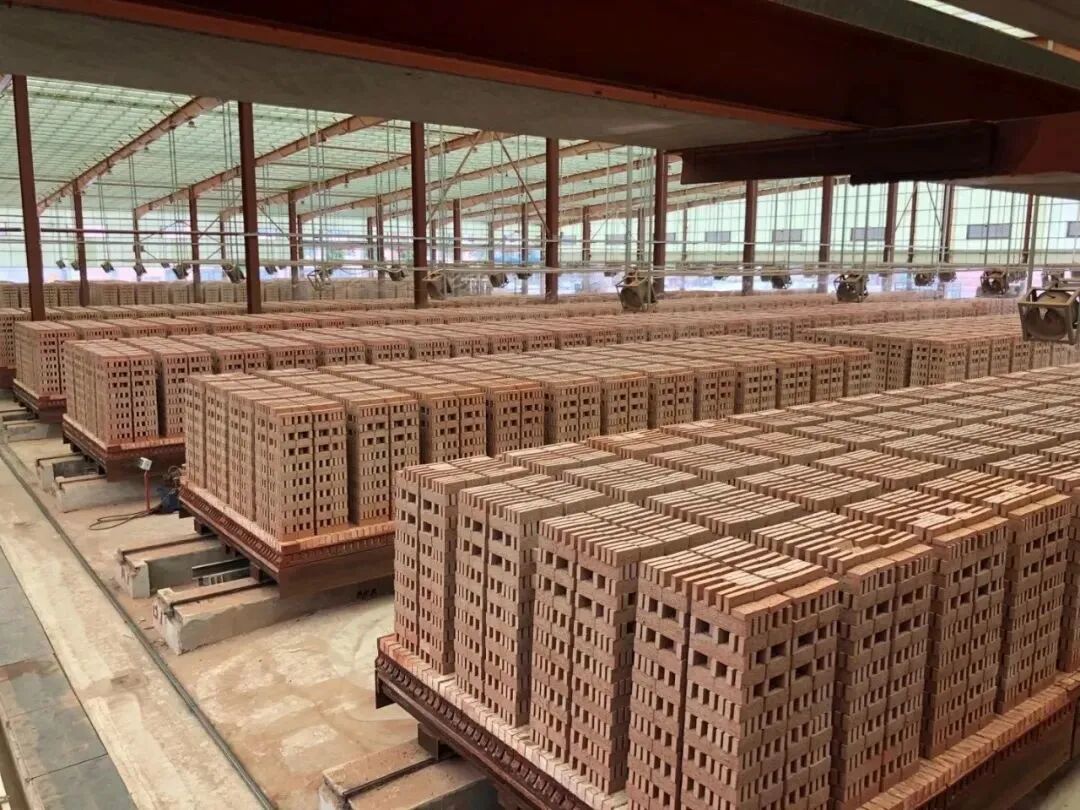
Many owners ask for daily capacity of 500,000 or 800,000 finished bricks at the planning stage. Few realize that the total turnover volume of raw materials and green bricks inside the plant can reach 5 million to 8 million pieces every day. We analyze weak points existing in each stage of brick manufacturing.
Raw Material Storage and Raw Material Processing
Raw material source decides the requirement for stockyard. Non-local raw materials require multiple stock areas. Raw material processing capacity must be higher than target daily output, with working time limited to 8–10 hours. Equipment selection covers crushers, roller screens, belt conveyors and magnetic separators. Maintainability is critical. Heavy equipment still becomes bottleneck if maintenance work takes too long. Many brick plants lack lifting equipment, manual handling of heavy screen plates leads to unstable maintenance team.
Aging Silo
Aging silo provides buffer storage for raw materials. Recommended capacity is 2–3 times daily output with 72-hour aging time. It guarantees continuous raw material supply when crushing equipment stops for repair. For hard and sandy raw materials, anti-seepage design prevents uneven moisture. Soil kneaders after mixing improve raw material uniformity.
Extrusion and Forming Process
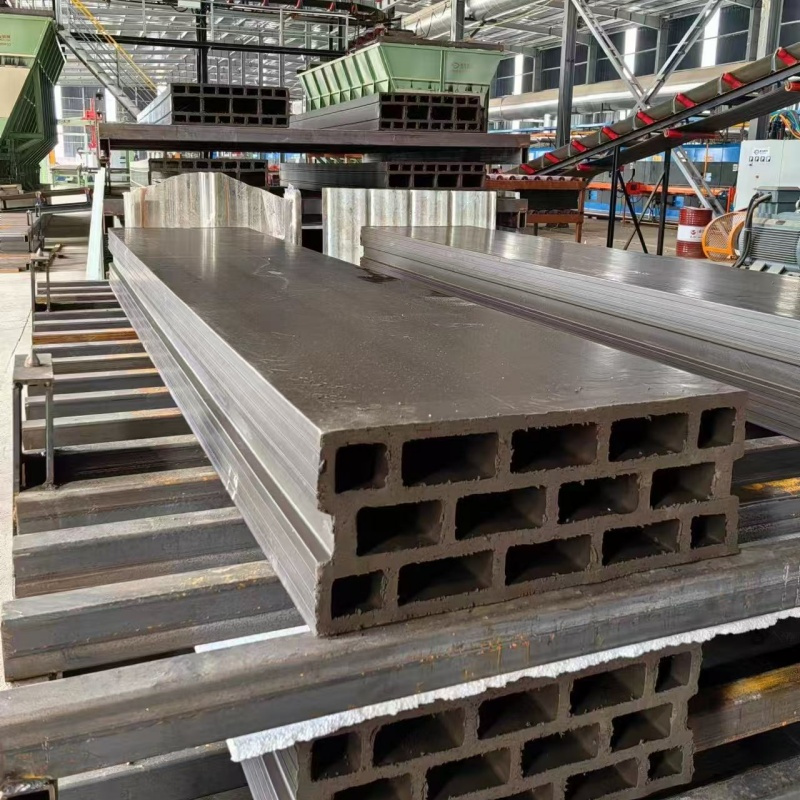
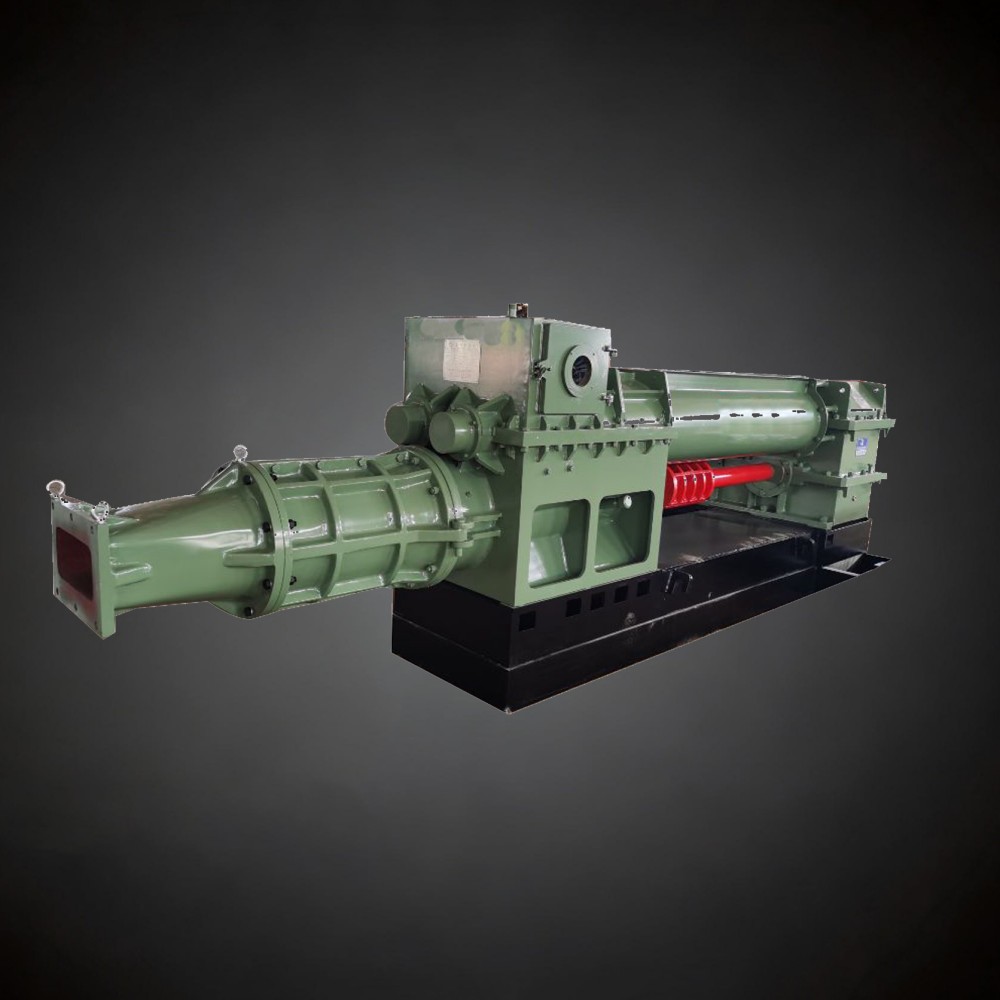
Vacuum extruder, cutting and brick stacking machine are core forming equipment. Identical equipment delivers different results under different raw materials and climate. In Lanzhou, many brick plants copied production experience from central China. Green brick forming looked good, yet drying and firing performance was poor, reject rate high, output dropped heavily, forming a critical short board.
Drying Chamber and Kiln Configuration
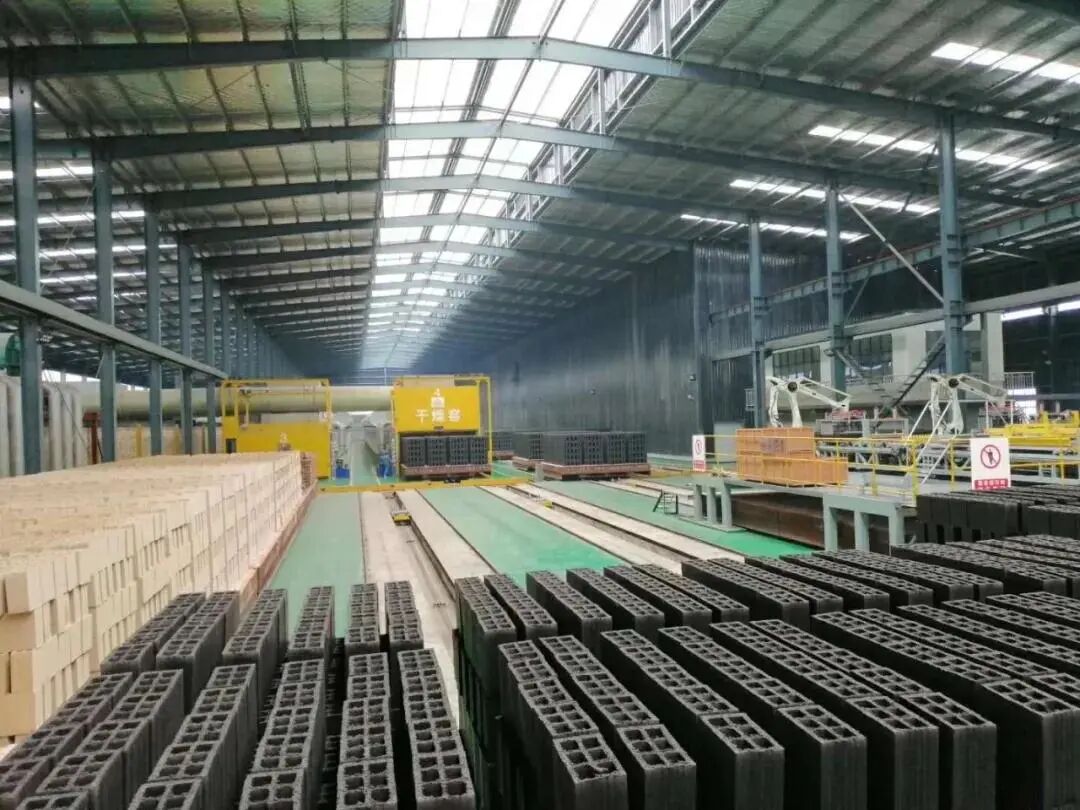
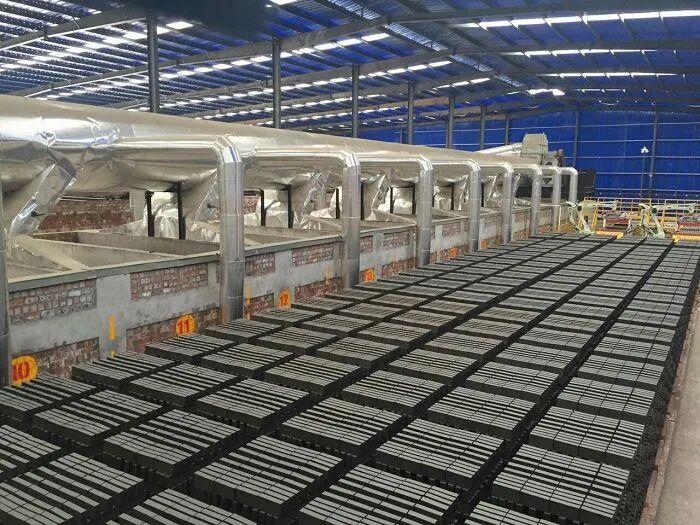
Tunnel kiln can adopt multiple drying-firing combinations. Direct drying direct firing suits solid bricks made from high-plasticity shale or coal gangue. Raw materials with high drying sensitivity cannot adopt this design, as it will create permanent defects.
Extremely dry climate causes green body cracking. In Kuitun Xinjiang, operators lower the workshop and shelter height, hang curtains to raise humidity and adopt 1.5 times brick stacking layout, and kiln car quantity needs to increase accordingly.
Drying heat sources include flue gas drying, waste heat drying and combined drying. High sulfur raw materials are not suitable for flue gas drying. Combined drying method saves fuel and power for low-sulfur raw materials.
For moisture exhaust, pure centralized exhaust consumes high power. The optimized solution is combined decentralized and centralized exhaust with positive pressure as primary and negative pressure as auxiliary. Many rotary tunnel kiln drying systems have unreasonable design and high fan power consumption.
Kiln Firing and Kiln Operators
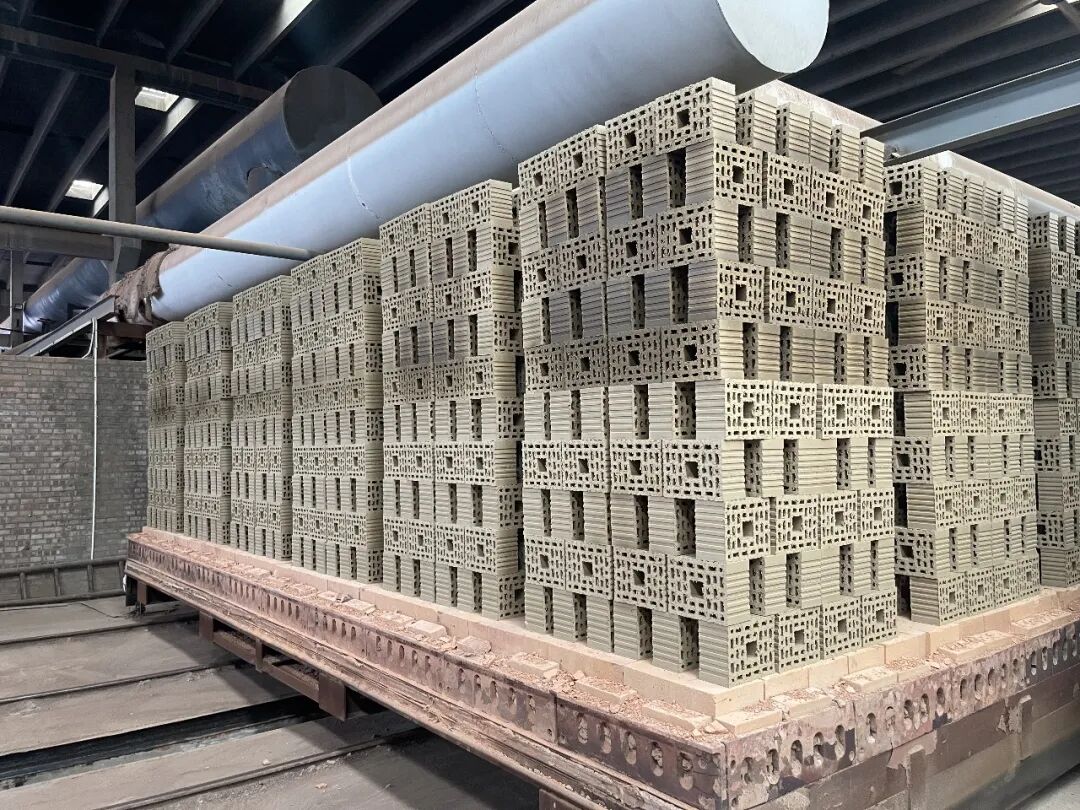
Kiln quality and fuel consumption are fixed in design and construction phase. Main kiln types: masonry tunnel kiln, combined tunnel kiln, rotary tunnel kiln. Rotary tunnel kiln solves cross-section temperature difference; traditional tunnel kiln has higher brick loading density, but it has inherent structural defects which may burn kiln cars.
A qualified kiln operator should be a kiln adjustment specialist rather than only a flame observer. The rule 70% brick quality comes from brick stacking, 30% from firing should be remembered. Operators must avoid coal feeding and opening fire holes at high-temperature kiln car joints, which will damage kiln cars seriously.
Auxiliary Facilities: Loading Lane and Finished Yard
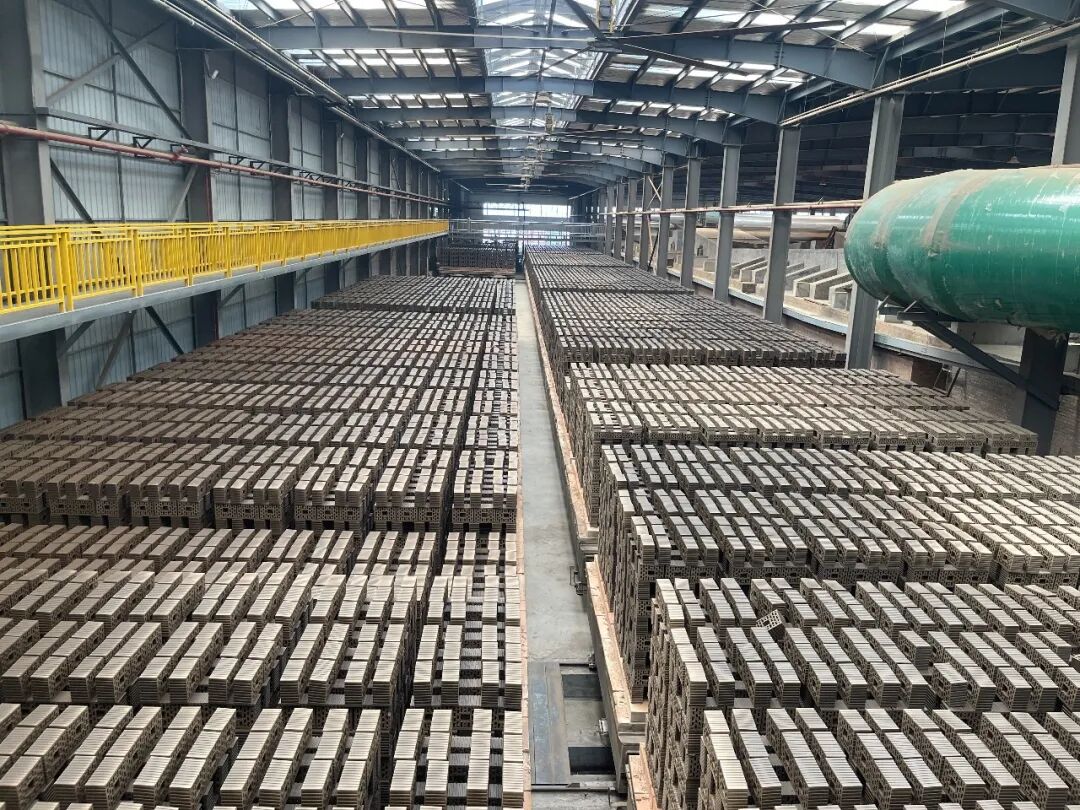
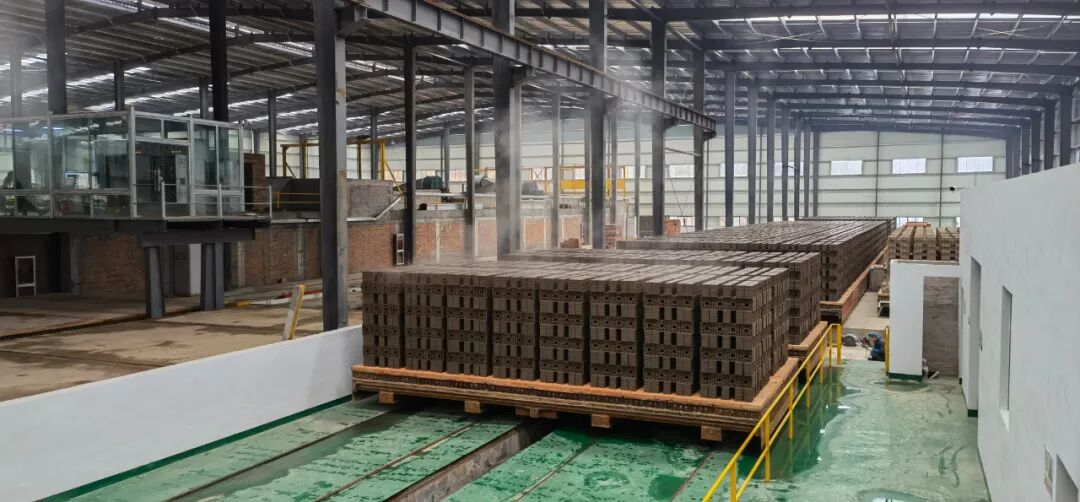
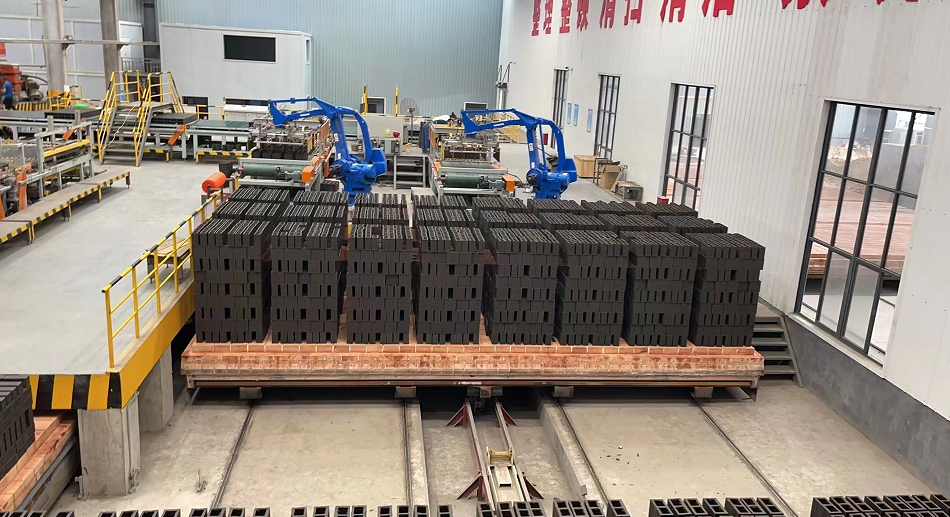
Auxiliary facilities are easy to overlook. One kiln with 4-drying-3-firing layout only has one loading lane without room for expansion. The kiln can never run full capacity. Loading stations, packing stations must be calculated according to designed output.
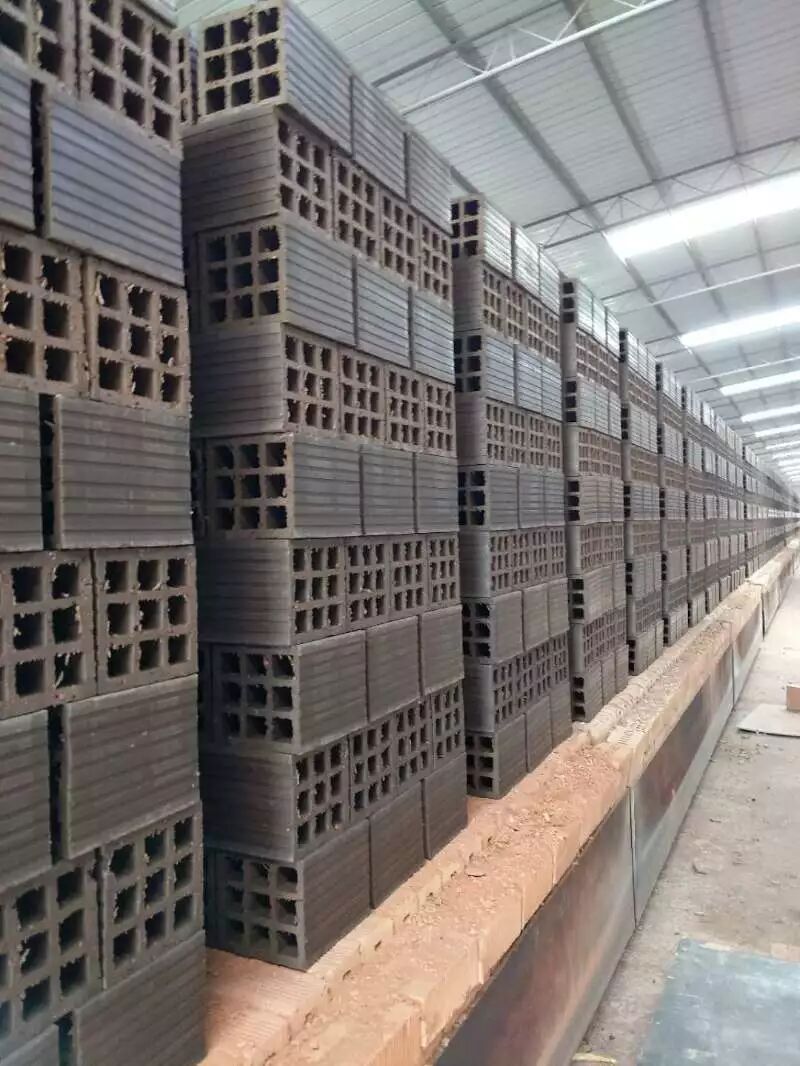
Finished product yard is another major bottleneck. Limited yard space forces production reduction in rainy seasons. Hollow brick projects need larger storage space, and insufficient yard is a difficult-to-fix short board.
Raw Material Testing and Environmental Protection Facilities
Raw material chemical analysis must be carried out before investment. Raw materials with high sulfur will bring heavy environmental pressure. High calcium, potassium oxide and magnesium oxide cause brick deliquescence and efflorescence. Many desulfurization towers fail due to insufficient understanding of kiln fluid mechanics. Horizontal plus vertical flue desulfurization has better performance. Natural gas fired kilns provide cleaner production options.
Conclusion
To reach the designed daily output of a tunnel kiln brick plant, all links must satisfy capacity matching rules:
- Raw material stock: multiple times daily output
- Raw material processing ≥1.5× daily output
- Aging capacity: 2–3× daily output
- Extrusion system: 1× daily output within 8–12h
- Green brick storage:1.5–2× daily output
- Empty kiln car ≥0.5× daily output
- Drying capacity:1× daily output
- Firing capacity:1× daily output
- Finished transport lane ≥0.75× daily output
- Loading station ≥0.3× daily output
- Finished yard: multiple times daily output
Total material and green brick turnover can reach dozens of times finished brick daily output. A plant targeting 500,000 bricks per day may need total turnover up to 5 million pieces.
Fired wall material manufacturing is a systematic project covering raw material preparation, processing, extrusion, stacking, drying, firing and finished storage. The profit potential of your brick factory is restricted by the weakest production link.
FAQ
Q1: Why total turnover volume is much higher than finished brick daily output in a fired brick plant?
A: Brick production requires buffer stock in raw material yard, aging silo, green brick storage, kiln cars and finished yard. All semi-finished and raw materials are circulating in the whole system, so total turnover can reach 5–10 times finished daily output.
Q2: What is the biggest risk when selecting rotary tunnel kiln?
A: Focus on drying chamber design, moisture exhaust system and kiln car matching. Poor drying design is a common irreversible short board for rotary tunnel kiln projects.
Q3: What pre-work must be done before building a new fired wall material plant?
A: Complete raw material multi-sample lab analysis, full process capacity calculation, climate assessment, kiln type selection and environmental scheme design before civil construction.