
Cost‑Effective Brick Production: Coal Gangue vs Kaolin for Clay Fired Bricks
Selecting cost‑effective brick production raw materials is critical for brick plant profitability. When producing clay fired bricks, many manufacturers hesitate between coal gangue and kaolin as auxiliary raw materials. Which one brings better comprehensive output?
From real‑world brick‑making practice: for fired bricks with clay as main feedstock, coal gangue shows better practical performance and higher cost‑efficiency. Please note coal gangue and kaolin serve different technical purposes; you are not forced to choose only one option.
Coal Gangue: Dual‑Purpose Raw Material for Internal Combustion & Brick Skeleton
Coal gangue works as both fuel source and structural skeleton for green bricks. Its practical merits for cost‑effective brick production are listed below:
- Built‑in calorific value: Residual carbon in coal gangue burns inside kilns. This internal combustion feature greatly cuts external coal consumption for brick firing. This is its most competitive advantage.
- Low‑cost waste resource: Coal gangue is coal‑mining residue. In many regions, factories acquire it at very low expense. Relevant tax incentives are available for comprehensive solid‑waste utilization.
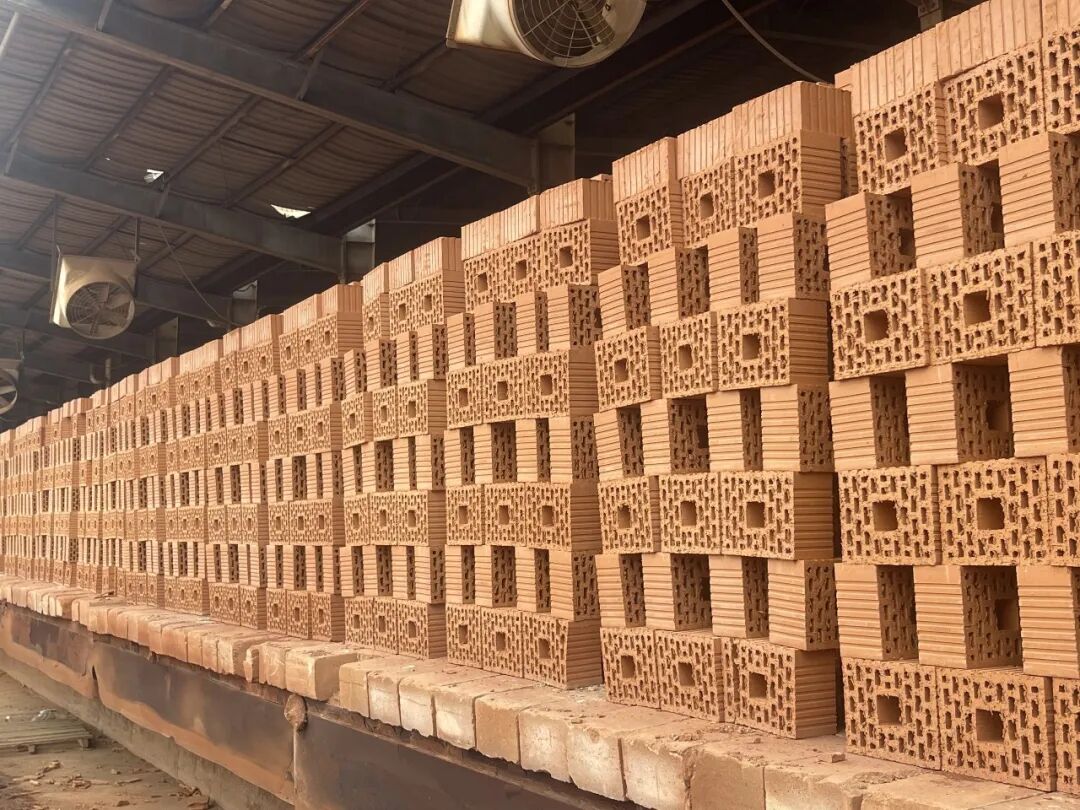
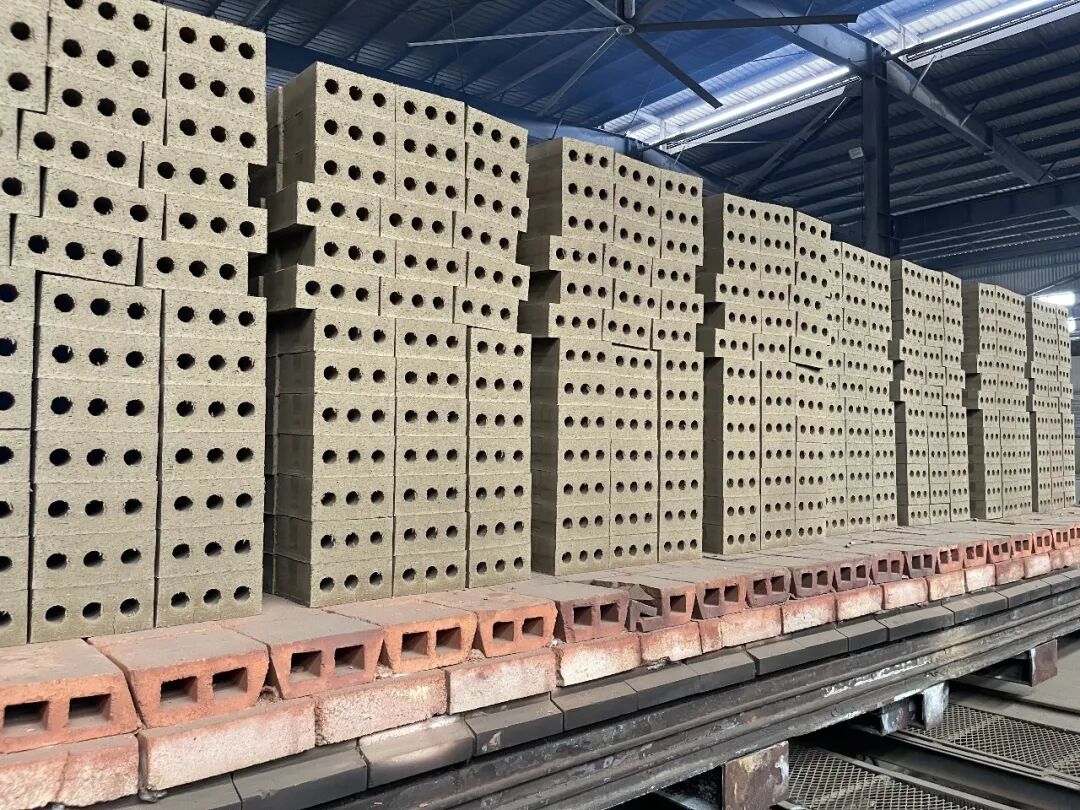
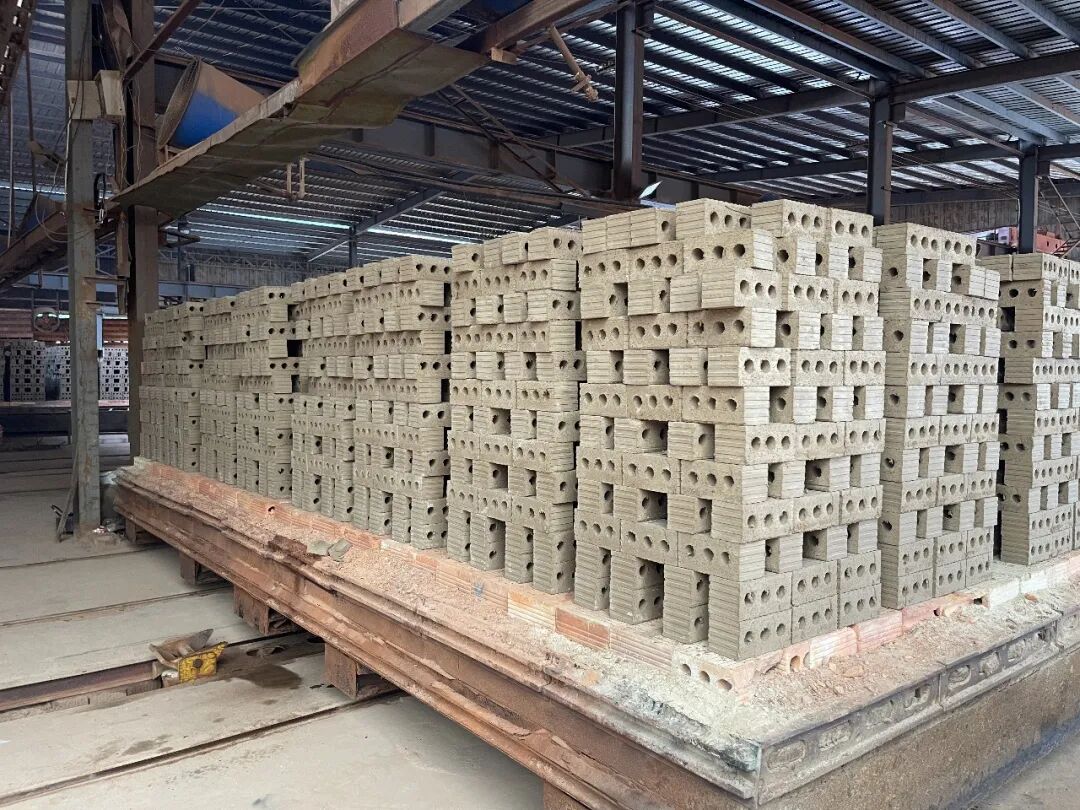
- Stable finished‑brick strength: With proper formulation, produced fired perforated bricks reach strength grades MU15‑MU25, satisfying load‑bearing construction requirements.
- Optimized thermal insulation: Carbon combustion generates micro‑pores inside brick bodies, reducing thermal conductivity and improving insulation performance compared with pure clay bricks.
Important operational notes for coal gangue:
- Keep mixing ratio under 30% for stable brick quality. Excessive proportion causes various defects.
- Crush coal gangue particles down below 0.25 mm. Oversized particles result in lime popping.
- Avoid coal gangue with high CaO value, which triggers brick cracking and surface efflorescence.
- Perform component testing before feeding. Recommended chemical range: SiO₂ 50%‑70%, Al₂O₃ 10%‑20%.
- Install flue‑gas desulfurization facilities if sulfur content of raw material is high.
Kaolin: Specialized Quality‑Boosting Additive Without Fuel‑Saving Benefit
Kaolin is a specialized additive for improving brick quality, but it cannot help you save firing fuel in cost‑effective brick production.
Advantages of kaolin:
- High Al₂O₃ content promotes mullite formation under high‑temperature sintering, improving brick compressive strength and ceramic degree.
- High whiteness fits light‑coloured decorative bricks and fair‑faced bricks.
- Enhance chemical stability and long‑term service life of brick products.
Disadvantages of kaolin:
- Zero heating value. Adding kaolin will not reduce fuel consumption and increases material cost.
- Much higher purchase price compared with coal gangue.
- Plasticity is poorer than ordinary clay. High addition percentage will cause extrusion moulding difficulties.
For regular mass‑produced fired perforated bricks, kaolin is over‑specified. It is suitable for high‑end decorative facing bricks, or minor addition when base clay lacks enough Al₂O₃ content.
Dual‑Material Blending Alternative
If production conditions allow, you can blend coal gangue and kaolin together. Coal gangue delivers internal combustion energy, while kaolin upgrades final brick quality. Still, when comparing single‑additive application, coal gangue achieves much better cost‑performance for perforated brick manufacturing.
FAQ
Q1: Can coal gangue completely replace clay when producing fired perforated bricks?
A: Not advised. This article focuses on clay‑based formula; coal gangue acts as auxiliary blended material instead of main raw material.
Q2: Why kaolin cannot cut firing cost for perforated brick manufacturing?
A: Kaolin contains no combustible carbon, so it provides zero heat during kiln sintering.
Q3: What are common quality defects caused by improper coal gangue blending?
A: Lime popping, efflorescence, brick cracking, over‑burning deformation and unstable compressive strength.