
0102030405
Core Technical Advantages of Modern Tunnel Kilns for Low-Carbon Brick Production
2026-07-10
Global brick manufacturing is facing stricter low-carbon policies and rising energy prices. Reducing carbon emissions and cutting fuel costs have become two core goals for brick factory operation and upgrading. As the mainstream low-carbon firing equipment in the international brick and tile industry, modern tunnel kilns rely on five core technical advantages to help global manufacturers solve high energy consumption, low output and unqualified environmental compliance problems.
First, continuous stable thermal circulation eliminates intermittent heat loss. Traditional batch kilns need to cool down completely after each production cycle, resulting in massive residual heat waste and repeated heating energy consumption. Modern tunnel kilns maintain 24-hour stable internal temperature and air pressure balance. The integrated preheating-firing-cooling operation mode realizes uninterrupted production, fundamentally solving the energy waste pain point of intermittent production.
Second, full closed-loop waste heat recycling maximizes energy utilization. All high-temperature waste heat generated during brick cooling is recycled and reused for green brick preheating and raw material drying, forming a self-sufficient heat supply system inside the kiln. This technology greatly reduces the dependence on external fuel energy. The overall kiln body heat loss per square meter is controlled below 700W, far lower than the global industry average level.
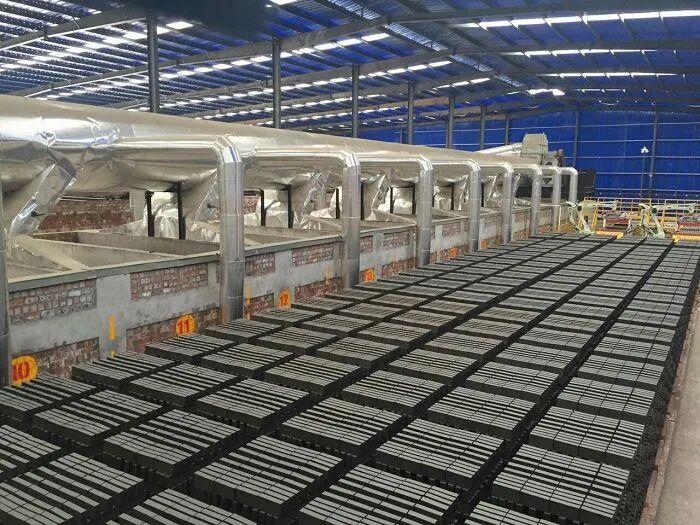
Third, high-efficiency insulation structure realizes long-term heat preservation and energy saving. Export-standard tunnel kilns adopt multi-layer lightweight thermal insulation and refractory materials. Different from ordinary kilns with fast heat dissipation and poor thermal stability, the optimized insulation structure effectively isolates external temperature changes and wind erosion. It maintains consistent internal thermal field in extreme climates, ensuring stable firing quality and continuous energy saving throughout the year.
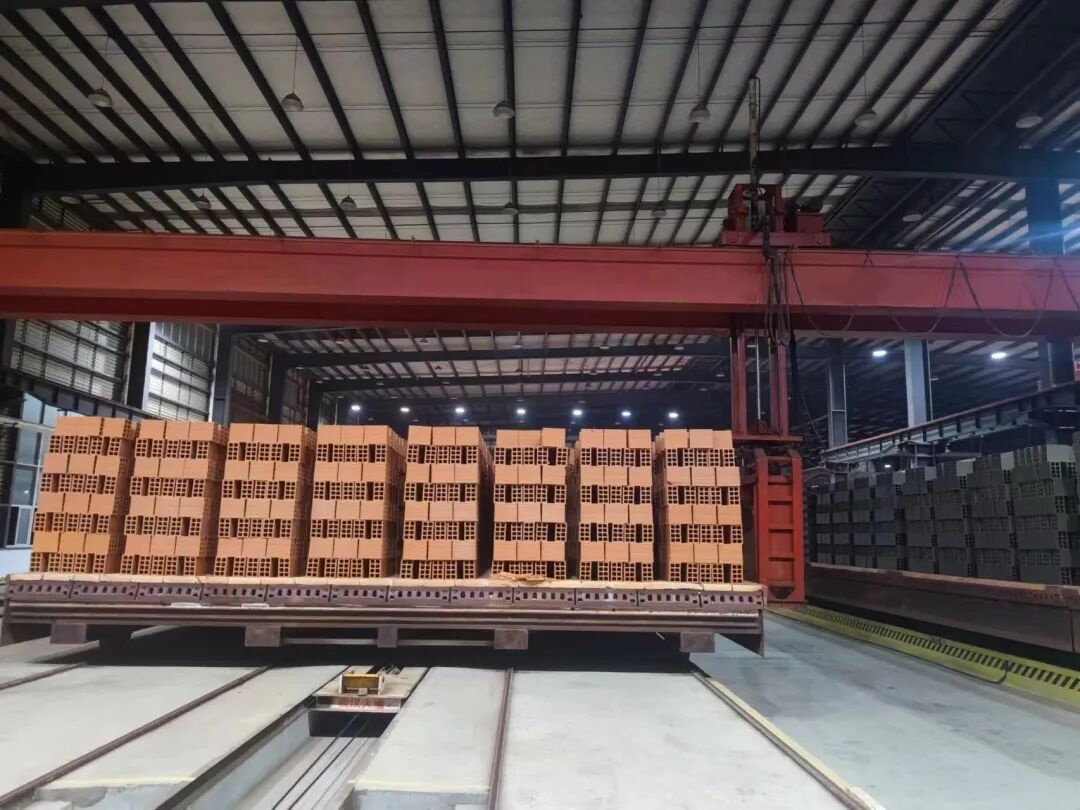
Fourth, intelligent automatic control achieves precise energy saving and stable production. The fully automatic PLC intelligent system realizes one-click intelligent regulation of the whole kiln. It dynamically matches combustion parameters according to real-time production conditions, avoiding energy loss caused by manual operation errors. The automatic kiln car propulsion system realizes seamless docking of brick feeding and finished product discharging, ensuring full-load efficient operation without idle energy consumption.
Fifth, multi-fuel flexible adaptation adapts to global diversified energy structures. Different regions have different energy resource endowments. Modern tunnel kilns support customized combustion systems for solid fuels and clean fuels. It improves local energy utilization rate to the greatest extent, reduces unit production costs, and helps enterprises make full use of local low-cost energy resources to maximize economic benefits.
In terms of environmental protection and long-term operation value, modern tunnel kilns have prominent advantages. The stable sintering environment ensures ultra-high product yield, reducing invalid energy consumption caused by defective products. The low-emission design complies with international environmental protection and carbon tariff policies, helping enterprises avoid policy penalties and achieve green sustainable development. In addition, standardized maintenance can extend equipment service life, greatly reducing long-term investment and operation costs.
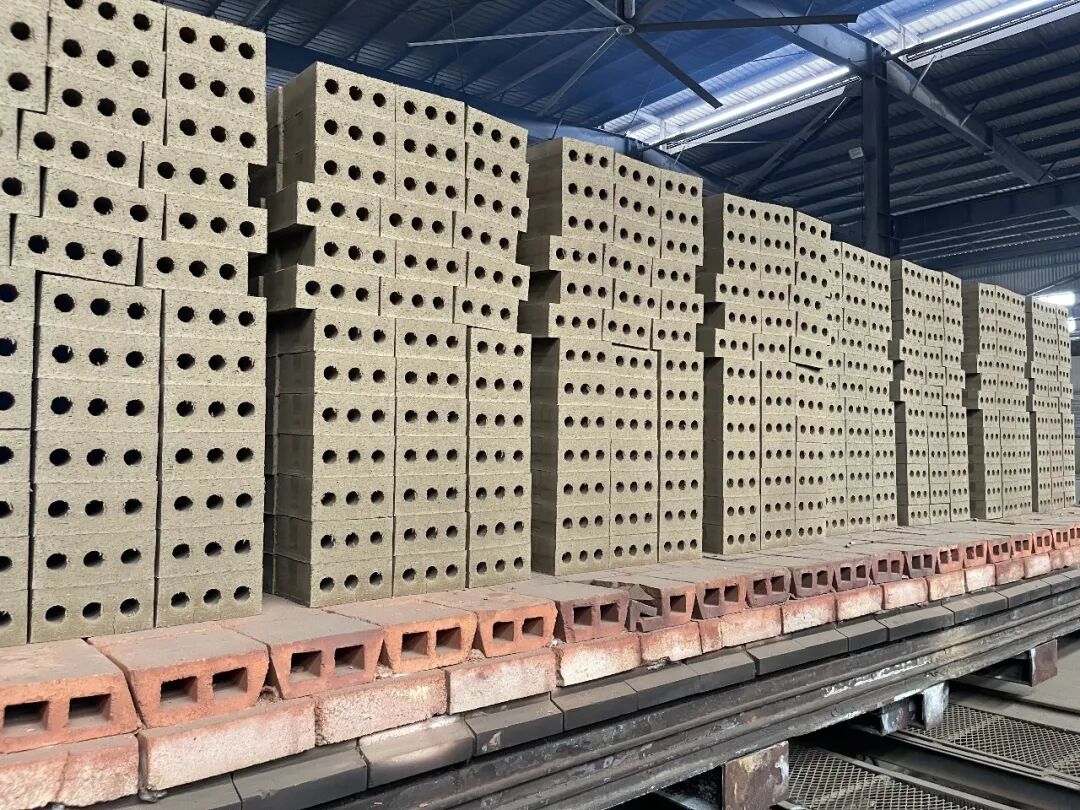
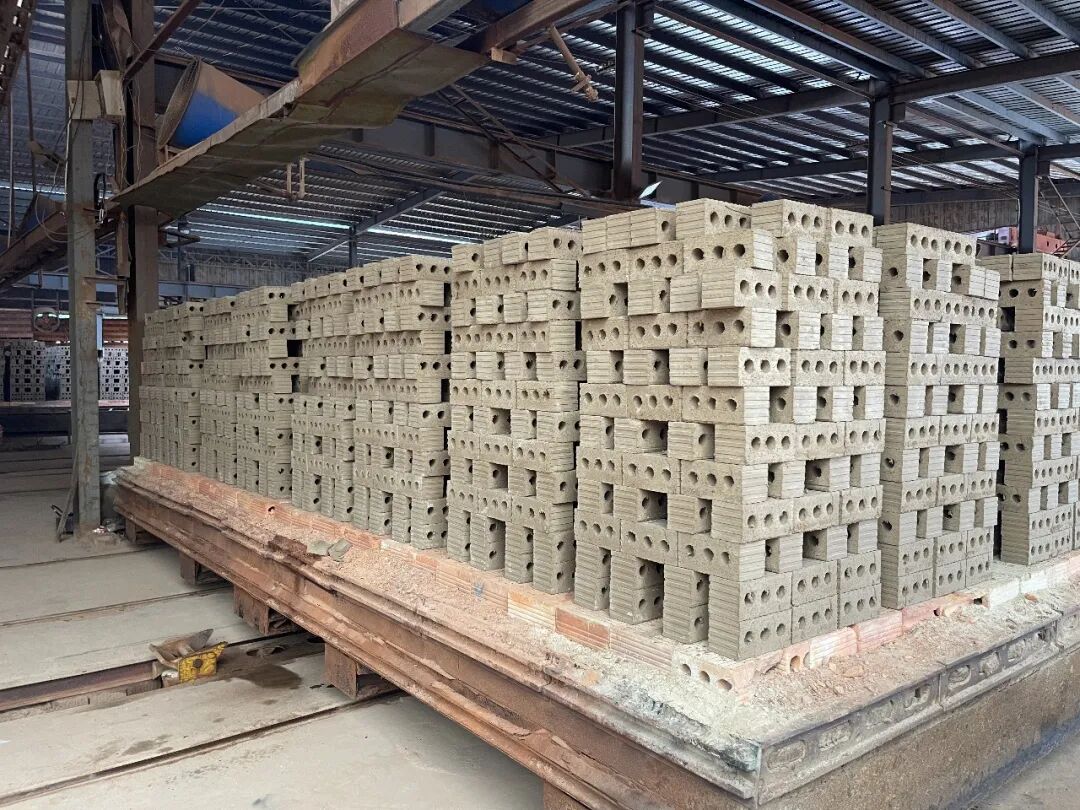
For global brick manufacturers focusing on cost control, low-carbon upgrading and stable production, modern tunnel kilns are the optimal upgrade solution. Suitable for hollow bricks, solid bricks, clay bricks, coal gangue bricks and all mainstream brick production lines, it has become the standard configuration for high-efficiency and low-carbon modern brick factories worldwide.