
0102030405
Core Causes of Severe Overburning and Sticking in Tunnel Kiln Brick Production
2026-08-24
In tunnel kiln brick and tile production, large-area overburning and green brick sticking are frequent production failures troubling brick factories. These defects directly cause finished product scrapping, reduced production efficiency and rising manufacturing costs. As typical kiln firing defects, they are rarely caused by a single factor but result from overlapping problems in raw materials, kiln design, brick stacking technology, ventilation systems and manual operation. Accurately identifying core causes is the key to solving batch overburning and sticking problems and stabilizing firing quality.
First, excessive internal combustion heat of green bricks is the most common trigger for large-area overburning and brick sticking. Many brick manufacturers add internal fuel to green bodies to save energy, but unreasonable fuel proportion will lead to concentrated heat release inside bricks. The sudden heat burst in the high-temperature zone of the tunnel kiln exceeds the standard sintering temperature, causing brick surface liquid phase precipitation and serious adhesion between adjacent blanks.
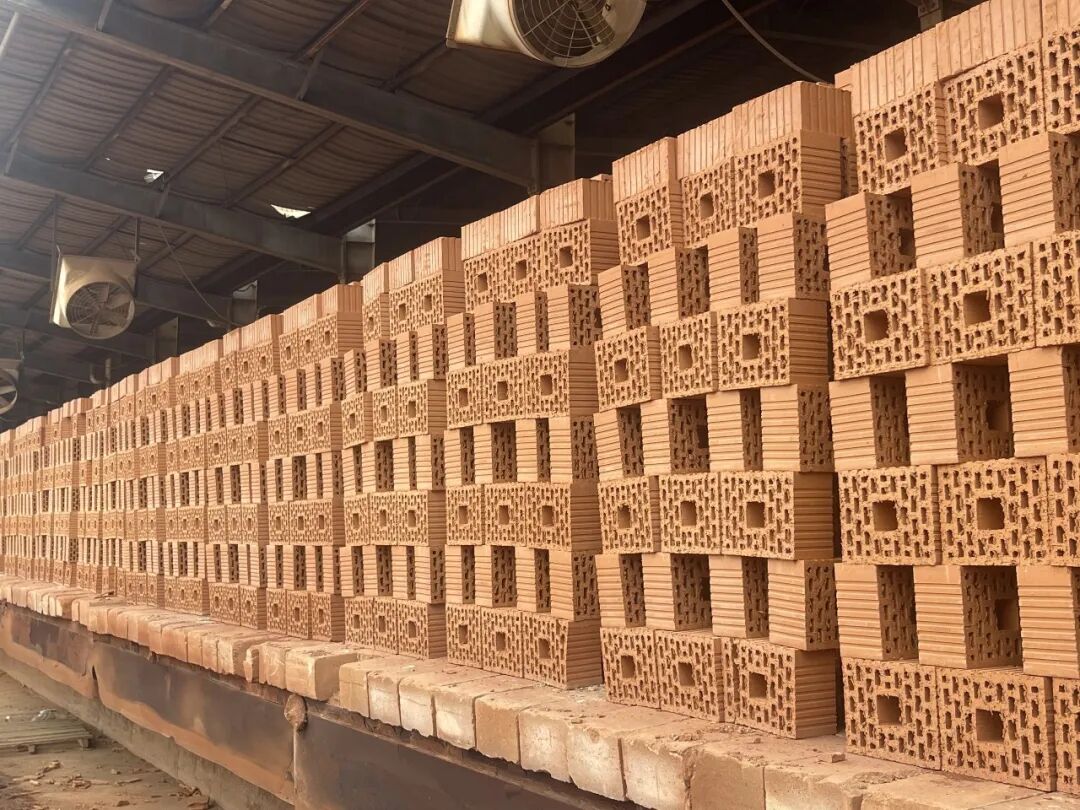
Second, unreasonable design of the kiln ventilation system is a key structural cause. When the ventilation channels on the brick stack are misaligned with the exhaust ducts on the kiln wall, the overall kiln ventilation is blocked. The internal combustion heat cannot be discharged in time, accumulating in the high-temperature section and triggering localized overburning and mass brick sticking.
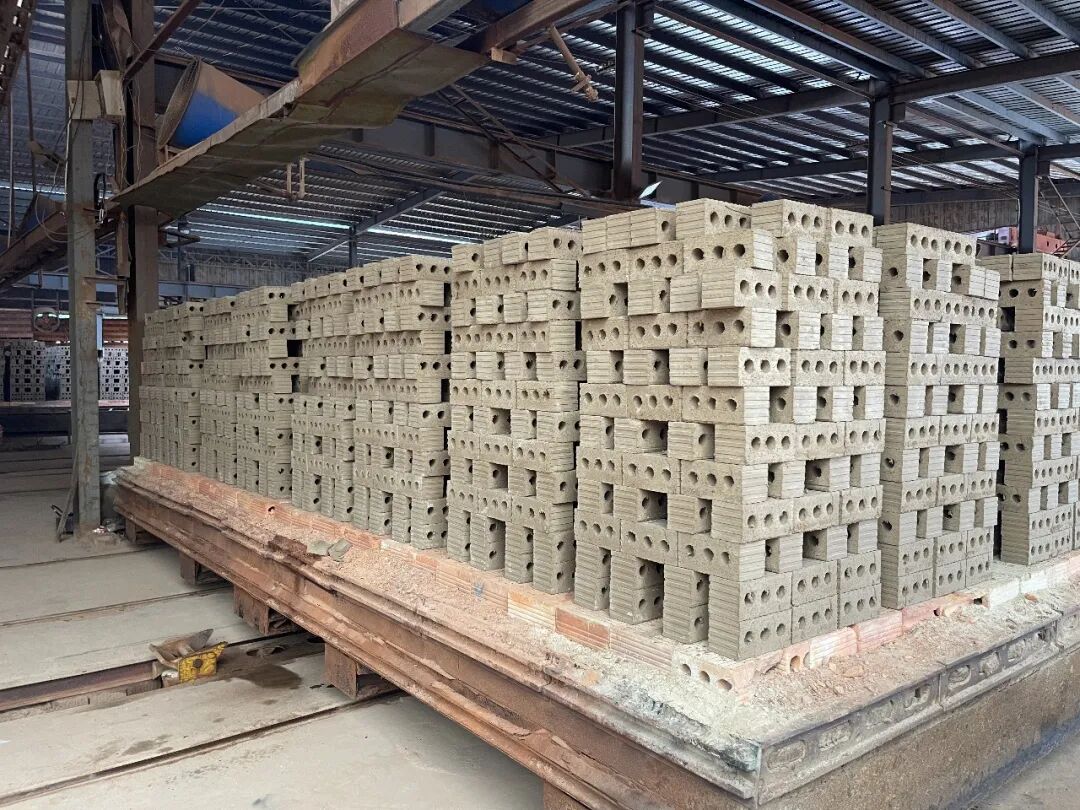
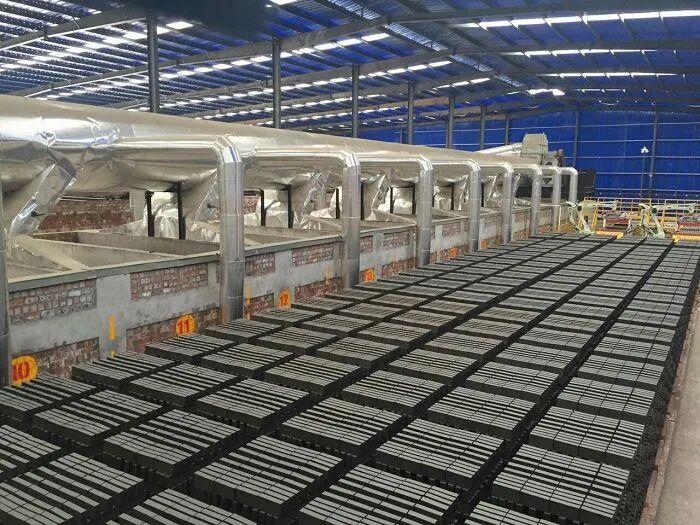
Third, excessive gaps between brick stacks, kiln walls and kiln roofs will destroy the normal ventilation balance. The standard gap is controlled within 80mm; once exceeded, more than 80% of the air volume will pass through these gaps, resulting in extremely poor air circulation inside the brick piles. Green bricks fail to complete uniform preheating, and internal fuel burns violently in the high-temperature zone in a short time, forming large-scale overburning defects.
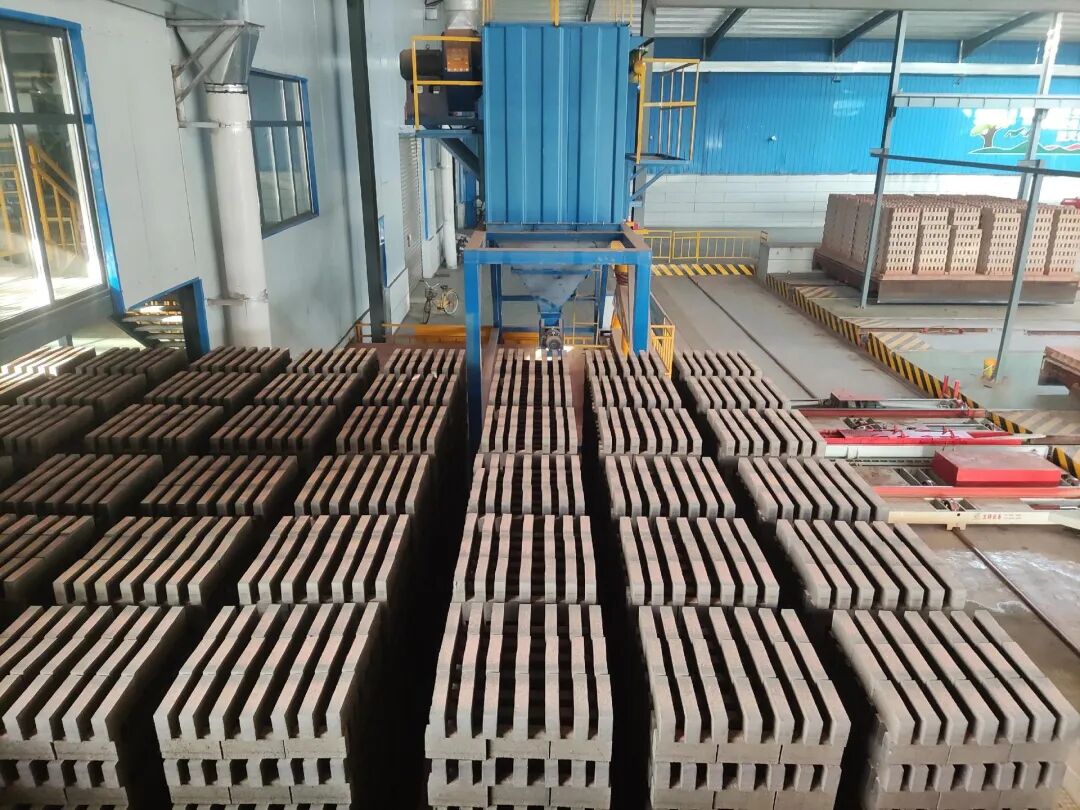
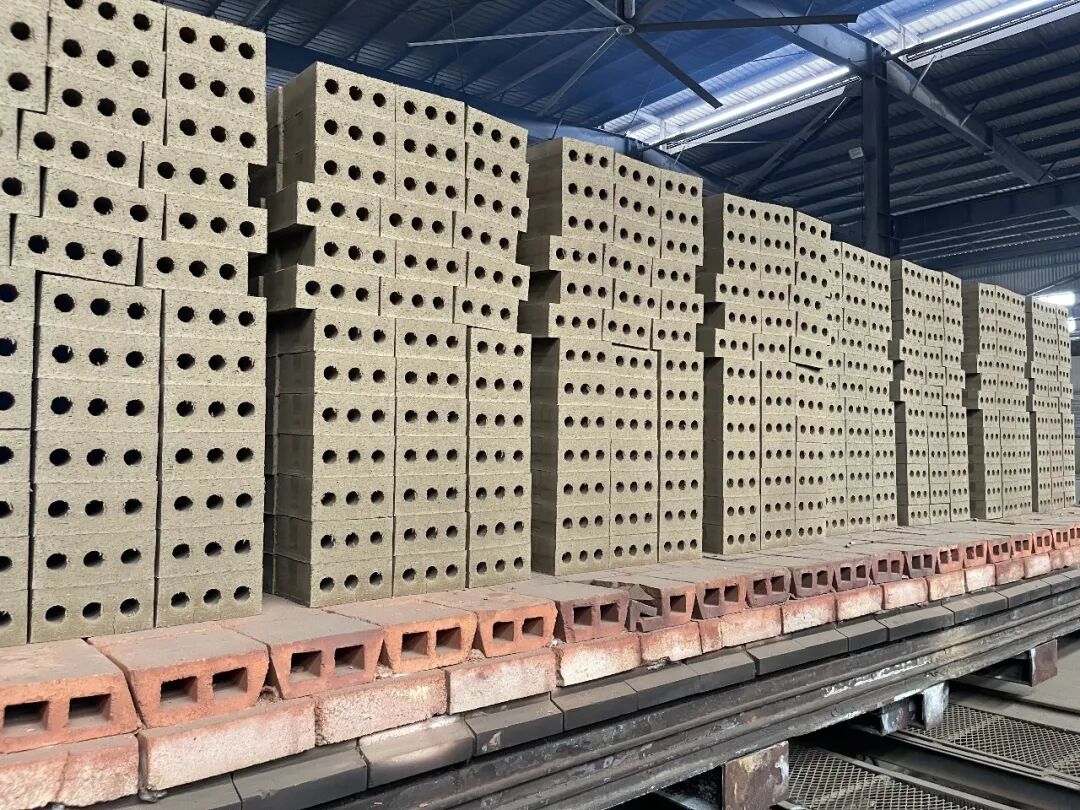
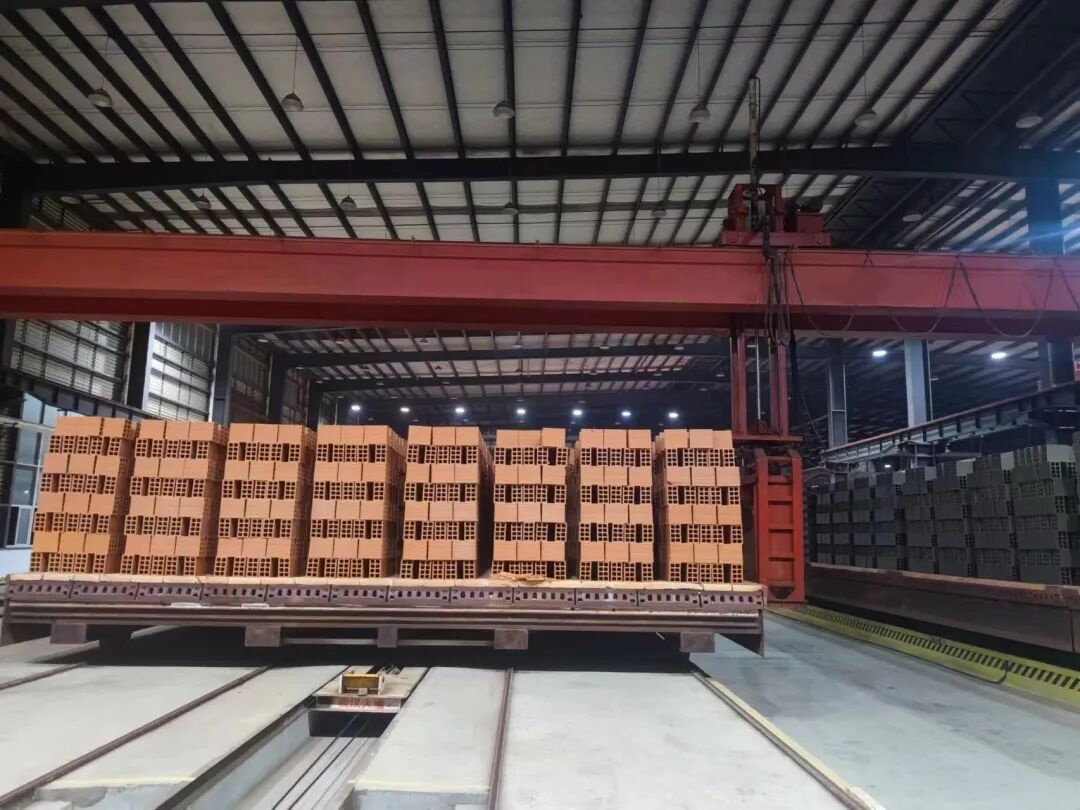
Fourth, improper brick stacking technology also induces firing abnormalities. Excessively high stacking density and insufficient reserved ventilation gaps between brick stacks block internal air flow. The uneven temperature field inside the kiln makes partial bricks overheated and bonded together during firing.
Fifth, improper manual operation is a frequent human factor error. Operators often adopt unreasonable damper control methods such as using near dampers for higher output, refusing to lift far dampers to restrain fast flame advance, or excessively strong fan suction leading to low damper height. These misoperations cause early liquid phase firing on brick surfaces and severe overburning adhesion.
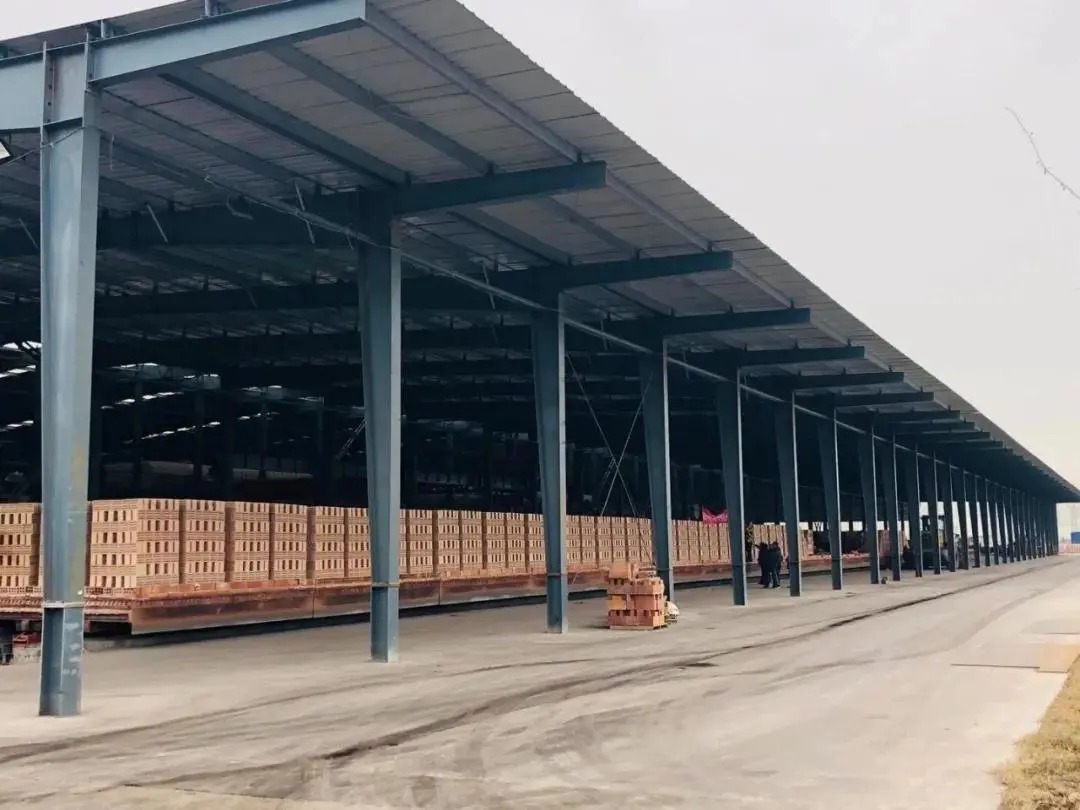
Sixth, unreasonable tunnel kiln structure design is an underlying cause. If the total length of the tunnel kiln is too short and the preheating and firing sections are insufficient, green bricks cannot obtain full and gradual preheating. Cold blanks directly enter the high-temperature firing zone, resulting in instantaneous intense combustion of internal fuel and large-area overburning and sticking.
For ring kilns, the main causes of similar overburning and sticking faults are summarized as excessive internal combustion heat, insufficient preheating zone length, unreasonable high near-damper use, and insufficient overall kiln suction.
FAQ
Q1: What is the main difference between tunnel kiln and ring kiln overburning causes?
A1: Tunnel kiln overburning is mainly caused by ventilation system mismatch, excessive kiln gaps and unreasonable stacking methods, while ring kiln faults focus on insufficient preheating length, insufficient kiln suction and improper damper operation.
Q2: How to quickly solve large-area brick sticking in tunnel kiln?
A2: First adjust the internal combustion ratio of green bricks, correct damper operation, optimize brick stack ventilation gaps, and check the alignment of kiln wall exhaust ducts to restore smooth kiln ventilation.
Q3: Why does excessive kiln wall gap lead to brick overburning?
A3: Gaps over 80mm cause most air to flow through the kiln top and wall gaps, resulting in no effective air circulation inside brick stacks, poor preheating and sudden high-temperature combustion of internal fuel.