
Common Defects in Fired Bricks: Causes and Production Line Solutions
Cracks, dimensional variation and chipped corners can reduce the yield of a fired brick production line. These defects may appear at different stages, from raw material preparation and extrusion to drying, stacking and firing.
The first step in troubleshooting is to identify when the defect appears. A crack in a green brick may point to forming or handling conditions, while one that appears after drying or firing may have a different cause. Tracking defects by production stage helps operators focus on the process variables most likely to be involved.
Pressing and Tension Cracks
Cracks during forming or handling can be associated with green brick strength, moisture content or mechanical stress.
Possible causes
- Forming moisture is too high, leaving the green body soft and easier to deform or crack under pressure.
- Raw material plasticity is too low, resulting in insufficient green strength.
- Plasticity is too high, or drying shrinkage is excessive or uneven.
- A cold green brick enters a humid area near the dryer or kiln entrance, where condensation softens its surface.
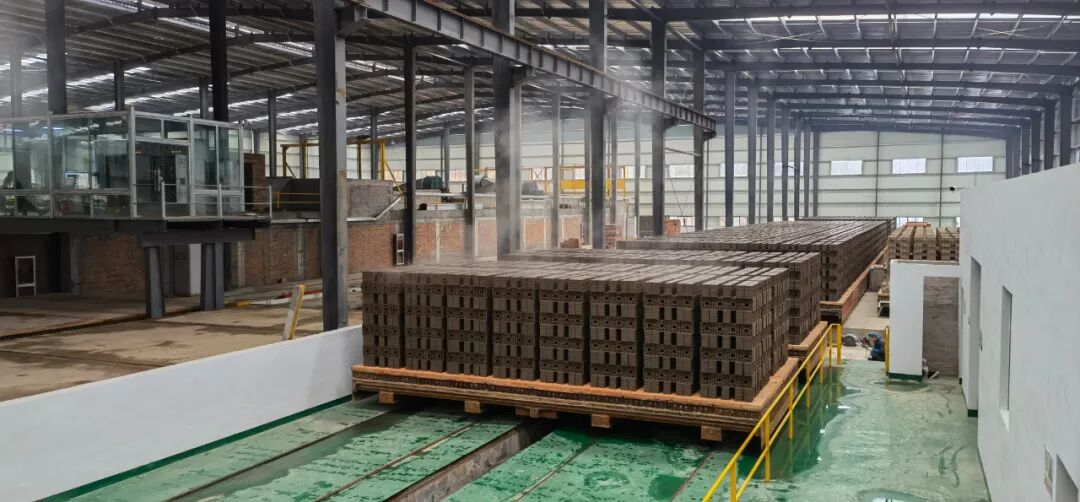
- The kiln car surface is uneven.
- Kiln cars collide or vibrate during transfer.
What to check
Measure forming moisture and compare green brick strength across shifts. Note whether cracks appear after extrusion, cutting, stacking, drying or firing. Inspect kiln car surfaces and transfer operations, and check for condensation near the dryer or kiln entrance.
Corrective actions
Adjust forming moisture to suit the raw material and forming equipment. If green strength is low, review the raw mix and consider blending in more plastic material or reducing the stacking load. If shrinkage is uneven, improve raw material blending and consider adding a suitable proportion of lean material.
Where condensation is suspected, review green brick temperature, local humidity and exhaust capacity. Keep kiln car surfaces level and maintain controlled car transfer to reduce impact and vibration.
Dimensional Variation
Inconsistent brick dimensions may be related to raw material grading, insufficient aging or an extruder die that does not account for material shrinkage.
Corrective actions
- Screen or process the raw materials to improve particle-size distribution.
- Increase aging time where the raw material requires it. Storage capacity depends on plant output and raw material behavior; a seven-day production reserve is a reference from the supplied process material, not a universal specification.
- Test the raw material, especially its plasticity and shrinkage characteristics.
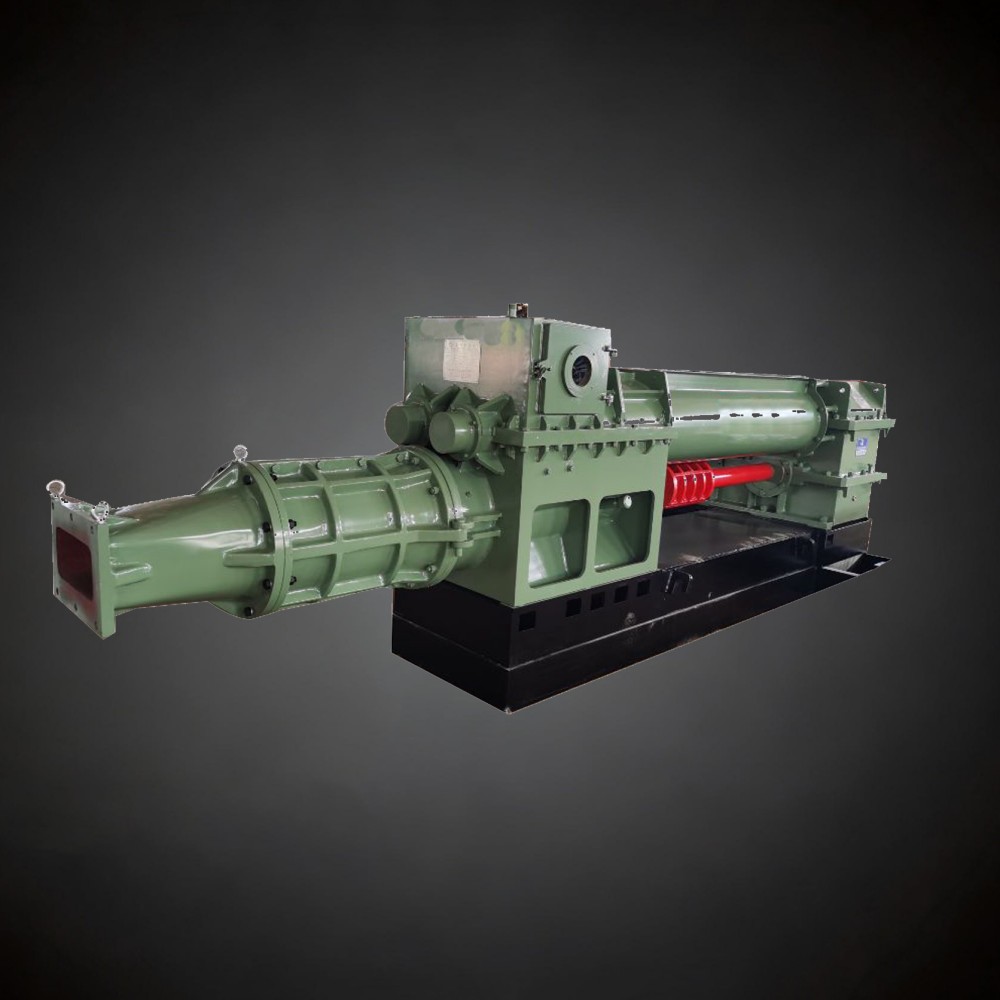
- Review the extruder die opening and calibrate it against the measured shrinkage of the body.
Determine the die opening through production trials and shrinkage data rather than applying the same allowance to different raw materials.
Corner Cracks
Corner cracks can occur when extrusion resistance is high or the green column lacks sufficient cohesion.
Common contributing factors include a high proportion of coarse particles, forming moisture that is too low for the material and extruder, or unsuitable settings on the fine-crushing rollers.
Improve crushing fineness or adjust screen openings to achieve a suitable particle-size distribution. Inspect the high-speed fine-crushing roller gap; the supplied process notes cite 3 mm as a reference setting, which should be checked against equipment design and actual material. Adjust forming moisture gradually while monitoring extrusion stability and green brick strength.
Horizontal Cracks in Ribs and Webs
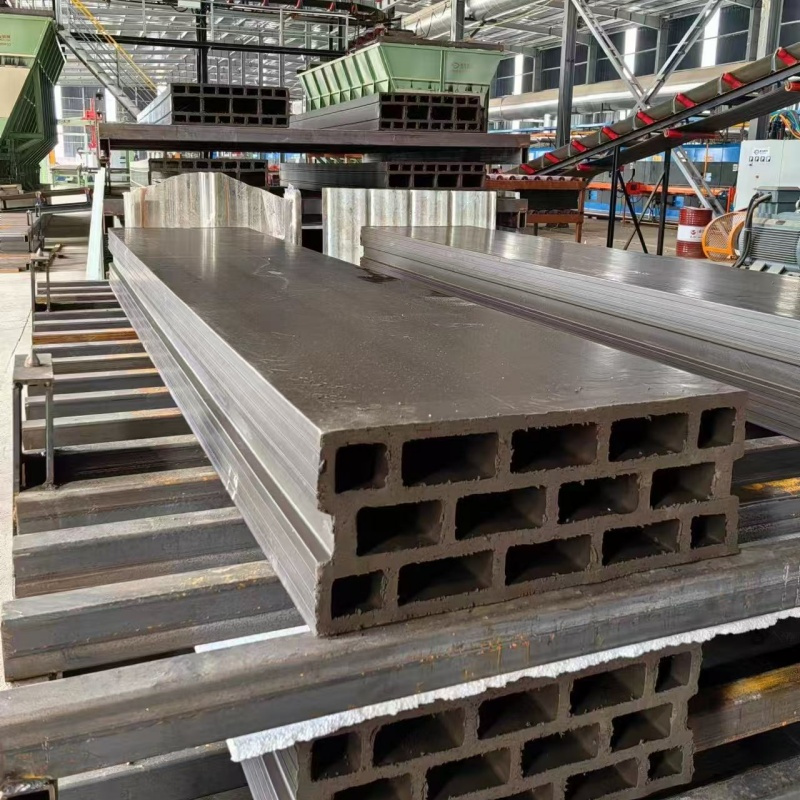
Horizontal cracks in ribs or webs are often reported in perforated bricks and hollow blocks. They may be associated with uneven shrinkage through the body or an overly rapid drying cycle.
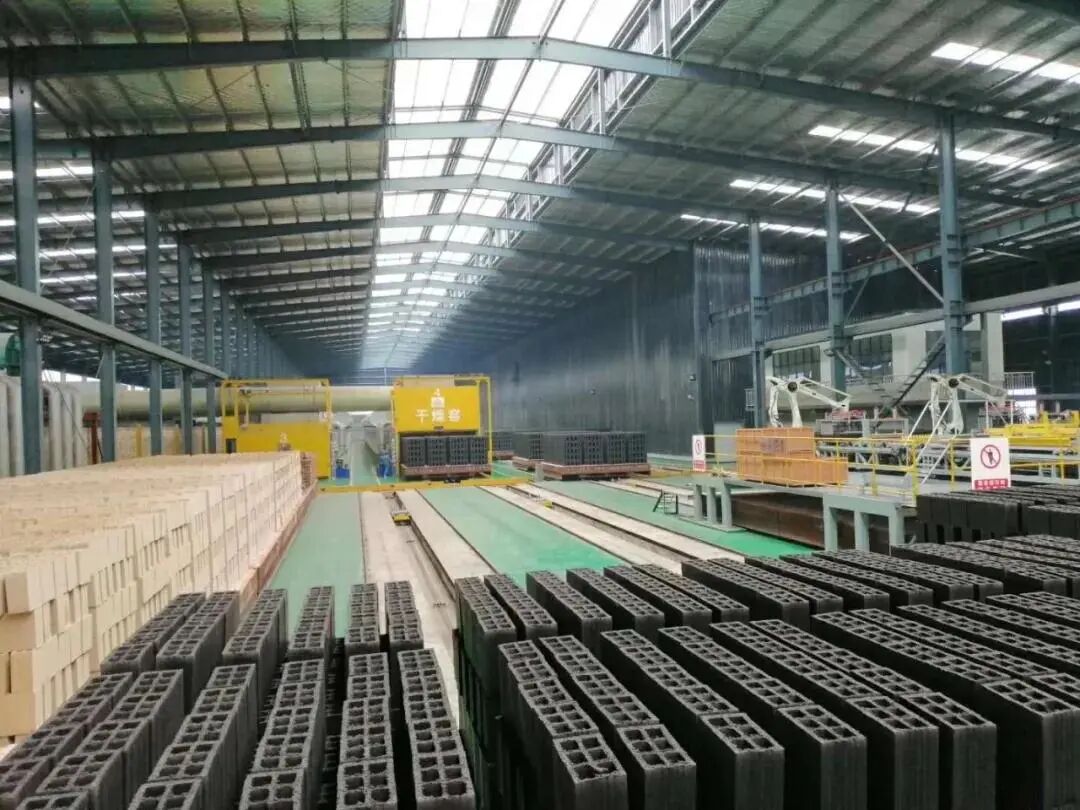
Review raw material grading and mixing consistency. Then check the dryer profile, including air temperature, humidity, airflow and residence time. The supplied notes cite approximately 40°C green brick entry temperature and 110°C dryer inlet air temperature as process references. Validate these figures against product geometry, raw material and dryer design.
Adjust fan speed and drying time based on measured conditions throughout the dryer, not temperature alone. A controlled drying curve can help reduce moisture gradients and shrinkage stress.
A Practical Defect-Tracking Routine
When a defect appears, record the product type, batch or shift, raw material blend, moisture, extruder and cutting settings, defect location, dryer conditions, stacking pattern and kiln car condition. Also note whether the defect appeared before or after firing.
These records can help distinguish forming and handling issues from drying and firing problems, and make process adjustments easier to evaluate.
Conclusion
Fired brick defects can reflect several connected process conditions. Stable raw material preparation, suitable forming moisture, consistent extrusion, controlled drying and careful handling all contribute to product quality.
By identifying the stage where a defect first appears, manufacturers can focus troubleshooting on the relevant equipment and process variables. Equipment configuration should be matched to the raw material and required product.