Coal Gangue Fired Brick Manufacturing: Raw Material Preparation Forming Drying and Firing Best Practices
Coal gangue fired brick production turns coal gangue waste into eco-friendly wall construction material. The design of your automatic brick plant and fired brick production line will be customized according to raw material features and capital budget. Investors can select full-auto or semi-auto configurations. All production links including crushing, aging, extrusion forming, drying and firing need precise control to avoid waste and guarantee stable quality of finished fired brick.
Two Interchangeable Production Schemes
Factory designers can pick and combine two production routes.
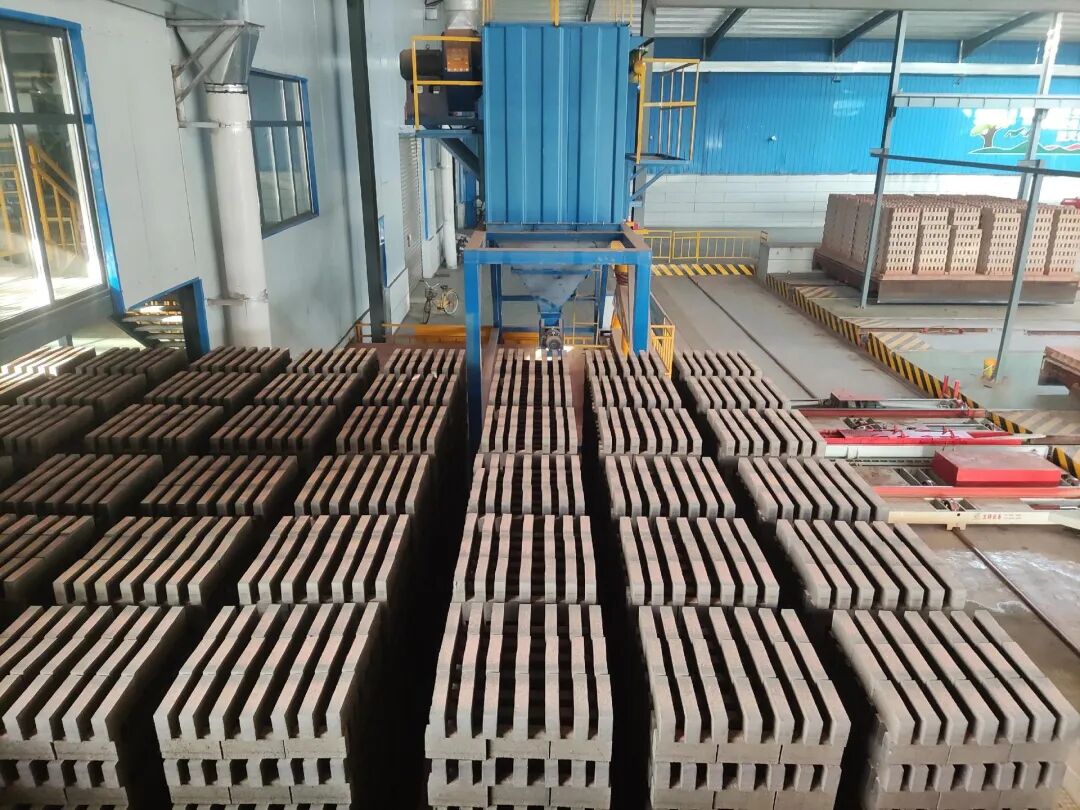
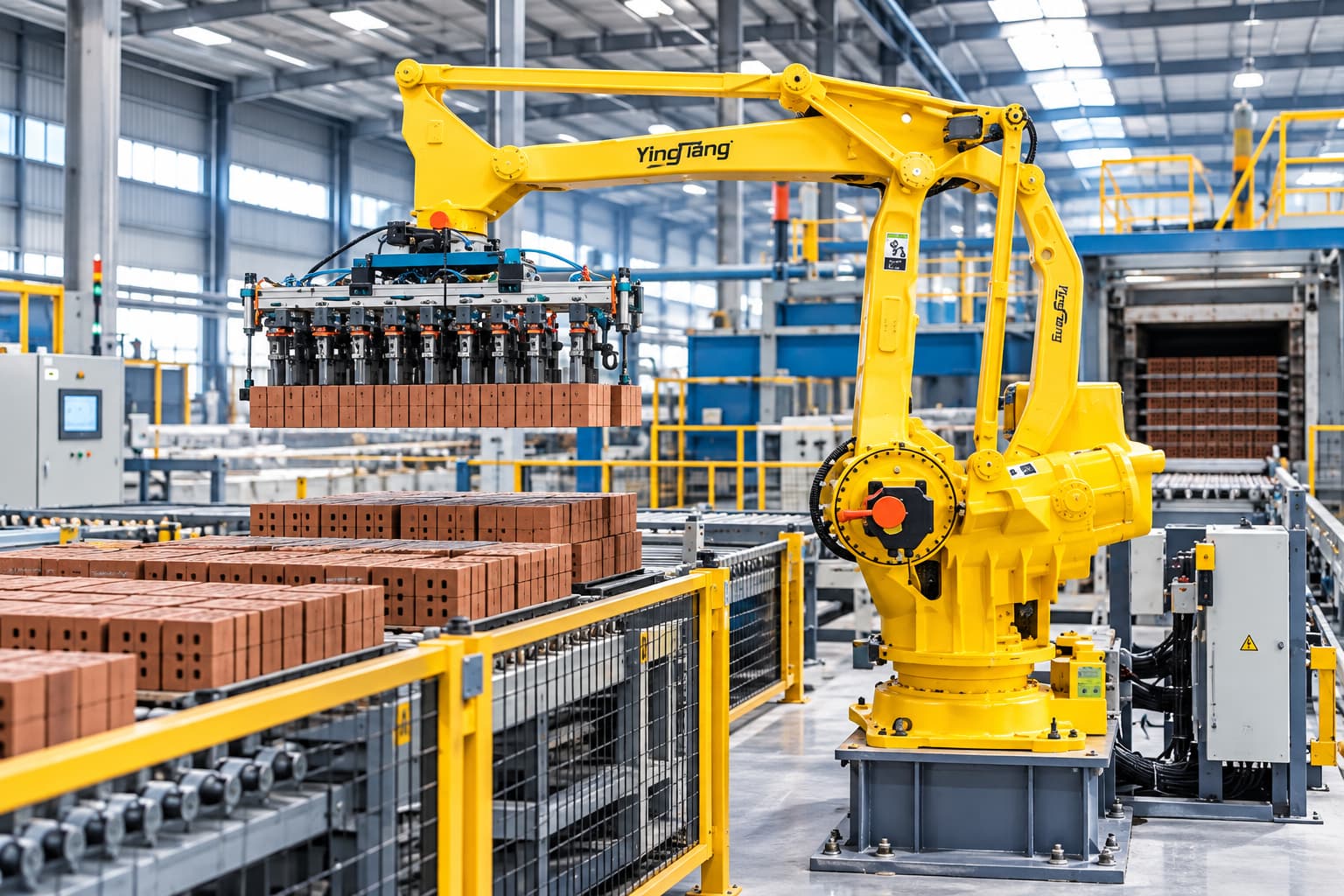
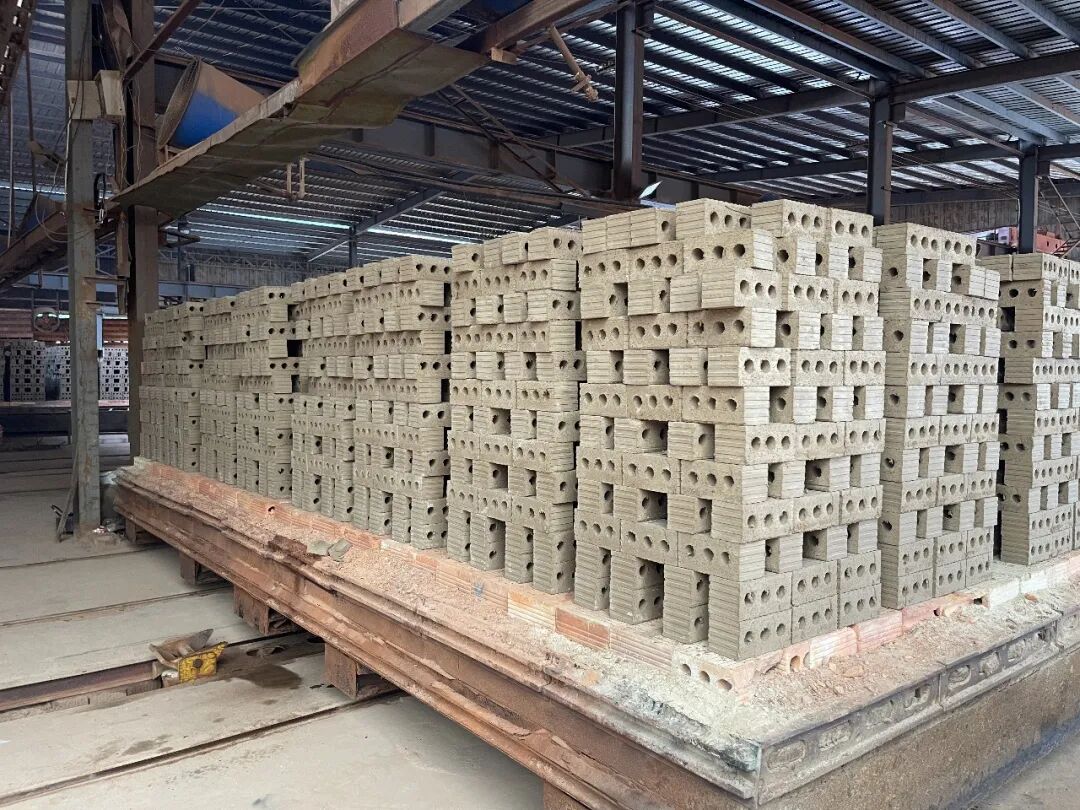
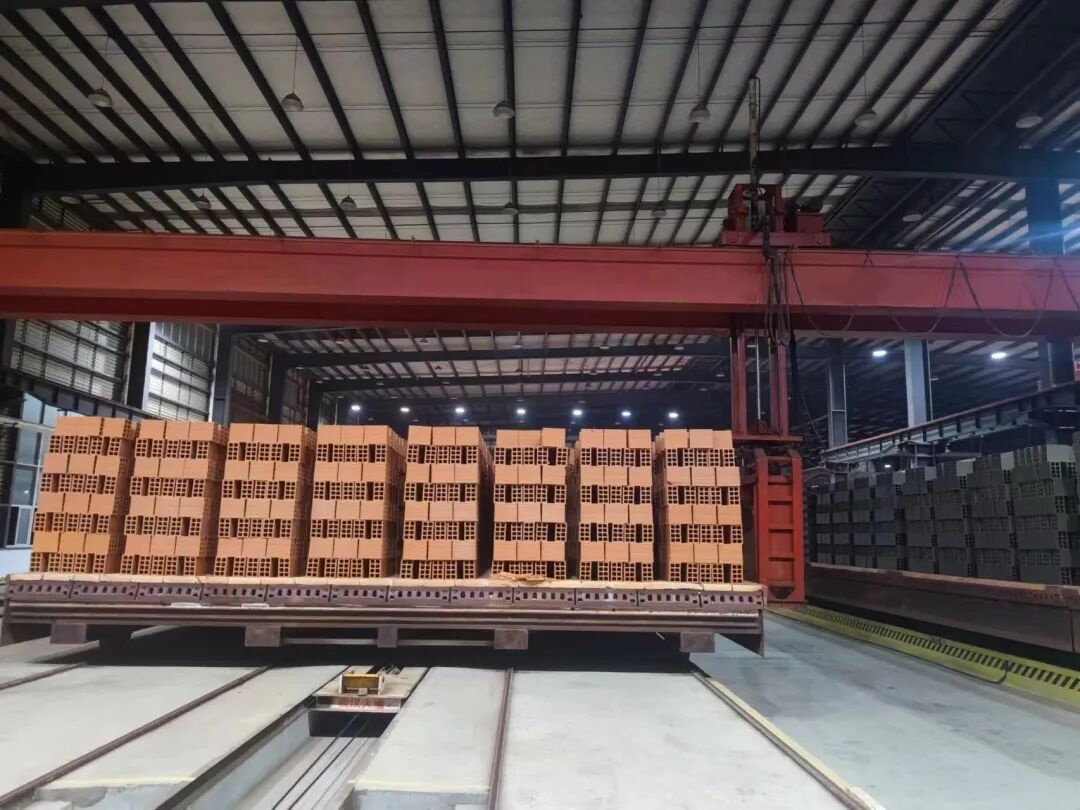
The first scheme adopts high automation: raw coal gangue is crushed by coarse hammer crusher, screened and mixed in double-shaft mixer, then sent to aging silo. After aging, materials are fed to two-stage vacuum brick extruder. The formed green brick body will be cut and stacked by automatic brick stacking machine, transported by kiln cars into brick dryer system and tunnel kiln for bricks. Finished bricks are automatically unloaded and inspected.
The second scheme uses semi-automatic workflow: raw coal gangue stored in bins is fed into vibrating feeder, crushed by coarse hammer crusher and hammer crusher, screened via high-frequency vibrating screen. Materials are mixed in double-shaft mixer and stored in aging silo. Workers reclaim aged materials manually, then feed into extruder. After cutting, bricks are manually set on kiln cars, dried and fired inside tunnel kilns, then manually unloaded and inspected.
Raw Material Crushing and Equipment Selection
Crushing is the first critical stage. Different brick types have different particle size standards:
- Solid bricks and low-porosity perforated bricks: particle size ≤2.5 mm. Two-stage crushing: jaw crusher + hammer crusher.
- High-porosity hollow bricks: particle size ≤1.5 mm. Two-stage or three-stage crushing. Add fine roller mill for ultra-fine grinding if needed. Materials with poor plasticity need aging after crushing to improve forming performance.
Coarse hammer crusher: Primary and medium crushing integrated machine, designed for coal gangue, shale and other medium-hard raw materials. Feed block size up to 500 mm, crushing ratio 4–6. Large lumps are impacted and broken in primary chamber. Smaller particles pass directly to medium crushing chamber. Bottom sieve discharges qualified fines automatically. Widely used in coal gangue brick production plants.
Hammer crusher: Impact crushing equipment suitable for brittle raw materials like coal gangue. Screen plates are replaceable to adjust particle size. Single rotor crushing ratio 10–15; double rotor up to 20–30. Raw material moisture ≤8% required to prevent screen blockage. Not suitable for sticky raw materials.
Raw Material Aging and Aging Silo Types
Raw material aging treatment is essential to improve raw material plasticity. When coal gangue mixture is stored in closed silos with proper moisture, particles fully hydrate and disperse. Test data shows that 4-day aging reduces drying reject rate by 12% and firing reject rate by 6%, and increases plasticity index by 1.2.
Three popular aging silo options:
- Loader reclaim aging silo: Cone stacking, simple operation, for raw materials with stable composition.
- Manual reclaim aging silo: Small footprint, less air exposure, excellent aging performance. Low power consumption and low investment. Suited for small and medium brick factories.
- Multi-bucket excavator aging silo: Semi-underground design. Multi-bucket excavator uniformly extracts materials. Wave-shaped stacking reduces particle segregation. It is widely used in modern large-scale fired brick production line. The suspended distribution belt raises civil engineering cost.
Green Brick Forming Process
Forming step shapes the green brick body. Aged raw materials enter two-stage vacuum brick extruder. Basic parameters: extrusion pressure ≥1.5 MPa, vacuum degree >80%. High-grade load-bearing fired bricks require ≥2.2 MPa and vacuum >88%.
Common forming faults: insufficient green strength, low bulk density and unstable cutting dimension. Causes: too high raw material moisture, insufficient extrusion pressure, unreasonable particle grading or inaccurate cutting tools. Operators can solve these problems by adjusting moisture, increasing extrusion pressure, optimizing particle grading and calibrating cutting equipment.
Drying Process and Parameter Control
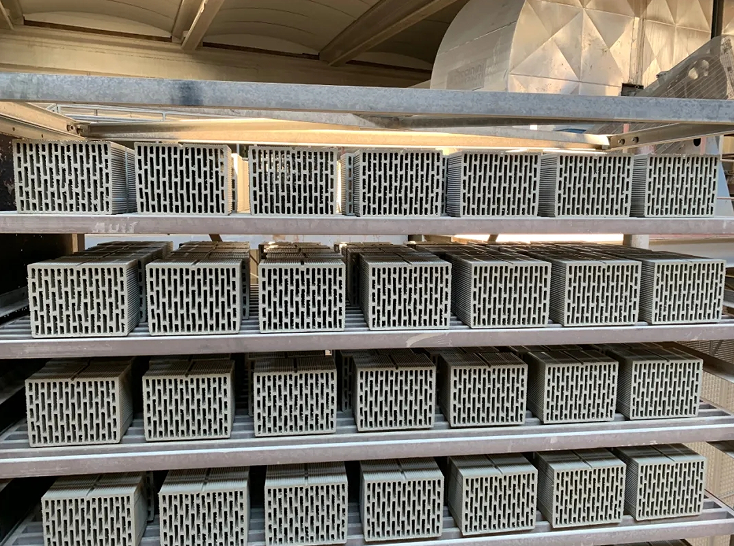
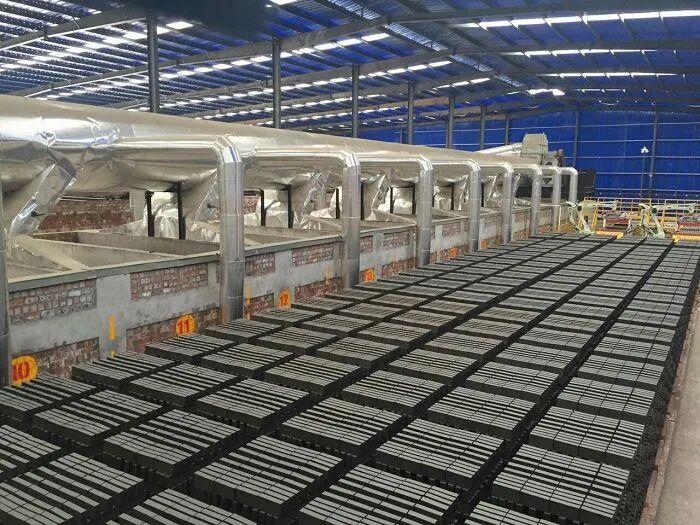
Brick dryer system removes free water inside green bricks before firing. Operators control temperature, humidity and airflow speed of drying medium. Recommended parameters: drying inlet temperature 120–150℃, exhaust gas temperature 35–45℃, exhaust relative humidity 90–95%, airflow velocity 1.5–4.5 m/s.
Temperature and humidity changes must be gradual. Maintain stable zero-pressure point inside drying chamber. Drying cycle is determined by drying sensitivity coefficient K:
- K<1: 12–20 h
- K=1~1.5:20–26 h
- K=1.5~2:26–32 h
- K>2:32–48 h
Firing Technology and Kiln Comparison
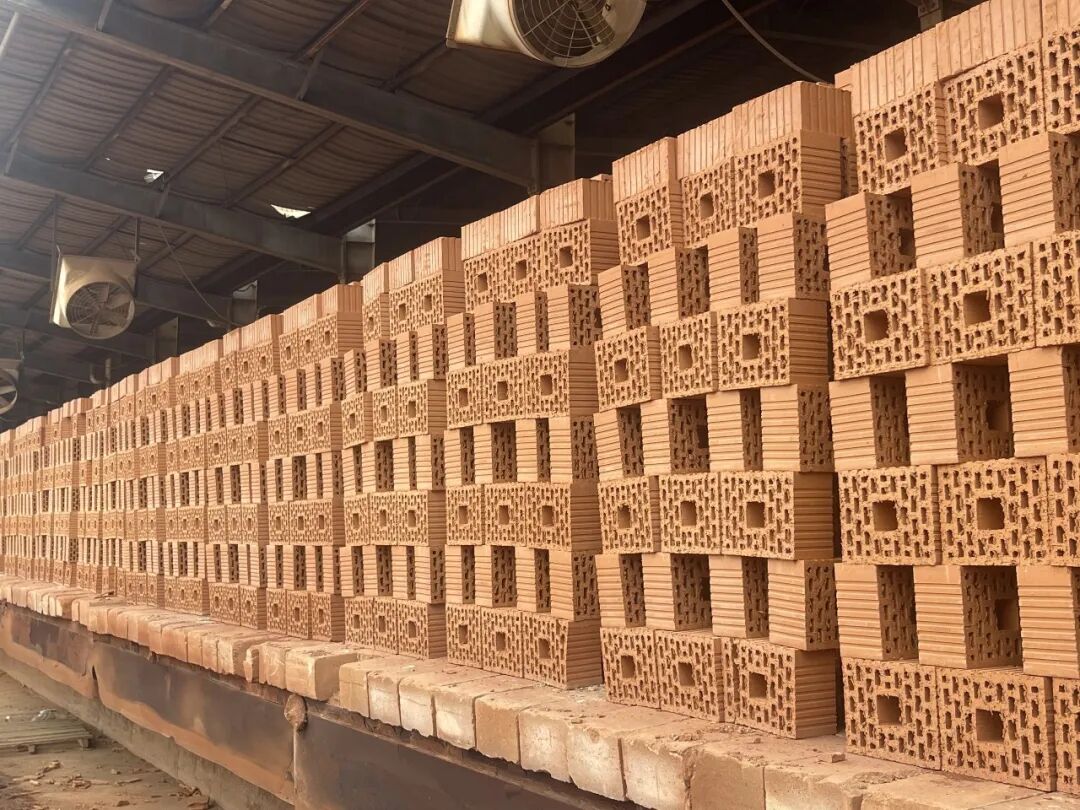
Three main kiln types for coal gangue brick: annular kiln, improved three-centered arch annular kiln and large-section flat-top tunnel kiln for bricks.
- Annular kiln: Continuous ring-shaped kiln for small & medium brick factories. Fixed brick setting, flue gas preheats green bricks and cooling air supports combustion.
- Improved three-centered arch annular kiln: Lower thermal resistance, faster firing speed. Main flues are built above ground, simplifying civil construction. Mechanized loading and unloading reduce heavy manual work. Investment cost is lower than large flat-top tunnel kilns.
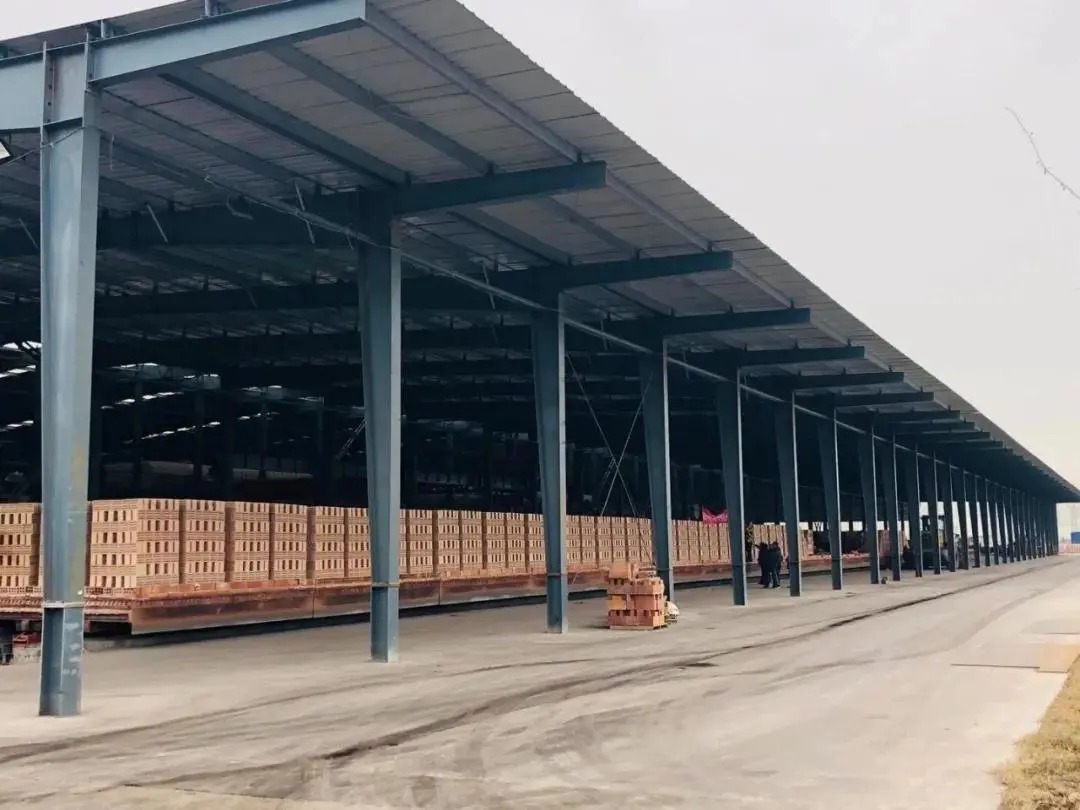
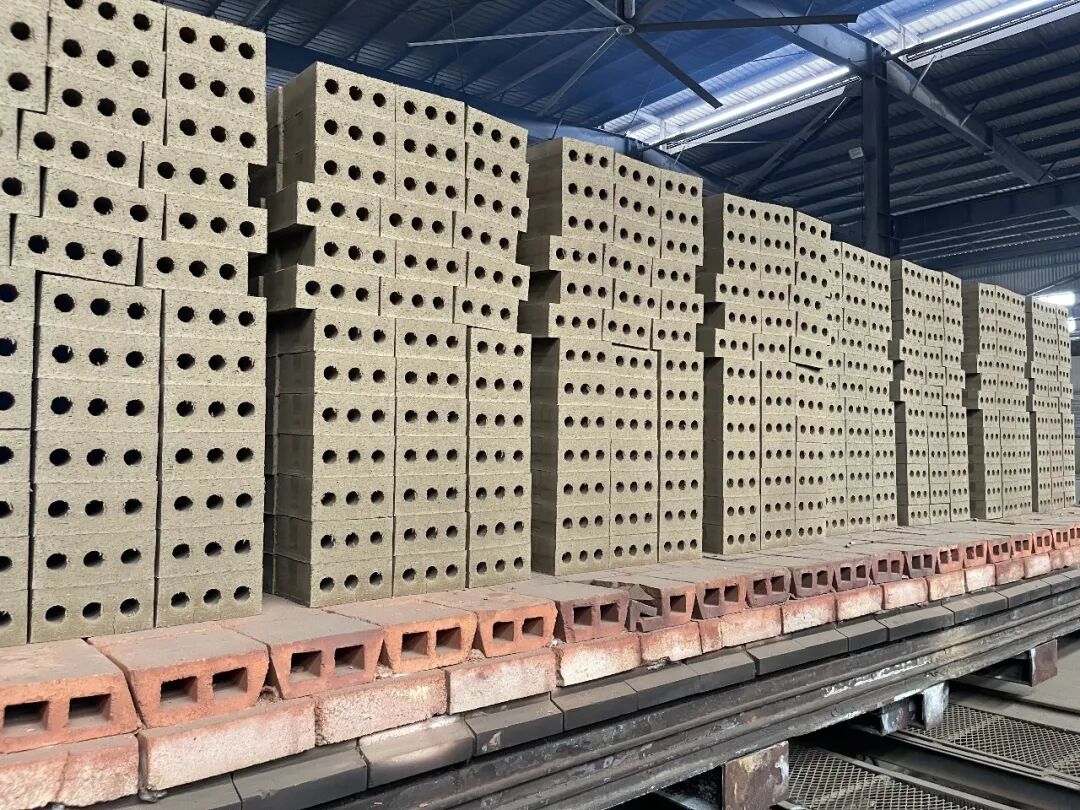
- Large-section flat-top tunnel kiln: The premium choice for modern coal gangue fired brick projects. It achieves high output, low fuel consumption and consistent brick quality. Multiple widths are available such as 4.6 m, 6.9 m and 9.2 m.
Firing process has preheating, high-temperature soaking and cooling phases. The standard peak firing temperature for coal gangue fired brick is about 1050℃. The low-temperature long soaking method delivers uniform firing. During cooling, special control is needed at 573℃ and 230℃ to avoid thermal cracks from quartz phase transformation.
FAQ
Q1: What raw material is used for coal gangue fired brick?
A: Coal gangue, a waste by-product from coal mining, as the main raw material.
Q2: What is the function of two-stage vacuum brick extruder in brick plant?
A: It extrudes aged raw materials into compact green brick body with required strength and dimension.
Q3: What is the recommended temperature range for coal gangue brick firing?
A: The maximum firing temperature is generally around 1050℃, low-temperature long soaking can be adopted.
Q4: What causes green brick cracking during drying?
A: Sudden temperature or humidity change, unstable zero-pressure point, high drying sensitivity coefficient, improper drying cycle.
Q5: What are the main advantages of coal gangue fired brick?
A: Recycle coal gangue waste, save clay resources, good thermal insulation performance, stable mechanical strength, suitable for wall construction.