Brick and Tile Production: How to Find and Fix Key Bottlenecks
Building and running a profitable brick factory is a systematic engineering project covering raw material treatment, green body forming, drying, firing and finished brick handling. Every single stage is interlocked. The bucket short board principle fully applies to brick plant: the overall factory profit is restricted by the weakest production segment, not the strongest one.
Lots of brick investors fixate on large nominal daily output, such as 500,000 or 800,000 fired bricks per day. But they ignore the total material turnover in the whole system. For a target daily output of 500,000 finished bricks, raw materials and semi-finished green bodies circulating inside factory may reach 5 million pieces. Let’s review typical limiting factors in brick production.
Raw Material Yard & Raw Material Processing System
Factories with accessible shale or coal gangue on-site can save investment on large raw material storage yards. If raw materials are transported from outside mines, multiple storage yards are required.
Raw material crushing workshop runs only 8–10 hours per day. Therefore, raw material handling capacity must be higher than the designed daily brick output. Equipment selection covers crushing stages, mixer type, screen size, conveyor parameters and magnetic separator setup. Maintenance convenience is critical. Many brick plants lack lifting equipment like overhead cranes. Workers must carry heavy screen plates manually. Replacing crusher hammerheads takes long downtime, and mechanic turnover is high. This becomes a bottleneck lowering actual production efficiency.
Aging Chamber for Raw Material Homogenization
Aging chamber is vital to stabilize raw material plasticity. We recommend aging capacity supporting 72 hours of brick production (2–3 times daily output). When crushing machines stop for maintenance, aged raw materials can sustain normal production.
Hard and sandy raw materials need waterproof design inside aging bins to avoid uneven moisture. Installing soil shredder after aging mixing improves raw material uniformity for extrusion.
Extrusion & Brick Green Body Preparation
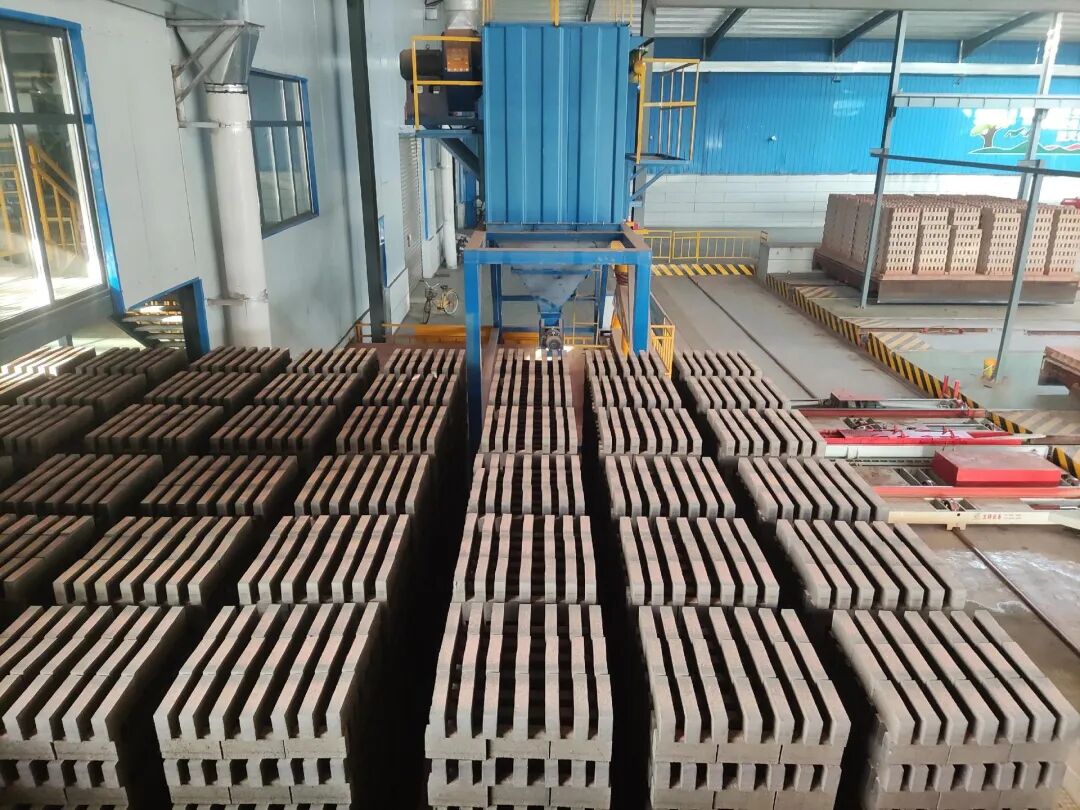
Extrusion, mixing, cutting and brick setting are key links for green body production. Identical brick making machine performs differently under different raw materials and climate conditions.
In a real case in Lanzhou, brick plants copied the process from central China. Green bodies looked perfect after extrusion, yet drying speed was slow, cracking rate high, reject rate rose and actual output fell far below expectation, forming a tough bottleneck.
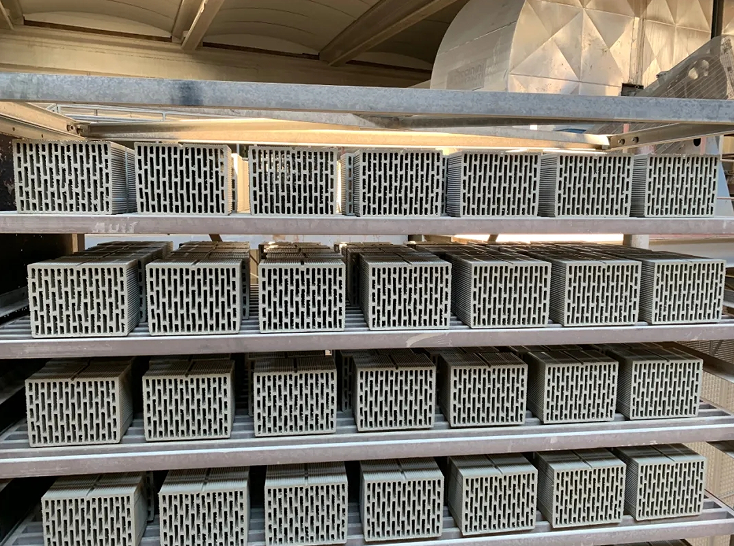
Drying Chamber Optimization
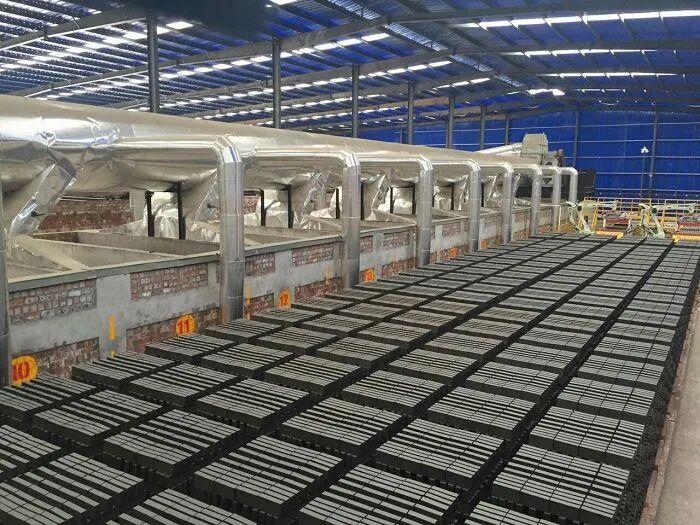
There are many tunnel kiln for brick firing configurations with different drying and firing zone combinations. Raw material shrinkage characteristic and local climate decide which layout fits best.
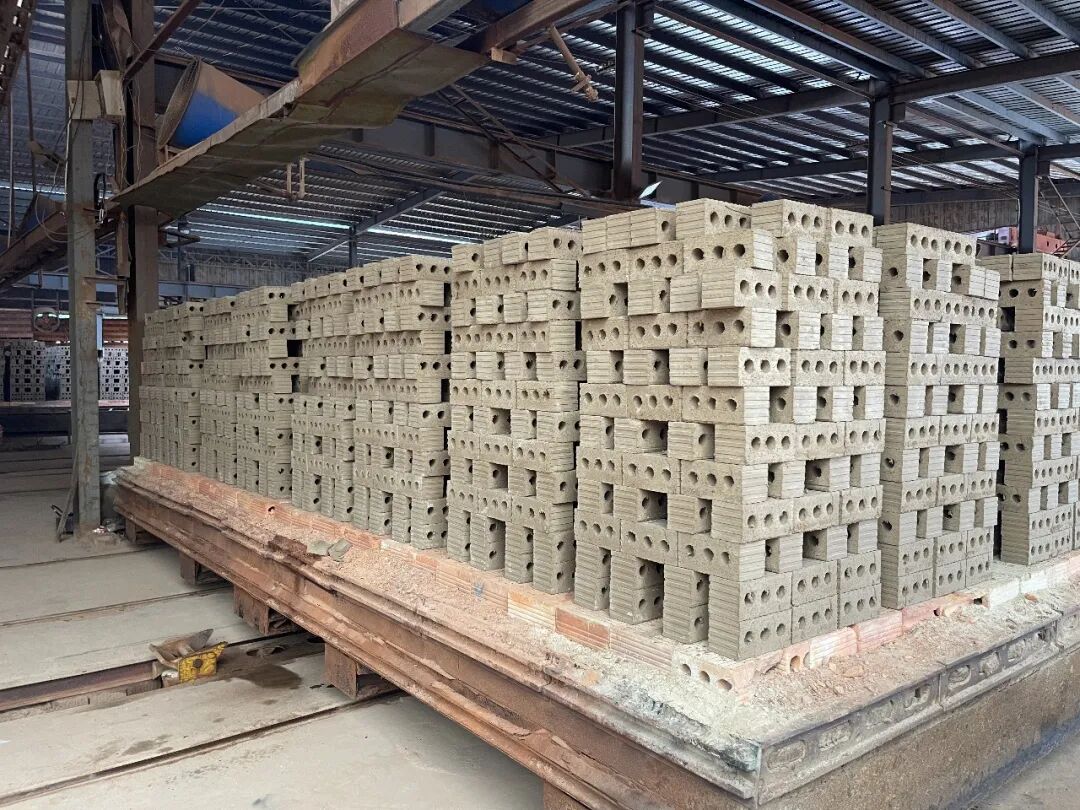
Raw materials sensitive to drying shrinkage cannot adopt direct drying direct firing kiln. In dry regions like Kuitun Xinjiang, low ambient humidity causes green body cracking right after cutting. The solution is raising local humidity in green body storage area and increasing kiln car quantity.
Drying heat sources include flue gas drying, waste heat drying and combined drying. Raw materials with high sulfur cannot use flue gas drying because sulfur pollutants will contaminate bricks and increase environmental cost. Combined flue gas and waste heat drying saves energy for low-sulfur raw materials.
Moisture exhaust design: pure centralized exhaust wastes power and delivers poor effect. The optimal design combines decentralized and centralized exhaust, positive pressure as primary and negative pressure auxiliary. It prevents green body collapse and reduces energy consumption. Many rotary tunnel kilns have badly designed drying sections with excessive fan power consumption.
Kiln Type Selection & Firing Technology
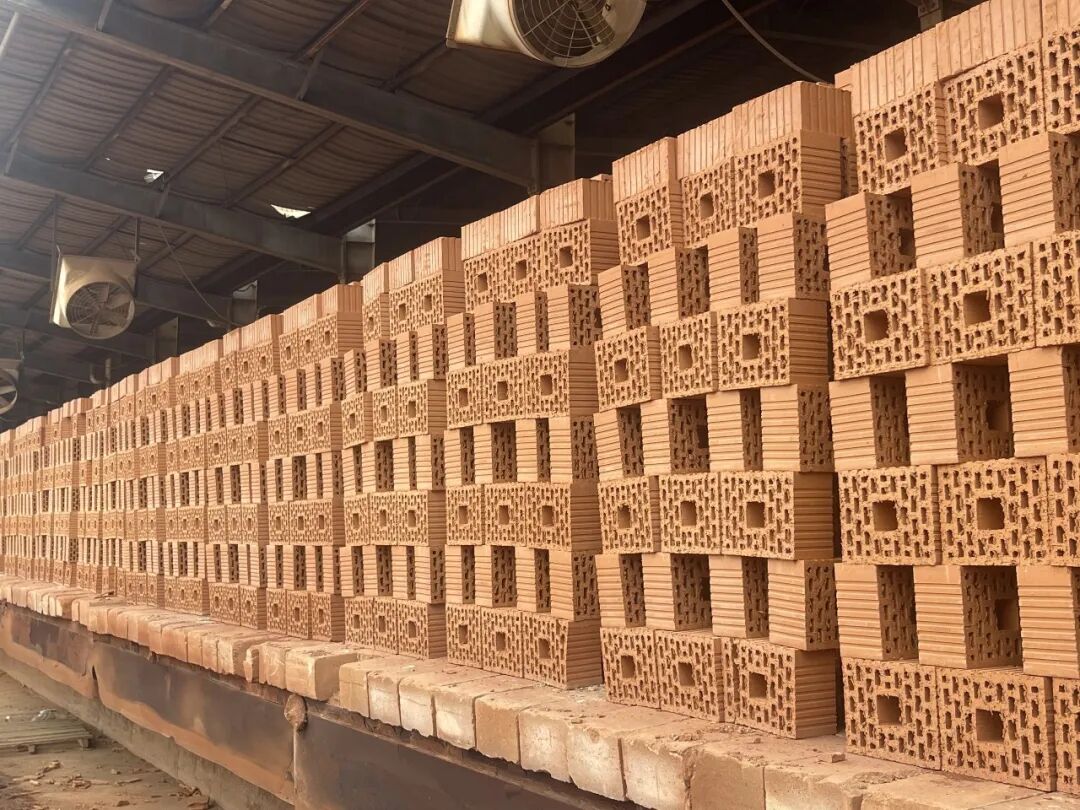
Common kiln types include masonry tunnel kiln, combined tunnel kiln, rotary tunnel kiln and multiple flue type tunnel kilns.
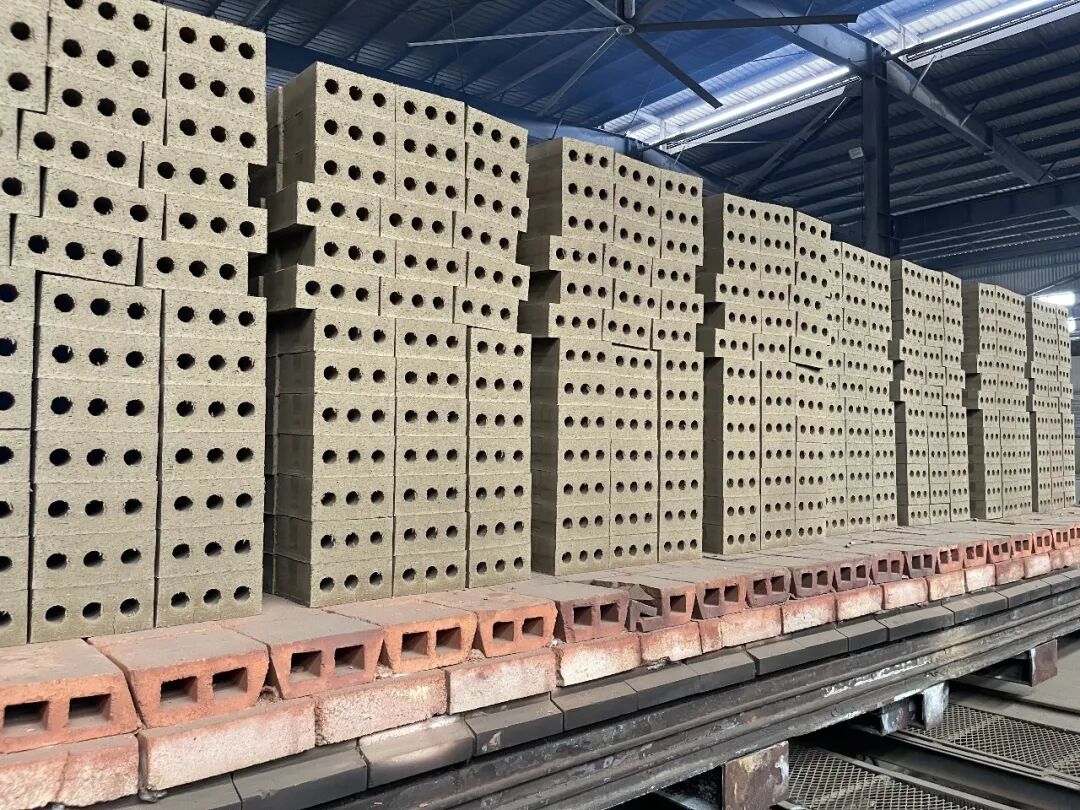
Rotary kiln can hold roughly 300 bricks per cubic meter, while tunnel kiln can load 400–500 bricks per cubic meter. If we can solve cross-section temperature difference and kiln car burning problems of conventional tunnel kilns, tunnel kilns will show obvious advantages on output and energy saving. The classic bottleneck of traditional tunnel kiln is the moving green body against static kiln body. Technological innovation is needed to solve this long-standing problem.
Firing Technician & Brick Setting
Many kiln operators only watch flame during firing, which is outdated thinking. Qualified kiln technicians must master kiln air flow, heat distribution, waste heat system and brick setting design. Weak firing skill is solvable by professional training.
A well-known industry rule: 70% of firing quality comes from brick setting, only 30% comes from kiln operation. Excellent kiln operators analyze raw material test results and heat value to optimize brick arrangement.
Operators are forbidden to add coal at kiln car joints and open fire peepholes at high-temperature areas, which will damage kiln cars. Kiln car burning problem is also related to kiln car insulation and trench air balance, a universal challenge for brick factories.
Unloading Track, Finished Brick Yard & Factory Layout Planning
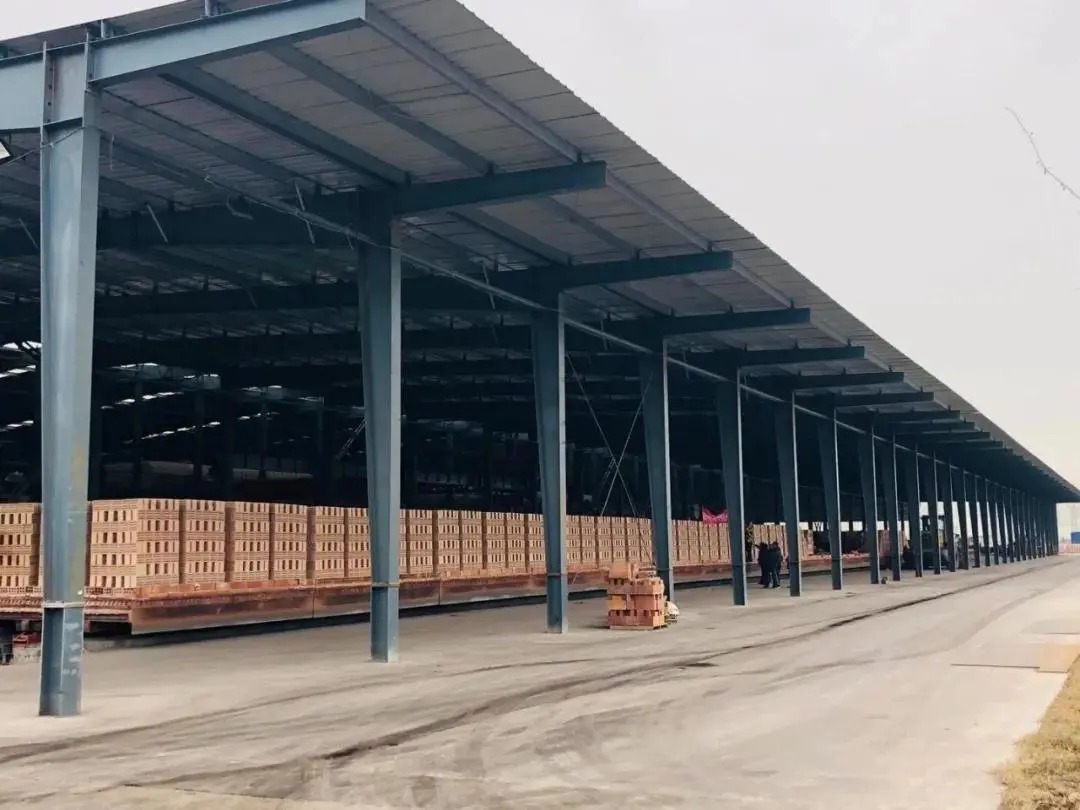
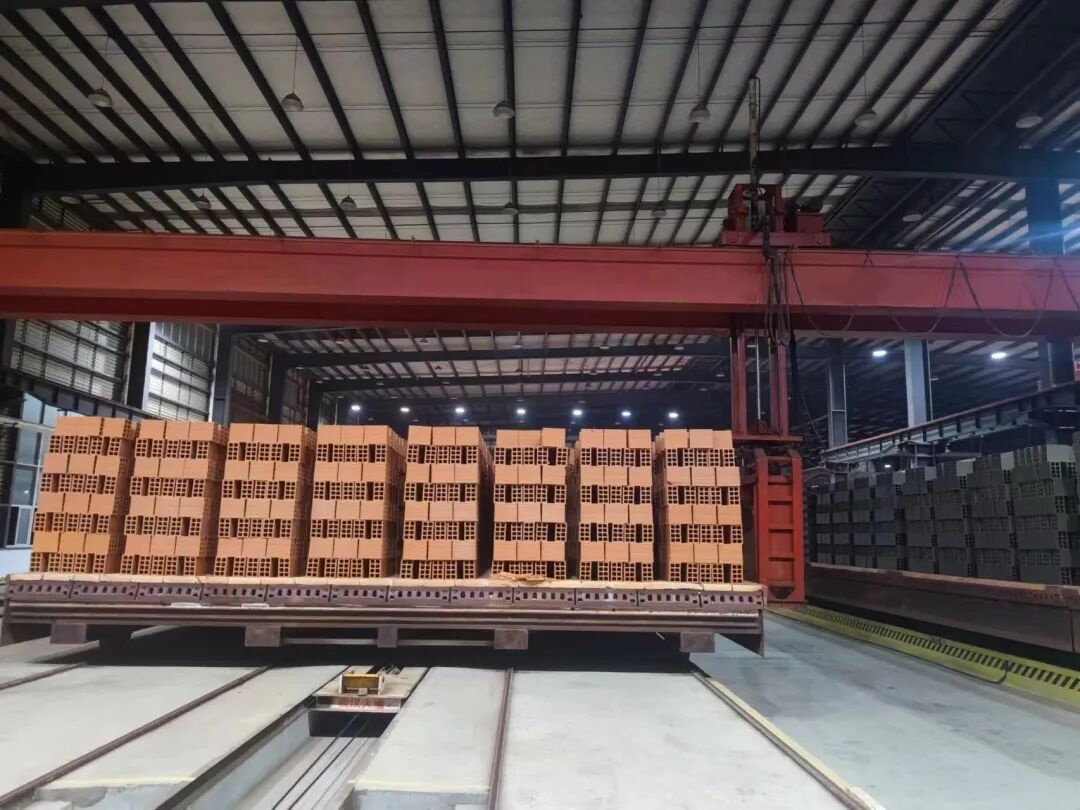
A brick factory with 3.7m wide kiln designed for four drying three firing only had one unloading track, with no room for expansion. It could never reach full design capacity because finished bricks cannot be transported out in time. Unloading positions, packing stations and kiln car parking positions need precise calculation at design phase. This layout defect is hard to remedy after factory construction. Insufficient finished brick yard is a common bottleneck. Factories with limited storage space need to reduce output during rainy seasons. Hollow brick production needs sufficient storage space, as construction projects usually use hollow bricks after frame structure completion.
Raw Material Testing & Environmental Compliance
Raw material chemical testing before factory construction is essential. Raw materials with high sulfur content (4–5%) create huge environmental pressure without alternative raw materials. High calcium content leads to brick deliquescence; high potassium oxide and magnesium oxide cause white efflorescence on brick surface.
Many brick factories rebuilt desulfurization towers twice. Most desulfurization equipment suppliers lack kiln and fluid mechanics knowledge. Improper tower design leads to poor moisture exhaust and output reduction. Horizontal + vertical combined desulfurization and dust removal performs better than single vertical tower. Air inlet set slightly above kiln surface saves power consumption.
Natural gas firing is the cleanest option for brick kilns. Investors need to evaluate whether existing kilns can be modified for natural gas firing during project planning.
Conclusion
When designing a fired brick production line, all links need matched capacity:
raw material stock for multiple days output;
raw material processing ≥1.5 × daily output;
aging chamber capacity for 2–3 × daily output;
extrusion workshop finishes one daily output within 8–12 hours;
green body storage for 1.5–2 × daily output;
spare empty kiln cars ≥0.5 × daily output;
drying chamber and firing section each match daily output;
finished brick transport track ≥0.75 × daily output;
unloading station ≥0.3 × daily output;
finished yard supports multiple days output.
Fired brick manufacturing is a complete system.
Your brick plant’s real production capacity and profit are always limited by its weakest process bottleneck.