请留言
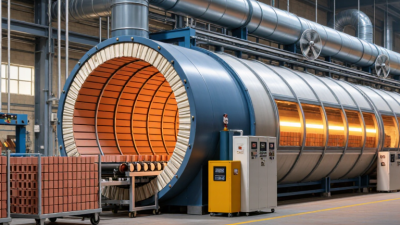
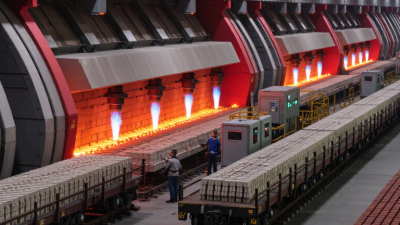
A kiln used for firing bricks isn’t just some heated chamber—it's pretty much the heart of the whole process. It’s responsible for controlling how the shaped clay dries, hardens, and gains strength over time. Usually, in a typical brick plant, bricks go through different zones — heating, firing, and cooling. Things like temperature, airflow, the quality of fuel, and how you load the kiln all play a big role in what the final bricks turn out like. If the kiln isn’t running smoothly, you might end up with some bricks that are pale and weak sitting right next to others that are over-fired, cracked, or burnt. Even tiny differences can make a big difference, no joke.
Now, when we talk about energy — that’s a big deal, especially these days. According to the 2024 Global Status Report by the Global Alliance for Buildings and Construction, buildings and construction together used up about 32% of the world's energy in 2023 and contributed roughly 34% of the related carbon dioxide emissions. Keep in mind, that’s not just about brick kilns—it's the whole sector. But it’s clear why improving kiln efficiency is super important. A report from the World Bank back in 2011, which looked at how Bangladesh’s brick sector could use energy-efficient, clean tech, highlights an important point: doing upgrades works best when operators get proper training and keep an eye on firing conditions.
This guide is here to walk you through different types of kilns, the stages they go through, fuel options, and what factors impact their performance. It also points out how an Ecp Production Line can help connect the dots — from shaping, drying, firing, to handling — to make the whole process more consistent and efficient. Of course, not every factory's setup is the same. Things like the local clay, how much they want to produce, what kinds of fuels they can use, and how skilled the operators are will influence what kind of kiln setup makes sense. Real-world plants are rarely perfect, and making a good choice involves weighing the expected output against issues like heat loss, repairs, and the experience level of the people running the kiln. It’s all about balancing the numbers with what’s practically achievable on the ground.
What Is a Kiln for Brick Production?
What a Brick Kiln Does: Turning Dried Clay into Fired Masonry
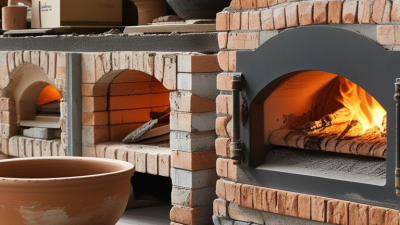
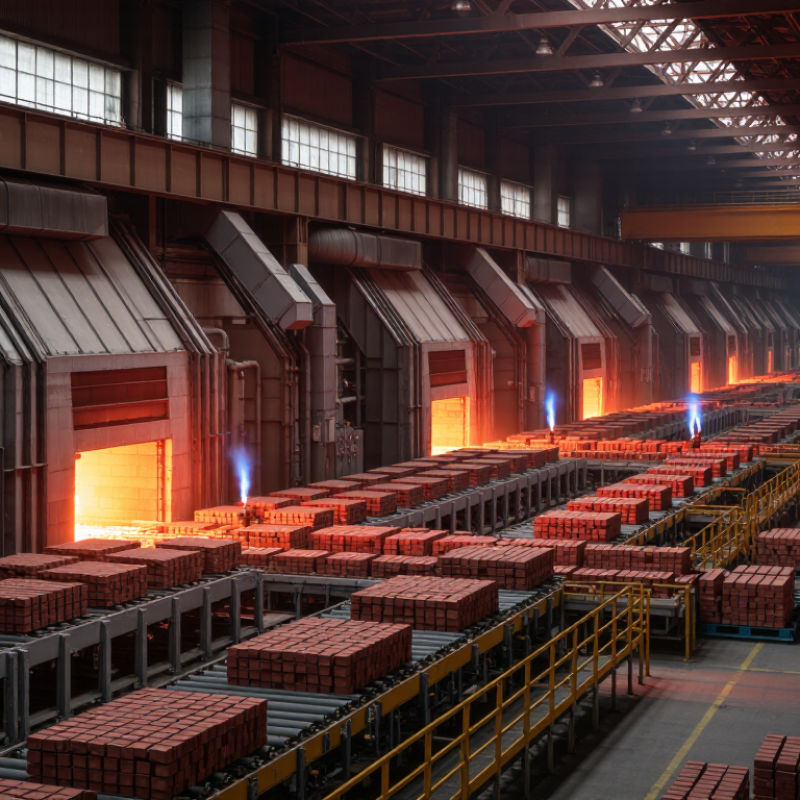
A brick kiln is a heated chamber that turns shaped, dried clay into durable masonry. Inside, bricks warm gradually before reaching the firing stage. This controlled rise matters: trapped moisture can become steam and crack the clay. As heat increases, clay minerals change and particles bond, making each brick stronger and less porous. The exact firing schedule depends on the clay and kiln design.
Kiln operators also manage airflow, spacing, and cooling. Bricks stacked too closely may heat unevenly; a pale patch or hairline crack can reveal the problem. During firing, color can shift from dusty brown to red or buff, depending on the clay. Not every batch behaves perfectly. Even with careful controls, small differences in moisture and placement can affect the result. That is worth checking, not brushing aside.
Tips: Let bricks dry thoroughly before firing. Keep gaps between stacks for airflow, and inspect samples for cracks, shape, and consistent color. Cool them gradually; rushing this stage can cause damage.
| Production Stage | What the Kiln Does | Typical Conditions | Effect on the Brick |
|---|---|---|---|
| Loading and setting | Places dried clay bricks inside the kiln with spaces that allow heat and gases to circulate. | Bricks are arranged according to kiln design, product shape, and firing schedule. | Consistent spacing helps reduce uneven heating and firing defects. |
| Preheating | Gradually warms the load and removes remaining moisture before the bricks reach higher temperatures. | Temperature rises in a controlled manner; the schedule depends on brick size, moisture, and kiln type. | Gradual heating lowers the risk of cracking caused by rapid moisture expansion. |
| Oxidation and burnout | Provides heat and, where the firing atmosphere allows, oxygen for burning out residual organic matter in the clay. | Airflow and temperature are managed to suit the clay body and firing process. | Helps produce a more uniform fired body and can affect the brick’s color. |
| High-temperature firing | Raises the clay to a temperature at which mineral changes and sintering strengthen the brick. | Many clay bricks are fired broadly around 900–1,100 °C (1,650–2,010 °F), though the suitable range varies with the clay and product. | Develops the strength, durability, and water absorption characteristics required for the intended use. |
| Soaking and temperature control | Maintains the target firing conditions long enough for heat to penetrate the load. | Peak temperature and hold time are set by the manufacturer’s process and kiln control plan. | Helps limit differences between bricks positioned in different parts of the kiln. |
| Controlled cooling | Reduces the temperature of the fired load at a managed rate before unloading. | Cooling rate depends on kiln design, brick composition, and the desired product properties. | Reduces thermal stress and helps prevent cracking or damage during handling. |
| Unloading and inspection | Allows cooled bricks to be removed, checked, and sorted by appearance and performance. | Inspection criteria may include dimensions, visible cracks, color consistency, and applicable product requirements. | Identifies bricks suitable for their intended masonry application. |
Firing temperatures and schedules are process-dependent; actual settings vary with clay composition, brick dimensions, kiln design, and product specifications.
Turning red mud into durable bricks offers a practical way to make use of this industrial by-product. With a suitable mix design, red mud can be combined with materials such as clay or coal gangue, then shaped and compacted into bricks. The final strength and quality depend on the proportions, moisture level, and production process, so preparing and testing the mixture helps ensure reliable results.
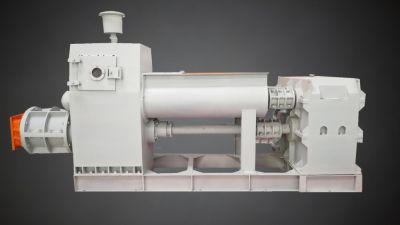
The brick-making machine is designed for flexible production and can form solid, multi-hole, or hollow bricks by changing the mould. Its broad material applicability makes it suitable for different production needs, while a single motor helps keep the power system straightforward and reduce energy consumption. By pairing an appropriate red-mud mixture with consistent forming pressure, producers can manufacture durable brick products in a range of shapes for construction applications.
It heats shaped, dried clay until the particles bond and form durable masonry.
Trapped moisture can turn into steam and crack the clay. Drying matters.
The full journey often takes 24–72 hours, including drying, firing, and cooling.
No. Residence time measures the period from kiln entry to exit.
Tight stacking can restrict airflow. Uneven moisture, temperature, or spacing can also affect results.
Clay composition and firing conditions influence color, which may range from red to buff.
They inspect samples for cracks, color, strength, and consistent dimensions. Small flaws can be clues.
No. The schedule depends on the clay, brick shape, moisture, and kiln design. A general time is only a starting point.
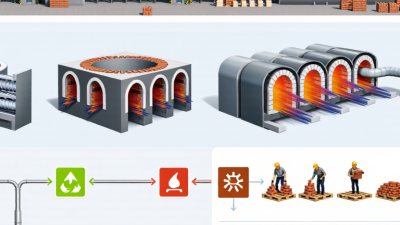
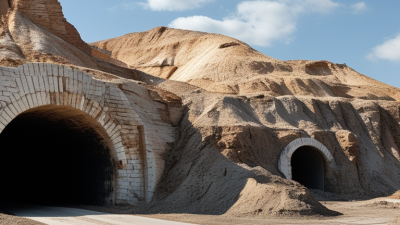
A Kiln For Brick Production transforms dried clay into durable masonry through carefully controlled heat. Brick kilns generally fall into three categories: intermittent kilns, which fire batches separately; Hoffmann kilns, which use a sequence of connected chambers; and tunnel kilns, where bricks move continuously through the firing process. Their key components include distinct heating and cooling zones, heat-resistant refractory linings, and, in many continuous systems, cars that carry bricks through the kiln.
The process typically moves through preheating, firing, and controlled cooling. Firing temperatures commonly range from about 900 to 1,100°C, while a tunnel kiln journey may take 24 to 72 hours, depending on the product and operating conditions. Fuel choice, kiln atmosphere, airflow, and temperature controls all affect the finished brick’s strength, color, and consistency. Managing emissions and cooling carefully also supports efficient operation and reliable product quality.