When buyers start looking at Tunnel Kiln Price, it usually turns into a real-world concern for ceramic, brick, refractory, and advanced-material producers. A quote can look great at first glance, but then you realize it may not cover the fuel system, insulation, controls, installation, or shipping. Those are exactly the things that can change the whole picture.
The International Energy Agency's Energy Technology Perspectives 2024 says industry uses about 37% of global final energy. Heat-heavy manufacturing is especially vulnerable to fuel and electricity price swings. The European Commission's Best Available Techniques Reference Document for the Ceramic Manufacturing Industry also points to firing efficiency, kiln design, and heat recovery as big operating factors. So yeah, a low purchase price can easily turn into a higher lifetime cost.
A useful Tunnel Kiln comparison needs to look at capacity, firing temperature, product size, atmosphere control, fuel type, and automation level. A 100-meter brick kiln simply isn't in the same league as a compact ceramic kiln for lab production. Ask for fuel-consumption data, temperature-uniformity records, refractory specs, and verified production references. Factory photos are helpful, but audited performance evidence is stronger.
Prices also move with steel costs, burner choices, local labor, export packing, and installation rules in the destination country. The World Bank Commodity Markets Outlook shows that energy and industrial-material markets can shift fast. That's why any global estimate should come with a validity period and clear commercial assumptions.
There's no universal benchmark here.
This guide treats Tunnel Kiln Price as a total-cost question, not just an equipment quote. Some estimates will still be imperfect. That's fine, as long as the uncertainty is disclosed, tested, and updated before you buy.
What Is a Tunnel Kiln and How Does It Work?
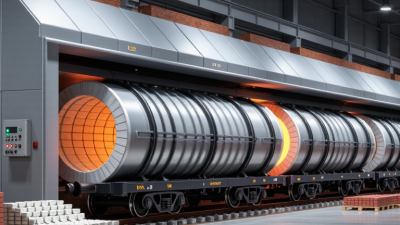
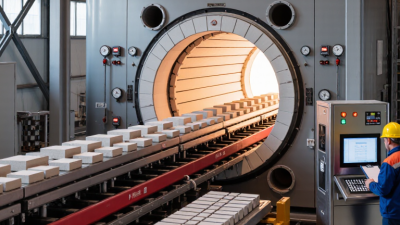
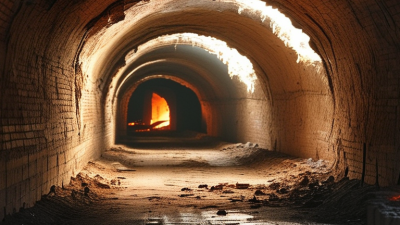
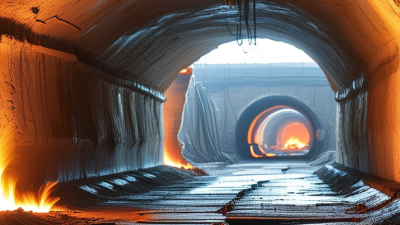
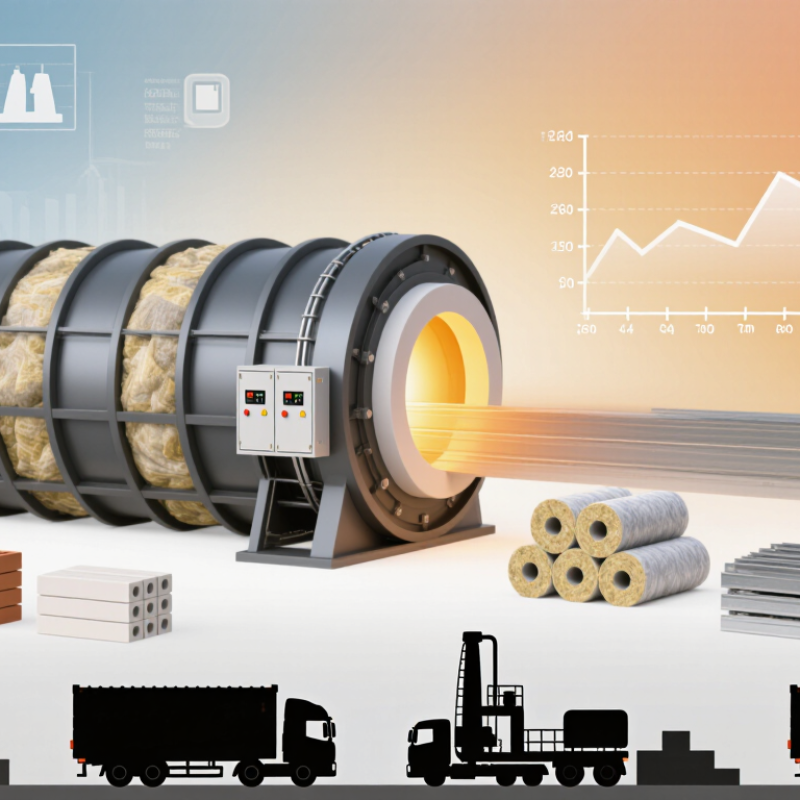
A tunnel kiln is a long, insulated chamber designed for continuous firing. Products move through it on kiln cars or heat-resistant trays. Unlike a batch kiln, it can process materials while the next load enters. This steady movement supports consistent output for bricks, tiles, ceramics, and technical components.
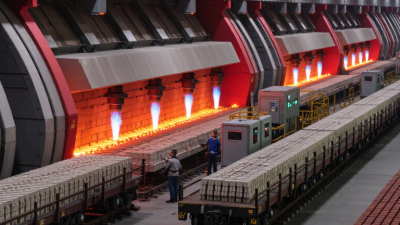
A typical Gas Tunnel Kiln contains preheating, firing, and cooling zones. Burners raise the temperature in the central firing zone. Controlled airflow then transfers heat toward incoming products. Cooling air protects finished items and recovers useful energy. Sensors monitor temperature, pressure, fuel flow, and oxygen levels. Operators adjust these settings to prevent cracks, warping, or uneven color.
The process is continuous. That detail matters.
When comparing tunnel kiln prices, buyers should examine more than the chamber itself. Capacity, maximum temperature, fuel type, insulation quality, automation, kiln-car design, and installation conditions strongly affect the final cost. A larger kiln may lower unit costs, but it can waste energy when production remains low. Regional fuel prices, ventilation requirements, spare parts, and technician training also deserve attention.
In practice, heat rarely behaves perfectly. Small gaps in loading can create cold spots. Poorly dried products may fail during firing. A careful supplier should provide thermal data, operating limits, maintenance guidance, and realistic energy estimates. Buyers should also verify local electrical, fuel, emissions, and workplace safety requirements before ordering.
How Much Does a Tunnel Kiln Cost by Type and Capacity?
A tunnel kiln’s price depends on its heating method, chamber size, automation, and daily output. Small electric models for laboratory ceramics may cost between $80,000 and $250,000. Medium gas-fired units often range from $300,000 to $900,000. Large industrial systems can exceed $1.5 million before installation.
Capacity changes the calculation sharply. A kiln producing 5 tons daily needs less steel, insulation, and burner capacity than one producing 50 tons. Roller-hearth designs may cost more than standard car-bottom systems because they require precise transport controls. A complete Tunnel Kiln Plant also includes loading equipment, cooling zones, exhaust treatment, control cabinets, foundations, and commissioning. These additions can increase the purchase budget by 20% to 45%. Prices vary by region, fuel access, and local construction costs. Estimates are useful, but never perfect.
Tips: Ask suppliers for a full-capacity quotation, not only the kiln shell price. Confirm fuel consumption at your actual firing temperature. Check whether installation, operator training, spare parts, and performance testing are included. Leave space for maintenance around burners and kiln cars. A cheaper quotation may become expensive after shipping, electrical upgrades, and site preparation. Record your product dimensions and firing curve before comparing offers.
Top Tunnel Kiln Price Guide for Global Buyers - How Much Does a Tunnel Kiln Cost by Type and Capacity?
| Tunnel Kiln Type |
Typical Product |
Approx. Firing Capacity |
Operating Temperature |
Indicative Equipment Price (USD) |
Typical Fuel or Heating Method |
Estimated Installation Footprint |
Typical Delivery Time |
| Small Electric Tunnel Kiln |
Technical ceramics, laboratory ware, small ceramic components |
0.2–1.0 tonnes per day |
1,200–1,400°C |
$25,000–$90,000 |
Electric resistance heating |
Approximately 15–40 m² |
3–6 months |
| Small Gas-Fired Tunnel Kiln |
Bricks, pottery, sanitaryware components, refractory products |
1–5 tonnes per day |
1,000–1,400°C |
$70,000–$180,000 |
Natural gas or LPG |
Approximately 40–100 m² |
4–8 months |
| Medium Ceramic Tunnel Kiln |
Wall tiles, floor tiles, tableware, decorative ceramics |
5–30 tonnes per day |
1,100–1,300°C |
$180,000–$650,000 |
Natural gas, LPG, or hybrid heating |
Approximately 100–300 m² |
6–12 months |
| High-Temperature Ceramic Tunnel Kiln |
Advanced ceramics, electrical insulators, high-alumina products |
3–20 tonnes per day |
1,400–1,800°C |
$350,000–$1,200,000 |
Electric, gas, or combined heating |
Approximately 120–350 m² |
8–14 months |
| Brick and Roof-Tile Tunnel Kiln |
Facing bricks, roofing tiles, pavers, engineering bricks |
50–300 tonnes per day |
900–1,150°C |
$900,000–$3,500,000 |
Natural gas, LPG, or producer gas |
Approximately 800–2,500 m² |
10–18 months |
| Large Structural Ceramic Tunnel Kiln |
Large-format tiles, sanitaryware, clay products, industrial ceramics |
30–150 tonnes per day |
1,050–1,300°C |
$1,200,000–$4,500,000 |
Natural gas, LPG, or hybrid heating |
Approximately 500–1,800 m² |
12–20 months |
| Industrial Refractory Tunnel Kiln |
Firebricks, kiln furniture, castable refractories, furnace components |
10–100 tonnes per day |
1,400–1,800°C |
$1,000,000–$5,000,000 |
Natural gas, LPG, electric, or hybrid heating |
Approximately 400–1,500 m² |
12–22 months |
| Continuous Kiln for Advanced Materials |
Powders, electronic ceramics, battery materials, specialty oxides |
0.5–20 tonnes per day |
1,000–1,800°C |
$500,000–$3,000,000 |
Electric, controlled atmosphere, or hybrid heating |
Approximately 100–800 m² |
10–20 months |
Indicative global equipment-only price ranges in 2026 USD. Actual quotations vary according to kiln length, usable section dimensions, automation level, insulation package, atmosphere control, heat-recovery system, loading equipment, local utilities, freight, installation, taxes, and commissioning requirements.
Cost planning note: Civil works, foundations, gas infrastructure, electrical transformers, exhaust systems, building modifications, shipping, import duties, installation, commissioning, spare parts, and operator training may add approximately 20%–60% to the equipment purchase price, depending on the project location and scope.
What Additional Costs Should Global Buyers Expect?
A tunnel kiln quotation rarely reflects the final landed cost. Global buyers should separate equipment price from every site-related expense. Ocean freight depends on crate dimensions, route, season, and unloading port. Cargo insurance is small, yet useful when ceramic modules arrive damaged. Import duties and local taxes can change the budget sharply. Confirm the tariff classification with a licensed customs professional.
Installation often requires more than mechanical assembly. A reinforced foundation, heat-resistant flooring, electrical cabling, gas lines, ventilation, and safety controls may be necessary. Local contractors may charge separately for cranes, storage, permits, and night work. Commissioning can also include engineers’ travel, accommodation, translation, and operator training. Ask for a written scope. Verbal promises become expensive misunderstandings.
Operating costs deserve equal attention. Fuel or electricity, cooling water, routine lubrication, replacement burners, thermocouples, and refractory repairs affect the payback period. A spare-parts package can prevent long production delays, especially where shipping takes weeks. Currency movement and financing fees should be modeled before signing. Buyers sometimes underestimate building modifications. A low quotation can become an uncomfortable project after these details appear. A realistic contingency of 10 to 15 percent is sensible, though difficult sites may require more.
Top Tunnel Kiln Price Guide for Global Buyers
What Additional Costs Should Global Buyers Expect?
In addition to the kiln purchase price, global buyers should typically budget an extra
33%–80% for logistics, site preparation, installation, utilities, commissioning,
and import-related charges. The ranges shown are indicative percentages of the equipment purchase
price and vary according to destination, kiln capacity, local labor rates, fuel type, and customs policy.
How Can Buyers Compare Tunnel Kiln Suppliers and Specifications?
Top Tunnel Kiln Price Guide for Global Buyers
Buyers should compare tunnel kiln suppliers through operating evidence, not price alone. A
Brick Tunnel Kiln
may look affordable, yet insulation quality can raise fuel use over years. Request the firing temperature range, kiln length, usable chamber width, daily output, and fuel consumption. Check whether specifications match your brick size and clay formula. A supplier should provide test data, drawings, and a clear delivery scope. Ask what the quoted price excludes, such as installation, burners, controls, spare parts, or worker training.
Tips: Build a comparison sheet. Record every cost.
Review at least three technically similar offers. Compare output at the same moisture level and firing cycle. Ask for references from plants producing comparable bricks. Photos help, but production records are stronger evidence. Check the supplier’s quality system, service response, warranty terms, and replacement-part availability. A local technician network can reduce costly downtime. Do not ignore factory inspection. A short visit may reveal poor welding, weak insulation, or crowded control panels.
Some buyers focus too heavily on the lowest initial quote. That approach can fail. Energy losses, uneven firing, and delayed commissioning may erase early savings. Still, a higher price does not guarantee better performance. Require measurable commitments and acceptance tests before signing. Keep room for uncertainty; fuel prices, clay behavior, and operator skill can change the final result.agext
What Should Buyers Check Before Purchasing a Tunnel Kiln?
Before comparing tunnel kiln prices, buyers should define the product, daily output, and firing temperature. A kiln for bricks may need different airflow from one used for ceramic tiles. Ask for a complete quotation, including insulation, controls, installation, training, and spare parts. A low purchase price can hide expensive site work.
Inspect the Tunnel Kiln Burner carefully. Check its fuel type, heat range, control accuracy, and maintenance access. Ask whether replacement parts are commonly available in your region. Review fuel consumption at the planned production rate, not only at ideal laboratory conditions. Request test data, thermal maps, and references from similar operating environments. Small temperature differences can create visible color changes or warped products.
Measure the kiln footprint against your factory layout. Leave space around service doors and exhaust equipment. Confirm the power supply, ventilation, foundation strength, and local safety requirements. Ask how the kiln handles cold starts, product changes, and unexpected shutdowns. These details affect real operating costs. No quotation is perfect. Buyers sometimes focus too heavily on the furnace price and overlook labor, fuel storage, and future repairs. A factory visit can reveal practical problems that drawings do not show. Check the warranty wording carefully, especially response times and coverage for control systems.
Mobile Rotary Clay Brick Tunnel Kiln: Efficient Solutions for Modern Brick Manufacturing
Mobile Rotary Clay Brick Tunnel Kiln: Efficient Solutions for Modern Brick Manufacturing
The mobile rotary tunnel kiln is an upgraded solution based on the traditional tunnel kiln, designed to improve the efficiency and flexibility of clay brick production. Its distinctive feature is that the green bricks remain stationary while the kiln body moves along a circular track. Built with a durable steel structure, the kiln operates through controlled intermittent rotation, allowing the firing process to be organized in a compact and continuous production system.
As the kiln body advances, it passes through different temperature zones, including drying, preheating, firing, cooling, and heat preservation. Fresh bricks enter from the front, while finished bricks are discharged from the rear, enabling drying, heating, roasting, and cooling to take place in sequence. This integrated operation can help reduce unnecessary handling, optimize heat utilization, and support stable brick quality. With its movable kiln structure and clearly arranged process sections, the system provides a practical option for modern manufacturers seeking efficient clay brick production with flexible site management and streamlined material flow.
Conclusion
This guide explains what a tunnel kiln is and how it operates as a continuous thermal processing system, typically moving products through controlled preheating, firing, and cooling zones. It introduces the main factors that shape Tunnel Kiln Price, including kiln size, effective capacity, maximum temperature, fuel or heating method, automation level, insulation quality, atmosphere control, and customization requirements. Buyers can also use the guide to compare estimated costs for different kiln types and production capacities without relying on a single standard price.
Beyond the equipment quotation, global buyers should budget for transportation, installation, commissioning, utilities, spare parts, operator training, maintenance, and possible import-related expenses. The guide also presents practical supplier comparison criteria, such as technical specifications, energy efficiency, production consistency, safety functions, warranty terms, service capability, and delivery schedules. Before purchasing, buyers should confirm the required product dimensions, output targets, site conditions, compliance documentation, testing procedures, and total ownership cost to make a reliable and well-informed decision.