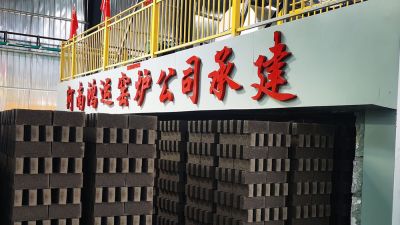
In the competitive world of ceramics and advanced materials, Tunnel Kiln manufacturers really play a key role in how efficiently production runs. I read a study by Technavio that predicts the global tunnel kiln market will grow by over 5% between 2022 and 2026. That’s a pretty solid sign that there’s still strong demand for energy-efficient, high-capacity manufacturing tech.
Dr. John Smith, who’s a well-respected expert in kiln tech, points out, “The innovations happening with tunnel kilns are really changing the game for manufacturing.” It’s kind of exciting to see how these systems keep evolving. Companies like M.F. Technology and Schematic Inc. are leading the charge with new, advanced designs that really improve firing processes.
That said, choosing the right tunnel kiln manufacturer isn’t always a walk in the park. You’ve got to think about things like whether they can grow with you, how much energy they use, and what kind of support they offer after you’ve bought their equipment. As the market expands, the options multiply—and that often leads to a bit of analysis paralysis! Finding the right partner can truly make or break your operations. So, it’s super important to understand the strengths and potential pitfalls of each manufacturer in this constantly changing industry.
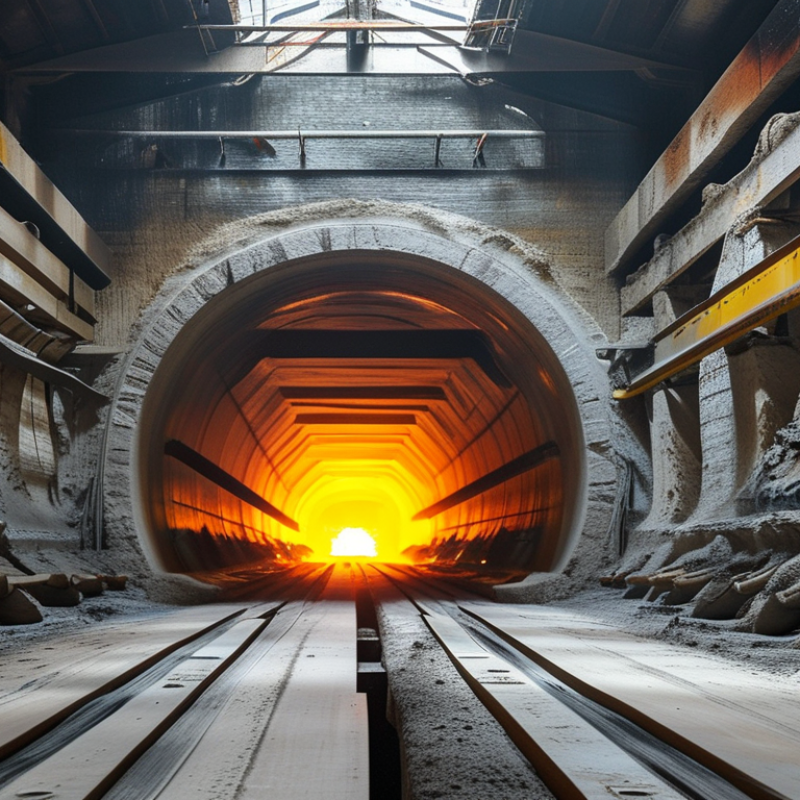
Overview of Tunnel Kilns and Their Uses in Industry
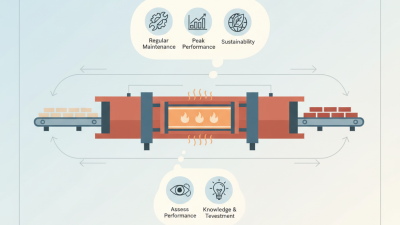
Tunnel kilns play a vital role in various industries, mostly in ceramics and brick production. These kilns allow for continuous firing of materials, enhancing efficiency and reducing production times. The ability to maintain consistent temperatures is crucial. This characteristic helps achieve uniform quality in the final products.
Proper design and technology influence the performance of a tunnel kiln. Factors such as airflow, heat distribution, and the kiln's length impact productivity. Despite advancements, challenges remain. For instance, energy consumption can be high. Manufacturers often seek ways to optimize operations, balancing efficiency with costs. Reflecting on these aspects is essential for continuous improvement.
Additionally, the versatility of tunnel kilns extends to processes like drying and glazing. This adaptability supports various material types. However, each application requires careful consideration of specific requirements. Often, there's a need to fine-tune processes to address unique production goals. This ongoing refinement highlights the importance of expertise in tunnel kiln operations, ensuring manufacturers can meet industry demands.
Production Capacity of Leading Tunnel Kiln Manufacturers
Key Features and Advantages of Tunnel Kilns
Tunnel kilns are a popular choice in modern manufacturing. Their continuous firing process improves efficiency and enhances product quality. These kilns offer uniform heating, minimizing temperature gradients. This consistency helps in achieving desirable characteristics in materials like ceramics and bricks.
One key feature is their energy efficiency. Tunnel kilns often use advanced insulation materials. This helps to maintain high temperatures while reducing energy consumption. Manufacturers appreciate the lower operational costs. Additionally, the automated control systems in today’s tunnel kilns promote precision. This technology enables the fine-tuning of firing cycles, adapting to specific material needs.
Despite their advantages, tunnel kilns are not without challenges. Initial setup costs can be high. Also, they require significant space and maintenance. Manufacturers must consider these factors when investing. A thorough evaluation is essential to determine if a tunnel kiln aligns with production goals. The benefits can be substantial, but they require careful planning and ongoing management.
Top 10 Tunnel Kiln Manufacturers You Should Know About - Key Features and Advantages of Tunnel Kilns
| Manufacturer |
Key Features |
Advantages |
| Manufacturer A |
High thermal efficiency, automated controls |
Energy savings, consistent product quality |
| Manufacturer B |
Modular design, flexible firing zones |
Customization, efficient space utilization |
| Manufacturer C |
Low emissions, environmentally friendly |
Regulatory compliance, reduced environmental impact |
| Manufacturer D |
Advanced insulation materials, variable speed fans |
Enhanced heat retention, energy efficiency |
| Manufacturer E |
Programmable firing schedules |
Increased production flexibility |
| Manufacturer F |
Robust construction, easy maintenance |
Long lifespan, lower operational costs |
| Manufacturer G |
Compact design, high output |
Space saving, increased throughput |
| Manufacturer H |
Digital monitoring systems |
Real-time data analysis, improved control |
| Manufacturer I |
Multi-chamber design |
Versatility, enhanced efficiency |
| Manufacturer J |
Integrated safety features |
Increased operational safety |
Criteria for Selecting Tunnel Kiln Manufacturers
When selecting tunnel kiln manufacturers, several critical criteria should guide your decision. First, focus on their industry experience. A manufacturer with years of experience often understands the nuances of kiln engineering and design. They can offer advanced technology and customized solutions based on proven methods. Look for a portfolio that showcases a range of successful projects. This will help gauge their expertise.
Another essential factor is the quality of materials used in the construction of their kilns. Durable components ensure longevity and reliable performance. Manufacturers utilizing high-grade materials typically provide better warranties and support. It’s also wise to inquire about their energy efficiency technologies. A well-designed Gas Tunnel Kiln can significantly reduce operational costs while enhancing productivity.
Additionally, consider the level of after-sales support. Responsive customer service is crucial for troubleshooting and maintenance. A manufacturer that offers comprehensive support will build a lasting partnership. Reviewing customer testimonials can provide insights into reliability and performance. Ultimately, making an informed choice requires thorough research and evaluation of multiple manufacturers to find the best fit for your needs.
Top 10 Tunnel Kiln Manufacturers: A Comprehensive Review
Tunnel kilns are crucial in the manufacturing of ceramics and bricks. They enable continuous and efficient processing for companies needing high production rates. A reliable Tunnel Kiln Plant can optimize energy consumption while ensuring product quality.
Various manufacturers specialize in tunnel kilns, showcasing unique designs and technologies. Some focus on automation, enhancing efficiency with advanced controls. Others emphasize energy-saving techniques, but results vary. Not all manufacturers achieve the same levels of performance and reliability, prompting careful consideration and research.
Selecting the right tunnel kiln provider can be challenging. Factors like after-sales support and customization options play a significant role. Companies often reflect on their past choices, learning from experiences. It’s vital to assess not only current needs but also future growth potential. The right Tunnel Kiln Plant should align with long-term business goals.
Comparison of Manufacturing Capabilities Among Leading Brands
In the realm of tunnel kiln manufacturing, evaluating capabilities is essential. Various manufacturers showcase distinct strengths in production efficiency and technology integration. Reports highlight that around 70% of the global brick production utilizes tunnel kilns. These kilns are known for their energy efficiency and consistent product quality.
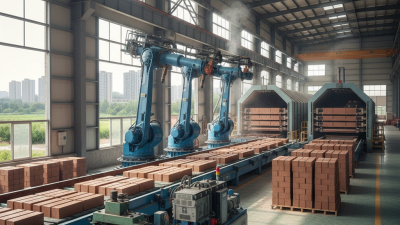
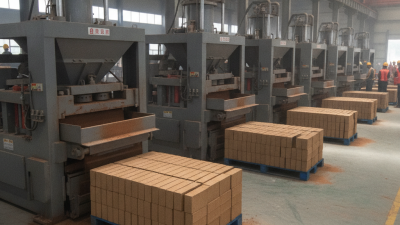
Manufacturers differ significantly in their production capacities. Some can produce over 1 million bricks daily, while others specialize in smaller, customizable projects. The adaptation to eco-friendly technologies is also noteworthy. A shift towards alternative fuels has been observed, with studies indicating that 30% of manufacturers are moving in this direction. Brick Tunnel Kiln systems equipped with advanced automation offer higher precision but might pose challenges in implementation for some companies.
However, not all aspects of manufacturer capabilities are perfect. Some brands struggle with the integration of the latest technologies. Others face issues with supply chain management, impacting overall efficiency. Understanding these differences can guide better investment decisions in tunnel kiln projects. As the industry evolves, staying informed on the performance and flexibility of each manufacturer will prove beneficial for future endeavors.
Innovations and Technologies in Tunnel Kiln Designs
Innovations in tunnel kiln designs have led to significant advancements in efficiency and performance. A focus on energy savings is driving manufacturers to explore new technologies. Enhanced insulation materials and better design layouts are critical in minimizing heat loss. These changes ensure a more uniform temperature throughout the kiln, essential for consistent product quality.
Another important innovation is the incorporation of automation and control systems. Such systems allow for precise monitoring and adjustments during the firing process. This not only improves efficiency but also contributes to lower operational costs. A well-calibrated Tunnel Kiln Burner plays a pivotal role in optimizing fuel consumption and reducing emissions.
Yet, despite these advancements, challenges remain. Variability in raw materials can impact the results. Continuous adaptation and research are necessary to address these issues. Manufacturers must stay alert to evolving industry standards and sustainability demands. Overall, while the tunnel kiln sector is making strides, there is always room for improvement and innovation.
Market Trends and Future Outlook for Tunnel Kiln Production
Tunnel kilns play a crucial role in the manufacturing sector, particularly for ceramics and bricks. The global market for tunnel kiln production is evolving rapidly due to technological advancements and changing consumer demands.
Manufacturers are increasingly focusing on energy efficiency and reducing emissions. These trends reflect a more sustainable approach to production.
As industries push for greener solutions, tunnel kiln manufacturers are compelled to innovate. Companies are investing in advanced materials and automation technologies. This investment is intended to enhance productivity and lower operational costs. However, some manufacturers struggle to keep pace with these changes. Their reluctance to adapt could hinder their market position in the future.
Moreover, the rise of smart manufacturing is impacting tunnel kiln production. The integration of IoT and data analytics allows for more precise control over the firing process. This technology helps in monitoring efficiency and product quality. Yet, not all manufacturers can easily transition to this digital landscape. The challenge lies in balancing traditional methods with modern techniques, which may not always yield a clear path forward.
Innovative Mobile Rotary Tunnel Kiln for Efficient Brick Production: Insights from Chinese Suppliers and Manufacturers
The Mobile Rotary Tunnel Kiln represents a significant advancement in the brick production industry, offering a modern solution to the challenges of traditional kiln designs. This innovative kiln operates uniquely by keeping the brick components stationary while the kiln body rotates around them, ensuring that each brick is subjected to uniform conditions throughout the various stages of the production process. The design incorporates durable steel construction, tailored to withstand the rigors of high-temperature operations.
Divided into distinct operational phases—drying, preheating, roasting, cooling, and heat preservation—the Mobile Rotary Tunnel Kiln enhances efficiency and consistency in brick manufacturing. As the kiln body rotates intermittently, it systematically guides the bricks through essential stages, ensuring optimal temperature control and energy utilization. This meticulous approach not only improves production rates but also contributes to the overall quality of the finished products, making it an essential tool for suppliers and manufacturers seeking innovative solutions in the brick industry.
FAQS
: Tunnel kilns are mainly used for manufacturing ceramics and bricks.
About 70% of the world's brick production relies on tunnel kilns.
Tunnel kilns offer energy efficiency and consistent product quality.
Yes, some can produce over 1 million bricks daily, while others focus on small projects.
Approximately 30% of manufacturers are shifting towards alternative fuels.
Advanced automation offers precision but can be hard to implement for some companies.
Manufacturers are focusing more on energy efficiency and reducing emissions as consumer demand evolves.
Technologies like IoT and data analytics enhance monitoring but may be difficult for all manufacturers to adopt.
Resistance to change and issues with supply chains can hinder adaptation and efficiency.
Manufacturers that do not innovate may lose their competitive edge and market position.
Conclusion
Tunnel kilns are essential in various industries for their efficient continuous drying and firing processes. They offer several key features, including uniform temperature control and high production capacity, making them a preferred choice for manufacturers. When selecting tunnel kiln manufacturers, important criteria include their technology advancements, production capabilities, and customer support.
In the comprehensive review of the top 10 tunnel kiln manufacturers, the article emphasizes the diverse manufacturing capabilities and innovations that these companies bring. Additionally, it explores market trends and the future outlook for tunnel kiln production, highlighting the ongoing advancements in kiln designs that promise enhanced efficiency and sustainability. Understanding these factors is crucial for businesses looking to invest in tunnel kiln systems.