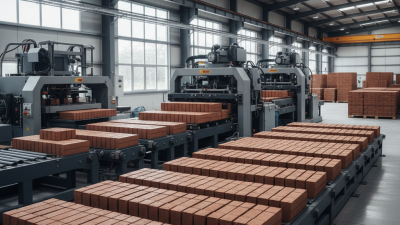
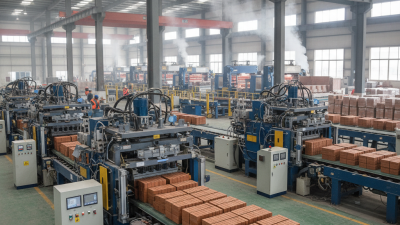
You know, the global demand for construction materials is really booming right now, which means there's a big push for more efficient manufacturing solutions. One standout among these is the Solid Brick Making Machine. It’s basically become a key part of modern construction tech. I read in a report from Grand View Research that the world’s brick market could hit around $217 billion by 2027—talk about how crucial machinery is in keeping up with that kind of growth!
John Smith, who’s quite the expert over at BrickTech Solutions, mentioned, “Using advanced Solid Brick Making Machines can really bump up your production and help cut waste down.” That totally lines up with the whole trend of more sustainable building practices. Choosing the right machine can make a huge difference—boosting output while being mindful of resources. But, digging a little deeper, selecting the best one isn’t always a straightforward thing; it really depends on the specific needs of your project.
Even with all the tech improvements, there are still some hurdles. A lot of buyers struggle to find machines that hit the sweet spot between cost and efficiency. There’s just no one-size-fits-all answer here—what works perfectly for one project might not cut it for another. So, if your company’s thinking about investing in a Solid Brick Making Machine, it’s super important to really understand your project’s unique requirements. Paying attention to those little details can help you make smarter choices and, in the end, lead to better project results.
Overview of Solid Brick Making Machines
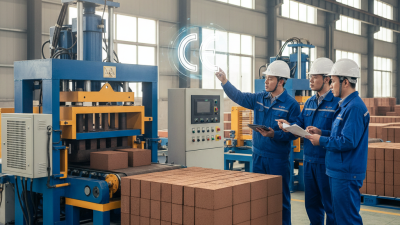
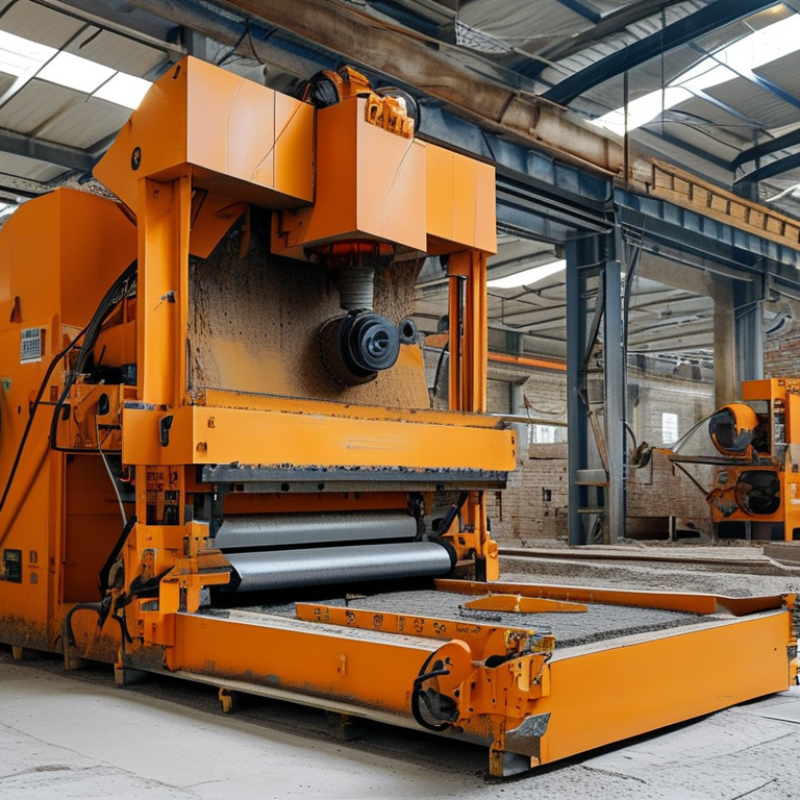
Solid brick making machines play a crucial role in construction and manufacturing. These machines vary in technology, capacity, and design. Generally, they compress clay or other raw materials into solid bricks. The process requires precision and efficiency for optimal production.
Tip: Consider the local availability of raw materials when choosing a machine. This can significantly impact both cost and production efficiency.
When selecting a solid brick making machine, evaluate the operational hours. Machines that run continuously can wear out over time. Regular maintenance is essential to extend their lifespan and improve output quality.
Tip: It's beneficial to conduct a thorough market analysis before making a decision. Understand the demand for solid bricks in your target region. The right knowledge can guide you toward the most suitable "Brick Machine Fired Clay Brick Making Machine" for your needs. Remember, investing in a solid brick making machine is not just about cost; it's about building sustainable production practices.
Key Features to Consider in Brick Making Machines
When selecting a brick making machine, several essential features can determine its effectiveness and efficiency. One vital aspect is the machine's production capacity. Understanding your needs helps in choosing the right model. For small to medium enterprises, a machine that can produce 1,000 to 3,000 bricks per day may suffice. Larger operations might need something more robust.
Material quality is another key consideration. Machines made from durable steel last longer and require fewer repairs. Check for solid construction since this directly affects output consistency. A reliable machine minimizes downtime and ensures smooth operations.
Additionally, ease of use is crucial. Operators should find controls intuitive. Complicated systems can lead to mistakes and decreased productivity. Look for machines that come with user-friendly interfaces and clear instruction manuals. Training requirements can also be a concern. Not all operators may have prior experience, so accessible operational guidelines are beneficial. Reflecting on these points helps ensure a better investment in brick-making machinery.
Top 10 Solid Brick Making Machines for Global Buyers
The global demand for solid Brick Making Machines is on the rise. Recent industry reports indicate that the market is projected to grow at a rate of 5.7% annually from 2023 to 2030. This growth reflects the increasing need for durable construction materials worldwide. Countries with expanding urban centers need these machines to meet the demand for solid bricks.
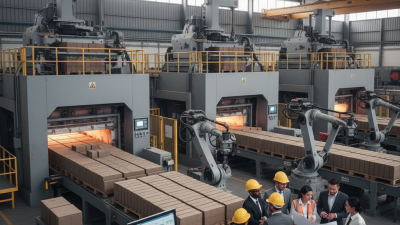
Innovations in brick making technology enhance production efficiency. Many machines now integrate automation, allowing higher outputs per hour. However, the initial investment can be significant, which poses a challenge for smaller enterprises. Some report machine failures due to improper operation or maintenance, leading to production delays. Training operators on the specific needs of the brick making machine is crucial for success.
Environmental regulations also affect the brick industry. Some solid brick making machines require raw materials like clay and shale, which can create sustainability issues. Reports show that about 25% of brick production contributes to greenhouse gas emissions. Companies are urged to consider eco-friendly options and during the decision process. Adopting greener practices is essential for meeting modern standards and consumer expectations in construction.
Comparison of Brick Making Machines by Price and Performance
When evaluating brick making machines, price and performance significantly influence buyers. Different machines have distinct capabilities, affecting their production output and efficiency. For instance, some machines operate at lower costs but may deliver fewer bricks per hour. This price-performance gap often leads buyers to reconsider their options.
A solid brick machine should deliver consistent quality. Performance metrics, such as energy consumption and maintenance needs, reveal essential insights. Buyers need to weigh these aspects against their budget. Some machines may seem affordable upfront, but high operating costs can diminish profitability over time. Consideration of long-term implications is crucial in this industry.
Investing in a reliable brick machine can lead to increased production and better quality bricks. However, buyers must reflect on their specific requirements before making a decision. Quality assurance and warranty options also play a key role during the selection process. It’s vital to gather input from existing users to avoid potential pitfalls. Each machine has its strengths and weaknesses in the complex world of Brick Machine Making, and careful analysis ensures smarter investments.
Sourcing Tips for High-Quality Brick Making Equipment
Sourcing high-quality brick making equipment requires careful consideration. Start by evaluating the manufacturer's reputation. Look for companies with extensive experience in the industry. Reliable manufacturers often have a track record of successful installations. This knowledge can guide your decision-making process.
Location matters too. Domestic suppliers may offer better support services, while international firms could provide advanced technology. Examine the materials used in the machinery. Machines made from high-grade steel generally last longer. Performance and durability are key attributes that can’t be overlooked.
Also, consider the machine’s features. Automated systems may increase efficiency but could be more complex to maintain. Simplified machines might be easier to operate, yet they may lack some modern conveniences. Assess your specific needs carefully. Rushing into a purchase can lead to regret later on. Make sure to seek expert advice when in doubt. Understanding the balance between cost and quality is crucial for long-term success.
Maintenance Essentials for Brick Making Machines
Maintaining brick making machines is crucial for optimal performance. Regular inspections help identify wear and tear. Check belts, gears, and motors often. If you notice unusual noises, address them immediately. Ignoring these signs could lead to costly breakdowns.
Lubrication is essential for moving parts. Use the recommended lubricants to minimize friction. This simple step can prolong the machine's life. Keep the machine clean, too. Dust and debris can accumulate and affect functionality. A dirt-free workspace enhances efficiency and safety.
Operators should receive training in maintenance. They need to understand basic troubleshooting techniques. Documenting maintenance history also helps track performance. A solid record can reveal patterns in repairs. This may guide future decisions, like upgrades or replacements.
Future Trends in Brick Making Technology
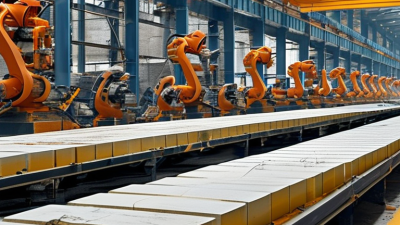
The future of brick making technology is evolving rapidly. Automation and artificial intelligence are driving significant changes. Machines are becoming smarter and more efficient. This results in higher production rates and lower labor costs. Innovations are helping to improve the quality of products. For instance, the use of smart sensors can enhance the consistency of bricks. These sensors can monitor the mixing process in real-time.
Sustainability is another pressing trend in the industry. Eco-friendly materials are gaining traction in brick production. Manufacturers are exploring recycled materials for creating bricks. This reduces waste and supports environmental initiatives. However, adapting to these changes can be challenging. Industries must invest in training and equipment to integrate new practices smoothly.
The "Red Brick Making Machine" represents a shift towards more advanced technologies. While traditional methods still hold value, innovation offers new opportunities. Companies must balance reliability with modern requirements. Embracing new technologies can lead to sustainable growth. Yet, the transition demands careful planning and execution. Understanding market needs is essential for success.
Top 10 Solid Brick Making Machines for Global Buyers
| Machine Model |
Production Capacity (Bricks/Day) |
Power Consumption (kW) |
Weight (kg) |
Key Features |
| Model A |
20,000 |
35 |
2000 |
Automatic Control, High Efficiency |
| Model B |
25,000 |
40 |
2200 |
Energy Efficient, Durable |
| Model C |
30,000 |
50 |
2500 |
Compact Design, User-Friendly |
| Model D |
18,000 |
30 |
1800 |
Robust Structure, Easy Maintenance |
| Model E |
22,000 |
45 |
2300 |
High Precision, Low Noise |
| Model F |
28,000 |
55 |
2400 |
Automated Process, High Output |
| Model G |
26,000 |
42 |
2100 |
Versatile Production, Eco-Friendly |
| Model H |
24,000 |
48 |
2500 |
High Reliability, Flexible Configurations |
| Model I |
21,000 |
38 |
2000 |
Low Maintenance, High Performance |
| Model J |
23,000 |
53 |
2350 |
Advanced Technology, Cost Effective |
Efficient Clay Brick Production: Enhancing Material Rationing with China Suppliers' Rubber Belt Box Feeder
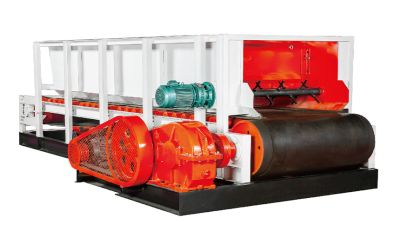
Efficient material rationing is critical in the production of clay bricks, especially in contexts demanding high quality and sustainability. The innovative Box Feeder from top suppliers in China plays a vital role in enhancing production efficiency. Designed to manage material flow effectively, this equipment not only ensures precise measurement of raw materials but also addresses the industry's need for steady operational throughput. According to industry reports, optimizing material supply can reduce waste by up to 30%, leading to significant cost savings over time.
The Box Feeder employs advanced technology to control the feed rate through adjustable conveyor belt speeds and height modifications of the flash board. This level of customization allows manufacturers to create an ideal balance of pug and combustion materials while ensuring that even large, soft clays are processed effectively. Research indicates that integrating such feeder systems can increase overall productivity by 25% compared to traditional methods, highlighting the Box Feeder's significant impact on operational efficiency.
Moreover, the durability and high-quality construction of the Box Feeder contribute to reduced maintenance costs and extended operational lifespan. As the market demands more sustainable practices, utilizing technology that optimizes material handling not only enhances production efficiency but also aligns with the industry's shift towards eco-friendly manufacturing. This makes the Box Feeder an indispensable tool for modern clay brick production facilities aiming to improve their operational metrics.
FAQS
: Solid bricks are commonly made from clay and other raw materials. The compressing process is essential for their formation.
Local raw material availability can impact both cost and production efficiency. It's best to consider this before purchasing machinery.
Regular maintenance extends the machine's lifespan and improves output quality. Without it, machines may wear out quickly.
Consider the manufacturer's reputation, material quality, and support services. These factors can greatly influence your buying decision.
Automated machines can boost efficiency but may be more complex to maintain. Evaluate your specific needs before deciding.
Regular inspections are crucial. Check for wear, unusual noises, or other issues that could lead to costly breakdowns.
Proper lubrication minimizes friction and prolongs the machine's life. Always use recommended lubricants for the best results.
Yes, operators should be trained in maintenance and basic troubleshooting. This knowledge can prevent many operational issues.
Absolutely. Dust and debris can accumulate and impact functionality. Keeping a clean workspace enhances both efficiency and safety.
Documenting maintenance helps track performance and repair patterns. This can guide future decisions, like upgrades or replacements.
Conclusion
The article titled "Top 10 Solid Brick Making Machines for Global Buyers" provides a comprehensive overview of solid brick making machines, highlighting their essential features and the considerations buyers should keep in mind. It emphasizes the significance of performance and price in selecting the right equipment, catering to the diverse needs of global buyers.
Additionally, the article delves into maintenance essentials that ensure the longevity and efficiency of solid brick making machines. It concludes by discussing emerging trends in brick making technology, which could shape the future of the industry. This guide not only aids readers in making informed purchasing decisions but also encourages best practices in maintaining brick making equipment for optimal results.