Choosing a solid brick making machine manufacturer? Don't just fall for the flashy output specs. You need to check out the entire setup – from how the raw materials are fed into the machine, to the vibration system, pallet handling, and even the curing stage. Sure, that machine might look sleek and impressive on the showroom floor, but that's only half the story. The real test is in your factory, with your materials. Where it really shines, though, is when you're running shifts back-to-back, swapping out molds, or just doing your regular upkeep—that's when you see its true worth.
Taiichi Ohno—the guy who came up with the Toyota Production System—once had a saying that hits home when you're picking equipment: 'Where there is no standard, there can be no kaizen.' So what does that mean for brick production? You can't just rely on vague promises. You've got to ask how they actually measure cycle time, product consistency, and downtime. Get them to show you real operating data, clear specs, and references from plants that produce something similar. Honestly, the small stuff ends up being a big deal. So, when you're getting everything set up, don't forget to go over the mold-change process, give those wear parts a good once-over, and just make sure you've clarified what kind of service support you'll get after installation.
So, if you're looking for manufacturers to watch in 2026, this guide rounds up ten of them. We're not just listing names—we dig into what each one focuses on, how they handle automation, whether they're flexible with production, and what kind of support you can expect. But hey, this isn't a definitive ranking or anything like that. Honestly, the right fit for you really depends on things like what materials you've got locally, the exact brick dimensions you're aiming for, how much floor space you're working with, and your overall production plans. Also, a heads-up: the capacity numbers they publish might not always match what actually happens on the ground. So yeah, you'll want to look at those with a bit of skepticism. You know what makes a comparison truly useful? It's not just ticking boxes—it's about helping you ask better questions before you even get to the point of requesting a quote, visiting a plant, or settling on a production layout. That's where the real difference lies.
How Solid Brick Making Machines Work
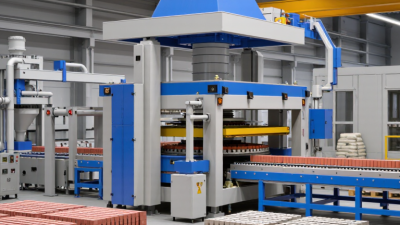
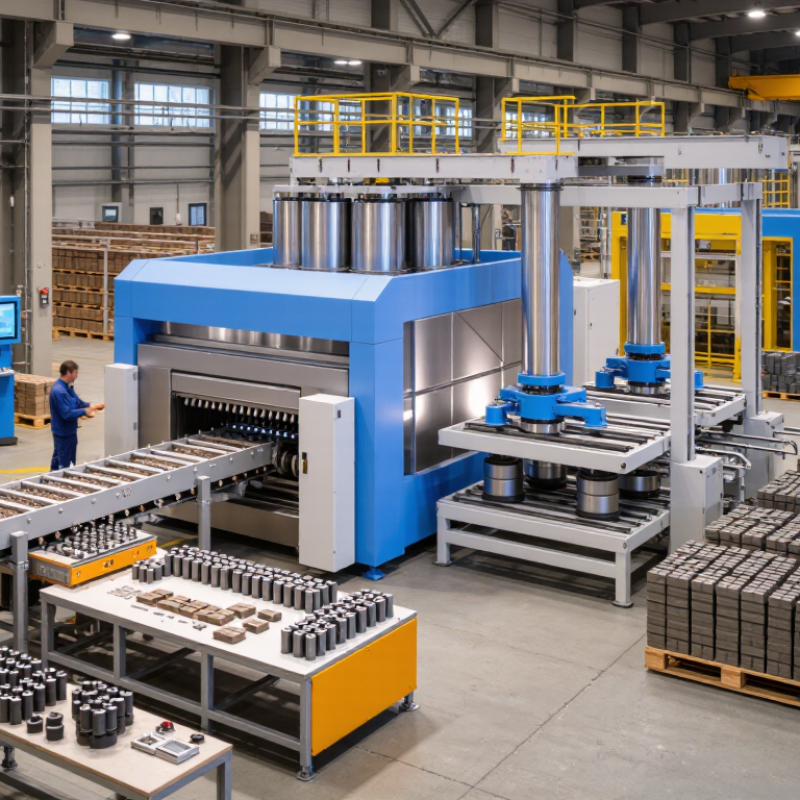
A solid brick making machine turns a measured mix of cement, aggregates, and water into dense units through controlled feeding and compaction. The mix enters a hopper, then a feeder spreads it across the mold. Small changes in moisture matter. If the mix is too wet, bricks may stick or deform; if too dry, edges can crumble after demolding.
Inside the mold, vibration helps particles settle while mechanical or hydraulic pressure compresses them. The machine then releases the fresh bricks onto a pallet. Operators move the pallets to a curing area, where controlled moisture and time help the bricks gain strength. Exact settings vary with the mix, mold, and machine design, so production should be checked with trial batches. A fast cycle is not always a good cycle. Uneven filling can leave weak corners that are easy to miss at a glance.
Tips: Keep the feed mix consistent, clear residue from the mold, and inspect several bricks from each run. Check dimensions and edges, not just the surface. Record moisture and pressure settings; small notes can reveal patterns. Don’t assume one successful batch proves the setup is stable.
Main Machine Types and Their Production Capabilities
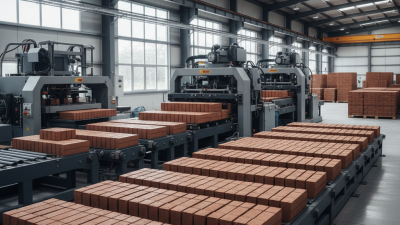
Solid brick machines differ mainly in pressure, automation, and mold capacity. Manual and small hydraulic presses suit modest production, often making roughly 500–1,500 standard units per eight-hour shift. Semi-automatic systems commonly target 1,500–4,000 units, while integrated automatic lines may reach 4,000–10,000. These are indicative planning ranges, not guaranteed outputs. Mold cavities, mix moisture, operator skill, and changeover time all affect the count.
Real output varies. A quoted cycle rate can look impressive, yet downtime and rejected bricks reduce saleable production. Check whether a supplier’s figure assumes one-cavity or multi-cavity molds, and ask for measured output using your intended mix. Also separate pressing capacity from curing capacity: a fast press can still leave finished stock waiting for space or handling.
Energy use matters when comparing production lines. The Global Alliance for Buildings and Construction’s 2024 Global Status Report estimated that buildings and construction accounted for 32% of global energy use and 34% of energy-related CO₂ emissions in 2023. Those figures cover the broader sector, not brick machines alone, but they strengthen the case for tracking energy per thousand saleable units. That measure is more useful than peak output alone. A machine may be fast, but an uneven feed or frequent mold changes can quietly erase its advantage.
Solid Brick Making Machine Types and Indicative Production Capacity
Indicative output ranges are shown for an 8-hour production shift. Actual capacity varies with block dimensions, mold cavities, cycle time, material mix, staffing, and operating conditions; compare supplier specifications on the same basis.
Criteria for Evaluating Manufacturers in 2026
For a solid brick making machine, compare verified output, not the headline capacity. Ask for a continuous production test using the intended clay mix, moisture level, and brick dimensions. Record good bricks per hour, rejects, and energy consumed per 1,000 units. A short demonstration can hide downtime. Request the test conditions in writing.
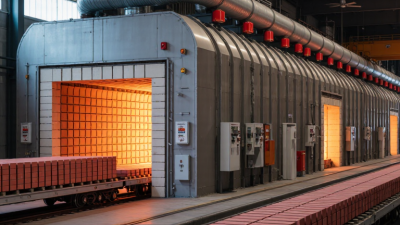
Energy deserves close attention. The 2024 Global Status Report for Buildings and Construction, published by UNEP and GlobalABC, reports that buildings and construction accounted for 32% of global energy use and 34% of energy-related carbon emissions in 2023. These figures cover the wider sector, not brick machines alone, but they make efficiency a practical purchasing criterion. Ask manufacturers for measured motor loads, kiln compatibility, and maintenance intervals. Brick Machine Fired Clay Brick Making Machine should be assessed against the actual production line, not as a standalone label.
Check frame rigidity, mould wear, spare-part lead times, and operator access to lubrication points. These details matter during a dusty shift. Review quality records and request references from plants with similar clay and output targets. Confirm what the warranty excludes, too. Still, a polished factory visit proves little without operating data. I would also compare two machines under identical conditions; that test is often skipped, and it can change the ranking.
Regional Trends in the Solid Brick Machine Industry
Regional demand for solid brick equipment reflects local materials, labor costs, and construction practices. In parts of Asia, buyers often seek high-output lines for dense urban projects. Compact layouts can matter as much as speed, especially where factory space is limited. Needs vary.
Across Europe, attention often turns to energy use, automation, and reliable integration with existing plants. In regions where older kilns remain in service, buyers may prioritize compatible upgrades over a complete replacement. That choice can reduce disruption, but it requires careful checks of machine dimensions and production flow.
In parts of Africa and Latin America, locally available soil and dependable after-sales support can shape purchasing decisions. A Brick Making Machine that handles a tested local mix may be more useful than one with a higher headline capacity. Ask suppliers for sample-brick trials, realistic cycle times, and spare-parts lead times. Yet regional labels can mislead: conditions may differ between nearby markets, and transport or power constraints can change the calculation. Some buyers still underestimate maintenance access. Small detail, big consequence. A clear site assessment helps compare equipment on practical operating needs, not brochure figures.
Profiles of the Top 10 Solid Brick Making Machine Manufacturers
A useful 2026 comparison looks beyond output claims and examines how each manufacturer builds a complete production line. One profile specializes in hydraulic presses for dense, uniform blocks. Another offers modular equipment that can grow with a plant’s capacity. A third integrates automated feeding and stacking, reducing repetitive handling. A fourth focuses on compact machines for sites with limited floor space. Details matter: check mold-change time, control-panel clarity, and whether routine parts are easy to reach.
Other profiles serve different priorities. A high-volume supplier may suit steady, large orders, while an energy-conscious maker emphasizes efficient motors and practical cycle settings. A mold specialist can support varied brick dimensions, though frequent changes may slow production. A service-focused manufacturer stands out through operator training and accessible maintenance support. These differences are more useful than a polished brochure. Ask for operating data from a comparable installation.
The final two profiles merit attention: one focuses on retrofitting older lines, and another supports installation across multiple regions. Both can reduce disruption, but confirm response times and spare-parts availability in writing. Brick Machine Making decisions also depend on local materials; test the proposed mix before committing to a machine. I would treat any “top ten” ranking cautiously. A strong fit on paper may still disappoint when dust, moisture, or operator experience changes.
How to Choose a Manufacturer for Your Project
Choosing a solid brick making machine starts with your soil, not a sales brochure. Ask the manufacturer to test your actual mix, including its moisture level and particle size. A Red Brick Making Machine may need different settings when clay composition changes. Request sample bricks and check their dimensions, surface finish, and strength after curing.
Match the machine’s rated output to your daily production target, then ask how that figure was measured. Was it achieved with your brick size, operator count, and planned shift length? Small details matter. Confirm mold changeover time, power requirements, water use, and the availability of wear parts. A low purchase price can become costly if a critical component takes weeks to replace.
Inspect the factory or request a live production demonstration. Watch how bricks move from molding to stacking, and note whether dust, noise, or manual handling could slow the line. Ask for installation, operator training, and maintenance instructions in writing. Compare the full project cost, including shipping and commissioning. A polished demonstration is useful, but it cannot guarantee steady output at your site. Some selection decisions may still involve judgment; test data helps make that judgment less fragile.
Conclusion
This article explores how a Solid Brick Making Machine transforms prepared raw materials into uniform bricks through mixing, molding, compaction, and curing. It compares major machine types, from compact manual and semi-automatic models to high-capacity automated production lines, explaining how their output, operating needs, and level of flexibility differ. It also outlines practical criteria for evaluating manufacturers in 2026, including equipment reliability, production consistency, customization options, technical support, and long-term operating costs.
The guide considers regional industry trends such as growing interest in automation, energy efficiency, and adaptable production systems. Its manufacturer profiles are organized around these evaluation factors rather than brand promotion, helping readers understand the range of capabilities available. Finally, it offers a project-focused approach to choosing a supplier by matching expected demand, site conditions, budget, material requirements, and service needs with the right machine and production setup.