You know, with the global demand for top-notch construction materials really picking up, more folks are turning to advanced machinery to get the job done. One that’s been catching a lot of attention is the Red Brick Making Machine. It’s generally praised for being reliable and efficient, which is pretty important. These days, many manufacturers are offering a bunch of smart, sophisticated options to suit different production needs—so there’s quite a bit to choose from.
Experts often say that picking the right Red Brick Making Machine really matters if you want consistently good quality bricks. The machines can produce bricks with very precise sizes, which modern construction standards actually demand. But — and here’s the tricky part — figuring out the right machine means you’ve got to wade through a lot of specs and features, and it can get a bit overwhelming.
Finding the best fit in such a crowded market can feel like searching for a needle in a haystack. It’s all about balancing your budget with quality; doing your homework here is key. Sure, some brands might tout cool, innovative features, but others might not last very long. Knowing these little details can really help you make smarter choices and, in the end, help your project go smoothly.
Overview of Red Brick Making Machines in the Global Market
In recent years, the demand for red brick making machines has surged globally. This demand stems from the rising interest in sustainable construction. Red bricks are known for their durability and thermal properties, making them a favored choice among builders. Each machine varies in technology and efficiency, influencing production rates and quality. Buyers must consider factors like energy consumption and operational costs.
Understanding the global market for red brick machines requires careful analysis. Different regions present unique challenges and opportunities. Manufacturers often face fluctuating material costs and varying regulations. Buyers must assess the reliability of suppliers. Often, the long-term performance of a machine can differ from initial projections. Therefore, conducting thorough research and seeking expert opinions is crucial.
Quality assurance is another critical factor. Some machines might promise high output but fail to maintain consistent quality. Poor oversight can lead to production waste. Investing in equipment with proven longevity can mitigate these risks. Each buyer must evaluate their specific needs and the machine's specifications closely. The right choice can lead to significant savings and improved construction outcomes.
Key Features to Consider When Choosing a Red Brick Making Machine
When selecting a Red Brick Machine,
quality is paramount. Buyers should examine the machine’s production capacity. A high-output machine ensures efficiency. Look for equipment that can produce durable bricks
in a short timeframe. Speed and reliability often indicate a well-designed machine.
Consider the materials used in construction. A robust machine built with high-quality materials is essential.
It should withstand heavy use. Users frequently mention issues with machines that can’t handle tough conditions.
Think about the ease of maintenance as well. Regular upkeep should be straightforward to keep the Red Brick Machine running smoothly.
Energy consumption is another critical factor. An efficient machine saves costs in the long run. Researching various models can reveal which ones offer better energy efficiency.
Additionally, assess the level of technical support available. A reliable support system can make a significant difference during challenging times. Investing in a
well-supported machine can alleviate future concerns.
Top Manufacturers of Red Brick Making Machines Worldwide
In the global market for construction materials, red brick holds a significant place. Various manufacturers are dedicated to producing high-quality Red Brick Manufacturing Machines. These machines are crucial for ensuring efficiency and consistency in brick production.
Several manufacturers focus on innovation and sustainability. They emphasize advanced technology to optimize the brick-making process. This includes automation features that enhance productivity and reduce labor costs. However, not all machines are created equal. Some may lack durability, leading to increased maintenance costs over time.
Evaluating manufacturers requires careful consideration. It's essential to analyze their commitment to quality and customer service. Potential buyers should seek out companies with proven expertise in the industry. Engaging with these manufacturers can also provide insights into their production standards. A well-informed choice can make a significant difference in the quality of the final product.
Comparative Analysis of Manual vs. Automatic Brick Making Machines
When considering brick making machines, two types stand out:
manual and automatic. Each has unique advantages and challenges.
Manual machines require skilled labor but can be economical for small-scale operations.
They often produce handcrafted bricks with character, but the consistency may vary.
Operators need knowledge and experience for quality output.
On the other hand, automatic machines streamline the process.
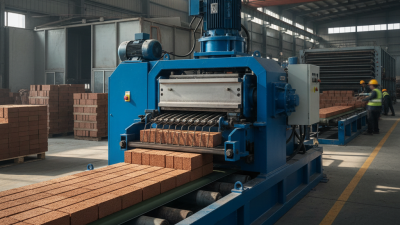
They enhance efficiency and ensure uniformity in brick production.
However, they come with a higher initial investment. Users must weigh the benefits of speed and consistency against the cost of setup and maintenance.
Tips:
Evaluate your production scale. For small projects, manual machines might suffice. For larger demands, consider investing in automation.
Remember the importance of a good
Red Brick Dryer to complement your setup, ensuring proper moisture control.
Regular maintenance and adjustments can improve output quality, whether you choose manual or automatic systems.
Technology Innovations in Red Brick Making Equipment
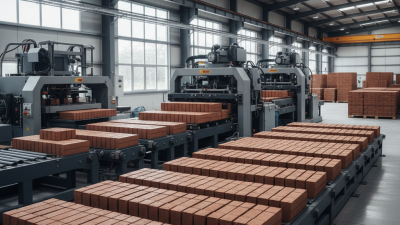
The red brick making industry is experiencing significant technological innovations. Recent reports indicate that advanced machines now offer enhanced efficiency and precision. Automation is becoming commonplace, allowing for higher output rates and reduced labor costs. These machines can produce thousands of bricks in a single day, greatly impacting production timelines.
Furthermore, energy-efficient designs are critical. According to industry studies, using modern red brick making equipment can cut energy consumption by up to 30%. This shift not only lowers operational costs but also aligns with global sustainability goals. The industry's move towards eco-friendly practices is crucial in meeting stricter environmental regulations.
Despite these advancements, challenges remain. Many manufacturers still rely on outdated technologies. Upgrading to state-of-the-art equipment requires substantial investment. Also, acquiring skilled labor to operate new machines poses a hurdle. The balance between cost and innovation needs careful consideration. Overall, the red brick making sector is at a crossroads, striving for improvement while facing persistent barriers.
Top Red Brick Making Machine for Global Buyers Seeking Quality
| Machine Model |
Production Capacity (Bricks/Hour) |
Power Requirement (KW) |
Brick Size (mm) |
Weight (kg) |
Price Range (USD) |
| Model A |
800 |
45 |
200x100x75 |
2500 |
20,000 - 25,000 |
| Model B |
1000 |
55 |
240x120x80 |
3000 |
25,000 - 30,000 |
| Model C |
1200 |
70 |
300x150x75 |
4000 |
30,000 - 35,000 |
| Model D |
1500 |
100 |
280x140x70 |
5000 |
35,000 - 40,000 |
Quality Standards and Certifications for Brick Making Machines
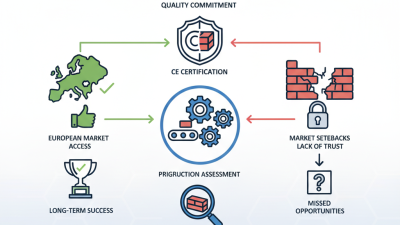
When selecting a red brick making machine, quality standards and certifications are paramount. Machines adhering to international standards ensure consistent production, durability, and efficiency. According to a report by the International Organization for Standardization (ISO), equipment meeting ISO 9001 standards significantly reduces production defects by up to 30%. This highlights the importance of quality assurance in brick making processes.
Many global buyers overlook certifications when making purchases. Certifications like CE, ISO, and ASTM indicate compliance with rigorous industry standards. These certifications often reflect a machine's reliability and performance capabilities. Buyers should always request documentation to confirm these standards.
Tips: Always evaluate the documentation of quality certifications. Don’t hesitate to ask for sample production data. This can reveal essential insights about machine performance.
In this competitive market, not all machines fulfill their promised specifications. Some may fall short of efficiency claims or operational ease. Regular maintenance and operator training are critical to maximizing machine performance. A machine's initial cost may seem low, but hidden costs from inefficiencies add up fast. Buyers must assess their long-term needs and the machine's actual operational costs thoroughly.
Top Red Brick Making Machines Quality Standards
Maintenance Tips for Enhancing Longevity of Brick Making Machines
Maintaining brick making machines is essential for their longevity and productivity. Proper care can significantly reduce wear and tear, ensuring that operations run smoothly. A recent industry report indicated that regular maintenance could extend the lifespan of these machines by up to 30%. This reduction in downtime translates to higher profits and lower operational costs for manufacturers.
To enhance machine longevity, consider these tips: Regularly check and replace worn-out parts. Ensure that lubrication systems are functioning correctly. Keeping the machines clean from dust and debris also plays a crucial role. Accumulated materials can lead to overheating and mechanical failures.
Operators should also invest time in training. A well-trained team can recognize early signs of malfunction. This proactive approach can prevent costly repairs. Ignoring maintenance schedules is a common oversight in the industry. By focusing on reliability, manufacturers can ensure their machines perform well for producing quality products, including Red Brick Cladding. Whether you are a global buyer or a local manufacturer, maintaining your brick-making equipment will pay off in the long run.
FAQS
: Manual machines need skilled labor and produce unique bricks. Automatic machines offer efficiency and uniformity but require more investment.
Yes, manual machines can be economical for small-scale brick production, but they may lack consistency in quality.
Evaluate your production needs. Manual machines suit small projects, while automatic ones fit larger demands better.
They enhance efficiency, ensure product uniformity, and can produce thousands of bricks per day.
Yes, modern machines achieve up to 30% less energy consumption, helping to lower costs and support sustainability.
Many rely on outdated machinery, and upgrading requires significant investment and skilled labor availability.
Regular maintenance is essential for both manual and automatic machines to improve output quality and ensure longevity.
Skilled labor is crucial for manual machines, while training is needed for operating advanced automatic systems.
Aligning with eco-friendly practices helps meet environmental regulations and reduces operational costs in the long run.
Yes, sticking to outdated methods may hinder productivity and lead to higher costs over time.
Conclusion
The article "Top Red Brick Making Machine for Global Buyers Seeking Quality" provides a comprehensive overview of the global market for red brick making machines. It highlights key features that buyers should consider, such as production capacity, automation level, and energy efficiency, to ensure they select a machine that meets their specific needs. A comparative analysis of manual versus automatic machines discusses the advantages and disadvantages of each, helping potential buyers make informed decisions.
Additionally, the piece delves into the latest technological innovations that enhance the performance and efficiency of red brick making equipment. It emphasizes the importance of adhering to quality standards and obtaining necessary certifications to guarantee machine reliability and safety. Lastly, the article includes valuable maintenance tips to help users extend the lifespan of their red brick making machines, ensuring continued productivity and cost-effectiveness in their operations.