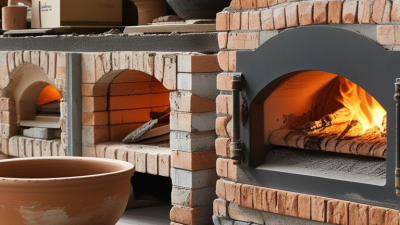
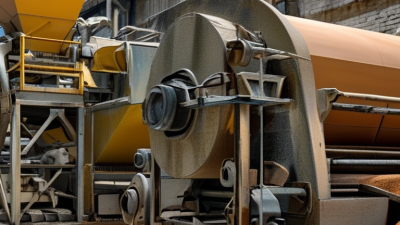
In the competitive world of building materials, picking the right kiln for making bricks is honestly a big deal. As John Smith from BrickTech Solutions points out, 'The choice of a kiln can really make or break your production—affecting how efficient you are and how good your bricks turn out.' His words hit the nail on the head—kilns are super important in the whole brick-making game, influencing not just the amount you produce but also how sustainable your process is.
Now, if you’re a buyer looking around the world, you’ll find a ton of kiln options out there. It can get pretty overwhelming, honestly—different styles, new tech, all that. These days, many modern kilns are designed to be more energy-efficient and produce fewer emissions, which is great if you’re trying to do your part for the environment. But here’s the thing—just because a kiln is fancy doesn’t mean it’s the perfect fit for every setup. Take the Ecp Production Line, for example—it might work great for some, but not for others.
Figuring out which kiln to go with isn’t straightforward. You have to weigh the costs, how efficient it really is, and what kind of environmental impact it’ll have. Every manufacturer’s needs are different, and what works best depends on your specific goals. Sometimes, looking back at your past experiences can help you make better choices in the future. Knowing the ins and outs of each kiln type is pretty crucial if you want to set yourself up for long-term success.
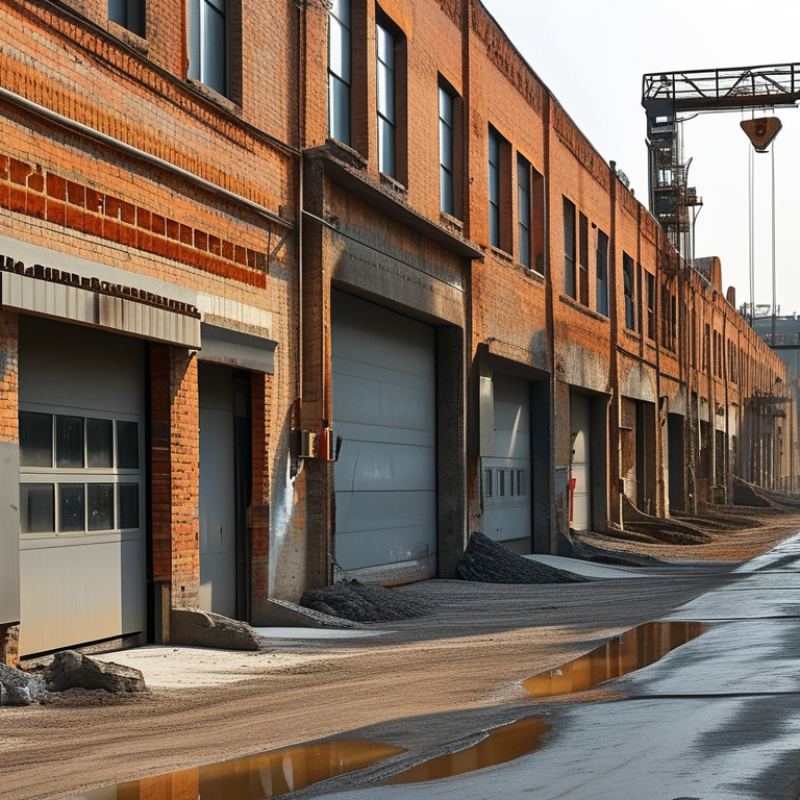
Top 10 Kiln Types for Efficient Brick Production Worldwide
When selecting the right kiln for brick production, understanding the different types available is crucial. Common options include shuttle kilns, tunnel kilns, and electric kilns. Each type has its distinct advantages and downsides. Shuttle kilns are popular for small production runs, allowing flexibility in operations. However, they may not be as efficient for large-scale production.
Tunnel kilns, on the other hand, are designed for high-volume operations, providing consistent heat and improved energy efficiency. They require a significant initial investment and dedicated space. Electric kilns are becoming more prevalent for smaller manufacturers seeking eco-friendly options. While they have lower operational costs, their capacity is typically limited.
Consider energy efficiency when choosing a kiln. Efficient kilns reduce fuel consumption and operating costs. Evaluate the production scale as well. Sometimes, smaller operations might benefit from investing in multiple smaller kilns rather than a single large one. Experimenting with batch sizes can also reveal optimal production parameters. Understanding local regulations and emission standards is essential for compliance and sustainability in brick production.
Top 10 Kiln Types for Efficient Brick Production Worldwide
Key Features of Modern Kilns: Fuel Efficiency and Automation
Modern Brick Kilns have evolved significantly over the years. They now prioritize fuel efficiency to reduce operational costs. Many kilns use advanced technologies to optimize fuel consumption. This innovation leads to less environmental impact and better sustainability. Manufacturers emphasize the importance of designing kilns that can adapt to various fuels. Using high-quality insulation materials can enhance energy retention.
Automation is another key feature in today’s brick kiln designs. With the integration of smart technologies, kilns can control temperature and humidity levels accurately. This automation helps in maintaining consistent brick quality. Data analytics allows operators to monitor the kiln's performance in real time. However, the reliance on technology raises questions about potential downtime. If systems fail, it could lead to significant production losses.
Investing in modern brick kilns requires careful consideration. While efficiency and automation offer advantages, challenges exist. Understanding the specific needs of production is crucial. Balancing advanced features with reliability is vital. Builders must reflect on the long-term benefits versus immediate costs. Making informed decisions can lead to more effective brick production overall.
Comparative Analysis of Kiln Technologies: Traditional vs. Advanced
When examining kiln technologies for brick production, a significant divide exists between traditional and advanced methods. Traditional kilns have been used for centuries. They often rely on wood or coal for fuel, which can be less efficient and more polluting. These kilns typically have lower thermal control. The firing process may lead to inconsistent brick quality. However, they can be cost-effective for small-scale operations.
On the other hand, advanced kiln technologies, such as the Gas Brick Kiln, offer greater efficiency and environmental benefits. These kilns use gas as a fuel source, resulting in cleaner emissions. They have improved temperature controls and can reduce energy consumption. This technology often leads to higher production rates and better-quality bricks. While the initial investment may be higher, the long-term savings on fuel and maintenance cannot be overlooked.
Despite their advantages, advanced kilns require expertise to operate. Training is essential for staff to handle the sophisticated machinery. There are always challenges in integrating new technologies into existing production lines. For many operators, the decision between traditional and advanced kilns is complex, influenced by budget constraints and production needs.
Environmental Impact of Brick Kilns: Emission Standards and Compliance
The environmental impact of brick kilns is significant. Emissions from these facilities contribute to air pollution and climate change. Many regions have recognized the need for stricter emission standards. Compliance with these regulations is crucial for sustainable production. However, enforcing these standards can be challenging, especially in developing countries.
Kiln operators must invest in technology to reduce emissions. This can include upgrading to cleaner burning fuels or implementing pollution control devices. Not all kilns are created equal; some older models struggle to meet modern standards. Moreover, the initial costs of these upgrades can deter many operators, causing delays in compliance.
Education is essential in this regard. Stakeholders need to understand the benefits of adhering to emission standards. Beyond regulatory compliance, cleaner kilns can improve public health. The transition to greener technologies can seem daunting, but it is a necessary step. Awareness must grow around this issue, so improvements can be made.
Therefore, continuous dialogue and knowledge sharing are critical in promoting sustainable practices in brick production.
Cost-Benefit Analysis: Initial Investment vs. Long-term Savings in Kilns
Choosing the right kiln for brick production involves weighing initial costs against long-term savings. The initial investment can be daunting. However, efficient kilns often lead to considerable savings in energy and maintenance costs over time. For instance, modern kilns with better insulation can minimize heat loss, thus reducing fuel consumption.
Regular maintenance is crucial for keeping operational costs low. Some buyers may overlook this aspect. A small investment in routine checks can avoid larger repair bills later. Consider how often you will need to replace parts. A well-maintained kiln can last many years, enhancing overall profitability.
When assessing options, think about the specific production needs. Capacity versus energy consumption should be evaluated side by side. Increasing production may seem attractive, but it can lead to higher energy costs if not managed properly. Keep in mind that not all kilns operate efficiently under heavy loads. Test different setups before making a final decision.
Market Trends: Demand for Eco-friendly Brick Production Solutions
The demand for eco-friendly brick production solutions is rising. Buyers are increasingly interested in sustainable practices. This shift is driven by environmental awareness. Many industry players seek efficient ways to reduce their carbon footprint. They understand that traditional methods often lead to excessive emissions.
Investing in green technologies offers a way forward. These solutions utilize renewable energy sources. Additionally, they often use eco-friendly materials. Such innovations can enhance production efficiency. However, challenges remain. Some companies struggle to integrate these technologies. They face high initial costs and a lack of expertise.
To Make Brick Kiln operations more sustainable, collaboration is essential. Knowledge sharing among manufacturers can pave the way. Learning from successful implementations can inspire others. Ongoing research is vital for creating new, innovative technologies. It is crucial to focus on solutions that balance efficiency and sustainability. As the market evolves, businesses must adapt to meet growing demands. The journey towards eco-friendly brick production holds lessons for all stakeholders involved.
Global Suppliers: A Review of Leading Kiln Manufacturers and Their Offerings
In the global brick production landscape, the choice of kiln can significantly impact efficiency and product quality. Various manufacturers worldwide offer innovative solutions tailored to meet different production needs. Based on industry reports, energy-efficient kilns can reduce emissions by up to 40%, making them a sustainable option for modern brick-making.
Manufacturers emphasize the importance of technology integration. Many kilns now feature automation for improved consistency in firing processes. Some models can operate on alternative fuels, appealing to eco-conscious producers. Market analysis shows that nearly 60% of buyers prioritize energy consumption and emissions in their selection criteria, showcasing a shift toward greener technology.
When considering a Clay Brick Kiln, assess not just the price, but also the long-term operational costs. Maintenance is crucial; regular inspections can prevent significant downtimes. Investing in a reliable kiln influences product quality and overall profitability. Remember to analyze user feedback on performance and service support from suppliers, as many manufacturers may have inconsistencies in after-sales care.
FAQS
: Traditional kilns use wood or coal, often resulting in lower efficiency and inconsistent brick quality. Advanced kilns use gas, offering better thermal control and cleaner emissions.
They are cost-effective for small-scale operations and have been relied upon for centuries, even though their quality may vary.
Advanced kilns lead to higher production rates, better brick quality, and often lower long-term energy costs, despite higher initial investments.
Operators must invest in training staff to manage sophisticated machinery, which can be a hurdle for integrating new technologies.
Emissions contribute to air pollution and climate change, prompting the need for stricter compliance with emission standards in many regions.
Investing in cleaner burning fuels or pollution control devices can help. However, initial costs for upgrades may discourage some operators.
Understanding the benefits beyond regulations, like improved public health, can encourage a transition to cleaner technologies.
Routine checks can prevent large repair costs later. A well-maintained kiln lasts longer and enhances profitability over time.
Balance initial costs against long-term savings, and evaluate capacity in relation to energy consumption carefully.
Testing can reveal how efficient kilns operate under various loads, guiding better decisions that align with production goals.
Conclusion
The article "Top 10 Kiln For Brick Production Options for Global Buyers" explores various kiln types that enhance efficiency in brick manufacturing. It emphasizes modern features, such as fuel efficiency and automation, that improve operational effectiveness. A comparative analysis highlights the differences between traditional and advanced kiln technologies, focusing on their environmental impacts and the importance of adherence to emission standards.
Additionally, the article delves into the cost-benefit dynamics of kilns for brick production, weighing initial investments against potential long-term savings. It also addresses market trends, particularly the rising demand for eco-friendly production solutions, and offers insights into leading global suppliers and their offerings in the kiln sector. This comprehensive review serves as a valuable resource for buyers seeking optimal kiln solutions for sustainable brick production.