Lately, there's been a real uptick in the demand for top-notch construction materials. And one industry that's really making a difference here is the Clay Brick Machine sector. I read recently from the International Brick Association that the market for clay bricks is expected to grow about 7% each year over the next five years. A big part of this growth comes from new infrastructure projects and folks leaning more toward eco-friendly building options.
People like John Smith, who’s a well-known expert in this field, often talk about how innovation is super important right now. He basically says, *“If you want to produce high-quality clay bricks, you gotta have advanced machinery.”* These machines help ensure the bricks are consistently good and last a long time — which, of course, is what everyone’s after these days.
That said, not all manufacturers are staying ahead of the game. Some still rely on old-school technology, which often results in poorer quality bricks. That can cause issues on construction sites and might even jack up costs. So, choosing the right factory really matters. It’s important to check out how they’re making their bricks, and whether their machinery is up-to-date with current industry standards — trust me, it makes a big difference.
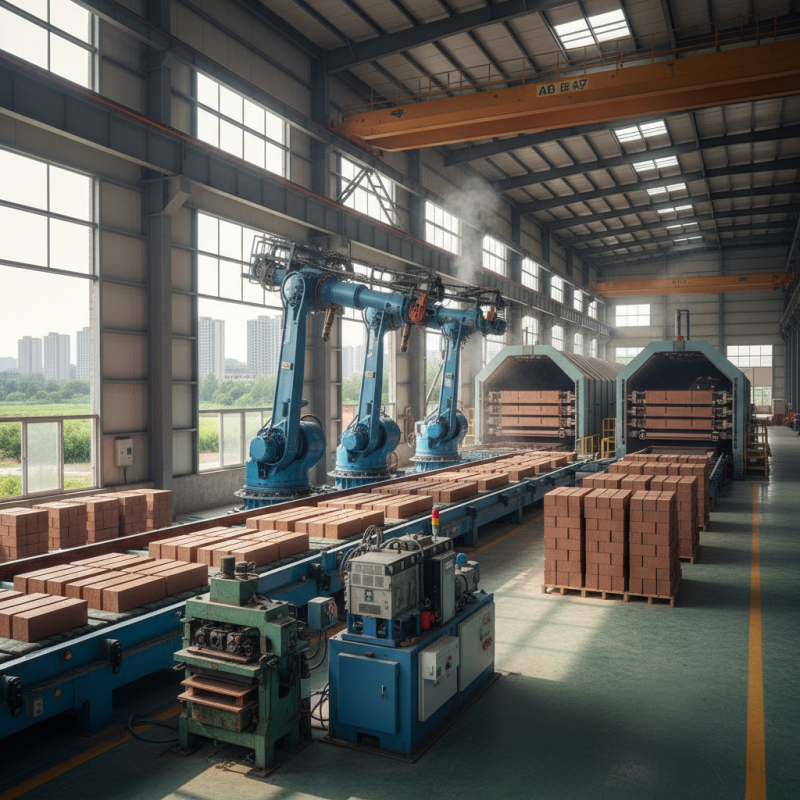
The clay brick industry in China has seen notable trends and growth in recent years. Enhanced construction practices drive demand. Technological advancements in machinery improve efficiency and output. Factories are now producing high-quality clay bricks at competitive prices. This helps meet the rising needs of urban development.
However, challenges remain. Many factories struggle with pollution control and resource management. Even with improvements, some processes are outdated. This reflects a larger issue within the industry. The need for sustainable practices is critical. Not every manufacturer embraces these changes willingly.
Market competition is fierce. New entrants often lack the experience and knowledge necessary for success. Some may produce lower-quality products to cut costs. This can affect overall market confidence. Buyers must scrutinize suppliers carefully. Reliability and expertise are essential when choosing a clay brick manufacturer.
When selecting high-quality clay brick machine manufacturers, it's crucial to consider several factors. Experience matters significantly. Look for companies that have been in the business for years. Those with extensive backgrounds usually understand market demands and technological advancements better. Their expertise often translates to more reliable and efficient products.
Another aspect to evaluate is the manufacturing process. A reputable factory typically implements strict quality control measures. This ensures that their Clay Brick Kiln Machine meets industry standards. Observing the factory’s operation may reveal areas for improvement. A lack of transparency in production can indicate potential issues down the line.
Customer support is another key factor. Effective communication channels show the company's commitment to service. After-sales support can be just as vital as the machine's quality. Inadequate customer care may lead to challenges in operation and maintenance. Ensure that the manufacturer provides comprehensive guidelines and responsive assistance. This attention to detail can make a significant difference in the long run.
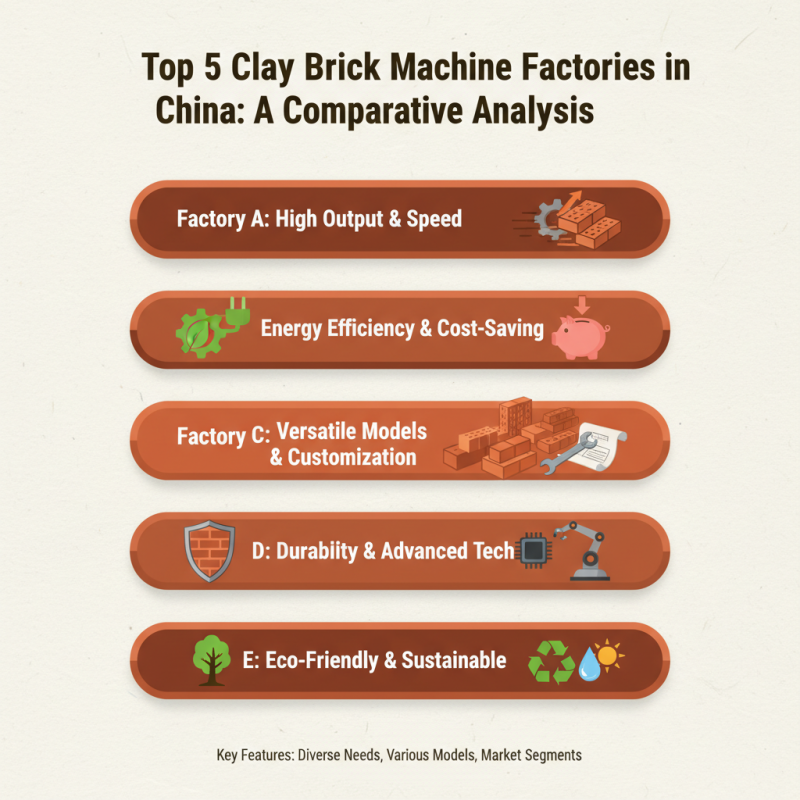
When considering clay brick machine factories in China, it's essential to explore the top options available. Many factories offer various models designed for different production needs. Some excel in high output, while others focus on energy efficiency. Each factory brings unique advantages that cater to diverse market segments.
One notable aspect to analyze is the manufacturing process. Some factories prioritize automation, resulting in higher precision and reduced labor costs. Others emphasize manual craftsmanship, delivering superior quality bricks but at a slower rate. This divergence raises questions about scalability and sustainability. For businesses, the choice between speed and quality can significantly affect long-term success.
Moreover, the level of after-sales service varies among factories. Some provide comprehensive support, ensuring smooth operation and maintenance. Others might lack adequate customer service, leaving clients to tackle issues independently. Prospective buyers need to weigh their support preferences against the features of the machines. This nuanced decision-making process is crucial for maximizing efficiency and profitability in brick production.
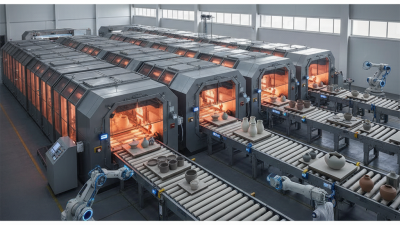
In recent years, technological advancements have significantly impacted clay brick manufacturing. Modern machines have evolved to enhance efficiency and reduce waste. Many factories now employ automated systems to streamline production. This shift not only boosts speed but also ensures consistent quality. The integration of robotics in the manufacturing process reduces the need for manual labor. Workers can focus on quality control and machine maintenance instead.
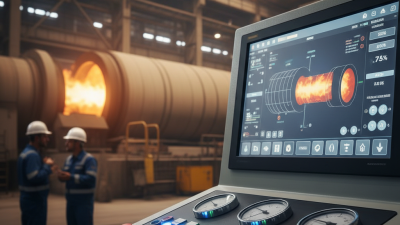
Energy efficiency is another vital area of development. Advanced kilns now utilize better insulation and temperature control. This reduces energy consumption, making the entire process more sustainable. However, not all manufacturers have adopted these technologies. Some still rely on outdated methods. This inconsistency can lead to quality variations in brick production.
Investing in high-quality equipment is crucial. It reflects a commitment to innovation and sustainability. Still, some factories may hesitate due to costs. Balancing initial expenses with long-term benefits requires careful consideration. Companies are urged to weigh the value of modernization against their unique needs. Ultimately, embracing technological advancements in clay brick manufacturing is essential for staying competitive.
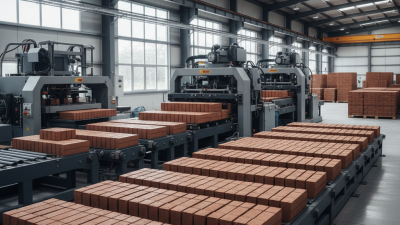
Production capacity and efficiency are vital metrics for evaluating clay brick machinery. A high-quality Clay Brick Maker Machine can produce thousands of bricks per hour. Recent studies indicate that the latest models can achieve output rates between 20,000 to 30,000 bricks daily. This efficiency not only meets market demands but also significantly cuts down labor costs.
Energy consumption is another essential factor. Many modern machines utilize energy-efficient technologies, reducing electricity usage by up to 30%. However, the initial investment in such technology can be high. Some factories might hesitate to adopt these advanced systems due to concerns about return on investment. Still, operational savings can be impressive over time.
Durability and maintenance also play crucial roles in overall efficiency. Frequent breakdowns can hamper production schedules. According to industry reports, maintenance downtime can account for nearly 15% of total operational hours. Therefore, selecting a reliable clay brick maker machine is crucial for minimizing disruptions. Ultimately, careful consideration of production capacity, efficiency, and maintenance needs can lead to more informed decisions in factory planning.
China's clay brick machine factories are known for their robust quality assurance processes. Each factory prioritizes quality at every production stage. They employ strict monitoring systems that track material quality and production efficiency. This ensures that every product meets industry standards.
Quality control involves multiple stages. Raw materials are tested before production begins. This is crucial for producing solid and durable bricks. During the manufacturing process, machines are calibrated to minimize defects. The use of advanced technology helps maintain consistency across batches. However, despite these measures, occasional defects do arise. Factories continually seek to improve their processes through feedback and testing.
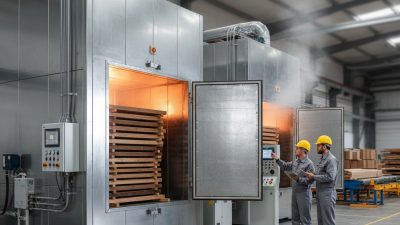
The Clay Brick Drying Machine plays a vital role in the final phase of production. Proper drying prevents cracks and enhances durability. Factories often face challenges with humidity levels affecting the drying process. Adjustments in drying times can lead to better results. Continuous monitoring allows factories to make necessary changes rapidly. Quality assurance is an ongoing journey in these factories, always aiming for higher standards.
The clay brick manufacturing sector faces various challenges and prospects for the future. Demand for sustainable building materials is rising. In 2022, global clay brick production reached approximately 1.5 billion tons. This high demand leads to increased intensity in production methods, which may compromise quality. The focus on environmentally friendly practices is crucial. Many manufacturers still rely on traditional processes that can be inefficient.
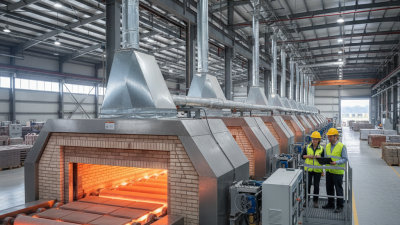
Technological advancements in machinery, specifically Clay Brick Kilns, show promise for improving efficiency. Reports indicate that businesses adopting automation see up to a 30% increase in productivity. However, not all factories can afford this transition. Many smaller factories encounter financial constraints. They often use outdated technology, limiting their potential.
Regulatory pressures are intensifying in many regions. Stricter environmental regulations push manufacturers to innovate or face penalties. The industry must adapt to remain competitive. Moreover, fluctuating raw material costs can disrupt production plans. Future strategies should focus on long-term sustainability and investment in modern clay brick kilns. Balancing quality with innovation remains an ongoing challenge.
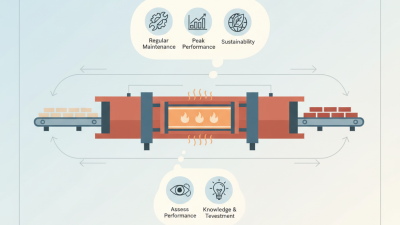
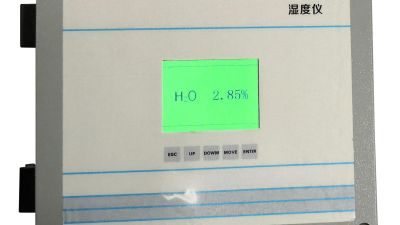
Humidity control is a critical aspect of brick kiln operations, ensuring that the production process is both safe and efficient. Optimal humidity monitoring solutions, particularly high precision detection instruments, play a vital role in this regard. A reliable humidity detector is designed specifically for kiln drying applications, continuously monitoring moisture levels in real-time. This proactive approach means that as humidity nears critical thresholds, an alarm signal is triggered, allowing operators to take timely action.
By addressing potential humidity issues before they escalate, these detection instruments significantly mitigate the risk of brick blank collapse caused by excessive moisture. This capability not only enhances production safety but also boosts overall efficiency in the brick firing and sintering processes. By maintaining stable humidity levels, kilns can operate at peak performance, ultimately leading to higher quality brick products and a smoother production timeline. Implementing such high precision monitoring solutions is an investment in the operational integrity and reliability of brick kiln facilities.
: Enhanced construction practices significantly drive demand for clay bricks in China. Urban development requires more materials.
Technological advancements in machinery enhance efficiency and allow high-quality bricks to be produced at competitive prices.
Many factories struggle with pollution control and resource management, indicating a need for sustainable practices.
Companies with years of experience typically understand market demands better, leading to more reliable products.
Buyers should scrutinize suppliers carefully, focusing on reliability and expertise, especially with new entrants.
Effective customer support and communication are vital, as after-sales assistance can impact long-term operation and maintenance.
Modern machines improve efficiency and reduce waste, with automation enhancing speed and quality consistency.
No, some factories still rely on outdated methods, leading to quality variations in their brick production.
Balancing initial costs with long-term benefits is critical; careful consideration is necessary before modernization.
Embracing technological advancements in clay brick manufacturing is crucial for maintaining competitiveness in the industry.
The article provides a comprehensive overview of China's clay brick industry, highlighting market trends and potential growth opportunities. It discusses key factors for selecting high-quality clay brick machine manufacturers, emphasizing the importance of production capacity and efficiency metrics. A comparative analysis of the top five clay brick machine factories in China is presented, showcasing their strengths and weaknesses.
Technological advancements in clay brick manufacturing equipment are also explored, focusing on how innovation can enhance production processes. Additionally, the article underscores the quality assurance measures in place at China's clay brick machine factories and examines the future prospects and challenges facing the clay brick manufacturing sector. This detailed analysis serves as a valuable resource for those seeking to invest in or enhance their operations within the clay brick industry.