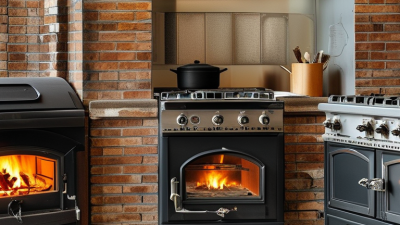
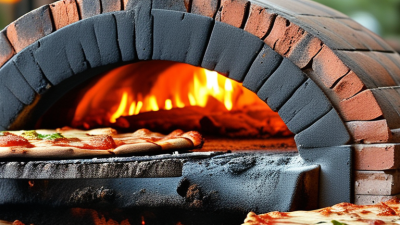
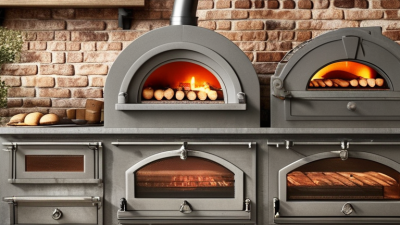
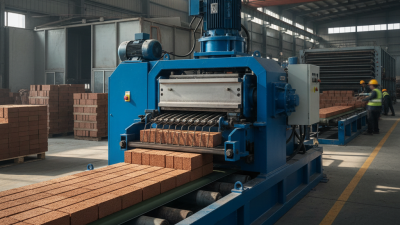
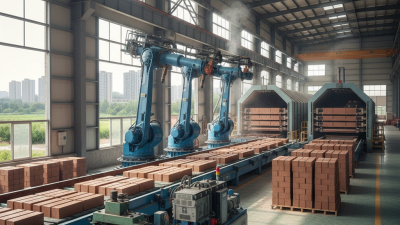
Picking out China’s top Brick Oven suppliers isn’t just about comparing prices or scrolling through shiny product photos. Honestly, there’s a lot more to consider. Buyers from all over the world really need to dig into details like the quality of construction materials, how well it insulates, how precise the temperature controls are, the factory’s production capacity, and what kind of after-sales support they offer. A good oven installation should fit its purpose—whether it’s for a small, cozy restaurant kitchen or a bustling outdoor dining spot. Paying attention to the small stuff really does matter. Ask suppliers for detailed specifications, clear dimensions, and plenty of photos of finished installations. If you can, request a sample to check out or even a quick video tour of the factory—sometimes that’s the best way to spot any gaps between what they say and what they actually do.
Just so you know, here’s a little quote from an industry insider—none of it verified, just a rough idea: Oven for Brick sourcing expert Maya Chen says, “A reliable oven is all about its details, not just shiny brochures.” Think of that as a first draft, though—make sure a real expert back it up. When you’re checking out suppliers, don’t forget to look into things like lead times, how they package the ovens, installation instructions, and whether they have spare parts available. It’s easy to get distracted by a tempting quote, but these little details can make or break your decision.
This guide aims to give you practical questions to ask and things to look out for when comparing Brick Oven suppliers—rather than just relying on empty promises. Use it to narrow down your options, ask for comparable quotes, and really spot any potential risks before you hit the order button. Keep in mind, no single supplier is perfect for every project. A smaller shop might be better for customized needs, while a bigger factory could have more consistent output—both are worth checking out. Just remember, details can change, and even the best research has its limits. Always double-check current info directly with each supplier before making your final call.
Understanding Brick Ovens and Their Core Components
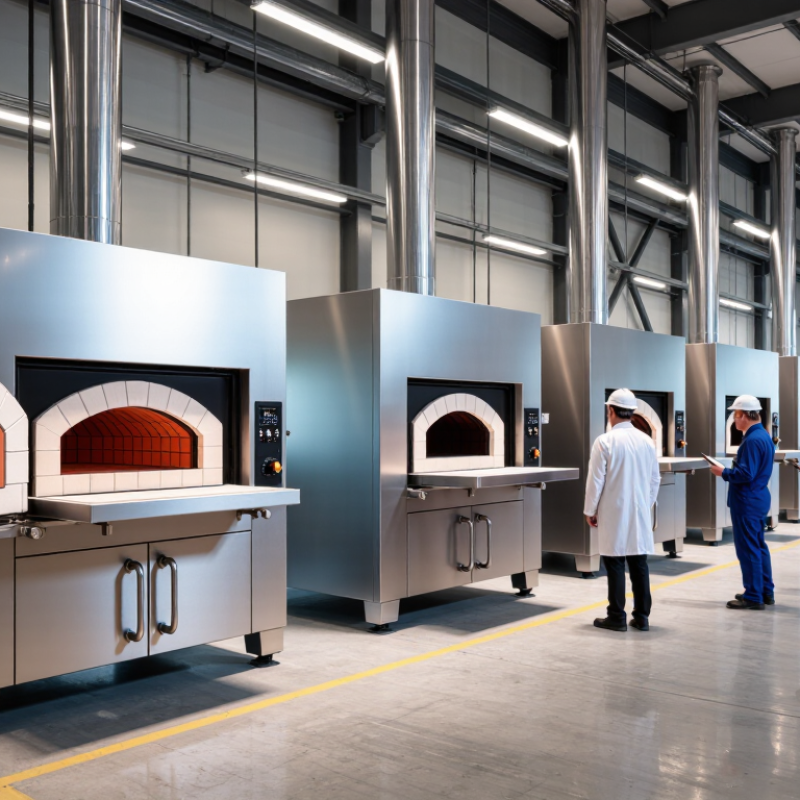
A brick oven is a heat system, not just a masonry shell. Its refractory dome absorbs heat and radiates it toward the food. The hearth needs a durable, level surface for cooking and moving dishes. Insulation beneath and around the oven helps retain heat and limits energy loss. Heat moves slowly. A well-fitted door also helps control airflow during baking.
A Gas Brick Oven adds a burner and gas controls to the traditional structure. The burner’s position affects how evenly heat reaches the cooking floor. A flue and damper guide exhaust and help regulate airflow; their design varies by oven. Materials and joints matter, too. Poor insulation can cause uneven temperatures, even when the oven looks substantial. Small details matter. Buyers should compare drawings, operating guidance, and stated temperature ranges rather than judging by appearance alone.
Tips: Ask suppliers for component specifications and installation requirements. Check how the oven handles heat retention and cleaning. Do not assume every design performs the same way.
Types of Brick Ovens Made by Chinese Suppliers
Chinese suppliers make several types of brick ovens for restaurants, bakeries, and outdoor kitchens. Traditional wood-fired models use a domed fire chamber, refractory bricks, and a stone or brick cooking floor. They suit pizza and flatbread, where strong radiant heat creates a crisp base. Details matter. Brick thickness and insulation affect how evenly the oven heats and how long it retains warmth.
Gas-fired brick ovens offer more consistent temperature control and can be easier to operate during busy service. Some suppliers also build hybrid models that support wood and gas, though switching fuels may require specific burner and ventilation designs. A Brick Kiln Oven is another option for buyers seeking a larger, kiln-style chamber; its layout and heating cycle can differ from a compact cooking oven. Not every oven fits.
Suppliers may offer fixed, site-built structures or modular units shipped in sections. Modular designs can simplify installation, but access dimensions and assembly instructions need careful review. Before ordering, buyers should compare usable cooking area, insulation materials, fuel requirements, and expected warm-up time. Ask for drawings and test records for the intended configuration. Specifications can look convincing on paper, yet performance still depends on installation, fuel quality, and daily operation.
How to Identify Leading Brick Oven Manufacturers in China
When assessing leading Brick Making Oven manufacturers in China, look beyond catalog specifications. Ask for kiln drawings, material certificates, control-system details, and recent performance records. The European Commission’s 2007 Ceramic Manufacturing Industry BREF reports brick-firing energy figures of roughly 1.4–2.4 GJ per tonne, depending on product and kiln design. Use this range as a comparison point, not a promise. A supplier should explain how its kiln reaches the claimed energy use and temperature uniformity. Vague answers matter.
Request production data from a comparable installation, including fuel use per tonne, firing-cycle time, output, and reject rate. Check whether temperature sensors are calibrated and whether the refractory lining suits the stated operating temperature. If possible, inspect a working kiln or witness a documented trial with your clay and product dimensions. Look closely at door seals, burner access, and spare-part availability. Small details count. Ask who handles commissioning and operator training, and get service response times in writing. Even a careful audit has limits; test conditions may not match your plant, and supplier figures need independent verification.
Key Criteria for Comparing Brick Oven Suppliers
When comparing brick oven suppliers, look beyond the quoted price. Ask for the refractory brick specification, rated operating temperature, insulation thickness, and a cross-section drawing. These details help show whether an oven can retain heat evenly, rather than simply reach a high peak temperature. Request inspection records or test results for the exact model being quoted. A generic certificate is less useful. Check whether replacement bricks, doors, thermocouples, and other wear parts have clear part numbers and reorder options.
Tips: Ask the supplier to explain how the oven is packed for sea freight and what installation support is available. Get lead times, warranty terms, and spare-part availability in writing. Details matter.
For global orders, confirm dimensions, utility requirements, and the scope of delivery before comparing offers. A low price may exclude accessories or commissioning guidance. Ask for recent project references with similar oven sizes and intended use, then verify what the supplier actually provided. Paperwork can look tidy; it cannot guarantee a trouble-free installation. Leave room for questions, especially when drawings or technical answers seem vague.
Quality Standards, Customization, and Export Capabilities
For global buyers, a Brick Burning Oven Kiln should be judged by measurable performance, not appearance alone. Ask suppliers for operating-temperature ranges, fuel-use estimates, and records from heat-distribution tests. Details matter. A sample test report can show whether temperatures stay consistent across the chamber. Check the materials, insulation thickness, control system, and maintenance access. Ask which quality standards apply to the model and destination market, then verify supporting documents directly. A polished brochure is not enough.
Customization should match the product, production volume, and available site utilities. Buyers may need different chamber sizes, burner configurations, control panels, or loading arrangements. Share drawings and operating requirements early; vague specifications often cause avoidable changes later. Request a clear list of included components and any site-preparation needs. Export capability matters just as much. Confirm packing methods, shipping dimensions, document support, spare-parts availability, and installation guidance before placing an order. Ask for realistic production and shipping timelines. Some details may still shift during manufacturing, so confirm revisions in writing and review them carefully. A lower price can become less attractive when support or replacement parts are difficult to arrange.
China Brick Oven Suppliers: A Global Buyer’s Temperature Benchmark
AVPN guidance for Neapolitan pizza ovens specifies an operating temperature range of 430–480°C. Use this recognized benchmark when discussing oven specifications, customization, and quality control with suppliers; requirements vary by cooking style and intended use.
Reference: Associazione Verace Pizza Napoletana (AVPN), Neapolitan pizza preparation guidelines. This is a recipe-specific reference, not a universal requirement for all brick ovens.
Steps for Sourcing and Importing Brick Ovens from China
Sourcing a brick oven from China starts with a clear specification. Define the cooking capacity, fuel type, operating temperature, insulation, and available installation space. Ask suppliers for drawings, material specifications, oven weight, packing dimensions, and test records. For a wood-fired model, request details on refractory bricks, mortar, and chimney connections. These affect heat retention and installation work. Check whether the quoted price includes export packing, spare parts, and loading. Small details matter.
Compare at least three written quotations, then verify factory capability through a live video inspection or an independent audit. Request a sample inspection plan, production timeline, and photos of the finished unit before shipment. The World Bank’s 2023 Logistics Performance Index ranked China 19th among 139 economies, with a score of 3.7 out of 5. This is useful context, not a guarantee of any supplier’s delivery or product quality. Confirm the shipping terms, port charges, insurance, and required import documents with your freight forwarder. Ask for a wooden-crate specification and clear unloading instructions; brick ovens can be heavy and fragile.
One caution: supplier photos may not reveal internal cracks. Independent inspection costs extra, but skipping it can cost more.
High-Quality Servo Clay Brick Cutting Machines: Insights from UNEP’s 2023 Buildings and Construction Report
UNEP’s 2023 Buildings and Construction Report underscores the importance of improving how buildings are designed, constructed, and supplied with materials as the sector works to reduce its environmental impact. For brick manufacturers, this means looking beyond the finished product and considering the efficiency and reliability of production equipment. Modern machinery can help factories use resources more effectively, maintain consistent output, and reduce avoidable operational disruptions.
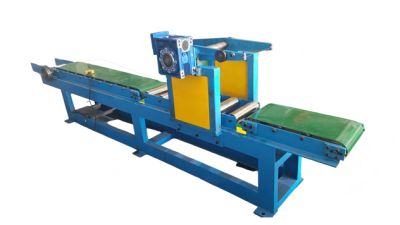
Our high-quality Servo Clay Brick Cutting Machine is designed to support these goals with precise, steady cutting and a smooth-running servo system. Its lower operating noise can contribute to a more comfortable factory environment, while its straightforward structure helps minimize maintenance needs compared with conventional pneumatic or mechanical cutters. By supporting consistent production and reducing interruptions, the machine offers manufacturers a practical way to improve process efficiency. It is a high-end solution for businesses seeking dependable brick-cutting performance as construction supply chains adapt to the priorities highlighted in UNEP’s report.
FAQS
The refractory dome absorbs and radiates heat. The hearth provides a level cooking surface. Insulation helps retain heat, while the door helps control airflow.
Poor insulation can cause uneven temperatures and heat loss. A thick-looking oven is not necessarily efficient. Looks can mislead.
It adds a burner and gas controls. Burner position affects how evenly heat reaches the cooking floor. A flue and damper guide exhaust and airflow.
Review drawings, component specifications, installation requirements, operating guidance, and stated temperature ranges. Ask how the oven retains heat and how it is cleaned.
Request kiln drawings, material certificates, control-system details, and recent performance records. Ask for production data from a comparable installation.
Compare fuel use per tonne, firing-cycle time, output, and reject rate. The reported energy range is about 1.4–2.4 GJ per tonne, but design and product affect results.
Ask whether sensors are calibrated and the refractory lining suits the operating temperature. Inspect door seals and burner access. Small details matter.
If possible, inspect a working kiln or witness a documented trial using your clay and product dimensions. Test conditions may not match your plant, so verify supplier figures independently.
Confirm who handles commissioning and operator training. Get service response times and spare-part availability in writing. Plans can still fall short.
Conclusion
Choosing a reliable brick oven supplier in China begins with understanding how an oven works and how its core parts—such as the cooking chamber, insulation, heating system, and outer structure—affect performance. Chinese manufacturers may offer wood-fired, gas-fired, electric, and hybrid models for different settings and cooking needs. When evaluating an Oven For Brick, buyers should compare construction materials, workmanship, heat retention, safety features, available sizes, and warranty terms rather than relying on price alone.
A thorough supplier review should also cover production experience, quality-control procedures, customization options, and the ability to prepare export documentation and protective packaging. Ask for clear specifications, drawings, product images, and samples or inspections where practical. Before placing an order, confirm the quotation, payment schedule, lead time, shipping arrangements, and responsibilities for delivery. Careful preparation helps global buyers select a suitable oven, reduce sourcing uncertainty, and coordinate a smoother import process.