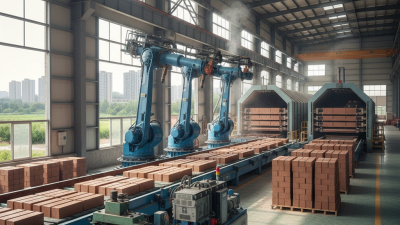
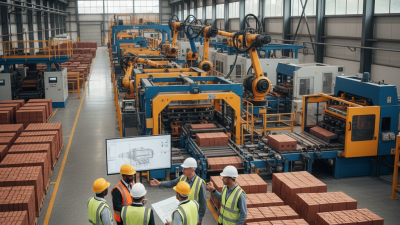
You know, the brick manufacturing industry is really changing these days. I came across a recent report from Research and Markets that predicts the global market for brick kiln equipment will grow by about 4.2% over the next five years. That’s a pretty solid sign that there’s still strong demand for efficient and affordable Brick Kiln Machines. For folks around the world, picking the right equipment can make a huge difference—think faster production and better quality overall.
When it comes to choosing a Brick Kiln Machine, there’s actually quite a bit to consider. Things like the technology it uses, how energy-efficient it is, and how much it can produce are all important. Not all machines are the same, either—some stick to traditional methods, while others are all about the latest innovations.
To stay competitive out there, you really have to do your homework and evaluate your options carefully. The best machines don’t just cut down operational costs—they also help meet environmental standards. Finding that good balance between efficiency and sustainability isn’t always easy, and it can definitely feel overwhelming sometimes. So, yeah, making that call requires some serious thought and a good look at what’s out there on the market.
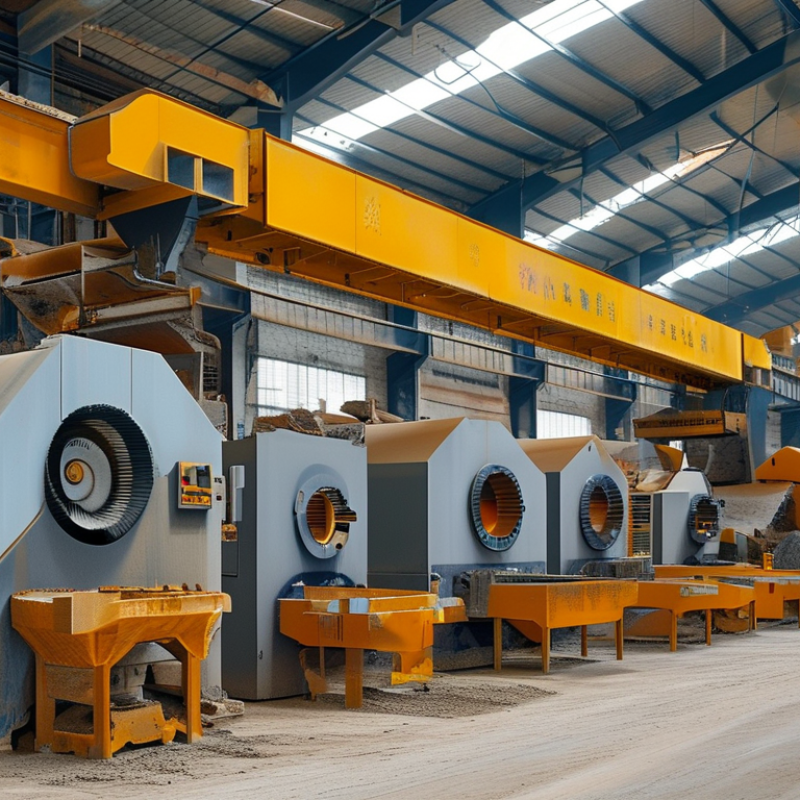
Top Characteristics to Consider When Selecting a Brick Kiln Machine
When selecting a brick kiln machine, several key characteristics must be prioritized. Efficiency is one of the primary factors. According to recent industry reports, modern kilns can operate at an efficiency rate of up to 85%. This not only reduces fuel consumption but also significantly lowers operational costs. Energy-efficient kilns contribute to sustainability, a crucial consideration in today’s eco-conscious market.
Another important aspect is production capacity. Buyers should assess the output of the kiln, measured in bricks per hour. The average production rate for contemporary systems ranges from 20,000 to 50,000 bricks daily. This wide range allows flexibility based on specific project demands. However, it’s vital to balance capacity with quality. A higher output often compromises the brick’s structural integrity, necessitating careful evaluation.
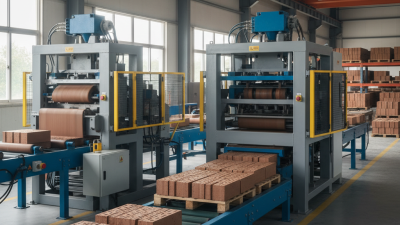
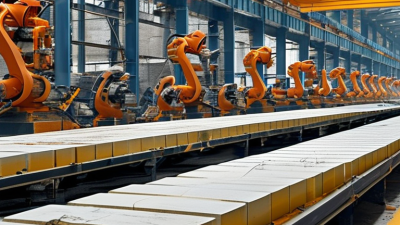
Automation technology is increasingly prevalent in brick kiln machines. Automated controls enhance precision and reduce labor costs, with studies showing automated processes can cut labor expenses by 30%. Nevertheless, it’s essential to weigh the initial investment against long-term savings. Not all automation solutions deliver equal return on investment, prompting buyers to reflect on their unique operational needs and long-term goals.
Types of Brick Kiln Machines Available in the Market
The brick kiln industry is essential for global construction. Several types of brick kiln machines are available, catering to various production needs. Traditional kilns operate using coal or wood, often lacking in efficiency and environmental sustainability. These kilns have high fuel consumption and emissions, pushing manufacturers toward more advanced options.
Modern kiln technologies include tunnel kilns and shuttle kilns. Tunnel kilns allow continuous production, improving efficiency significantly. The temperature control is more precise, resulting in better quality bricks. Reports show that tunnel kilns can enhance production rates by over 30%. Shuttle kilns are versatile, suitable for small to medium-scale production. They offer a lower initial investment while still providing decent efficiency.
For buyers considering a new kiln, evaluating energy consumption is crucial. Energy-efficient machines can reduce operating costs significantly. In some cases, they lower energy usage by 20% to 40%. Consider the production scale and brick type before purchasing. Not all kiln types fit every business model. Some may require more investment but deliver higher returns in the long run. Balancing cost, efficiency, and environmental impact is essential in this selection process.
Advantages of Modern Brick Kiln Technologies for Global Buyers
Modern brick kiln technologies offer significant advantages to global buyers. Energy efficiency is a major benefit. Advanced systems use less fuel compared to traditional kilns. This not only reduces costs but also lowers carbon emissions. A greener approach is increasingly important for buyers aiming to meet sustainability goals.
Automation is another key feature. Modern machines require less manual labor. This leads to greater consistency in brick quality. Buyers appreciate the reliability that comes with these machines. Additionally, many new designs allow for quicker production cycles. Fast production contributes to meeting market demands efficiently.
However, transitioning to a Clay Brick Kiln Machine can be challenging. Initial investment costs may be high. Also, some buyers may find it hard to adapt to new technologies. Training staff is essential for maximizing the technology’s potential. Despite these challenges, the advantages often outweigh the drawbacks. Investing in modern kiln technologies can lead to long-term benefits.
Top 5 Brick Kiln Machine Options for Global Buyers
| Machine Type |
Technology |
Fuel Type |
Production Capacity (Bricks/Hour) |
Advantages |
| Tunnel Kiln |
Modern Continuous Firing |
Natural Gas |
5000 |
High efficiency, lower emissions |
| High-Pressure Extruder |
Advanced Shaping Technology |
Electric |
3000 |
Uniform brick quality, low labor cost |
| Hoffman Kiln |
Batch Firing |
Coal |
4000 |
Cost-effective for smaller operations |
| Vertical Shaft Brick Kiln |
Traditional & Modern Combos |
Biomass |
2000 |
Sustainable, lower operational costs |
| Modular Brick Making Machine |
Portable & Flexible |
Electric |
1500 |
Easy to transport, low space requirement |
Top Manufacturers of Brick Kiln Machines Worldwide
Selecting a brick kiln machine can be a daunting task for global buyers. Many manufacturers offer diverse machines, yet understanding their expertise is crucial. The production capacity, technology, and durability of machines vary widely. Some companies focus exclusively on innovations that improve efficiency and reduce carbon emissions. This can be a game changer for environmentally conscious buyers.
When examining top manufacturers, it’s important to consider their experience in the industry. Leading companies often innovate to adapt to market demands. Some prioritize automation, while others focus on traditional methods. The Auto Clay Brick Kiln Machine represents a modern solution that integrates technology to enhance productivity. However, potential buyers must investigate if these machines suit specific production needs.
Exploring customer reviews and case studies reveals mixed results. While many users praise efficiency, others note ongoing maintenance issues. This highlights the need for thorough research before making a purchase. Buyers should inquire about warranty policies and after-sales support. Engaging directly with manufacturers offers insights into their reliability and credibility. Balancing these factors can ultimately lead to informed decision-making in the selection of a brick kiln machine.
Top 5 Brick Kiln Machine Options for Global Buyers
This chart represents the average production capacity (in units per day) of the top 5 types of brick kiln machines available globally. The data reflects the performance of different machine categories widely used in the manufacturing sector.
Price Range and Budget Considerations for Brick Kiln Purchases
When considering a Brick Kiln Machine, budget plays a crucial role. Prices can vary significantly based on size, technology, and production capacity. Small-scale machines may cost between $5,000 and $10,000, while larger, more advanced models can exceed $100,000. Understanding your production needs is essential. This will help narrow down your options and set a realistic budget.
Operational costs also deserve attention. Beyond the initial investment, maintenance and fuel expenses will contribute to long-term spending. Cheap machines may seem appealing, yet they can lead to higher repairs and inefficiencies. Investing in a reliable Brick Kiln Machine often saves money in the long run. Researching reliable suppliers in your market can also yield better pricing strategies and warranty options.
It's worth noting that different regions may present unique financial challenges. Import taxes, shipping fees, and local manufacturing options can affect overall costs. Additionally, understanding local regulations around kiln operations can influence which machines fit your needs best. A comprehensive approach equips buyers with the knowledge to make informed decisions.
Customer Reviews and Feedback on Leading Brick Kiln Machines
When selecting a brick kiln machine, customer feedback is invaluable. Many users highlight the efficiency and durability of different models. A common remark is the significant energy savings achieved with advanced kiln designs. However, some buyers also express concerns about maintenance costs, which can vary widely across machines. This shows the need for thorough research before purchasing.
Users frequently mention the importance of ease of operation. Many machines come with user-friendly controls, making them accessible for operators with varying skill levels. Nonetheless, some reviews note that initial setup can be challenging. It’s beneficial for potential buyers to seek models with comprehensive manuals and available customer support. This guidance can ease the learning curve associated with different
Kiln Dry Machines.
Another aspect users appreciate is the quality of bricks produced. High-performance machines deliver consistent results, enhancing the overall production quality. Yet, feedback also indicates that not every kiln meets expectations. Some users report variability in output, urging future buyers to prioritize reliability. Engaging with customer reviews can illuminate these nuances, helping buyers choose the right product for their needs.
Future Trends in Brick Kiln Technology and Global Market Impact
Brick kiln technology is evolving rapidly, influenced by sustainability and efficiency demands. The future trends reflect a shift towards environmentally friendly practices. Buyers across the globe are increasingly seeking options that minimize emissions and waste. Innovations such as energy-efficient kilns are gaining traction. These advancements not only reduce production costs but also adhere to tightening regulations.
One significant trend is the integration of automation in brick kilns. Automated systems improve precision and consistency in production. They reduce human error and enhance safety. However, transitioning to automation might pose challenges. Organizations must invest in training staff to operate new technologies effectively. This investment can lead to a skilled workforce capable of managing sophisticated systems.
Buyers should consider their specific needs when selecting brick kiln technology. Local regulations and market demands play crucial roles. A one-size-fits-all solution does not exist. It's essential to evaluate the unique conditions of each operation. Engaging with industry experts can provide valuable insights into overcoming obstacles and maximizing benefits. Collaboration and research are vital for making informed decisions in this evolving landscape.
Innovative Solutions for Precision Cutting: Exploring Top Auto Clay Block Cutting Machine Suppliers in China
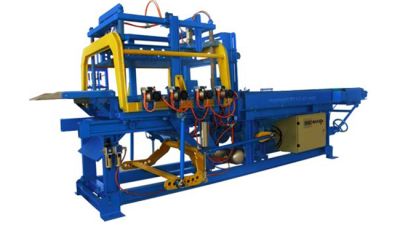
The construction industry is continually evolving, with precision equipment playing a pivotal role in enhancing overall productivity. Among such innovations, the Auto Block Cutting Machine emerges as a sophisticated solution tailored for manufacturers dealing with vacuum bricks. This technology not only guarantees precision in cutting but also significantly reduces material waste, making it an essential investment for suppliers focused on sustainability and efficiency. According to industry reports, advanced cutting technologies can improve operational efficiency by up to 30%, a critical advantage in today’s competitive market.
One of the standout features of modern Auto Block Cutting Machines is their capability to maintain the integrity of thin-walled hollow bricks. This precision ensures that structural strength is not compromised during the cutting process. As the demand for energy-efficient building materials rises, this technology offers a reliable method for producing high-quality bricks that conform to environmental standards. A recent market analysis indicated that the demand for such innovations in brick processing is expected to grow by nearly 15% over the next five years, underscoring the importance of adapting to new solutions.
Furthermore, the integration of automated cutting machines aligns with the construction sector's shift towards greater efficiency and reduced labor costs. By minimizing human error and optimizing material use, suppliers can focus on scaling their operations without sacrificing quality. Embracing these advanced cutting technologies positions suppliers not only to meet customer demands but also to contribute positively to the industry's evolution towards sustainable practices.
FAQS
: They offer energy efficiency, reduced fuel costs, and lower carbon emissions.
Automation reduces manual labor and ensures greater consistency in brick quality.
The initial investment can be substantial, making it a challenge for some buyers.
Training maximizes the potential of modern systems and improves overall efficiency.
Prices range significantly, with small machines costing $5,000 to $10,000, and larger ones exceeding $100,000.
Maintenance, fuel expenses, and potential repair costs are crucial long-term financial factors.
They can lead to inefficiencies and higher repair costs over time.
Import taxes, shipping fees, and local regulations can significantly impact overall costs.
It's essential to understand production needs to set a realistic budget and narrow down options.
While they offer benefits, buyers should reflect on their specific needs and potential challenges.
Conclusion
When selecting a Brick Kiln Machine, it is crucial to consider several key characteristics such as efficiency, durability, and fuel type. Various types of brick kiln machines are available in the market, each designed to meet specific production needs. Modern brick kiln technologies offer significant advantages, including reduced emissions and enhanced energy efficiency, making them attractive options for global buyers.
Leading manufacturers around the world produce a diverse range of brick kiln machines, catering to different budgets and operational requirements. Understanding the price range and setting a budget are essential steps in the purchasing process. Additionally, customer reviews provide valuable insights into the performance and reliability of these machines. Looking ahead, future trends in brick kiln technology promise to further transform the industry, impacting the global market dynamics significantly.