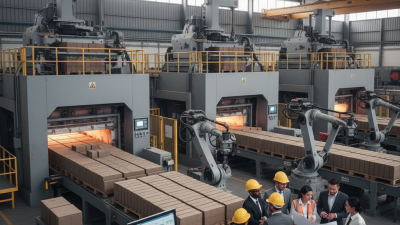
In the world of construction, things are constantly changing, and one thing's for sure—efficiency really matters. I was reading what industry expert John Smith from TechBricks had to say, and he mentioned that a good Brick Drying Machine can seriously cut down production time. That totally shows how important this technology is in making bricks.
Nowadays, with all the talk about climate change and energy consumption, everyone’s looking for better ways to dry bricks without wasting resources. The right drying machine doesn’t just save time—it helps make everything more efficient and eco-friendly. But honestly, picking the right one can feel a bit overwhelming with so many options out there. You really need to think about both how much it can handle (capacity) and the tech behind it.
There’s some exciting progress happening with new innovations, but sometimes putting them into practice isn’t smooth sailing. Manufacturers need to be careful when choosing machines—bad decisions could lead to delays and higher costs. Investing in a solid, high-quality brick drying machine could really be the key to making or breaking your production success. It’s all about making smart choices and knowing what to look for.
Types of Brick Drying Machines Available in the Market
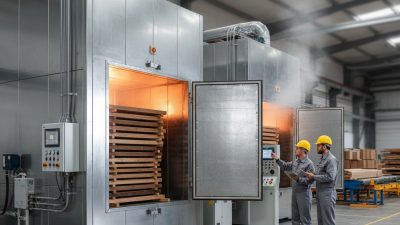
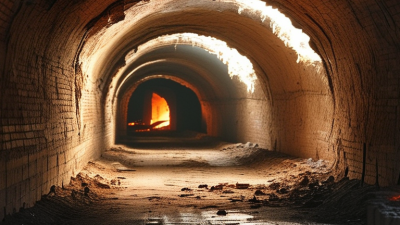
When looking for brick drying machines, it's important to understand the types available in the market. Each type offers unique features that cater to specific production needs. For instance, tunnel dryers are popular for large-scale operations. They efficiently move bricks through a long chamber, ensuring even drying. These machines can handle high volumes, but they require significant space and initial investment.
Another common option is chamber dryers. These machines operate batch-wise, which makes them suitable for smaller productions. They are easier to install and can be customized to fit various floor plans. However, their throughput is generally lower compared to tunnel dryers. It's essential to weigh these factors against production goals before making a choice.
Conversely, infrared dryers are gaining popularity for their rapid drying capabilities. They use infrared radiation to heat bricks directly, leading to quicker turnaround times. While effective, they might not achieve the same energy efficiency as other types. Users must consider energy costs and production demands when selecting a machine. Each drying technology has its pros and cons, reflecting the diverse needs of the brick production industry.
Key Features to Consider When Choosing a Brick Drying Machine
When selecting a brick drying machine, several key features significantly impact efficiency and production quality. First, consider the drying technology. Indirect drying systems often use hot air circulation. This method minimizes energy consumption by up to 30%, according to industry reports. Effective temperature control is essential to prevent cracking and warping. Advanced models can monitor moisture levels in real-time, ensuring optimal drying.
Next, evaluate the machine's capacity and adaptability. A high-capacity Clay Brick Drying Machine may initially seem ideal, but it must fit your production scale. Overloading can lead to uneven drying and higher rejection rates. Additionally, flexibility is crucial. Machines that accommodate different brick sizes and moisture contents can maximize your production potential. Some recent studies indicate that adaptable machines can enhance output by 25%, reflecting their versatility.
Lastly, energy efficiency should guide your choice. The drying process typically accounts for a significant portion of manufacturing energy use. Solutions that incorporate renewable energy sources or advanced heat recovery systems are becoming more prevalent. These options not only reduce costs but also lower environmental impact. As the industry evolves, manufacturers must remain aware of evolving standards and technologies to improve their drying processes.
Top Brands Known for Manufacturing Brick Drying Machines
When it comes to brick production, efficiency is key. The drying process plays a crucial role in determining the quality of the final product. Many manufacturers rely on advanced technologies, such as the Clay Brick Drying Machine Tunnel Dryer, to achieve optimal performance. A recent industry report indicates that companies using automated drying solutions can reduce energy consumption by up to 30%, highlighting their importance in modern production lines.
Several renowned brands in the market focus on building high-performance brick drying machines. These machines are designed to handle large volumes while maintaining consistent drying temperatures. Data shows that proper temperature control can enhance the structural integrity of bricks, resulting in fewer defects during production. Yet, challenges remain. Not all drying systems are equally effective for every type of clay, which calls for ongoing innovation and adaptation within manufacturing processes.
Understanding the market landscape is essential for manufacturers. Many companies still use traditional methods, which can lead to inefficiencies. In contrast, investing in advanced technologies can lead to a significant return on investment. Industry studies suggest that organizations that optimize their drying processes can improve their overall production efficiency by nearly 25%. However, finding the right solution for specific needs can often feel overwhelming.
Top 10 Brick Drying Machines Production Efficiency
Technical Specifications of Leading Brick Drying Machines
When considering brick drying machines, technical specifications are crucial. Efficient production relies on the right equipment. The best machines often feature advanced heating systems. These systems can evenly distribute heat, ensuring consistent drying. Temperature control is essential for preventing cracks in bricks. Machines with adjustable settings provide flexibility for different clay types.
The drying capacity of these machines varies widely. Some models can handle large batches, while others are designed for smaller productions. Energy consumption is another vital aspect. Machines that use less energy can cut operational costs significantly. Additionally, safety features should not be overlooked. Automatic shut-offs prevent overheating and enhance operator safety.
Some machines may have complicated controls. This can lead to mistakes during operation. Regular maintenance is also needed to maintain efficiency. Without proper care, performance can decline. Understanding the specifications helps in choosing the right machine. Each application's requirements should be considered carefully to find the best match.
Energy Efficiency and Sustainability in Brick Drying Technology
Energy efficiency and sustainability are critical in brick drying technology. Modern machines aim to reduce energy consumption while maintaining optimal drying conditions. Using advanced heat recovery systems can minimize waste. In contrast, traditional methods were often inefficient and wasteful.
The choice of drying technology can greatly impact the environmental footprint. Some techniques consume less energy, but the initial setup may require careful consideration. The integration of renewable energy sources can further enhance sustainability. Solar-assisted drying, for example, shows promise but requires climate-dependent implementation.
Many manufacturers are still exploring ways to improve efficiency. There is ongoing research in materials that enhance thermal retention. While advancements are promising, challenges remain. Balancing cost and efficiency can be difficult. The industry needs to adopt innovative solutions actively while reflecting on past practices. By focusing on these aspects, brick drying can evolve into a more sustainable process.
Cost Analysis: Budgeting for Brick Drying Machines
Investing in brick drying machines requires careful budgeting. An effective machine can significantly improve production efficiency. However, the initial costs can be daunting. The prices of different drying technologies vary widely. Simple models might cost less but can lead to increased energy costs. On the other hand, advanced machines often feature energy-saving designs, which can offset their higher purchase price over time.
A precise cost analysis should include maintenance and operational expenses. Some machines may have higher repair costs, which can eat into profits. Cheaper options may also lack automation features, resulting in a need for more manual labor. Unexpected breakdowns can further delay production and lead to financial losses. Understanding these variables is crucial when considering a Clay Bricks Making Drying Machine Tunnel Dryer Brick Oven.
Beyond the immediate purchase, the long-term financial implications are essential to consider. Decision-makers should evaluate return on investment, factoring in energy efficiency and labor costs. Investing in a well-engineered drying machine might seem high initially, but the potential savings in operational costs can justify the expense. In the end, careful reflection on both costs and benefits will lead to more informed decisions.
Top 10 Brick Drying Machines for Efficient Production
| Machine Model |
Drying Capacity (Bricks/Batch) |
Drying Time (Hours) |
Energy Consumption (kWh) |
Cost (USD) |
| Model A |
2500 |
8 |
150 |
12,000 |
| Model B |
3000 |
6 |
130 |
15,000 |
| Model C |
2000 |
10 |
160 |
10,000 |
| Model D |
2200 |
7 |
140 |
13,500 |
| Model E |
2800 |
5 |
120 |
18,000 |
| Model F |
3000 |
6 |
100 |
22,000 |
| Model G |
2700 |
9 |
140 |
16,500 |
| Model H |
2400 |
8 |
110 |
14,000 |
| Model I |
3300 |
5 |
120 |
25,000 |
| Model J |
2600 |
7 |
150 |
17,000 |
Best Practices for Operating and Maintaining Brick Drying Machines
Operating and maintaining a brick drying machine effectively requires knowledge and attention to detail. The
Brick Drying Process
plays a crucial role in achieving optimal production efficiency. Studies indicate that proper control of temperature and humidity can yield a
20% enhancement in drying efficiency. This is achieved through regular monitoring of moisture levels and ensuring airflow is evenly distributed throughout the chamber.
Regular maintenance also involves checking for wear and tear. A reported
30% of energy loss in drying machines stems from improper maintenance routines. Ensuring that seals and filters are in good condition can significantly reduce energy consumption. Setting a routine inspection schedule helps anticipate problems before they escalate, leading to costly downtimes.
Operational practices are equally vital. Workers must be trained to understand the nuances of the drying process. Simple errors, such as loading bricks too tightly, can hinder airflow and increase drying time. Following best practices not only enhances production quality but also extends the longevity of the equipment. Investing time in training and maintenance yields substantial returns in efficiency and reliability.
FAQS
: Focus on drying technology, capacity, adaptability, and energy efficiency for optimal performance.
Indirect drying systems can cut energy consumption by up to 30%. Real-time moisture monitoring is vital.
A high-capacity machine is great, but it must match your production scale to avoid uneven drying.
Overloading can cause uneven drying and increase rejection rates. Balance is critical in production.
Choose machines that adapt to different brick sizes and moisture contents. This can boost output by around 25%.
Drying accounts for a large portion of energy use. Solutions with renewable energy reduce costs and environmental impact.
Yes, investing in advanced technologies can significantly improve production efficiency. It often leads to better ROI.
Absolutely. It enhances the structural integrity of bricks and minimizes production defects.
They often lead to inefficiencies and are not suitable for all clay types. Innovation is essential.
Research thoroughly. Finding the right solution can be overwhelming, but tailored technology significantly improves efficiency.
Conclusion
The article "Top 10 Brick Drying Machines for Efficient Production" explores the various types of brick drying machines available in the market, emphasizing their key features and the technical specifications that enhance their performance. It highlights the importance of selecting a brick drying machine that balances efficiency and effectiveness while considering energy sustainability.
Additionally, the article provides a thorough cost analysis, assisting potential buyers in budgeting for these machines. It also outlines best practices for operating and maintaining brick drying machines, ensuring optimal functionality and longevity. By understanding these elements, manufacturers can make informed decisions that improve production efficiency and reduce operational costs in their brick production processes.