Picking the right Brick Drying Machine is a pretty big deal if you're into brick making. It’s actually a huge factor in how smoothly your whole operation runs and, of course, the quality of your bricks. Thanks to all the tech improvements lately, there are so many options out there — each with its own cool features and perks.
In this guide, I want to share some helpful insights into the top 10 Brick Drying Machines for 2026. Now, these machines are all a bit different — in size, capacity, and how much energy they use. So, if you’re shopping around, think about things like how fast they dry and what they’ll cost to run. It’s not just about the price tag; you’ve gotta consider how effective they actually are.
Let’s be honest — the whole process can feel a bit overwhelming. It’s really important to know what each machine can do. When you know what works best for your setup, it can save you a ton of time and money. Reflecting on what’s worked (or not) in the past might help you make smarter choices down the road. At the end of the day, the goal is to boost your productivity while making sure you get reliable, top-notch performance from your equipment.
Understanding Brick Drying Machines: Definition and Importance
Brick drying machines play a crucial role in the brick manufacturing process. These machines help remove moisture, ensuring the bricks attain the right strength and durability. A 2023 industry report highlighted that properly dried bricks can reduce energy consumption during firing by up to 30%. This efficiency directly impacts overall production costs.
The importance of using advanced drying technology cannot be overstated. A lack of proper drying can lead to cracks and deformities in bricks, which ultimately affects quality. Many manufacturers overlook this, risking product integrity. According to the International Brick Manufacturers Association, 25% of brick failures are attributed to inadequate drying methods. Such statistics emphasize the need for investing in reliable drying equipment.
In 2026, trends indicate that innovation in drying technology will continue. Machines incorporating sensors and automation show promise. However, some manufacturers still hesitate due to upfront costs. Balancing initial investments with long-term savings remains a challenge. As the industry evolves, understanding these machines and their significance is vital for maintaining production efficiency and product quality.
Top 10 Brick Drying Machines Performance Comparison
This chart displays the average energy efficiency (measured in kWh per ton of bricks dried) of the top 10 brick drying machines available in 2026. Understanding these metrics is crucial for buyers looking to invest in efficient technology for brick drying processes.
Key Features to Consider When Buying a Brick Drying Machine
When selecting a brick drying machine, it’s important to focus on several key features. Efficiency is paramount. Look for machines that offer high drying capacity while minimizing energy consumption. Modern designs often include advanced heating technology that ensures uniform drying of bricks. This can significantly reduce production times.
Another crucial aspect is the machine’s adaptability. It should accommodate various brick sizes and types. This flexibility can be beneficial for diverse production needs. Additionally, consider the ease of operation. User-friendly controls can save time and reduce errors during the drying process.
Durability is also essential. Machines constructed from high-quality materials will perform better over time. Regular maintenance advice from manufacturers can provide insights into long-term reliability. It’s wise to reflect on past experiences with equipment failures to inform your choice. Look for machines that have proven track records in the industry. Do they come with warranties? These can greatly enhance your confidence in the purchase.
Top 10 Brick Drying Machines Buyers Guide for 2026
| Model |
Drying Capacity (Bricks/hour) |
Energy Consumption (kW) |
Heating Method |
Temperature Range (°C) |
Key Feature |
| Model A |
2000 |
150 |
Electric |
60 - 100 |
Fast Drying Technology |
| Model B |
2500 |
180 |
Gas |
70 - 110 |
Smart Temperature Control |
| Model C |
3000 |
200 |
Steam |
80 - 120 |
Eco-Friendly Operation |
| Model D |
1500 |
120 |
Electric |
65 - 95 |
Compact Design |
| Model E |
2200 |
160 |
Gas |
75 - 105 |
High Efficiency |
| Model F |
2700 |
175 |
Coal |
85 - 115 |
Robust Construction |
| Model G |
1900 |
140 |
Electric |
55 - 85 |
User-Friendly Interface |
| Model H |
2400 |
190 |
Gas |
70 - 100 |
Low Maintenance |
| Model I |
1600 |
130 |
Electric |
60 - 90 |
Quick Change Features |
| Model J |
2800 |
210 |
Steam |
80 - 125 |
Advanced Safety Features |
Top 10 Brick Drying Machines: Overview of Each Model
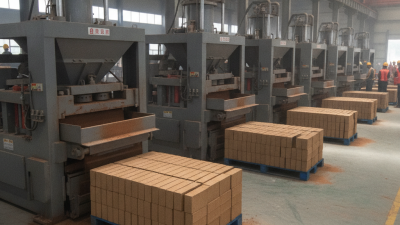
When selecting a drying machine for clay bricks, it’s essential to understand each model’s unique features. The efficiency of these machines directly impacts production. A well-designed Clay Brick Drying Machine can reduce drying time significantly. Models with adjustable humidity controls allow for better drying precision.
Some machines may lack adequate insulation, leading to energy loss. This can increase operating costs unexpectedly. It’s wise to evaluate energy consumption before making a decision. Look for models with innovative airflow systems. These systems ensure even drying and minimize cracking.
Reliability is another key factor. While some machines boast advanced technology, their durability may be questionable. Choose units with proven track records in the industry. Consider the maintenance needs of each model too. A machine that requires frequent repairs can quickly become a burden. Pay attention to user reviews, especially regarding customer support. These insights can guide you in making an informed choice for your clay brick drying machine.
Performance Metrics: Analyzing Efficiency and Output of Drying Machines
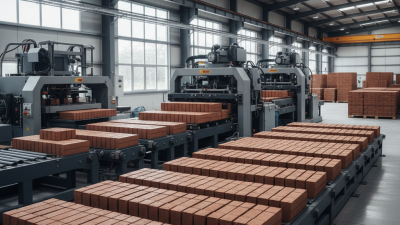
When assessing the efficiency of brick drying machines, performance metrics are paramount. A Clay Brick Drying Machine Tunnel Dryer typically operates under controlled temperature and humidity conditions. The ideal drying time can vary based on the machine's specifications and environmental factors. Not all machines maintain consistent output, even if they have similar capacity ratings. It's essential to analyze these performance metrics carefully.
Metrics like energy consumption and drying rates often reveal the machine's efficiency. Machines with lower energy consumption might achieve remarkable drying results, but dissecting these numbers is critical. Some users report that supposed high-performance models fall short in real-world scenarios. It’s crucial to look beyond advertised statistics and investigate reviews from other users in your industry.
Additionally, maintenance can play a significant role in a machine’s performance. Regular upkeep can mitigate efficiency losses over time. Some tunnel dryers may require frequent adjustments to maintain optimal conditions. This aspect often gets overlooked during initial evaluations. Understanding these intricate details can greatly impact the overall effectiveness of your drying operations.
Cost-Benefit Analysis: Evaluating ROI on Brick Drying Machines
As the demand for brick production rises, understanding the cost-benefit aspect of brick drying machines becomes crucial. A
Clay Bricks Making Drying Machine Tunnel Dryer Brick Oven
offers efficiency, but the initial investment can be high. It’s essential to assess the expected return on investment (ROI). Analyzing energy consumption, maintenance costs, and drying efficiency can provide deeper insights.
Evaluating ROI is not just about numbers. It's about the real-world impact on production timelines and quality. Many buyers overlook ongoing expenses, such as electricity and labor. These can accumulate, reducing overall profitability. While the technology promises enhanced output, you might find that operating costs cut into your margins.
Moreover, the effectiveness of these machines varies based on the type of clay used. It may require adjustments to maximize efficiency. Understanding the specifics of your operation is vital. Remember, a machine’s potential is only as good as how well it fits your needs. Investing in a drying machine should align with long-term production goals.
Industry Trends: Innovations in Brick Drying Technology for 2026
In 2026, brick drying technology is set to undergo significant innovations. Advances are not merely about efficiency but also sustainability. New drying machines focus on reducing energy consumption while enhancing productivity.
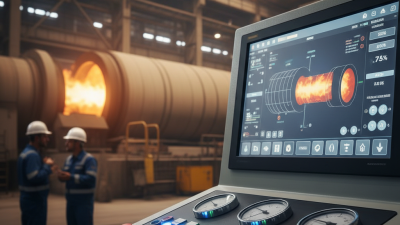
One notable trend is the integration of smart technology. These machines now use IoT (Internet of Things) sensors. This allows real-time monitoring of humidity and temperature levels. Manufacturers can adjust drying conditions instantly, minimizing waste. However, implementing such technology requires expertise. Some operators may struggle with these advanced features.
Another trend is the emphasis on eco-friendly materials. As environmental concerns grow, the industry is responding. Innovations in materials used for insulation and heating systems are emerging. Though these changes are positive, they may also pose initial installation challenges. Balancing performance with environmental impact remains a critical area for reflection. As we progress, the dialogue around these innovations must continue, fostering a better understanding of their implications.
Maintenance Best Practices for Longevity of Brick Drying Machines
Maintaining brick drying machines is essential for their longevity. Regular maintenance ensures optimal performance during the
Brick Drying Process.
Check for any signs of wear and tear. Look for unusual noises or vibrations. These can indicate underlying issues. Schedule routine inspections at specified intervals.
One effective tip is to clean the machine components regularly. Dust and debris can accumulate and affect performance. Focus on filters, fans, and heating elements. Replace filters as needed to maintain airflow. Keep the machine's exterior clean too. A tidy exterior can help prevent moisture buildup and corrosion.
Another crucial practice is monitoring temperature settings during the brick drying process. Overheating can damage the bricks and machine components. Ensure that temperature sensors are calibrated correctly. Adjust these settings according to the brick type and moisture content to improve efficiency. Consistent monitoring leads to fewer breakdowns and reduced repair costs. Reflecting on these practices helps maintain a reliable brick drying machine.
Innovative Drying and Firing Tunnel Kilns: Transforming Brick and Tile Production for Factories
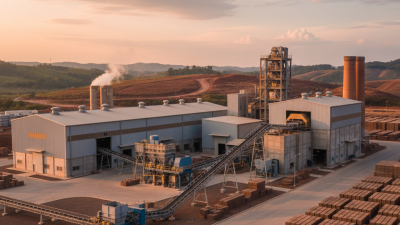
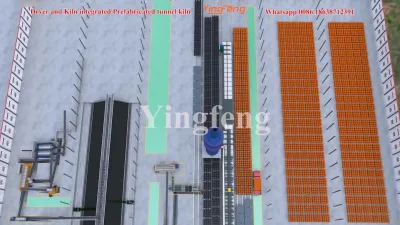
The innovative Drying and Firing Integrated Tunnel Kiln is set to revolutionize brick and tile production, particularly in the context of modern factories looking to optimize their workflows. By combining the drying and sintering processes into a single continuous unit, this advanced system eliminates the need for separate chambers, allowing for a smooth transition from wet green bodies to preheating, firing, and cooling stages. This seamless integration enhances overall production efficiency while addressing key issues faced by traditional kilns, such as high labor intensity and excessive energy usage.
One of the standout features of this integrated kiln is its ability to recycle waste heat generated during the firing process, achieving energy savings of over 20% compared to standard tunnel kilns. This results in not only reduced operational costs but also an environmentally friendly approach to manufacturing. Furthermore, the automated control system ensures consistent temperature management and firing cycles, which significantly improves the quality of the final product. Factories can expect enhanced strength, compactness, and aesthetic uniformity in their bricks and tiles.
This revolutionary kiln design is perfectly suited for small to medium-sized brick factories that utilize various materials like clay, coal gangue, and shale. By minimizing the need for extensive civil engineering and equipment expenses, it presents a cost-effective solution for producers aiming to remain competitive. The integrated approach not only streamlines production processes but also provides an opportunity for businesses to achieve sustainable growth in the ever-evolving construction material market.
FAQS
: Brick drying machines remove moisture from bricks, ensuring strength and durability.
Properly dried bricks can reduce energy consumption by up to 30% during firing.
Inadequate drying leads to cracks and deformities, affecting brick quality.
Twenty-five percent of brick failures result from improper drying methods.
Advances will include smart technology with IoT sensors for real-time monitoring.
Operators may struggle with advanced features and require expertise to manage them.
Regular maintenance optimizes performance and extends the lifespan of the machines.
Cleaning components regularly and monitoring temperature settings are essential.
Overheating can harm bricks and machine components, leading to costly repairs.
Balancing machine performance with environmental impact is a critical area for thought.
Conclusion
The article, "Top 10 Brick Drying Machines Buyers Guide for 2026," presents a comprehensive overview of brick drying machines, emphasizing their definition and significance in the brick manufacturing process. Key features such as energy efficiency, drying speed, and capacity are crucial for buyers to consider. The guide showcases the top 10 models currently available, analyzing each for performance metrics that measure their efficiency and output.
Additionally, the article provides a cost-benefit analysis to help potential buyers evaluate the return on investment for brick drying machines. It also highlights current industry trends and innovations that are shaping the future of brick drying technology, ensuring businesses stay competitive. Lastly, maintenance best practices are outlined to enhance the longevity and functionality of these machines, ensuring optimal performance over time.