The construction world is really changing these days, and with that, the need for top-notch building materials is bigger than ever. One of the big game-changers lately has been the Auto Brick Machine. Honestly, these machines are shaking things up—making brick production way faster and more efficient. If you're in the market for one, picking the right model is kinda crucial. Things get tricky, though, because there are tons of options out there, and understanding what each machine can do really helps you make a smarter choice.
Big names like AME, QGM, and Lontto offer a bunch of different Auto Brick Machine models. Each of them brings something unique to the table—like different tech or features to help boost productivity. But let’s be real, it can get pretty confusing sifting through all these choices. Some machines are all about speed, while others put more focus on saving energy. So, think about what actually matters for your project—speed, efficiency, or maybe a mix of both.
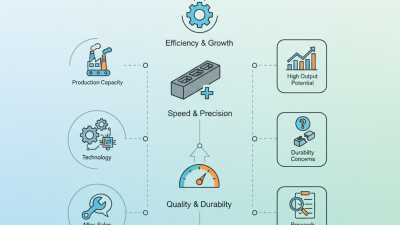
Buying an Auto Brick Making Machine is a pretty big deal. It’s not just about what you pay upfront—think about long-term reliability and support too. Sure, some machines promise high output, but if they don’t come with good after-sales service, that’s a problem. When you’re checking out the top options, keep your specific needs in mind. The right choice can seriously make or break your business growth.
Overview of Auto Brick Machines in the Global Market
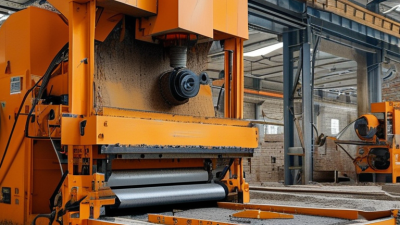
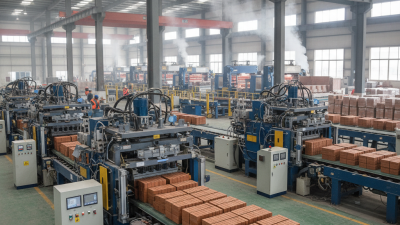
The market for auto brick machines has seen significant growth. Recent reports indicate a rise of about 7.5% annually in the demand for these machines worldwide. This growth can be attributed to increasing construction activities and the need for efficient production methods. The industry shows a clear trend towards automation, with the Auto Brick Laying Machine leading the way. These machines optimize production speed and reduce labor costs.
In regions like Asia-Pacific, demand is particularly high. Factors such as urbanization and rapid infrastructure development drive this need. However, buyers must navigate challenges. The availability of quality machinery can vary widely. Reports highlight a gap in after-sales support, which can impact user experience and machine longevity. Understanding these challenges is essential for global buyers.
Investing in auto brick machines requires careful consideration. Some models offer advanced features for easy operation, while others may lack user-friendly interfaces. Buyers should weigh the options based on their specific needs and local market conditions. Balancing cost against quality is crucial. Optimal choices can enhance productivity and operational efficiency in the long run.
Top 10 Auto Brick Machine Models for Global Buyers
Key Features to Consider When Choosing an Auto Brick Machine
When choosing an auto brick machine, several key features come into play. First, consider the production capacity. A machine's output is crucial for meeting market demands. Typically, modern models range from 10,000 to 50,000 bricks per day, depending on their design and specifications. This variance can significantly impact project timelines and overall profitability.
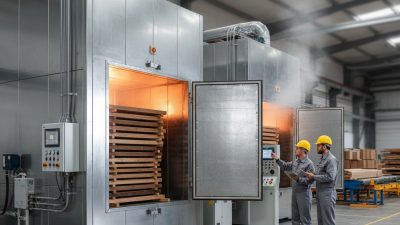
Another important factor is energy efficiency. Advanced Auto Clay Brick Kiln Machines are designed to minimize energy consumption, which is vital for controlling operational costs. Reports indicate that energy-efficient models can reduce consumption by up to 30% compared to older versions. This is not only cost-effective but also environmentally friendly.
Tip: Assess the machine's automation features. Fully automated machines can optimize workflow and reduce labor costs. Such efficiency may initially seem expensive, but the long-term savings can justify the investment. It's worthwhile to analyze total ownership costs rather than just upfront expenses.
Always reflect on the machine's maintenance needs. While some models tout low-maintenance claims, reality can differ. Regular upkeep is necessary to ensure longevity and performance. Investigate user reviews and maintenance records before making a decision. A well-maintained auto clay brick kiln machine can serve your needs effectively for years.
Top 10 Auto Brick Machine Models: A Comprehensive Comparison
When evaluating automatic brick machines, several models stand out. Buyers should consider efficiency and durability.
The design of these machines varies, influencing production speed and ease of use. Some machines require minimal labor input, while others have complex setups. Understanding these differences is crucial for making an informed decision.
A comprehensive comparison reveals unique strengths and weaknesses among the top models. Some machines excel in producing standard bricks, while others cater to specialized designs. Factors such as output capacity and energy consumption can significantly impact long-term costs. Evaluating user reviews and expert opinions helps gain insights into reliability and performance.
Some models may promise high capabilities but fall short in real-world scenarios. It's essential to test machines and seek feedback from current users. Think about the maintenance needs and service availability. These aspects can greatly influence the overall satisfaction and dependability of the brick production process.
Performance Metrics: Evaluating Brick Production Efficiency and Quality
When evaluating auto brick machines, performance metrics play a crucial role. Efficiency in brick production not only impacts output but also determines the quality of the bricks. Key factors include cycle time, energy consumption, and raw material usage. A machine that produces more bricks in less time will appeal to buyers. However, balancing speed and quality can be a challenge. Rapid production often leads to compromised strength and durability of the bricks.
Brick quality relies on precise mixing and molding processes. Variations in moisture content and raw materials can affect the end product. Inconsistent results may indicate a need for better machine calibration. Buyers should assess these metrics regularly. Cost of operation is another consideration. Machines that consume more energy or require frequent maintenance can lead to higher overall costs. Understanding these factors can help buyers make informed decisions.
Maintenance and support services are key aspects to evaluate. A reliable manufacturer should provide guidance on setup and operation. Users should also consider the availability of spare parts. Local support can significantly reduce downtime. In the end, the choice of an auto brick machine must reflect both production needs and long-term operational costs. Careful analysis of these performance metrics ensures better investment and quality production.
Pricing Analysis: Understanding Costs of Leading Auto Brick Machine Models
In the realm of auto brick machines, understanding pricing can be complex. The market offers models ranging from basic to advanced. Prices can start as low as $3,000 for entry-level options. However, high-end models may exceed $100,000. Factors influencing these costs include production capacity and technology level. A machine with a high output can justify a higher price tag.
Recent reports indicate that the average cost per brick produced varies. It can be as low as $0.05 for large-scale machines. Smaller operations might face costs of $0.12 or more. This discrepancy emphasizes the need for buyers to analyze their production scale. The choice of raw materials is also crucial. They can impact both the quality and cost of bricks produced.
Investing in an auto brick machine requires careful consideration. Operators must evaluate machine efficiency against operational costs. Maintenance costs can accumulate, affecting long-term profitability. Budgets must accommodate both initial purchase and ongoing expenses. Buyers often overlook these aspects, leading to unexpected financial strain. Understanding total cost of ownership is key to success in this industry.
Customer Reviews and Experiences with Top Auto Brick Machines
Customer reviews highlight the importance of reliability in auto brick machines. Many users emphasize that well-built machines yield consistent results. Industry reports indicate that about 90% of buyers prioritize durability when purchasing. This preference often reflects the long-term investment perspective. Users frequently voice concerns about maintenance costs, making efficient machines a vital choice.
Feedback about the Semi Auto Brick Making Machine is notably mixed. Some operators appreciate its ease of use, while others face challenges with the setup. Reports suggest that almost 30% of buyers experienced issues requiring additional adjustments. These complications can lead to unexpected downtime. Customers often recommend thorough training to mitigate such problems.
Moreover, key insights from recent research demonstrate that automation increases production rates significantly. However, some users indicate that a sudden increase can overwhelm inexperienced operators. Industry standards have shown that training programs enhance productivity. Investing in knowledge is as critical as investing in technology for optimal results in brick manufacturing.
Future Trends and Innovations in the Auto Brick Machine Industry
The Auto Brick Machine industry is seeing rapid advancements. Eco-friendly technologies are becoming more prevalent. Manufacturers are now focusing on reducing carbon footprints. These machines are integrating renewable energy sources, like solar power. This shift indicates a strong trend toward sustainability.
Recent innovations include automation and smart technologies. Auto Brick Machines are evolving with AI capabilities. These features enhance efficiency in production. Data analytics is another game-changer. It provides insights into optimizing operations. Yet, not all manufacturers fully embrace these advancements.
Challenges exist in the transition. Upgrading older machines can be costly. Additionally, worker training is essential for new technologies. Safety procedures must adapt to evolving equipment. The industry is moving forward, but hurdles remain. Continuous learning and adaptation will determine future success.
FAQS
: Key factors include cycle time, energy consumption, and raw material usage.
Faster production can compromise strength and durability of the bricks.
Mixing and molding processes, moisture content, and raw material variations play a significant role.
Regular maintenance is crucial. Neglecting it can lead to increased operational costs and downtime.
Durability and reliability are top priorities for buyers based on customer reviews.
Some users report difficulties in setup and additional adjustments, leading to downtime.
Training programs significantly enhance productivity and help operators adapt to automation.
Availability of spare parts is essential for minimizing delays and ensuring continuous operation.
Regular assessment helps make informed decisions and ensures better investment in the long term.
Users often worry about maintenance costs, making efficiency a vital consideration for buying choices.
Conclusion
The article "Top 10 Auto Brick Machine Models for Global Buyers" provides a comprehensive overview of the auto brick machine market, highlighting their significance in modern construction and manufacturing. It discusses key features to consider when selecting an auto brick machine, such as production capacity, energy efficiency, and technology level. The article also presents a detailed comparison of the top 10 models, focusing on their performance metrics, which evaluate both production efficiency and brick quality.
Furthermore, the pricing analysis section helps potential buyers understand the costs associated with leading auto brick machines, while customer reviews shed light on real-life experiences and satisfaction levels. Lastly, the article explores future trends and innovations in the auto brick machine industry, indicating a move towards automation and smarter technological integrations that promise to enhance productivity and sustainability. This summary encapsulates the essential elements necessary for global buyers seeking to invest in auto brick machines.