Setting up a successful clay brick production line isn’t just about following a checklist – it really takes some careful planning and hands-on execution. Industry folks who’ve been in the game for a while will tell you the same. John Smith from BrickTech Industries puts it plainly: "Getting the setup right from the start is what really sets the stage for long-term success in making clay bricks."
Having a well-organized production line is pretty much the backbone of everything – it impacts how efficient you can be and the quality you end up with. Picking the right equipment and arranging it thoughtfully can make all the difference. Don’t forget to pay close attention to each step – shaping, drying, firing – overlook anything, and you might end up with defects that could’ve been avoided.
Also, it’s smart to tailor your production line to what the market needs. Being flexible here can really boost your competitiveness. And hey, don’t be discouraged if things don’t go perfectly the first time – every mistake is just a lesson in disguise. Building a reliable clay brick line? It’s all about learning from experience and tweaking your setup along the way for better results next time.
Overview of Clay Brick Production Line Setup Requirements
Setting up a clay brick production line requires careful planning. Start by assessing your local market demand. Understanding the types of bricks in demand will guide your production processes. Analyzing competitors can reveal valuable insights into successful strategies.
Next, focus on the essential equipment needed for production. You will require a clay mixer, an extruder, and a kiln. Each piece of equipment should be selected based on your intended output. Look for reliable suppliers that provide good after-sales support. Testing equipment before purchase can prevent future challenges.
Workspace layout is another crucial aspect. The factory should facilitate smooth workflow and minimize unnecessary movement. However, some setups may lead to inefficiencies. Regular assessments and adjustments might be necessary. Remember, the setup is not perfect from the start. Reflecting on initial choices can lead to improvements over time. Having a responsive approach will ensure your production line adapts to challenges effectively.
Choosing the Right Location for Your Brick Production Facility
Choosing the right location for your brick production facility is crucial. The site needs to have access to quality clay. Clay quality affects the brick's durability and finish. Reports suggest that a location with at least 30% clay content in soil is ideal. Proximity to clay sources reduces transportation costs.
Additionally, your facility should be near key transportation routes. Roads and railways are vital for distributing bricks effectively. A study by the Brick Industry Association showed that logistics costs can account for 15-20% of production expenses. Choosing a site within 100 miles of major markets can cut these costs substantially.
Consider the environmental impact of your location. Regulations may restrict operations near residential areas. Noise, dust, and other issues must be addressed. Conducting a survey to gauge community sentiment can help. Lastly, analyze local labor availability and expertise. Skilled workers enhance production efficiency. Without them, challenges can hinder growth and quality. Keep these factors in mind for a successful setup.
Essential Tips for Setting Up Your Clay Brick Production Line
| Dimension |
Description |
Importance |
| Location |
Proximity to raw materials such as clay |
Critical for cost reduction |
| Accessibility |
Ease of transport for raw materials and finished products |
Essential for operational efficiency |
| Labor Availability |
Access to skilled and unskilled labor |
Important for production capacity |
| Regulatory Compliance |
Understanding local building codes and environmental regulations |
Necessary to avoid legal issues |
| Market Demand |
Analysis of the local and regional demand for bricks |
Crucial for business viability |
| Utilities Support |
Reliability of electricity and water supply |
Vital for uninterrupted production |
Essential Machinery for Efficient Clay Brick Manufacturing
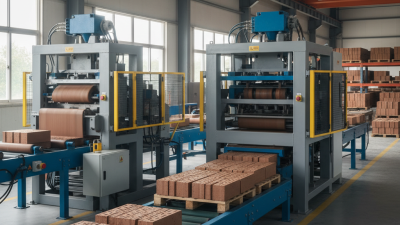
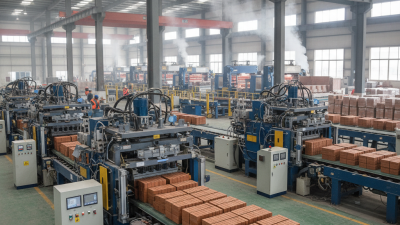
Setting up an efficient clay brick production line requires careful consideration of various machinery. The right equipment can drastically improve productivity and quality. Key components include the Brick Machine Fired Clay Brick Making Machine, which plays a central role. This machine shapes and molds the clay into bricks, ensuring consistency in size and density.
Another essential tool is the clay mixer. It prepares the raw material by mixing clay with water, ensuring an even texture. Pay attention to the mixer’s capacity; too small may slow down production. A conveyor system should follow to transport bricks through different stages. This helps maintain workflow and reduce manual handling.
Here’s a tip: regularly check machinery for wear and tear. Delayed maintenance can lead to breakdowns, affecting production. Also, consider the energy consumption of each machine. An efficient production line is not just about speed but also cost-effectiveness. Always evaluate each machine’s performance to make informed decisions, as not every piece of equipment may meet your requirements right away.
Raw Material Selection: Clay Types and Quality Considerations
When establishing a clay brick production line, raw material selection is crucial. The type of clay directly impacts the quality of the bricks produced. Common clays include earthenware, stoneware, and fireclay. Each has unique properties that affect plasticity and firing temperature. For instance, earthenware clays are typically more plastic, making them easier to shape. However, they may not withstand high temperatures as well as fireclay.
Quality considerations are paramount in achieving consistent results. According to industry reports, 20-30% of production failure can be traced back to raw material issues. Impurities in clay can lead to cracks and weaknesses in the final products. Testing for moisture content and particle size is essential. A balanced mixture of different clay types can enhance workability and strength.
Environmental factors also play a role in clay selection. Local availability can reduce costs, but it could affect quality. It's important to conduct thorough research. Sampling and testing should be routine to ensure raw materials meet the desired standards. Inadequate attention to these details can lead to significant production challenges. Understanding the local market's needs can also shape your choices.
Quality Control Measures in Clay Brick Production
Quality control is crucial in clay brick production. It ensures that each brick meets the necessary standards for durability and strength. Monitoring raw materials is an essential step. Use high-quality clay and other additives to improve the final product. Inspect the clay for consistency. Variability in materials can lead to defects.
The firing process in the Clay Brick Kiln needs careful attention. Temperature control is vital. An uneven temperature can cause warping or cracking. Regularly maintain the kiln to ensure uniform heat distribution. It might be helpful to keep logs of firing cycles for better analysis. Analyze any bricks that do not meet quality standards. This can prevent future issues.
Testing the bricks should be a routine task. Employ standard methods to check for compressive strength and absorption rates. This provides insights into the product's performance. Document findings to refine the production process. Quality control is a continuous journey. Embrace the need for improvements as challenges arise.
Environmental Considerations and Waste Management in Production
Setting up a clay brick production line requires careful consideration of environmental impacts and waste management practices. Efficient waste management helps in minimizing overall production costs. It can also reduce the ecological footprint of the operation. A Clay Brick Maker should evaluate how to recycle waste materials, such as broken bricks and excess clay. This can lead to more sustainable production without losing quality.
Utilizing eco-friendly techniques is crucial. Implementing dust control systems during production minimizes air pollution. Furthermore, water runoff management can prevent contamination of local water bodies. Regular audits of waste disposal methods ensure compliance with environmental regulations. Not all brick makers prioritize this aspect, which can lead to significant environmental consequences.
Effective communication with employees about environmental practices is another key area. Training them on the importance of reducing waste can improve overall efficiency. Yet, some staff may resist change, raising challenges. Reflecting on these obstacles is important for continuous improvement. A successful clay brick maker not only produces quality bricks but also champions eco-awareness.
Staffing and Training Needs for a Brick Production Line
Setting up a clay brick production line involves paying close attention to staffing and training. The workforce is the backbone of any production facility. Hiring skilled workers can improve efficiency. Consider employing individuals with experience in operating a Clay Brick Machine. Their familiarity with this equipment can lessen training time and reduce errors.
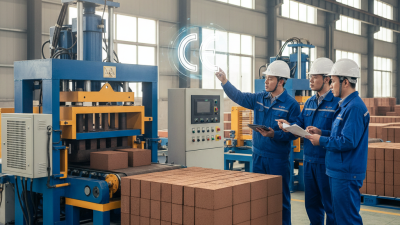
Training is crucial for optimizing production. Provide comprehensive sessions on safety and machine handling. Workers should understand how to maintain the clay brick machines properly. Routine training sessions can keep skills sharp and enhance overall productivity. However, constant training can be challenging. It’s essential to balance production demands with staff development.
Beyond technical skills, focus on teamwork. Encourage communication among team members to identify problems early. This approach creates a more cohesive work environment. Remember, worker satisfaction also impacts productivity. Be open to feedback and adjust training materials based on employee input. Strive for continuous improvement, but accept that setbacks may occur. Embrace these moments as learning opportunities.
Revolutionizing Manufacturing Efficiency: Insights from Industry Reports on Automatic Brick Stacker Robotics and Their Impact on Productivity
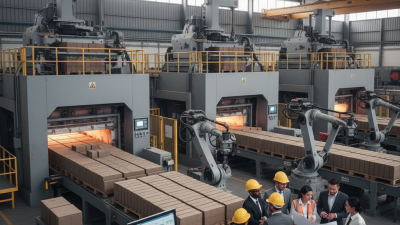
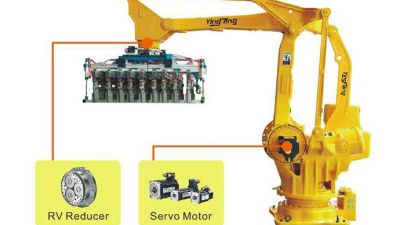
The use of automatic brick stacker robotics is transforming the manufacturing landscape, significantly enhancing productivity and operational efficiency. Industry reports indicate that the integration of robotics in brick stacking processes can increase production rates by up to 30%, minimizing manual labor and reducing the likelihood of human error. By improving robot load capacity and allowing for versatility in working positions, manufacturers can effectively expand operational scope and achieve higher throughput.
Moreover, advancements in robotic technology enable these machines to operate at high speeds while maintaining precision in positioning. This capability is crucial in environments such as tunnel kilns and rotary kilns, where specific stacking conditions must be met to ensure optimal firing cycles. By tailoring robotic solutions to these unique settings, companies can not only streamline their workflow but also adapt to varying demands in brick production, ultimately leading to enhanced profitability.
Reports suggest that the implementation of customized robotic systems can lead to substantial cost savings over time, further solidifying their crucial role in the future of manufacturing. As businesses continue to embrace automation, the focus remains on developing solutions that not only meet current operational needs but also anticipate future challenges, paving the way for innovation within the brick production sector.
FAQS
: Assess local market demand and types of bricks needed.
You will need a clay mixer, extruder, and kiln for production.
Ensure a smooth workflow to minimize unnecessary movement during production.
Testing before purchase can prevent future challenges in the production line.
Efficient waste management can minimize costs and reduce the ecological footprint.
Implementing dust control systems and managing water runoff are crucial.
Train them on waste reduction techniques to enhance efficiency.
Some staff may resist change, which can create hurdles in improvement.
Regular assessments and adjustments are necessary for continuous improvement.
Producing quality bricks while promoting eco-awareness and sustainability.
Conclusion
Setting up a Clay Brick Production Line requires careful planning and consideration of several critical factors to ensure efficiency and quality. First, selecting the right location is paramount; it should be accessible to raw materials and have suitable logistical connections. Essential machinery must be procured to streamline the manufacturing process, ensuring that the facility is equipped for both the shaping and firing of bricks.
Additionally, attention must be given to raw material selection, focusing on clay types and their quality, as these directly impact the final product. Implementing stringent quality control measures will help maintain high standards in production, while environmental considerations and effective waste management practices are vital for sustainable operations. Finally, investing in proper staffing and training will enhance productivity and ensure that all team members are equipped with the necessary skills for efficient Clay Brick Production Line operations.