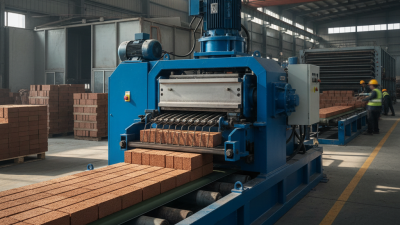
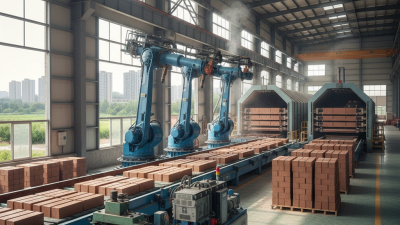
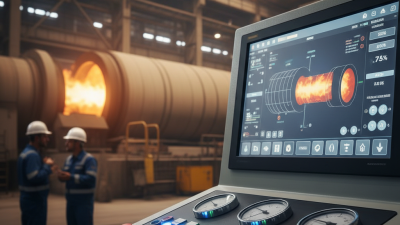
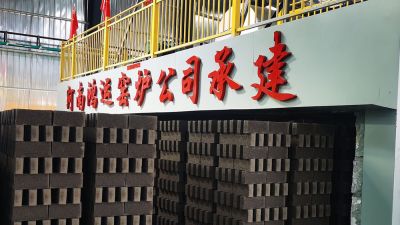
When you're in the construction game, having the right equipment can really make all the difference. Take a Solid Brick Making Machine, for example—it's a pretty solid tool that can help you produce durable bricks more efficiently. These machines can seriously boost your productivity and help you get high-quality bricks without much hassle. That said, picking the right one isn't always straightforward.
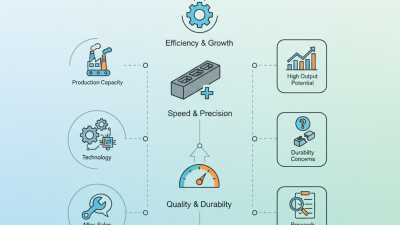
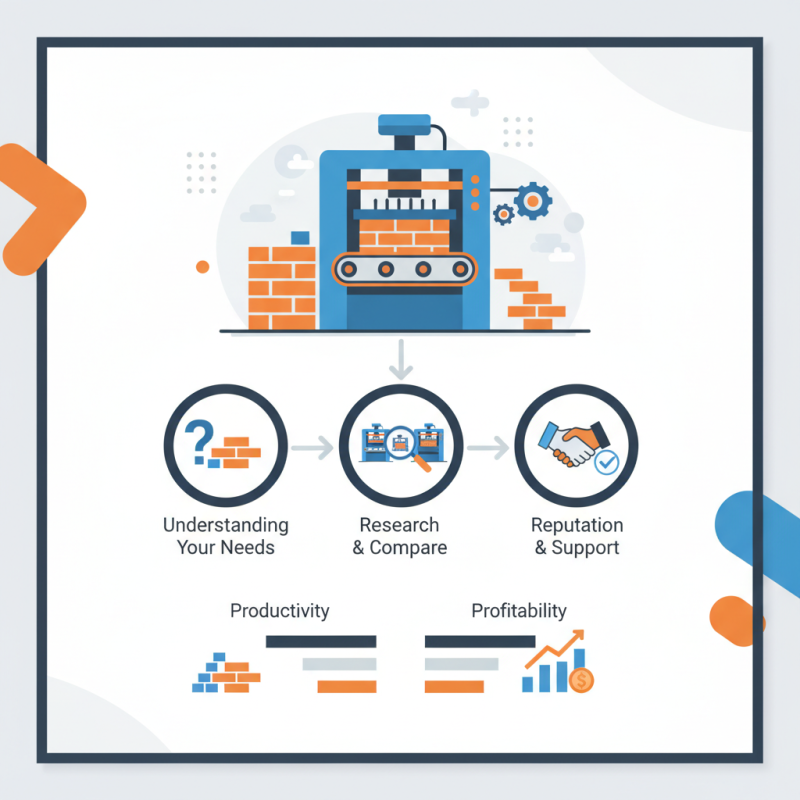
First off, you’ve gotta understand what exactly you need. Some machines are built for smaller projects, while others are better suited for bigger operations. So, it’s important to match the specs of the machine with what your business demands. Also, don’t forget to check out the brand’s reputation—look for good reviews, and see if they offer decent after-sales support. Going with a trusted name, like XYZ Brick Solutions, usually gives you a safer bet.
Of course, not every machine is perfect for everyone. Some Solid Brick Making Machines might not quite fit your budget or specific needs. It’s worth taking a step back and thinking about whether the machine’s features really align with your goals. Doing a bit of homework—comparing different options and researching what others say—can help you make a smarter call. Get it right, and you'll see better efficiency and, hopefully, more profits in your projects."
What is a Solid Brick Making Machine?
A solid brick making machine is essential for producing durable bricks used in construction. These machines compress clay or other materials into molded shapes. Depending on the technology used, production rates can exceed 10,000 bricks per day. According to recent industry data, the global brick market is expected to reach over $250 billion by 2025, showcasing the demand for efficient brick-making equipment.
When selecting a solid brick making machine, consider the material type. There are machines designed specifically for fired clay, which enhances brick strength. Different models offer various output capacities and automation levels. Investing in a high-quality Brick Machine Fired Clay Brick Making Machine can significantly impact production efficiency.
Tip: Always assess your production needs and budget before purchasing. Ensure that machine specifications align with your operational goals. Additionally, it's crucial to review user feedback and expert opinions on the machine’s performance to avoid costly mistakes. The journey of brick production involves complexities; even advanced machines require precise handling to maintain quality standards.
Key Components of Solid Brick Making Machines
When selecting a solid brick making machine, understanding its key components is crucial. The heart of any machine is its mixer. This component ensures the right mixture of raw materials. Properly mixed materials lead to higher quality bricks. A poor mixer can result in inconsistent mixtures, affecting the final product's strength.
Another vital part is the mold. Molds define the shape and size of the bricks. They should be durable and easy to clean. Worn-out molds can lead to defects in the bricks. It’s essential to choose molds that suit specific production needs.
The hydraulic system plays a significant role too. A reliable hydraulic system controls the pressure applied during brick formation. If this system fails, the production may halt or, worse, produce subpar bricks. Regular maintenance of this system is often overlooked. Builders should focus on routine checks to ensure optimal performance.
Types of Solid Brick Making Machines Available
When considering solid brick making machines, it's important to know the types available. These machines are classified primarily into manual, semi-automatic, and fully automatic options. Each type offers different levels of efficiency and output. Manual machines are cost-effective, though they require significant labor. According to industry reports, these machines can produce between 1,000 to 2,500 bricks daily.
Semi-automatic machines strike a balance between labor and efficiency. They can produce around 4,000 to 10,000 bricks a day with a combination of human effort and machine automation. Fully automatic options dominate the market in terms of output, reaching up to 30,000 bricks daily. However, the initial cost is higher. A detailed analysis from industry experts suggests that around 35% of startups in the brick-making sector prefer semi-automatic machines for their optimal balance between cost and productivity.
Choosing the right machine depends on specific needs. Factors include production volume, labor availability, and budget constraints. Many users overlook maintenance needs, which can lead to higher operational costs. A machine’s features should align with the scale of production. In a survey, over 60% of brick manufacturers reported that too many options create confusion. This needs careful consideration. Understanding material requirements is also crucial, as different machines handle various raw materials differently.
Factors to Consider When Choosing a Brick Making Machine
When selecting a solid Brick Making Machine, several critical factors come into play. The performance of the machine should align with your production goals. Look for machines that can produce a high quantity of bricks per hour. According to industry reports, a reliable machine can produce over 1200 bricks in a day. However, the initial costs can be steep. Ensure you have a budget that includes maintenance and operational expenses.
Material selection for the machine is another essential consideration. Machines vary in their capability to handle different materials, such as clay, concrete, or fly ash. Each material has distinct production requirements and cost implications. Some machines excel with specific materials, while others are more versatile. Take time to assess your local material sources and choose a machine accordingly.
**Tips:** Evaluate the machine’s energy consumption. A highly efficient machine might have higher upfront costs but can lead to lower operational expenses long-term. Additionally, consider the availability of spare parts. Some machines might be easier to repair. Having ready access to parts can save time and costs.
Keep in mind, not every machine will meet your unique needs. It’s crucial to do thorough research. Reach out to industry experts when in doubt. Engaging with professionals can provide insights that may not be readily available in standard reports, helping to make a more informed decision on your brick making machine.
Benefits of Using Solid Brick Making Machines
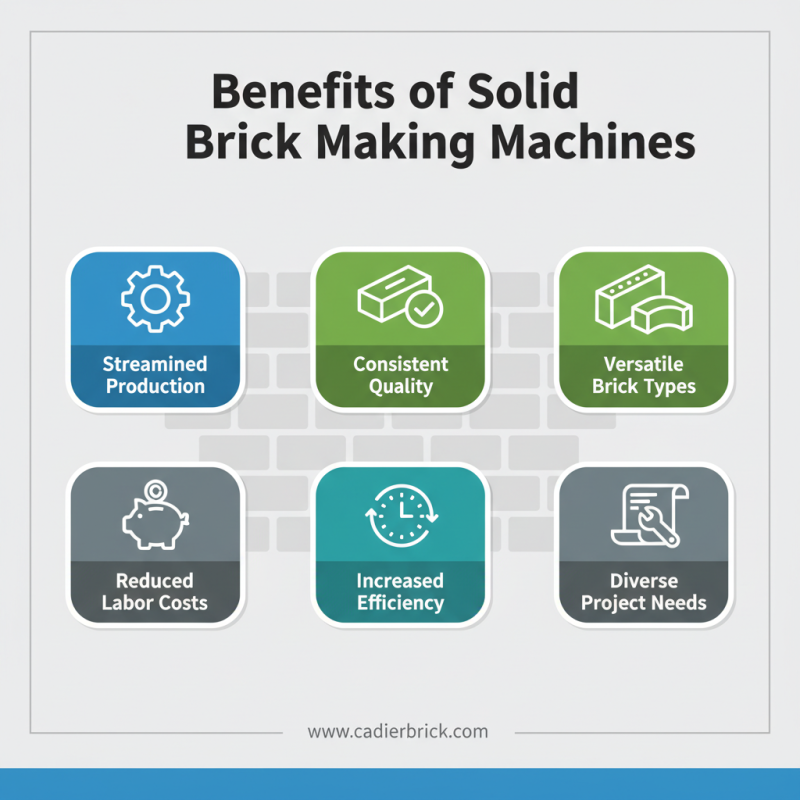
Solid brick making machines offer numerous benefits for both large and small construction projects. They streamline production and ensure consistency in brick quality. These machines can produce a variety of bricks, from solid to hollow types, meeting diverse project needs. By automating the manufacturing process, Brick Machine Making reduces labor costs and increases efficiency.
Additionally, solid brick making machines contribute to sustainability. They can utilize recycled materials, which minimizes waste and conserves resources. By producing high-strength bricks, these machines enhance the durability of structures, potentially lowering maintenance costs. However, choosing the right machine requires careful consideration of production capacity and material compatibility.
Investing in a solid brick machine involves assessing your specific requirements. Buyers may face challenges in selecting suitable equipment. Factors like budget, maintenance needs, and available space are crucial. A clear understanding of what is required will help in making an informed decision. Ultimately, the right brick machine making solution can lead to exceptional results in construction projects.
Maintenance Tips for Solid Brick Making Machines
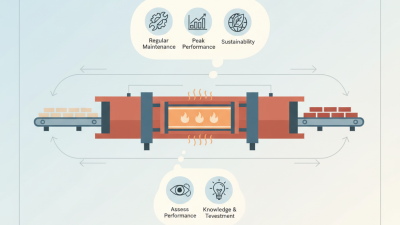
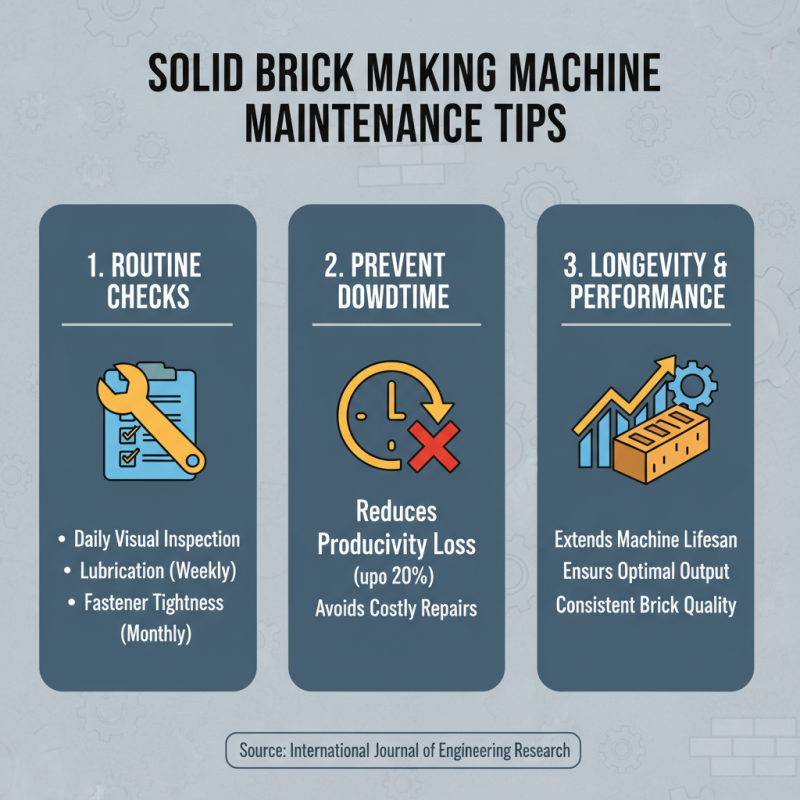
Maintenance of solid brick making machines is crucial for ensuring longevity and optimal performance. Regular maintenance helps mitigate breakdowns. According to a report by the International Journal of Engineering Research, downtime due to maintenance can lead to losses of up to 20% in productivity. Operators should follow a routine schedule for maintenance checks.
Cleaning is essential. Dust and debris can accumulate and cause mechanical issues. In addition, lubricating moving parts reduces friction. A survey conducted by the Brick Manufacturing Association found that machines with regular lubrication had a 15% lower failure rate. Operators should also monitor hydraulic systems for leaks.
It's important to conduct regular performance assessments. Machines might exhibit declines in output quality over time. An efficiency drop can indicate wear and tear. An in-depth analysis of machine components can reveal underlying issues. Ignoring minor problems may lead to costly repairs later. Therefore, proactive maintenance is essential for sustained productivity.
Common Misconceptions About Brick Making Machines
When discussing brick making machines, many hold onto common misconceptions. One prevalent myth is that all brick machines are the same. In reality, the features and capabilities can vary significantly. A Red Brick Making Machine can be quite different from a standard block machine. Understanding these differences is crucial for anyone considering an investment.
Another misconception is that brick making machines are only for large-scale production. While these machines can produce high volumes, they are also suitable for smaller operations. Smaller businesses and hobbyists can benefit from specialized machines. Such machines can be adaptable and still provide high-quality products without overwhelming space or budget.
Many individuals believe that using a brick making machine requires extensive technical knowledge. However, this isn’t entirely true. While some familiarity with equipment is beneficial, modern machines often come with user-friendly interfaces. Users can learn to operate them effectively with minimal background. A thoughtful approach to training can make a significant difference.
What is a Solid Brick Making Machine and How to Choose One? - Common Misconceptions About Brick Making Machines
| Feature |
Description |
Common Misconception |
| Machine Type |
Hydraulic vs. Manual |
All machines are fully automatic. |
| Brick Size |
Standard sizes (e.g., 190x90x90 mm) |
All machines can only produce one size. |
| Production Capacity |
Up to 20,000 bricks per day |
High capacity means more energy consumption. |
| Material Used |
Clay, cement, fly ash, etc. |
All bricks are made from clay only. |
| Maintenance |
Regular checks and lubrication |
No maintenance is needed for a long lifespan. |
Efficient Brick Production: Exploring Mobile Rotary Clay Brick Tunnel Kilns from Chinese Suppliers and Factories
The Mobile Rotary Tunnel Kiln represents a significant advancement in brick production technology, offering unparalleled efficiency and performance compared to traditional methods. This innovative kiln operates on a unique principle where the adobes remain stationary while the kiln body rotates, ensuring uniform processing of materials. By employing a robust steel structure, the kiln is designed to function seamlessly on a circular track, which is strategically divided into core phases: drying, preheating, roasting, cooling, and heat preservation. Such a carefully engineered design fosters synchronized operation, optimizing the entire manufacturing process.
Furthermore, the kiln’s intermittent rotational movement enhances the sequential treatment of bricks, allowing for precise control from the initial drying phase to the final expulsion of finished bricks. This systematic approach minimizes waste and maximizes energy efficiency, crucial factors in today’s environmentally conscious manufacturing landscape. Factories utilizing the Mobile Rotary Tunnel Kiln benefit from its reliable operation, yielding high-quality bricks with consistent properties. As suppliers streamline their production capabilities, this technology is echoing a new era in brick manufacturing, significantly contributing to enhanced productivity and sustainability.
FAQS
: There are manual, semi-automatic, and fully automatic machines. Each offers different efficiency levels.
Manual machines can produce between 1,000 to 2,500 bricks daily, depending on labor input.
Semi-automatic machines can produce around 4,000 to 10,000 bricks a day with mixed human and machine effort.
About 35% of startups choose semi-automatic machines for their balance of cost and productivity.
Consider production volume, labor availability, and budget. Maintenance needs should not be overlooked.
No, smaller operations can also benefit. Specialized machines can be used by hobbyists too.
Not necessarily. Modern machines often have user-friendly interfaces, making them easier to operate.
Many believe all machines are the same. In reality, features and capabilities can vary significantly.
Over 60% of manufacturers reported confusion due to too many options. Careful consideration is needed.
Different machines handle various raw materials differently. This understanding is crucial for effective use.
Conclusion
A Solid Brick Making Machine is an essential piece of equipment used in the production of high-quality solid bricks, which are fundamental in construction and building projects. Understanding the key components, such as mixers, molds, and hydraulic systems, is crucial for selecting the right machine. There are various types of Solid Brick Making Machines available, ranging from manual to fully automatic options, each suited for different production scales and operational needs.
When choosing a brick making machine, factors such as production capacity, power consumption, and ease of maintenance should be considered. The benefits of using Solid Brick Making Machines include increased efficiency, cost-effectiveness, and superior brick quality. Regular maintenance is vital to ensure longevity and optimal performance. Lastly, it’s important to dispel common misconceptions about brick making machines, such as the belief that they are too complex to operate. With the right knowledge and care, these machines can significantly enhance the brick manufacturing process.