If you’re serious about staying competitive these days, optimizing your clay brick tunnel kiln is a must. With energy costs climbing and everyone becoming more eco-conscious, you really want to get the most out of your setup without turning quality into a sacrifice. Sometimes, it’s those tiny tweaks—like fine-tuning temperature controls or adjusting airflow—that can make all the difference in how well your firing process goes. Honestly, you’d be surprised how small changes can lead to big improvements.
Having worked with Tunnel Kiln Clay Brick production myself, I’ve learned that regular maintenance really pays off. Keeping an eye on the kiln’s structure and insulation helps cut down on heat loss, and industry pros swear by the power of good monitoring tools—those things help you make smarter decisions on the fly. Honestly, setting up your kiln can sometimes feel like a headache, but with the right tweaks, it gets way easier.
Looking back on past practices can actually be a good guide for making improvements. It’s worth taking a close look at your firing schedule and how you handle materials—there’s rarely a one-size-fits-all solution. Each type of clay can demand its own approach, and don’t be afraid to experiment. In the end, success often comes from understanding the nitty-gritty of your specific operation and being willing to make informed adjustments along the way.

Understanding the Basics of Clay Brick Tunnel Kilns
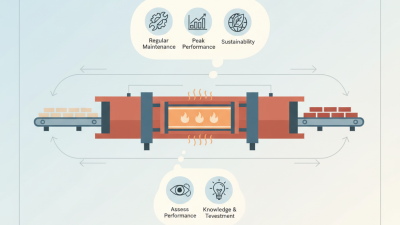
Clay brick tunnel kilns are essential for producing high-quality bricks. Understanding their basic structure and operation can significantly impact efficiency. These kilns work by continuously moving bricks through a heated chamber. Heat is applied from the sides as the bricks travel, allowing for even firing. This design minimizes energy consumption compared to traditional vertical kilns.
It's crucial to maintain optimal airflow within the kiln. Poor airflow can lead to uneven heating and inefficient fuel use. Regular checks on the flue systems can prevent blockages. Using appropriate materials for the kiln’s construction can also enhance its longevity and performance. Observing the firing cycles and adjusting them based on production demand helps in refining the process.
However, even experienced operators can encounter challenges. Variations in clay composition can affect firing times and temperatures. It’s important to document these inconsistencies and adapt firing schedules accordingly. Reflecting on past production outcomes can provide insights into improving efficiency. Continuous learning and adjustment are vital in maximizing kiln performance.
Key Factors Influencing Kiln Efficiency
Efficient operation of a Clay Brick Tunnel Kiln depends on several key factors.
Temperature control stands out as a primary concern. Uneven heating can lead to varying brick quality.
Monitoring temperature in different zones ensures uniform firing. Adjustments may be needed based on the specific clay used. This requires experience and careful observation.
Airflow management is another crucial factor. Sufficient airflow allows for proper combustion, affecting energy consumption.
Poor airflow may lead to waste and suboptimal results. Regular inspection of ventilation systems is necessary.
Ensuring that exhaust paths are clear can minimize issues.
Lastly, kiln loading strategies impact overall efficiency. Overloading may cause uneven firing while underloading wastes energy.
It’s essential to find that balance. Regular training for operators can enhance knowledge and improve loading patterns.
Reflecting on these practices can lead to significant efficiency gains in your Clay Brick Tunnel Kiln.
Optimizing Airflow for Enhanced Combustion
Optimizing airflow is crucial for enhancing combustion in a Fired Clay Brick Tunnel Kiln. Proper airflow increases efficiency in the firing process. Adjusting the flue sizes can better regulate the air intake and exhaust. Targeting specific areas for improvement can lead to significant energy savings.
When the airflow is insufficient, combustion becomes incomplete. This not only affects the kiln's efficiency but also the quality of the bricks. Monitoring draft levels is essential. A pressure gauge can help identify inconsistencies. Fine-tuning this aspect can improve the kiln's performance dramatically.
Consider testing various airflow configurations. Each kiln has unique characteristics. Factors like fuel type and environmental conditions can influence optimal settings. It might take several attempts to find the right balance. Documenting changes and their impacts provides valuable insights for future adjustments. Embracing a trial-and-error approach fosters innovation in enhancing your Fired Clay Brick Tunnel Kiln’s efficiency.
Temperature Control: Best Practices for Higher Output
Temperature control is crucial for improving the output of a clay brick tunnel kiln. Maintaining consistent temperatures throughout the firing process can significantly enhance brick quality.
One common mistake is overlooking hot spots caused by uneven airflow. These spots can lead to bricks that are over or under-fired. Installing baffles might help distribute heat more evenly.
Another aspect is monitoring kiln temperatures regularly. Use accurate thermocouples at various points to gather real-time data. Inconsistent readings can lead to inappropriate adjustments.
Furthermore, consider pre-heating the kiln to create stable conditions. This step can prevent temperature shocks that damage bricks.
Reflecting on your kiln's performance is essential. Analyzing past firing cycles can reveal patterns you can improve upon.
Sometimes, the best practices come from examining what didn’t work. Adjustments based on thorough observation can lead to higher efficiency and output.
Regularly reviewing these practices can foster a culture of continuous improvement.
Material Selection and Preparation for Maximum Efficiency
Choosing the right materials is vital for optimizing your Clay Brick Firing Tunnel Kiln. High-quality clay is the foundation. It should have the right plasticity to shape bricks easily. The moisture content must be carefully controlled to avoid warping during firing. Clay mixed with additives can enhance the overall strength and durability of the bricks. Experimenting with various clay sources may yield unexpected improvements.
Another crucial factor is the preparation of the clay. Thoroughly milling and blending the clay creates a uniform mixture. This process ensures even firing. Additionally, proper aging of the clay before shaping can significantly enhance the performance of your bricks. Aging allows the clay particles to interact, which develops a stronger structure. Inconsistent mixtures often lead to unpredictable firing results.
Monitoring the drying process is essential. Over-drying can cause cracks, while under-drying may lead to deformities in the kiln. Establish a consistent drying protocol for optimal results. Regularly testing your bricks for strength and structural integrity will provide feedback on your material choices and preparation techniques. Adjustments may be necessary based on these tests to ensure efficiency in your clay brick firing tunnel kiln.
Maintenance Strategies to Keep Your Kiln Running Smoothly
Regular maintenance is crucial for your
Clay Brick Burning Tunnel Kiln. Keeping the kiln in optimal condition ensures efficient operation and extends its lifespan.
Research indicates that poorly maintained kilns can increase energy consumption by up to 30%. Small issues can escalate quickly if overlooked. For instance, a worn-out lining can result in heat loss.
Inspect linings regularly for wear and tear.
Another key aspect is monitoring
fuel efficiency. According to industry reports, using subpar fuels can lead to an increase in emissions and operational costs. Keeping fuel quality high and machinery clean helps maintain combustion efficiency.
Routine checks on burners can diagnose problems early, avoiding costly downtimes. Additionally, maintaining proper airflow ensures consistent temperatures throughout the kiln,
enhancing brick quality.
Consider implementing a
scheduled maintenance program. This proactive approach allows for regular inspections and timely repairs. A well-kept maintenance log can help track performance issues over time.
Addressing minor repairs sooner can save you from significant disruptions later. Even the most efficient kilns need attention to detail.
Regular assessments lead to
smarter insights about your operation.
Monitoring and Analyzing Performance Metrics for Continuous Improvement
Monitoring and analyzing performance metrics is crucial for the efficiency of clay brick tunnel kilns. Regular assessment of key indicators, such as energy consumption and temperature uniformity, can reveal inefficiencies. A recent industry report indicated that optimizing energy use can lower operational costs by up to 30%. Tracking these metrics allows for timely adjustments, improving overall kiln performance.
Data-driven insights enhance decision-making. For instance, consistent monitoring of combustion efficiency can provide early warnings of potential issues. It’s not uncommon for operators to overlook minor fluctuations, leading to significant downtime. Utilizing data analytics tools helps identify trends that may indicate wear and tear or suboptimal operation conditions. The industry standard suggests maintaining a kiln temperature variance within 5°C for optimal brick quality.
Investing in technology for real-time monitoring can seem daunting, but its benefits are long-lasting. A thorough understanding of performance metrics fosters a culture of continuous improvement. Yet, some facilities still struggle with establishing a baseline for measurements. This gap can hinder progress. Improving data collection methods can address these issues and unlock pathways for efficiency gains. Continuous analysis not only enhances production but also cultivates sustainability in the brick-making industry.
How to Optimize Your Clay Brick Tunnel Kiln for Efficiency?
| Performance Metric |
Current Value |
Target Value |
Comment |
| Energy Consumption (kWh) |
1500 |
1200 |
Consider upgrading insulation |
| Production Rate (bricks/hour) |
1000 |
1200 |
Need process optimization |
| Firing Cycle Time (hours) |
36 |
30 |
Explore shorter firing options |
| Waste Production (%) |
5 |
2 |
Implement better material handling |
| Kiln Temperature Variance (°C) |
15 |
5 |
Improve temperature control systems |
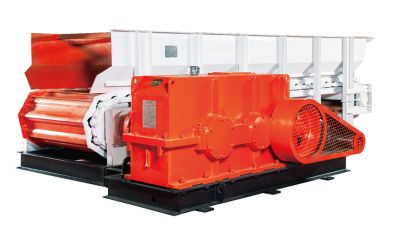
Innovative Heavy Type Steel Belt Board Box Feeder: Enhancing Efficiency in Brick and Tile Production Processes
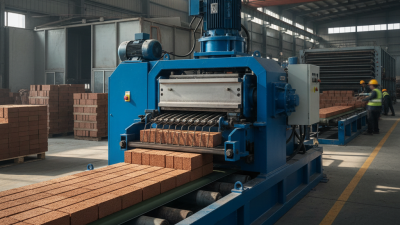
The innovative Heavy Type Steel Belt Board Box Feeder represents a significant advancement in the efficiency of brick and tile production processes. As the demand for high-quality construction materials rises, so too does the need for optimized production lines. Our auxiliary equipment is engineered specifically for this sector, ensuring that transportation machinery meets the unique challenges faced in brick and tile manufacturing. This robust feeder is characterized by an exceptional structural integrity and impressive traction strength, enabling it to handle the rigors of continuous operation.
One of the standout features of this feeder is its stable and uniform feeding speed. Industry studies demonstrate that consistent feeding can improve production output by up to 30%, significantly reducing downtimes and waste. Furthermore, our equipment incorporates innovative speed regulation alongside automatic overload protection, which not only enhances safety but also maintains reliability while managing various raw materials. This capability is essential for meeting the diverse specifications of different extruders used in production lines.
With the ability to adapt to varying production demands, this Heavy Type Steel Belt Board Box Feeder is tailored to improve overall operational efficiency. In a competitive landscape where the quality of brick and tile products is crucial, investing in advanced feeding solutions can lead to notable gains in productivity, ultimately benefiting manufacturers striving for excellence in the construction materials industry.
FAQS
: Temperature control is crucial. Uneven heating affects brick quality. Monitoring ensures uniform firing for better results.
Proper airflow is vital for combustion. Insufficient airflow leads to waste. Regular inspection keeps ventilation clear and improves energy use.
Finding the right balance in loading is essential. Overloading causes uneven firing, while underloading wastes energy. Training operators helps optimize loading.
Choosing high-quality clay enhances brick performance. The right plasticity and moisture content prevent warping. Experimenting with clay sources can yield surprising improvements.
Thorough milling and blending create a uniform mixture for even firing. Proper aging strengthens bricks, while inconsistent mixtures lead to unpredictable results.
Neglecting maintenance can increase energy consumption significantly. Small issues can develop into major problems, impacting efficiency and costs.
Regular maintenance is necessary for optimal performance. Scheduled inspections and repairs prevent disruptions and improve longevity.
High-quality fuel maintains combustion efficiency. Subpar fuels increase emissions and costs. Clean machinery also contributes to better fuel performance.
Proper drying prevents cracks and deformities. Establishing a consistent protocol enhances brick quality, making it an essential step in the process.
Regular training is key. Continuous learning about handling and loading can lead to significant efficiency gains over time.
Conclusion
To optimize a Clay Brick Tunnel Kiln for efficiency, it is crucial to understand its fundamental operations and the key factors that influence its performance. Effective airflow management plays a vital role in enhancing combustion efficiency, while implementing best practices in temperature control can significantly increase output. Choosing the right materials and preparing them adequately are essential steps in achieving maximum efficiency.
Regular maintenance is necessary to ensure the kiln operates smoothly, and ongoing monitoring and analysis of performance metrics can lead to continuous improvement. By focusing on these strategies, operators can enhance the efficiency of their Clay Brick Tunnel Kiln, leading to better productivity and reduced operational costs.