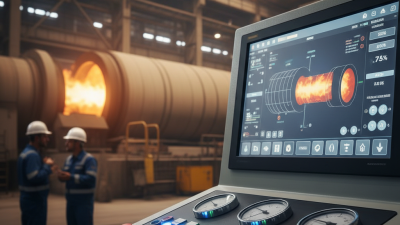
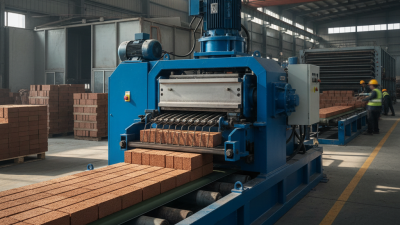
Picking out a good quality CE-certified Roller Kiln can actually feel pretty overwhelming sometimes. The market’s so big and there are tons of options out there. Making the right choice is super important because it directly affects how productive, safe, and efficient your production line is. Honestly, a reliable Roller Kiln can really boost your overall performance.
When you’re choosing, experience and industry know-how really come into play. Doing a bit of homework on manufacturers like Euro-Kiln Co. or Advanced Ceramics can help you understand what’s vital—like their certifications, which show they meet safety and compliance standards. It’s also crucial to pay attention to the quality of materials and craftsmanship because customers are looking for durability and top-notch performance.
Thinking back on past purchases can sometimes save you from making those same mistakes again. If you bought a Roller Kiln that underperformed, it probably slowed things down or hurt growth. Taking the time to learn from those experiences really pays off. Remember to weigh your operational needs and think about long-term investments because every little decision can impact your bottom line in the end.
Factors Influencing the Quality of CE Certification Roller Kilns
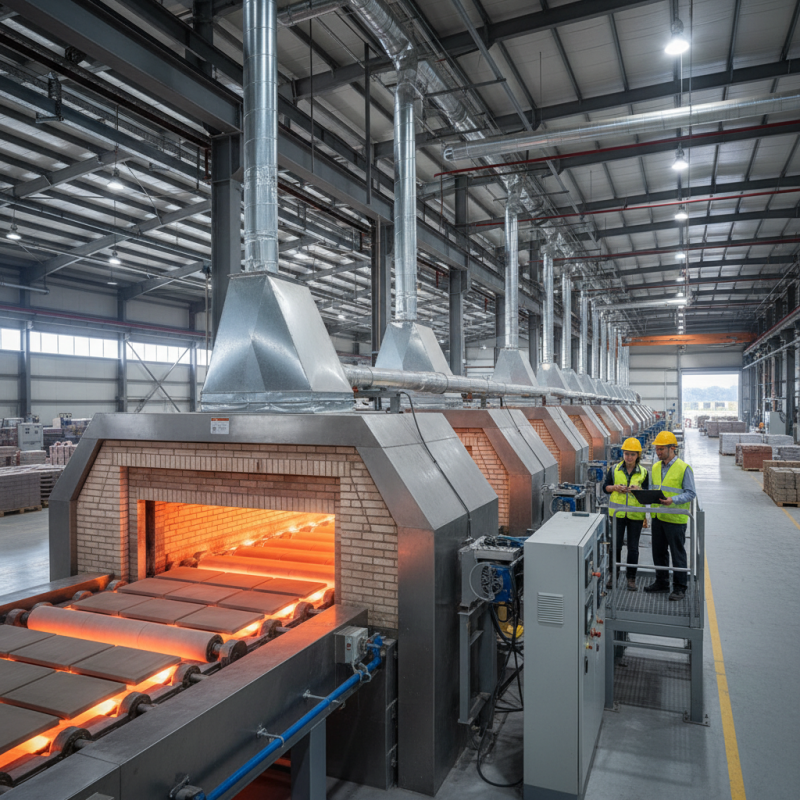
When selecting a high-quality CE certification roller kiln, several factors come into play. The construction quality is paramount. A robust and well-engineered kiln will inherently influence its performance and longevity. Look for materials that can withstand high temperatures without degrading. This ensures the kiln operates reliably over time.
Another key aspect is energy efficiency. High-quality roller kilns like the roller furnace should have clear documentation on their energy consumption. Efficient models not only reduce operational costs but also minimize environmental impact. Explore kilns with features aimed at controlling heat distribution evenly. This helps in achieving a consistent end product.
Tips: Regular maintenance is crucial. Ensure that your kiln is regularly inspected, as wear and tear can severely affect performance.
Consider the kiln's design. A well-designed roller kiln allows for better airflow and even heating. If the design seems outdated or inefficient, it might be worth reevaluating your options.
It's essential to review user testimonials and expert evaluations. They can provide insights that technical specifications might overlook. By carefully considering these factors, you can select a roller kiln that meets both your operational needs and quality standards.
2026 How to Choose a High-Quality CE Certification Roller Kiln? - Factors Influencing the Quality of CE Certification Roller Kilns
| Factor |
Description |
Impact on Quality |
| Material Quality |
High-grade refractory materials used for better heat resistance. |
High impact - Directly affects durability and performance. |
| Manufacturing Process |
Use of advanced technology and precision in the manufacturing process. |
High impact - Determines the kiln's efficiency and operational reliability. |
| Design and Construction |
Ergonomic design and robust construction for optimal performance. |
Medium impact - Influences usability and maintenance. |
| Energy Efficiency |
Kilns with better insulation and energy-efficient systems. |
High impact - Affects operational costs and environmental compliance. |
| Supplier Certifications |
Certifications that verify compliance with international quality standards. |
Medium impact - Boosts confidence in product reliability. |
| After-Sales Support |
Availability of technical support and maintenance services. |
Medium impact - Ensures long-term operational support. |
Understanding CE Certification Standards for Roller Kilns
When selecting a high-quality CE certification roller kiln, it's essential to understand the CE certification standards specific to this equipment. CE marking ensures that products meet European safety, health, and environmental protection requirements. A study by the European Commission indicates that compliant machinery reduces workplace accidents by over over 30%. This statistic highlights the importance of choosing kilns with verified CE certification.
Roller kilns must comply with several directives, including the Machinery Directive and the Low Voltage Directive. Each directive specifies necessary safety measures and performance criteria. Manufacturers often face challenges in achieving compliance due to the complexity of these standards. Not all kilns pass initial assessments. Some may require modifications to meet regulations fully. This process can involve significant costs and time, emphasizing the need for thorough evaluation before selection.
In recent reports, it was found that more than 60% of manufacturers struggled with the certification process. The quality of documentation often plays a crucial role in achieving compliance. Inadequately prepared reports can delay production schedules. Therefore, investing in a kiln from a manufacturer with a solid track record of compliance can be crucial. Assessing past projects and client feedback can reveal essential insights into a manufacturer's reliability.
Key Materials Used in High-Quality Roller Kiln Manufacturing
When selecting a high-quality roller kiln, the materials used in its construction play a crucial role.
Durable refractories are essential for withstanding extreme temperatures.
High-grade ceramics contribute to thermal efficiency and durability.
Steel components must also resist corrosion and stress over time.
These materials impact the kiln's longevity and performance.
Tip: Pay attention to the insulation materials. Ineffective insulation can lead to energy loss.
This inefficiency can increase operational costs. Look for kilns designed for improved heat retention.
Another aspect is the kiln's design. A well-engineered structure enhances airflow and temperature control.
Innovations in kiln design can optimize the firing process for clay products.
Inconsistent heating might lead to defects in the final product. It's vital to choose a design that promotes uniform heat distribution.
Tip: Review customer feedback on different models. Real-world experiences often highlight unexpected benefits or challenges.
This insight can be invaluable in your decision-making process.
Energy Efficiency Metrics for Roller Kilns in Modern Industries
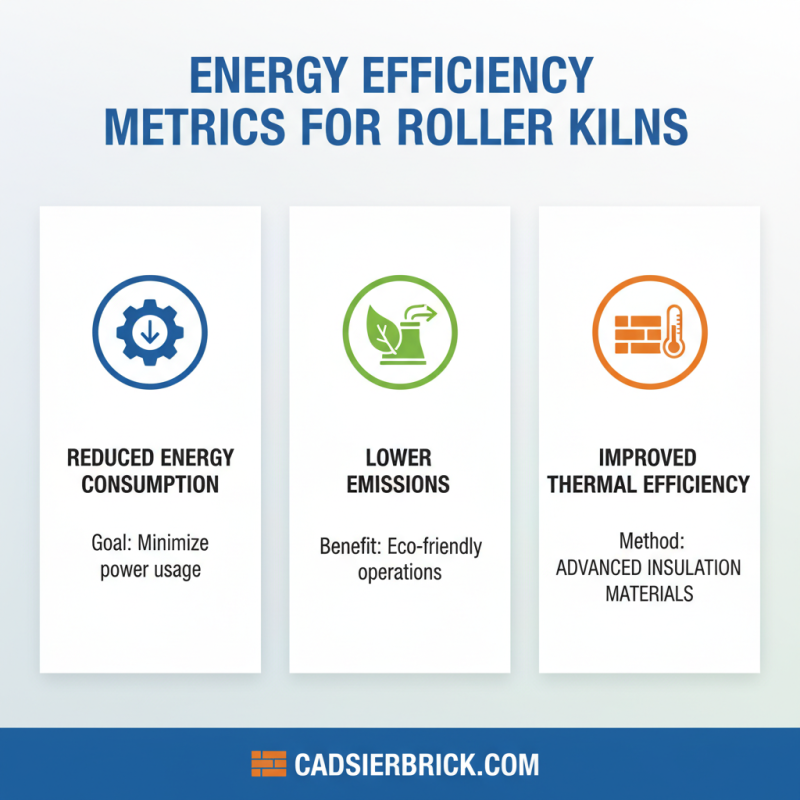
Energy efficiency is crucial for modern roller kilns in industries. Many facilities seek effective methods to reduce energy consumption and emissions. Utilizing advanced insulation materials in a Brick Kiln can enhance thermal efficiency. These materials minimize heat loss, promoting better energy use.
Calculating energy efficiency metrics involves understanding key performance indicators. Metrics such as thermal efficiency, fuel consumption rates, and emissions levels provide insights into kiln performance. High-quality roller kilns should prioritize these metrics. Regular assessments can reveal areas for improvement.
Incorporating automation technologies can also boost efficiency. Automated systems optimize fuel usage, ensuring consistent performance. However, relying solely on automation may overlook human expertise. Workers should actively participate in monitoring systems to identify inefficiencies. This collaborative approach ensures a reliable and efficient operation in the long run, reducing environmental impacts and operational costs.
Comparative Analysis of Roller Kiln Brands and Their Certifications
Choosing a high-quality roller kiln involves understanding the different brands and their certification standards. Not all kilns are created equal. Some brands offer advanced technology and improved efficiency. Others may lack crucial certifications that ensure safety and quality.
When comparing roller kiln brands, it is essential to consider their CE certifications. These certifications indicate compliance with European safety standards. They reflect the brand's commitment to quality and reliability. A kiln without proper certification may lack essential safety features, leading to potential risks. A thorough research process can uncover key differences among brands, including materials used in construction and overall design.
Additionally, reviews and testimonials from industry experts can provide valuable insights. They reveal real-world performance and longevity of the kilns. Some users may have experienced issues, prompting reflections on quality control. It's essential to ask the right questions before making a decision. Look for details about warranty policies and service support as well. Knowledge from different sources builds a clearer picture of what to expect.
Technological Innovations in Roller Kiln Design and Production
The evolution of roller kiln design has been significantly influenced by technological innovations. Modifications in heating mechanisms have led to increased energy efficiency. A report by the International Energy Agency noted that advanced kilns can reduce energy consumption by up to 30%. This shift not only supports sustainability but also lowers operational costs for manufacturers.
Moreover, the integration of smart technology into kiln operation is transforming production processes. For instance, real-time data monitoring allows for adjustments that enhance performance. Automated systems can improve uniformity in firing, which is crucial in achieving high-quality ceramics. However, reliance on technology can introduce challenges. Some operators may be hesitant to adapt due to a steep learning curve.
Additionally, a focus on materials science has yielded significant advancements in kiln design. The use of refractory linings has improved durability and thermal resistance. This innovation contributes to longevity and reduces downtime. It’s imperative for manufacturers to continually assess their kiln approaches, considering both technological benefits and potential drawbacks. Balancing innovation with practical application remains a key consideration in roller kiln production.
Integrating solutions such as Kiln Dryer systems can further optimize performance, yet the complexity of these technologies must be managed carefully.
Maintenance Practices for Enhancing Roller Kiln Lifespan and Performance
Maintaining a roller kiln is crucial for ensuring its longevity and optimal performance. Regular inspections can reveal wear and tear early, preventing costly repairs. For instance, checking the kiln's insulation helps maintain temperature efficiency. Over time, insulation can degrade, leading to heat loss. This not only increases energy costs but also impairs product quality.
It's important to focus on lubrication practices for the kiln's moving parts. Proper lubrication reduces friction and prolongs equipment life. Many operators overlook this aspect. A lack of regular lubrication can result in unexpected breakdowns. Operators should establish a routine for checking and applying lubricants. This can save time and resources in the long run.
Cleaning the kiln regularly is another vital maintenance aspect. Residual buildup can affect firing consistency. Ignoring this can lead to uneven heating in products. While cleaning takes time, it’s essential for maintaining quality. Operators might question their cleaning schedules. Balancing operational demands with maintenance needs is often challenging. A clear maintenance plan can help navigate this.
FAQS
: Look for certifications ensuring compliance with safety standards. This indicates quality and reliability.
CE certifications reflect adherence to European safety standards. They ensure that the kiln has essential safety features.
User reviews provide insights into performance and longevity. They can highlight issues related to quality control.
Technological innovations enhance energy efficiency and reduce operational costs. Advanced kilns can cut energy usage by 30%.
Smart technology allows for real-time adjustments, improving firing uniformity. However, it may require a learning curve for some operators.
Advancements in materials, like refractory linings, improve durability. This leads to longer-lasting kilns and less downtime.
Yes, some operators may find it difficult to adapt due to a steep learning curve with new technologies.
Warranty policies offer protection for your investment. Understanding these details can influence your final choice.
Over-reliance can introduce complexity. Balancing innovation with practical application is vital for success.
Absolutely, lower operational costs contribute to overall efficiency. This aspect should influence your decision.
Conclusion
Choosing a high-quality CE certification roller kiln involves several critical factors that influence performance and durability. Understanding CE certification standards is essential for assessing the reliability of roller kilns, ensuring they meet industry requirements. Key materials used in the manufacturing process play a significant role in determining the overall quality of the kiln, while energy efficiency metrics are increasingly important in modern industrial applications.
Technological innovations in roller kiln design and production are enhancing capabilities and operational efficiency. Additionally, regular maintenance practices are vital for extending the lifespan and performance of roller kilns, ensuring they operate effectively over time. A comprehensive analysis of these aspects can aid buyers in selecting a roller kiln that aligns with their production needs and standards.