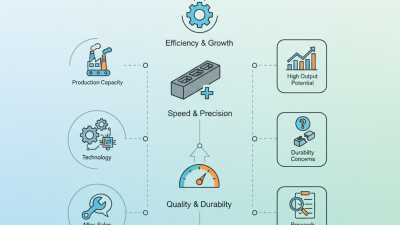
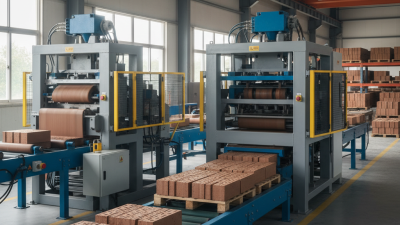
In the rapidly evolving industry of brick manufacturing, the significance of a high-quality Brick Drying Machine cannot be overstated. Experts like John Smith, CEO of BrickTech Solutions, emphasize its importance, stating, “A reliable drying machine determines the overall quality of the bricks.” Achieving optimal performance in drying processes is crucial for enhancing brick durability and minimizing waste during production.
The choice of a Brick Drying Machine can significantly impact operational efficiency. A machine that isn't properly calibrated or maintained can lead to inconsistent drying results. This not only compromises the quality of bricks but can also result in higher overall costs. It's essential to follow best practices in machine setup and periodic maintenance to ensure the device functions effectively.
However, many manufacturers overlook certain aspects, leading to suboptimal performance. For instance, understanding the specific moisture content of raw materials can help in setting ideal drying temperatures. Yet, many operators fail to adjust these settings accordingly. Addressing these gaps in knowledge can help improve the reliability of a Brick Drying Machine, ultimately contributing to the overall success of the brick production process.
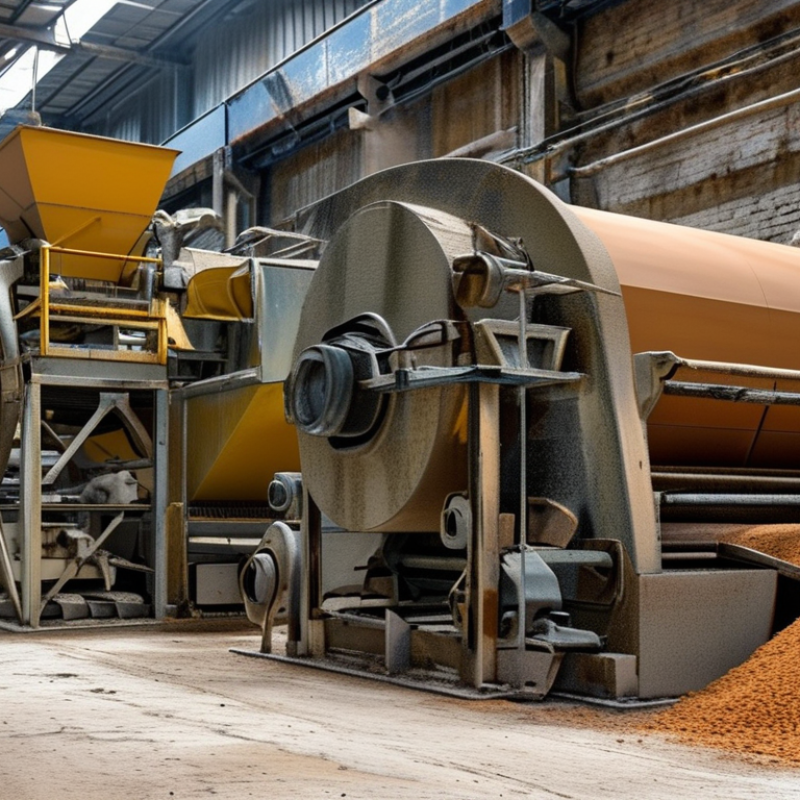
Understanding CE Certification for Brick Drying Machines
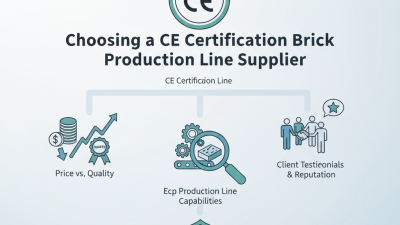
CE certification is crucial for Brick Drying Machines. It ensures that the equipment meets European safety, health, and environmental protection standards. The CE mark signifies compliance with rigorous testing and quality benchmarks. According to industry reports, machines with CE certification generally achieve higher efficiency and reliability, translating to improved production rates.
When using a Clay Brick Drying Machine, there are several tips to optimize performance. Regular maintenance is a must. Scheduled inspections can catch issues early, preventing costly breakdowns. Additionally, proper ventilation in the drying area is essential. This helps maintain consistent temperatures and humidity levels, which is critical for drying brick evenly.
Another factor to consider is energy efficiency. Many machines now come with advanced energy-saving features. These can reduce operating costs significantly. According to a recent study, using an efficient dryer can decrease energy consumption by up to 30%.
However, not all manufacturers provide the same quality. Some machines may fail to meet expected standards, leading to poor performance. It's essential to research and verify the certifications. The CE mark should not be taken lightly; it is a symbol of quality assurance.
Key Features of High-Quality Brick Drying Machines
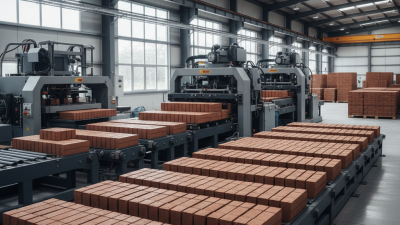
When considering high-quality brick drying machines, understanding key features is essential. A robust brick drying machine can drastically improve production efficiency. Studies indicate that effective drying reduces moisture content by up to 30%. This not only shortens drying time but also enhances the strength of the bricks produced.
A reliable drying machine typically includes advanced temperature control systems. These systems ensure uniform heating, minimizing the risk of uneven drying. Additionally, high-quality machines often feature energy-efficient designs. Reports show that energy-efficient machines use 20% less power compared to older models. This leads to cost savings and lower environmental impact.
Durability is another critical aspect. Machines constructed from high-quality materials withstand wear and tear better. However, it is crucial to routinely inspect and maintain equipment. Neglecting maintenance can lead to reduced efficiency and higher operational costs. Overall, focusing on these features can ensure optimal performance in brick drying processes.
High Quality Brick Drying Machine Performance Evaluation
Optimal Operating Conditions for Efficient Drying
When it comes to optimal performance of a
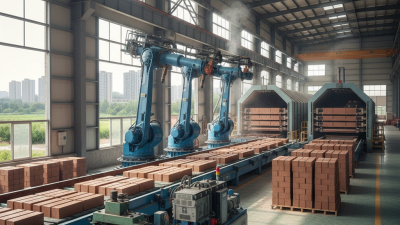
Clay Brick Drying Machine Tunnel Dryer,
understanding the right operating conditions is essential. The ideal temperature for drying bricks typically ranges between 60°C to 90°C. Maintaining this range helps prevent cracks and ensures uniform moisture removal.
Monitoring humidity is equally crucial. High humidity can slow drying, leading to inefficiencies.
Tips: Regularly check the air circulation within the drying tunnel. Poor circulation can create hot or cold spots, affecting brick quality.
Adjust fan speeds to maintain a consistent airflow. Additionally, inspect the machine for any blockages that might restrict airflow.
Another critical factor is the loading pattern. Overloading the machine can impede airflow. This leads to uneven drying, which may require additional drying time.
Consider experimenting with different load arrangements to find the most efficient setup. Remember, achieving optimal drying conditions can take time and adjustments to fine-tune the performance of the drying machine.
Each operation may reveal unique challenges that require thoughtful reflection and solutions.
Regular Maintenance Practices to Enhance Performance
Regular maintenance of your Clay Bricks Making Drying Machine Tunnel Dryer Brick Oven is essential for optimal performance. According to industry reports, machines that are regularly maintained improve efficiency by up to 30%. Neglecting maintenance can lead to reduced output and increased energy consumption.
One key maintenance tip is to regularly inspect the heating elements. A malfunctioning heater can cause uneven drying, leading to defects in the bricks. Checking and replacing heater elements when necessary prevents inefficiencies. Additionally, keeping all components clean contributes to better airflow and uniform temperature throughout the chamber.
It's also vital to examine the humidity levels within the dryer. Monitoring moisture levels ensures consistent drying times. If the humidity is too high, consider adjusting the ventilation. This small change can significantly enhance drying performance. Regularly reviewing these practices will not only prolong the lifespan of the machine but also improve the overall quality of your bricks.
Troubleshooting Common Issues in Brick Drying Machines
Efficient brick drying machines can face various issues that impact performance. One common problem is uneven drying. This often occurs due to improper airflow. Reports indicate that optimizing airflow can reduce drying time by up to 30 percent. Monitoring temperature and humidity levels is vital for achieving consistent results.
Another issue is the accumulation of moisture, which can lead to mold growth on bricks. If humidity exceeds 70%, it can cause serious setbacks. Industry guidelines recommend regular inspections of drying chambers. Cleaning and maintaining exhaust fans is essential to ensure optimal air circulation.
Operators should also be aware of potential mechanical failures. Regularly checking conveyor belts and motors can prevent unexpected downtimes. Data from industry studies highlight that proactive maintenance reduces repair costs by up to 25%. Addressing these common issues will enhance the efficiency of brick drying machines, ultimately leading to higher productivity.
Energy Efficiency Tips for Brick Drying Processes
Energy efficiency is crucial in the Brick Drying Process. A report from the International Energy Agency highlights that optimizing such processes can reduce energy consumption by up to 30%. This improvement not only lowers operational costs but also minimizes environmental impact. Modern brick drying machines can benefit significantly from advancements in technology.
Using heat recovery systems, for instance, can harness waste heat from the drying process. This re-captured energy can warm incoming air, cutting energy usage significantly. Implementing such systems requires initial investment, which can be daunting. However, the long-term savings often justify the expenditure. In many cases, the ROI is visible within a few years.
It's important to monitor humidity levels during the drying process. Excess moisture can lead to inefficiencies and longer drying times. Many users overlook this aspect. Adjusting ventilation based on real-time data can enhance performance. Moreover, operators should regularly inspect drying equipment. Neglected machines can operate inefficiently, leading to unnecessary energy waste. Sustainable practices will promote better outcomes in both production and resource management.
Selecting the Right Technology for Your Brick Drying Needs
Selecting the right technology for your brick drying needs is critical. Various methods exist, each with unique advantages. Understanding these options can elevate the efficiency of your production.
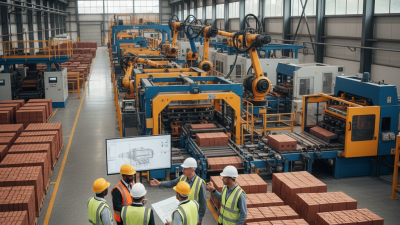
Consider the type of drying machine that aligns with your operational scale. A high-capacity drying machine can handle large batches efficiently. For smaller operations, a compact model may suffice. Efficiency isn’t solely about size but also about energy consumption. Opt for machines with better insulation to save energy costs.
Tips for maintaining optimal performance include regular cleaning and timely inspections. Dust and debris can accumulate, affecting efficiency. Monitor the humidity levels in the drying space. High humidity can lead to prolonged drying times. Additionally, reviewing the drying cycle regularly can identify opportunities for enhancement.
Investing in quality technology pays off in the long run. However, trial and error may reveal that certain machines don’t fit your needs perfectly. Reflect on your production goals and evaluate the performance of your equipment consistently. Finding the ideal balance between cost, quality, and technological advancement is vital.
High Quality CE Certification Brick Drying Machine Tips for Optimal Performance
| Dimension |
Value |
Notes |
| Drying Capacity (m³/h) |
20-40 |
Depends on moisture content |
| Temperature Range (°C) |
60-120 |
Adjustable based on drying needs |
| Energy Consumption (kWh/m³) |
2-5 |
Varies by technology and efficiency |
| Installation Time (days) |
5-10 |
Based on complexity of system |
| Average Lifespan (years) |
10-15 |
With regular maintenance |
FAQS
: High-quality machines improve production efficiency and reduce moisture content by 30%.
Advanced temperature control ensures even heating, reducing the risk of uneven drying.
Energy-efficient designs use 20% less power, leading to cost savings and lower environmental impact.
High-quality materials enhance durability but require regular inspection and maintenance.
Improper airflow often leads to uneven drying and affects overall performance.
Excess moisture can cause mold growth, especially if humidity exceeds 70%.
Regularly inspect drying chambers and clean exhaust fans to ensure good air circulation.
Regularly check conveyor belts and motors to avoid unexpected downtime and costs.
It can reduce repair costs by up to 25%, enhancing overall efficiency.
Monitoring temperature and humidity levels is vital for achieving reliable drying outcomes.
Conclusion
The article titled "High Quality CE Certification Brick Drying Machine Tips for Optimal Performance" offers an in-depth look at the essential aspects of brick drying machines, emphasizing the significance of CE certification as a mark of quality and safety. It outlines the key features that distinguish high-quality machines, such as reliability, efficiency, and advanced technology. Optimal operating conditions are crucial for achieving effective drying, and regular maintenance practices are highlighted to enhance the overall performance and longevity of the equipment.
Furthermore, the article addresses common troubleshooting issues that may arise during the drying process, providing practical solutions for operators. Energy efficiency is also a key focus, with tips for reducing energy consumption in brick drying processes. Ultimately, selecting the right technology tailored to specific drying needs is vital for maximizing productivity and ensuring quality results in brick production.