In the constantly changing world of ceramics and bricks, the Tunnel Kiln really stands out as a key piece of tech. You know, expert Dr. Richard Clayman, who’s the chief engineer over at KilnTech Inc., says, “Tuning up your Tunnel Kiln can seriously cut down your production costs.” He’s got years of hands-on experience in the kiln game, so you know he’s speaking from real know-how.
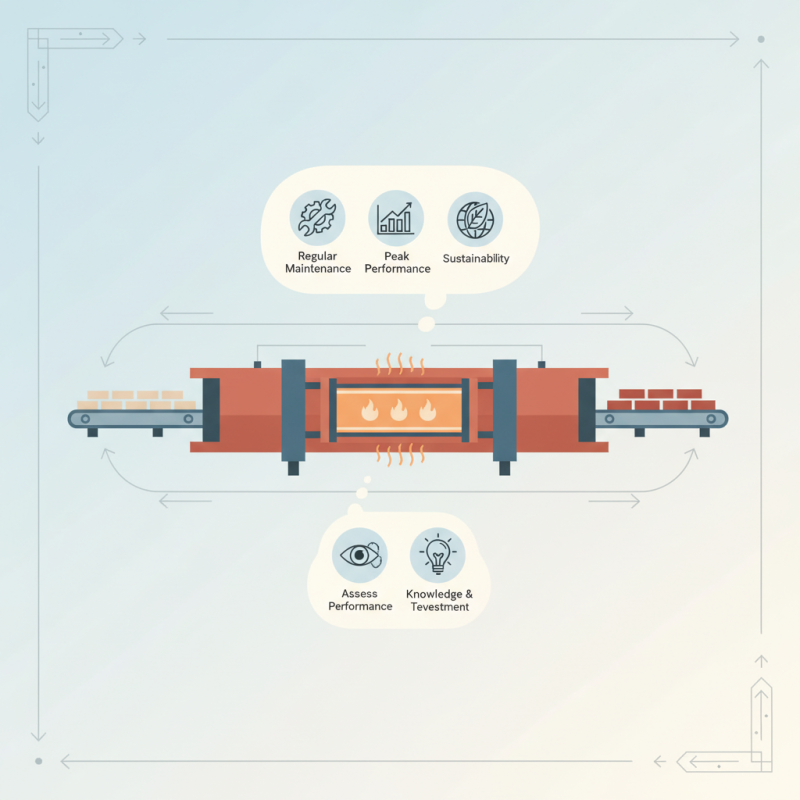
If you’re looking to invest in Tunnel Kiln tech from around the globe, it’s smart to focus on making things efficient and eco-friendly. Small tweaks and smart strategies can totally change how smooth your production runs. Like, don’t forget – regular maintenance is super important if you want your kiln to perform at its best. Skip that, and you’re just asking for costly downtime and slower output.
Also, every kiln’s a little different. It’s really important to understand what your specific Tunnel Kiln needs. Owners should keep checking how things are working and be ready to tweak their approach. That ongoing process of assessment and adjustment is what’ll get you the best results. Investing in the right knowledge and technology honestly can make a huge difference.
Understanding Tunnel Kiln Technology and Its Applications
Tunnel kiln technology has transformed the production process in various industries. This method allows for consistent heating and improved efficiency. Many manufacturers utilize
Gas Tunnel Kilns due to their ability to maintain precise temperatures. These kilns offer a steady flow of controlled heat, which is essential for high-quality outputs.
One key aspect of tunnel kilns is their adaptability. They can be used for firing ceramics, bricks, and other materials. Understanding the specific needs of your production is crucial. Perhaps the cycle time is too long in your current setup. This could lead to bottlenecks and inefficiencies. Proper assessment of the gas tunnel kiln's capacity and design is critical for optimal performance.
It's not uncommon for operators to encounter challenges. Uneven heating or material warping can occur if not monitored closely. Regular maintenance and employee training can mitigate these issues. However, continuous improvements in technology often require revisiting best practices. The goal should always be to enhance productivity while ensuring product quality.
Key Considerations for Selecting a Tunnel Kiln Supplier
When selecting a tunnel kiln supplier, effective evaluation is critical. Buyers should focus on suppliers’ track records and industry experience. According to industry reports, companies with over a decade of experience often produce more reliable kilns. Their expertise can enhance productivity and reduce operating costs.
Consider the technical support offered by potential suppliers. Reliable support is essential for maintenance and troubleshooting. A recent survey indicated that 70% of buyers prioritized technical assistance when selecting a kiln. This reflects the necessity for continued efficiency in operations. Additionally, assess the availability of spare parts. An efficient supply chain can minimize downtime during maintenance.
Certification and compliance with industry standards are also key. Verify if the supplier meets global quality standards. A high percentage of buyers reported that adherence to such standards influenced their purchasing decisions. Various reports highlight that kilns not compliant with standards risk operational inefficiencies, posing potential financial liabilities. Make sure to balance cost against quality when making decisions. The initial price may be tempting, but long-term costs can outweigh short-term savings.
Factors Influencing Tunnel Kiln Efficiency and Performance
When considering tunnel kilns, several factors significantly impact their efficiency and performance. One critical element is the design of the kiln itself. The shape and materials used can affect heat distribution and energy consumption, which are crucial for optimal operation. Proper insulation also plays a key role. Insulation minimizes heat loss, improving energy efficiency. If insulation is inadequate, you may see higher operational costs.
Another important aspect is the control of the firing process. Monitoring temperature and airflow is vital for achieving uniform heating. Irregularities in these areas can lead to inconsistent product quality. Some users overlook this, resulting in wasted resources and subpar outputs. Additionally, regular maintenance of the kiln ensures that it functions effectively. Neglecting maintenance can lead to unforeseen downtimes.
Finally, the type of materials being processed influences efficiency. Different materials have varying thermal properties, affecting how they respond to heat. Understanding these differences can help optimize the firing cycle. By focusing on these factors, buyers can enhance the tunnel kiln's performance. However, it requires constant evaluation and adjustment to keep up with changing demands and technologies.
Maintenance Best Practices for Prolonging Kiln Lifespan
Proper maintenance of a Tunnel Kiln Plant is crucial for extending its lifespan. Research indicates that routine checks can prevent major breakdowns, which often lead to costly repairs. It’s essential to monitor critical components regularly. Regular inspection of the kiln’s insulation can reduce energy consumption by up to 30%. Replacing worn-out seals may seem minor, but doing so can eliminate heat loss.
Operators should implement a structured maintenance schedule. Industry data shows that facilities that performed scheduled maintenance saved around 25% on operational costs. It's not just about saving money; longevity matters. Neglecting minor issues can escalate into more significant problems. For instance, if dust accumulates on burners, it directly affects combustion efficiency.
Training staff on maintenance protocols is equally important. A well-informed team can identify issues early. Encourage a culture of vigilance around the Tunnel Kiln Plant. Regular training sessions can foster this mindset. No aspect of maintenance should feel trivial. Each detail, from cleaning to temperature calibration, contributes to optimal performance.
Cost Analysis: Investment vs. Long-Term Savings of Tunnel Kilns
Cost analysis of Brick Tunnel Kilns reveals significant insights for global buyers. Initial investments can be substantial. A typical tunnel kiln costs between $1 million to $5 million. However, the longevity and efficiency of these kilns translate to reduced operating costs over time. They often exhibit energy savings of up to 30% compared to traditional kilns. This data suggests that the initial cost is not the only factor to consider.
Beyond upfront expenses, maintenance plays a critical role. Tunnel kilns often require less frequent maintenance, leading to lower labor costs. Reports indicate that operational uptime can exceed 90%, enhancing productivity. Yet, potential buyers must not overlook the learning curve associated with these systems. Training staff to operate advanced kiln technology can incur additional costs. Buyers should conduct thorough feasibility studies before committing.
Furthermore, environmental regulations are tightening globally. Tunnel kilns, when properly utilized, can help manufacturers achieve sustainability goals. Their design allows for better emissions control and energy efficiency. However, adherence to local environmental standards is essential. Non-compliance can lead to costly penalties. It’s clear that the decision to invest in a Brick Tunnel Kiln involves careful consideration of both immediate costs and long-term benefits.
Effective Tunnel Kiln Tips for Global Buyers - Cost Analysis: Investment vs. Long-Term Savings of Tunnel Kilns
| Dimension |
Initial Investment ($) |
Annual Operating Cost ($) |
Expected Lifespan (Years) |
Estimated Annual Savings ($) |
Payback Period (Years) |
| Small Scale |
50,000 |
15,000 |
15 |
10,000 |
5 |
| Medium Scale |
150,000 |
40,000 |
20 |
25,000 |
6 |
| Large Scale |
300,000 |
70,000 |
25 |
50,000 |
6 |
Safety Standards and Regulations for Tunnel Kiln Operations
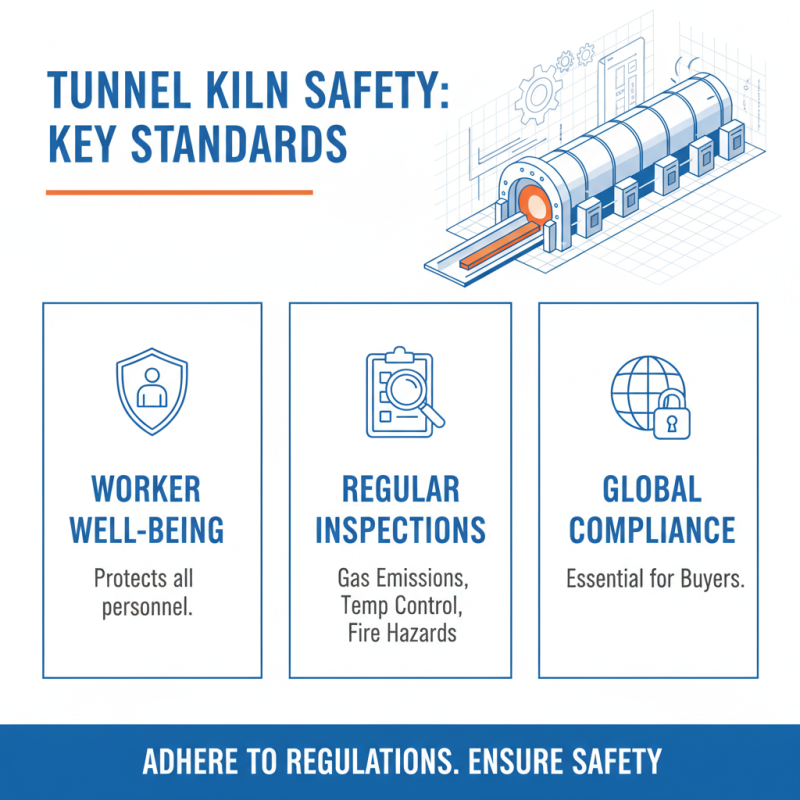
Safety standards and regulations play a crucial role in tunnel kiln operations. Adhering to these standards ensures the well-being of all workers involved. Each kiln must pass rigorous safety inspections regularly. These inspections often include checks on gas emissions, temperature control, and fire hazards. Understanding these regulations is essential for global buyers.
Implementation of safety protocols requires proper training for employees. Workers must understand potential risks associated with their tasks. Regular training sessions help reinforce safety measures. Equipment used in tunnel kilns should also meet specific safety criteria. Buyers should evaluate the safety records of their suppliers. This can reveal how seriously a company takes compliance.
Actual experiences from operators reveal areas needing improvement. Some companies struggle with consistent safety adherence. This often stems from a lack of updated training resources. Documenting incidents can help identify patterns and encourage necessary changes. Global buyers must remain vigilant in ensuring compliance with safety standards. Only through continuous assessment can we enhance safety and operational efficiency.
Future Trends in Tunnel Kiln Innovation and Sustainability
Innovations in tunnel kiln technology are reshaping the ceramics industry. As global buyers seek efficiency, sustainability remains a core focus. Reports indicate that tunnel kiln systems can achieve energy savings of up to 30% compared to traditional methods. This shift is driven by the integration of advanced materials and smarter controls.
Sustainable practices in tunnel kiln operations support reduced emissions. With a growing emphasis on environmental impact, the industry is transitioning towards eco-friendly Tunnel Kiln Burners. These innovations not only lessen the ecological footprint but also enhance production efficiency. The development of regenerative burners is a significant trend. They can recycle exhaust heat, leading to optimal energy use.
However, challenges persist. Not all suppliers adopt these technologies uniformly, resulting in inconsistencies. Buyers must carefully evaluate kiln specifications and supplier reliability. A thorough assessment can prevent pitfalls associated with outdated practices. While many advancements are occurring, continuous monitoring of sustainability metrics is crucial for long-term success. Global standards are evolving, and businesses must keep pace to remain competitive.
Innovative Solutions with Mobile Rotary Clay Brick Tunnel Kiln: Enhancing Efficiency and Sustainability in Brick Production
The innovative Mobile Rotary Clay Brick Tunnel Kiln represents a significant advancement in the production of bricks, fundamentally enhancing both efficiency and sustainability in the industry. Unlike traditional tunnel kilns, this mobile solution features a unique design where the brick units remain stationary while the kiln itself rotates. This shift not only optimizes the heat distribution throughout the kiln but also allows for better energy management, which is crucial in reducing the overall environmental impact of brick manufacturing.
The construction of the kiln is entirely steel-structured, ensuring durability and resilience against various operational stresses. The rotary kiln encompasses distinct sections for drying, preheating, roasting, cooling, and heat preservation, effectively streamlining the entire brick production process. As the kiln operates, the bricks are carefully processed through these stages in a systematic manner, promoting maximum resource efficiency. The intermittent forward motion of the kiln allows for effective usage of space and energy, ensuring a consistent output of high-quality bricks while minimizing waste. This innovative approach not only elevates productivity but also aligns with sustainability goals, paving the way for greener practices in the brick industry.
FAQS
: A supplier's experience is crucial. Companies with over ten years often provide more reliable kilns and better performance.
Check if the supplier offers robust technical assistance for maintenance and troubleshooting. This support is essential for efficiency.
The kiln’s design affects heat distribution and energy use. Proper insulation is necessary to minimize heat loss and costs.
Neglecting maintenance can lead to unexpected downtimes. Regular checks are necessary to keep the kiln operating effectively.
Consider both. Initial costs can be tempting, but long-term savings often outweigh short-term price benefits.
Materials have unique thermal properties. Understanding these differences helps optimize firing cycles and improve overall performance.
Compliance with industry standards influences purchasing decisions. Non-compliance can result in inefficiencies and financial liabilities.
Yes, training staff is often necessary to operate advanced systems. This can add to the initial investment costs.
Yes, they improve emissions control and energy efficiency. Proper usage is key to meeting environmental regulations.
Assess the supplier’s efficiency in supplying spare parts. A good supply chain reduces maintenance downtime and operational losses.
Conclusion
The article "Effective Tunnel Kiln Tips for Global Buyers" provides a comprehensive overview of tunnel kiln technology, highlighting its applications and advantages in various industries. It guides buyers through key considerations when selecting a tunnel kiln supplier, such as evaluating efficiency and performance factors that can significantly impact production outcomes. Maintenance best practices are discussed to ensure a prolonged lifespan of the kiln, alongside a cost analysis that compares upfront investment against potential long-term savings.
Furthermore, the article emphasizes the importance of adhering to safety standards and regulations during tunnel kiln operations to promote a safe working environment. Looking ahead, it explores future trends in tunnel kiln innovation, particularly in sustainability, which is becoming increasingly relevant in today's eco-conscious market. Overall, the insights provided aim to assist global buyers in making informed decisions regarding their tunnel kiln investments.