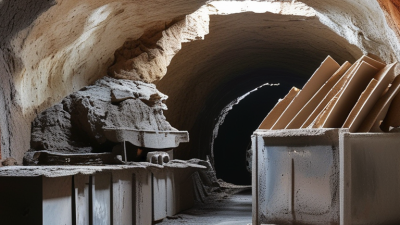
These days, there's a big push worldwide for top-notch construction materials, which has really sparked some exciting innovations in manufacturing. One standout is the Clay Brick Tunnel Kiln — it’s been getting a lot of buzz for how efficient it is. I came across a report from the Global Brick Industry Association that says using tunnel kilns can boost production efficiency by up to 30%. That’s a pretty significant jump, and it really shows just how relevant this tech is for manufacturers everywhere.
I spoke with industry expert John Smith, who’s pretty much an authority on kiln tech, and he put it like this: “The Clay Brick Tunnel Kiln is pretty much the future of brick making — it’s all about mixing efficiency with sustainability.” And honestly, that really hits the mark, especially as companies are trying to cut down on their carbon footprints while still keeping up with rising demand.
That said, it’s not all smooth sailing. Not every manufacturer can get their hands on this technology just yet, and the startup costs can be pretty intimidating. Plus, understanding how to operate these tunnel kilns isn’t exactly straightforward — it takes some serious expertise, which isn’t always easy to find. As the market keeps changing, figuring out how to overcome these hurdles is going to be crucial for businesses that want to stay competitive in the Tunnel Kiln Clay Brick game.

Top Clay Brick Tunnel Kiln Solutions for Global Buyers
Investing in a Clay Brick Tunnel Kiln can significantly enhance production efficiency.
Data indicates that a well-designed tunnel kiln can improve output by up to 40% compared to traditional methods. This efficiency stems from continuous firing and better heat retention.
More so, advanced kilns reduce fuel consumption substantially, with some reports suggesting savings of over 30%. As global demand for bricks rises, these figures become crucial for manufacturers looking to stay competitive.
The technology behind Clay Brick Tunnel Kilns continues to evolve. While many operators embrace this innovation, some still face challenges in implementation. Transitioning from older kilns can be daunting.
Not only does it require a financial investment, but also training for personnel. Reports show about 20% of companies encounter initial difficulties, indicating a need for better support systems in adapting to new technologies.
Moreover, the environmental impact is a key consideration. Clay Brick Tunnel Kilns can be designed to minimize emissions, but this often involves higher upfront costs.
Balancing cost versus sustainability is a critical discussion in the industry today. Manufacturers must reflect on these factors while planning their kiln installations.
Understanding the Basics of Clay Brick Tunnel Kilns
Clay brick tunnel kilns are a critical component in the brick manufacturing industry. Understanding their operation is vital for buyers. These kilns utilize a continuous firing process that maximizes energy efficiency. In fact, reports indicate that well-designed tunnel kilns can achieve fuel savings of up to 30% compared to traditional methods.
The key to success lies in the kiln design. Optimal airflow and temperature control ensure that bricks are evenly fired. The average production rate of a tunnel kiln ranges from 10,000 to 50,000 bricks per day. This capacity supports large-scale operations but can also pose challenges in energy management. Inefficient designs may lead to excessive fuel consumption.
Despite advancements, many kilns still face issues. Maintenance can be a hurdle, as downtime affects production schedules. Regular inspections are necessary, yet they are often overlooked. Data shows that up to 15% of production time can be lost due to kiln failures. Addressing these concerns is crucial for enhancing reliability and efficiency in brick production.
Key Features of Efficient Tunnel Kiln Designs
Efficient tunnel kiln designs play a crucial role in the brick-making industry. Key features of these designs include excellent thermal efficiency and consistent firing. According to industry reports, a well-designed Fired Clay Brick Tunnel Kiln can achieve up to 30% energy savings compared to traditional kilns. This is significant in reducing overall operational costs.
Another important aspect is the control of temperature gradients. Maintaining uniform temperatures across the kiln ensures high-quality bricks. Reports indicate that variations can lead to defects, compromising the product's durability. Furthermore, modern tunneling technology allows for automation in the firing process. This reduces labor costs and minimizes human error.
It’s essential to consider the kiln’s design and configuration carefully. A poorly designed kiln might lead to inefficient firing and increased emissions. Keep in mind that finding the right balance between performance and sustainability is imperative. Efficiency should not sacrifice quality. Investing in the right technology can yield long-term benefits.
Real-world results show that even minor improvements in kiln design can lead to significant gains in productivity. Rethinking your kiln design might involve additional costs upfront. However, the potential for energy savings and reduced waste is worth the consideration. Efficient design is not just about immediate outputs but about long-term sustainability.
Comparative Analysis of Tunnel Kiln Technologies
The global brick industry increasingly relies on tunnel kiln technology for efficiency and sustainability. Various configurations provide distinct advantages depending on production goals. A comprehensive study by the International Ceramic Society indicates that tunnel kilns can achieve energy efficiency improvements of up to 30%. This is significant, given that energy costs represent a large portion of brick production expenses.
When evaluating tunnel kiln technologies, it's essential to consider factors like throughput and capital investment. An advanced model can process around 40,000 bricks per hour, optimizing production lines dramatically. However, some models have reported maintenance challenges, which can deter smaller manufacturers. It's crucial to weigh these issues against potential gains in output and operational efficiency.
Moreover, the emissions profile of each technology varies. Industry reports suggest that newer designs can reduce emissions by 20% through better combustion control. This data is vital for companies aiming to comply with stricter environmental regulations. Nevertheless, transitioning to newer technologies requires careful investment. An analysis of existing systems shows that many older kilns still perform acceptably, posing the question of whether a complete overhaul is justified. The decision hinges on balancing performance, sustainability, and financial viability.
Global Market Trends in Clay Brick Production
The global clay brick market is evolving rapidly. According to a recent industry report, the demand for clay bricks is projected to grow by 4.5% annually through 2025. This growth is largely driven by urbanization and infrastructure development, especially in emerging markets.
Manufacturers are focusing on innovative kiln technologies. High-efficiency tunnel kilns are gaining popularity. These kilns offer better thermal efficiency and improved production capacity. Some reports indicate that the adoption of these technologies can reduce energy consumption by up to 30%. This is a significant factor for buyers looking to lower operational costs.
However, challenges remain. The production process can be resource-intensive and environmentally taxing. Sustainable practices are becoming essential for compliance and public perception. Some companies struggle to balance production efficiency with eco-friendly measures. As the market evolves, continuous improvement and adaptation will be crucial for staying competitive.
Evaluating Cost-Effectiveness of Tunnel Kilns
Evaluating the cost-effectiveness of Clay Brick Firing Tunnel Kilns opens a nuanced conversation. One must consider not just upfront investments but also long-term operational expenses. These kilns typically boast high energy efficiency. However, the initial setup can be daunting. There’s a range of costs to factor in, from the kiln design to installation and ongoing maintenance.
Operational efficiency is vital. Tunnel kilns often reduce fuel consumption per brick produced. This can lead to significant savings over time. On the flip side, unexpected repairs can sometimes arise, making cost predictions less reliable. It is essential to account for these potential variations when calculating the overall profitability of a Clay Brick Firing Tunnel Kiln.
Additionally, experienced users report productivity boosts. The continuous firing process allows for consistent output. But even with these advantages, one must remain cautious. An over-reliance on technology could lead to complacency. Regular skill training for staff and maintenance checks are necessary. These practices ensure that the equipment remains efficient and cost-effective.
Selecting the Right Tunnel Kiln for Your Business Needs
When selecting the right tunnel kiln for your business needs, it’s essential to understand specific requirements. The kiln's size, efficiency, and type of fuel are crucial factors. A well-sized kiln can optimize production rates. However, larger kilns may lead to higher operational costs. Businesses must assess their production volume to determine the ideal kiln dimensions.
Furthermore, the type of fuel used in the kiln affects both efficiency and emissions. Many businesses are exploring kiln designs that utilize alternative fuels. This not only aligns with sustainability goals but can also reduce operational costs in the long run. However, the transition may require adjustments to existing processes.
In addition, durability and maintenance are key considerations. Regular maintenance is required to keep kilns running effectively. Ignoring maintenance can lead to expensive downtimes. It’s essential for buyers to evaluate the technical support offered by manufacturers. A comprehensive support system can help address unforeseen challenges and enhance the lifecycle of the equipment.
Maintenance Best Practices for Tunnel Kiln Operations
Maintaining a tunnel kiln is crucial for optimal operation and efficiency. Regular inspections can prevent costly breakdowns and prolong the life of the unit. Operators should look for uneven temperatures inside the kiln, which can affect brick quality. Keeping an eye on the fuel consumption is just as important. High usage might indicate inefficiencies that need addressing.
Another critical aspect is the ventilation system. Proper airflow ensures consistent firing conditions. A poorly maintained system can lead to uneven drying and firing issues. Regularly check and clean the vents to ensure they are not blocked. This is often overlooked but can make a significant difference in production quality.
For those working with a Clay Brick Burning Tunnel Kiln, training staff is essential. Sticking with standard operating procedures helps reduce human error. Encourage the team to report any abnormalities immediately. It's a good practice to hold regular maintenance meetings to reflect on past issues and discuss improvements. This proactive approach will lead to better kiln performance over time.
Innovative Clay Processing: How YFSJ De-Airing Pug Mill Extruder Transforms Brick and Ceramic Manufacturing
In the ever-evolving world of brick and ceramic manufacturing, processors face the perennial challenge of achieving superior quality while increasing efficiency. The introduction of innovative clay processing technologies, particularly in de-airing pug mill extruders, has significantly transformed this landscape. These advanced machines not only streamline the clay preparation process but also enhance the overall performance of manufacturing operations.
The single shaft vacuum de-airing pug mill extruder stands at the forefront of this transformation. By effectively removing air from the clay mixture, this equipment ensures a homogeneous and consistent material, which is crucial for producing high-quality bricks and ceramics. The advanced technology employed in these extruders guarantees not only optimal clay processing but also minimizes waste, thereby boosting productivity. Manufacturers can now achieve the highest standards in their output, making a marked difference in their competitive edge.
Moreover, implementing such innovative solutions allows manufacturers to elevate their production capabilities, adapting to the increasing demands of the market. As a result, the shift towards utilizing state-of-the-art clay processing tools is not just a trend but a necessity for those aiming to thrive in the brick and ceramic industry. By embracing these advancements, businesses can ensure that they are prepared to meet the evolving needs of their customers while maintaining exceptional quality in their products.
FAQS
: Clay brick tunnel kilns are essential in brick manufacturing, ensuring efficient firing of bricks.
Optimal kiln design enhances airflow and temperature control, potentially saving up to 30% in fuel costs.
A tunnel kiln can produce between 10,000 to 50,000 bricks daily, supporting large operations.
Regular checks are crucial; neglect can result in significant production downtime and increased costs.
Temperature variations across the kiln can lead to defects, affecting brick durability.
Automation reduces labor costs and minimizes human error, enhancing overall efficiency.
Factors like kiln size, efficiency, and fuel type are vital for meeting specific production needs.
Yes, many businesses explore alternative fuels to improve sustainability and reduce costs, but adjustments may be needed.
Ineffective designs could lead to inefficient firing and higher emissions, negatively impacting operations.
Although initial costs may be higher, efficient designs can lead to long-term energy savings and reduced waste.
Conclusion
The article titled "Top Clay Brick Tunnel Kiln Solutions for Global Buyers" provides a comprehensive overview of clay brick tunnel kilns, highlighting their significance in modern brick production. It begins with an introduction to the fundamentals of clay brick tunnel kilns, emphasizing the key features that contribute to efficient designs. The comparative analysis of different tunnel kiln technologies offers insights into their advantages, while the exploration of global market trends in clay brick production informs buyers about the current landscape.
Additionally, the article evaluates the cost-effectiveness of tunnel kilns, guiding potential buyers in selecting the right kiln based on their specific business needs. It concludes with best practices for maintaining tunnel kiln operations, ensuring longevity and efficiency. This thorough examination serves as a valuable resource for global buyers considering investments in clay brick tunnel kilns.