请留言
    
0%

Picking the right kiln for brick-making isn’t just about checking the advertised capacity—it's a balancing act that includes product quality, fuel efficiency, production volume, and how well the whole operation runs. Honestly, the best choice really depends on a bunch of factors like the type of clay you're working with, the size of your bricks, what's available locally for fuel, the skills of your team, and what your production goals are.

Details matter big time here. For example, a tunnel kiln is great if you want to keep production continuous. On the other hand, if you’re working with smaller batches or your output varies a lot, an intermittent kiln might be more suitable. And then there are different styles like Hoffman or zigzag kilns—they differ in firing patterns, airflow, and what they demand in terms of operation. In the real world, you start to see these differences show up—like uneven brick colors, cracked edges, higher fuel bills, or longer times just to load each batch.

No kiln is perfect, unfortunately. Even a super automated system can fall short if maintenance isn’t well-managed or the operators aren’t properly trained. So, don’t just rely on the fancy specs or marketing claims. It's smart to compare actual performance—like fuel consumption, firing consistency, output quality, and maintenance records—from similar plants before making a decision.

And while data from industry reports is helpful—say, the 2023 Global Status Report by the Global Alliance for Buildings and Construction, which mentions that buildings made up 34% of the world’s energy use and 37% of related carbon emissions in 2022—remember, those figures refer to the entire building sector, not just brick kilns. That distinction really does matter.

When choosing a kiln, you should weigh the supplier’s claims against real-world measurements—fuel use, firing quality, usable bricks, and how easy or tough maintenance is—especially from plants similar to yours. Also, consider the entire process, like Ecp Production Lines, instead of just looking at kiln specs alone.

This guide is here to walk you through the main types of kilns, what practical criteria to think about, and the trade-offs you’ll need to weigh before making a purchase. Sometimes, the data points to one clear favorite; other times, you’ll realize you need more info from your specific site before pulling the trigger.
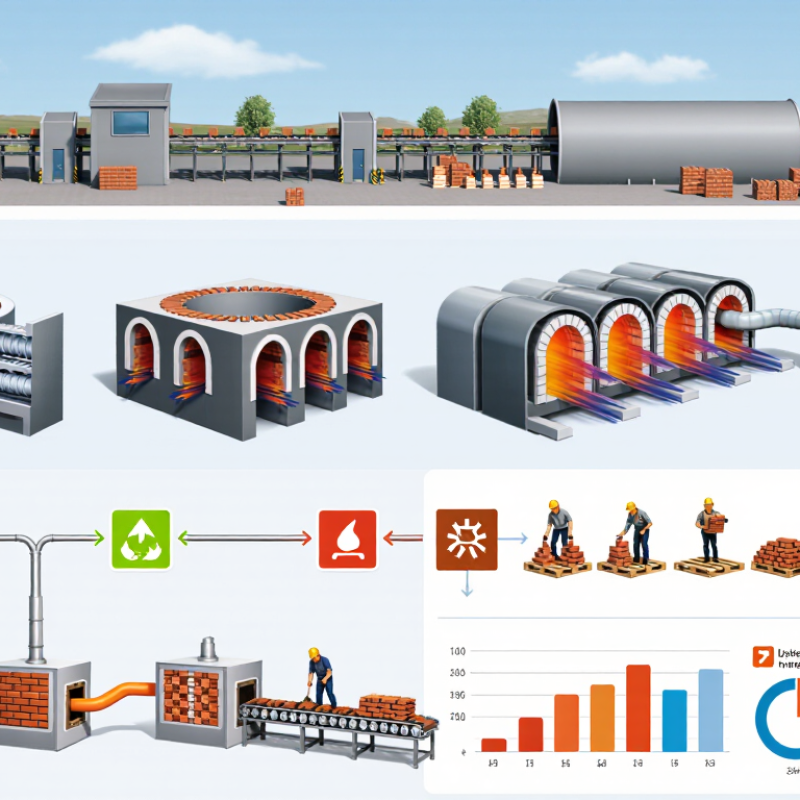
What Is the Best Kiln for Brick Production?

How Kilns Turn Shaped Clay into Durable Bricks

What Is the Best Kiln for Brick Production?

How Kilns Turn Shaped Clay into Durable Bricks

A kiln does more than bake shaped clay. It carefully removes moisture, drives off remaining volatile compounds, and develops strength through firing. The Brick Industry Association’s Technical Note 9 describes firing temperatures commonly around 1,000°C, though the right schedule depends on the clay body. Heat too quickly, and trapped moisture can crack a brick. Hold the temperature unevenly, and bricks may emerge with different colors or strengths. Small details matter.

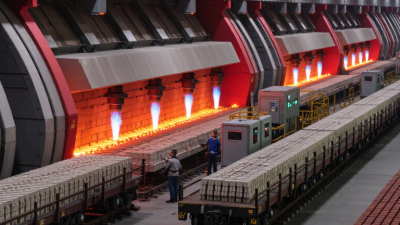
A batch kiln can suit modest output or varied products; a continuous tunnel kiln supports steady, high-volume production. Neither is automatically best. Assess the clay, target output, fuel availability, heat recovery, and ability to control emissions. The UNEP/GlobalABC 2023 Global Status Report estimates that buildings and construction generated 37% of global energy- and process-related CO₂ emissions in 2022. That figure covers the wider sector, not Brick Kilns alone, but it underlines why kiln efficiency deserves attention.

In practice, operators watch temperature zones and the color of test bricks, not just the control panel. A sound choice should deliver even firing without wasting heat or sacrificing quality. On paper, the process looks tidy. Real clay can be stubborn. Test firing a representative batch helps reveal uneven airflow, slow drying, or unexpected shrinkage before production scales up.

The Main Kiln Types Used in Brick Production

Brick production uses several kiln types, each suited to different output levels and operating conditions. Clamp kilns are simple, temporary structures for small-scale firing. Heat can vary across the stack, causing uneven color and more rejects. Bull’s trench and Hoffmann kilns fire continuously, moving bricks through defined heating zones. They can produce a steady flow, but need skilled loading and careful draft control. Tunnel kilns move bricks on cars through preheating, firing, and cooling zones. They offer consistent results, though their investment and maintenance demands can challenge smaller producers. Small details matter.

The World Bank’s 2011 report, Introducing Energy-efficient Clean Technologies in the Brick Sector of Bangladesh, reported fuel savings of about 20–30% for improved zigzag kilns compared with traditional kilns. That range is not a guarantee. Clay moisture, fuel quality, kiln sealing, and operator practice all affect results. Zigzag designs guide hot gases through the brick setting, so tight stacking and clear flues are essential. A Gas Brick Kiln can provide controllable heat, but reliable gas supply and burner adjustment shape its actual performance. Track fuel per thousand saleable bricks. One often-overlooked weakness: counting fuel purchases without recording broken or rejected bricks can make efficiency look better than it is.

What Is the Best Kiln for Brick Production?

Main kiln types and typical firing temperatures

The ranges are indicative: actual firing temperatures depend on the clay body, brick type, and firing schedule. Intermittent kilns fire batches, while Hoffmann, zigzag, and tunnel kilns are commonly used for continuous production. The best choice depends on production scale, fuel, and operating requirements.

How Brick Materials and Output Volume Affect Kiln Choice

Brick composition should guide kiln selection before capacity does. Fine, uniform clay can tolerate a consistent tunnel-kiln firing curve; mixed clay, shale, or variable moisture may need slower heating and more flexible controls. The European Commission Joint Research Centre’s Ceramics BREF (2007) places structural-clay firing broadly around 800–1,000°C, while noting that schedules depend on the product. Small changes matter. A pale core or warped edge can signal uneven drying, poor airflow, or a firing curve that is too aggressive.

Output volume changes the economics. Intermittent kilns suit modest, irregular batches, but each cycle spends time heating and cooling the kiln. Continuous tunnel kilns keep cars moving through preheating, firing, and cooling zones, making them more practical for steady, high-volume production. The U.S. EPA’s AP-42 section on brick and structural clay products describes these kiln types and their distinct operating patterns. Match the design to actual demand, not the best month on the sales chart. Before you Make Brick Kiln decisions, record daily output, brick dimensions, fuel use, and rejected units for several weeks. Real records beat estimates. I would still leave room for doubt: local clay tests and a supervised firing trial can overturn a tidy spreadsheet.

Comparing Tunnel, Hoffmann, and Clamp Kilns

What Is the Best Kiln for Brick Production?
Comparing Tunnel, Hoffmann, and Clamp Kilns

A tunnel kiln suits factories with steady orders and consistent clay. Bricks travel on cars through preheating, firing, and cooling zones, allowing continuous production and tighter temperature control. The European Commission’s 2007 Ceramic Manufacturing Industry BREF reports energy use for brick firing in tunnel kilns at roughly 1.4–2.4 gigajoules per tonne. Treat that as a benchmark, not a guarantee: moisture, brick thickness, and kiln loading can shift actual consumption. The system also needs substantial investment and reliable daily output.

A Hoffmann kiln fires bricks in chambers arranged around a moving fire path. It can serve medium-scale producers who need flexibility but cannot justify a tunnel line. Heat from fired chambers helps warm incoming bricks, though airflow and firing conditions may vary between chambers. Operators must monitor draft, fuel, and brick color closely. Small changes matter.

Clamp kilns have low construction costs and can suit seasonal production or limited budgets. Bricks are stacked with fuel between layers, then fired in place. That simple setup can mean uneven temperatures, more rejects, and harder-to-control fuel use. A neat cost comparison can be misleading: local fuel prices, labor, and product quality all change the result. The right choice depends on reliable records from actual firings, not kiln type alone.

Assessing Fuel Efficiency, Temperature Control, and Emissions

Choosing a brick kiln means balancing fuel use, temperature stability, and emissions rather than chasing one headline efficiency figure. For steady, high-volume production, a continuous kiln can recover heat from cooling bricks and preheat incoming loads. That reduces wasted fuel. But its advantage depends on consistent loading, sound insulation, and skilled operation. A small or variable plant may find an intermittent kiln easier to manage, despite heat loss during repeated cooling and reheating. Burner settings should match the clay body and firing schedule, not a generic target. Small differences matter.

Temperature control protects brick strength and color. Thermocouples placed across the kiln help reveal hot and cool zones; one reading near the burner is not enough. Operators can compare kiln records with brick samples, checking for pale cores, warping, or uneven tones after firing. Keep fuel and airflow adjustments gradual. Too much excess air can carry heat up the stack, while poor combustion can increase smoke and carbon monoxide. Results vary with fuel quality and kiln design. Emissions controls, regular burner maintenance, and tighter door seals can improve performance, but add costs and require upkeep. There is no perfect setting. A practical choice is the kiln that repeatedly meets product specifications, using measured fuel per batch and monitored exhaust—not estimates alone.

Matching Kiln Design to Factory Conditions and Production Needs

The best kiln is the one that fits the factory, not the one with the highest rated capacity. A Clay Brick Kiln should match the clay body, daily output, available floor space, and fuel supply. If the clay arrives wet, drying time may limit production before firing capacity does. Check moisture levels across different batches; they can vary after rain.

A continuous tunnel kiln can suit steady, high-volume production, but it needs reliable material flow and skilled process control. An intermittent kiln may fit smaller batches or changing product sizes, though loading and temperature cycles can raise labor needs. Look at the whole route: clay preparation, drying racks, kiln entry, cooling, and finished-brick storage. A narrow loading aisle can become a daily bottleneck. Small details count.

Factory conditions deserve a site visit. Measure usable space, inspect ventilation, and confirm which fuels are consistently available. Ask operators to record firing time, fuel use, breakage, and output by batch. A neat spreadsheet can still be wrong if it ignores stoppages or uneven drying. I would treat early production estimates as provisional, then revise them after several real firing cycles. The best choice may be less obvious than expected.

FAQS

Which kiln suits a factory with steady, high-volume production?

A tunnel kiln can fit steady orders and consistent clay. Bricks move through preheating, firing, and cooling zones on cars. It needs significant investment and reliable daily output.

Are tunnel kilns always more energy-efficient?

No. One industry benchmark puts tunnel-kiln firing near 1.4–2.4 gigajoules per tonne. Moisture, brick thickness, and loading can change actual use. Treat the figures as a reference, not a promise.

When might a Hoffmann kiln be a practical choice?

It can suit medium-scale producers who need flexibility. Heat from fired chambers warms incoming bricks. Operators still need to watch airflow, fuel, and brick color closely.

What are the main drawbacks of clamp kilns?

Clamp kilns cost less to build and can suit seasonal production. Heat may vary across the stack, creating uneven color and more rejected bricks. Simple, but not always predictable.

Can an improved zigzag kiln reduce fuel use?

A published report found savings of about 20–30% compared with traditional kilns. Results depend on clay moisture, fuel quality, kiln sealing, and operator practice. Not guaranteed.

What should producers track when comparing kiln efficiency?

Record fuel use per thousand saleable bricks, plus breakage and rejected output. Counting fuel purchases alone can make performance look better than it is. I would check the records twice.

How do factory conditions affect kiln selection?

Match the kiln to clay, daily output, floor space, and available fuel. Wet clay can make drying the real production bottleneck. Measure moisture after rainy weather.

What should be checked before estimating production capacity?

Inspect loading aisles, ventilation, drying racks, kiln access, and finished-brick storage. Record fuel, firing time, stoppages, breakage, and batch output. Early estimates need revision.

Conclusion

A Kiln For Brick Production transforms shaped clay into durable bricks through carefully controlled heating, which removes moisture, strengthens the material, and helps create consistent quality. The best kiln depends on the clay’s characteristics, the desired brick properties, and the volume of production. Tunnel, Hoffmann, and clamp kilns each offer different approaches to heating and moving bricks, so their suitability varies with output targets and operating conditions.

Choosing a kiln also means weighing fuel efficiency, temperature control, emissions, and the practical needs of the factory. A design that supports steady temperatures and efficient fuel use may help reduce waste and improve product consistency, while available space, workflow, and maintenance capacity can influence what is feasible. The right choice balances production goals with material requirements and site conditions rather than relying on a single kiln type as the best option for every operation.
Lila

Lila

Lila is a seasoned marketing professional at We Henan Cadier Green Building Technology Co., Ltd., a company at the forefront of innovative wall material production since 2009. With a strong expertise in energy-saving and environmentally friendly solutions, she is dedicated to promoting the......
Previous China Top Brick Oven Suppliers for Global Buyers?