请留言
Choosing the right Brick Making Oven in 2026 isn't just about comparing prices. You’ve got to consider things like how it uses fuel, how evenly it fires bricks, how easy it is to maintain, emissions control, and whether it lines up with your local production goals. A good oven should make consistent bricks throughout—no pale edges next to over-fired centers. Those small details really matter—think about door seals, how quickly the burner responds, and how well it recovers heat.
The European Commission’s Best Available Techniques Reference Document for the Ceramic Industry points out that energy efficiency, process control, and emissions reduction are the major focus areas. These are practical concerns for brick makers—especially with fuel prices going up and down. Meanwhile, the 2024 Global Status Report from the United Nations Environment Programme and the Global Alliance for Buildings and Construction highlights ongoing energy and carbon challenges in construction. Sure, a brick kiln alone can’t fix the bigger problem, but good thermal design can definitely help cut down on waste.
Market reports from Grand View Research and The Freedonia Group show that demand for masonry products is still growing. They also mention there's increasing pressure to automate and make production more efficient. But here’s the thing—market forecasts aren’t all the same. Different reports use different definitions, cover different regions, and assume different growth scenarios. So, you’ve gotta be careful. When choosing equipment, it’s best to actually test your local clay, check moisture levels, measure brick sizes, and see how many bricks you can make per day. Even if a brick oven looks super impressive on paper, it might not perform well if your materials or power supply are unstable. This guide compares different oven types, heating systems, controls, capacity, maintenance needs, and total costs over time. We focus on real evidence, not just glossy brochures. Performance matters, and you should always question the claims made—because not every oven that looks good on the outside really performs well in your specific conditions.
How to Choose the Best Brick Making Oven in 2026?
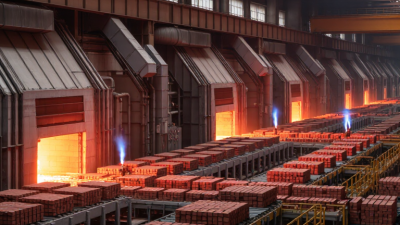
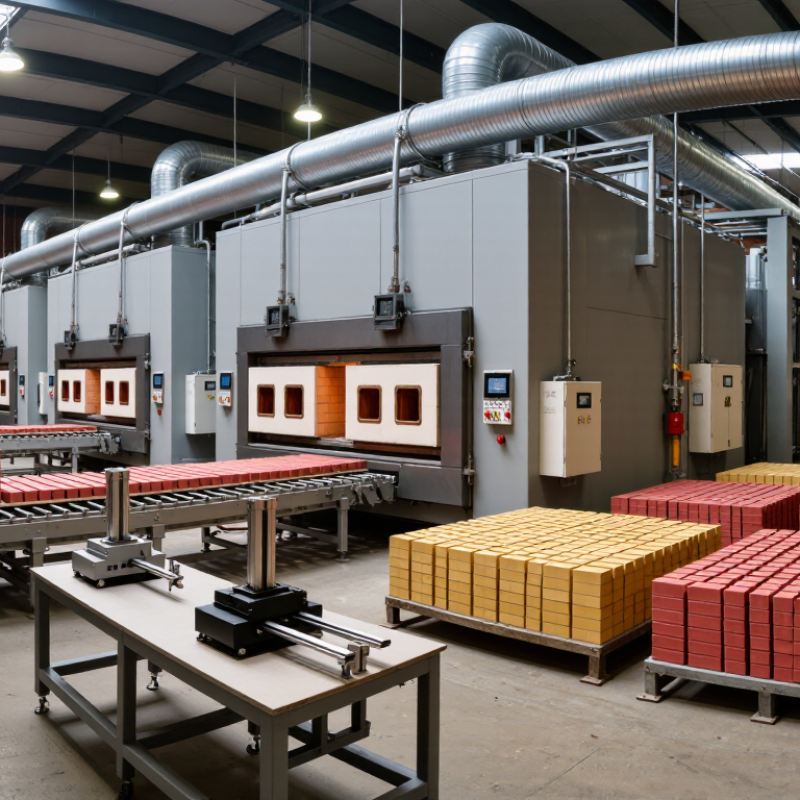
A brick making oven is a high-temperature chamber for drying and firing shaped clay bricks. It removes moisture, strengthens the body, and improves resistance to weather and pressure. The correct term is often brick kiln, but “oven” remains common in product searches. A Clay Brick Making Machine Oven usually works beside a forming machine, dryer, and material-handling system. Temperature control matters greatly. Uneven heat can create pale edges, black cores, cracks, or warped surfaces.
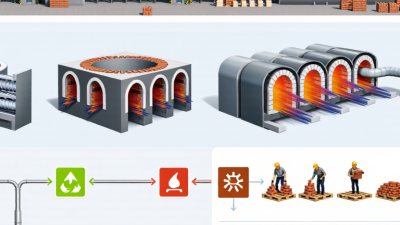
The main types include clamp kilns, chamber kilns, Hoffman kilns, and tunnel kilns. Clamp kilns cost less but offer weaker temperature control and more variation. Chamber kilns suit smaller batches and flexible production. Hoffman kilns provide steady firing through connected chambers. Tunnel kilns move bricks continuously through preheating, firing, and cooling zones. They usually deliver better consistency, but need higher investment and careful layout planning.
Choosing the best oven requires more than comparing capacity. Check fuel efficiency, insulation thickness, airflow control, firing temperature, maintenance access, and local environmental requirements. A reliable system should record temperature across several zones, not just display one reading. That detail is easy to miss. In practical evaluations, operators also inspect brick color, sound, weight, and breakage rates after firing. Automation can reduce errors, yet poorly calibrated sensors still mislead production teams. No single oven wins every project. Soil composition, brick size, daily output, available fuel, and operator skill can change the decision.
Brick making ovens, commonly called brick kilns, are thermal systems used to dry and fire shaped clay or shale products. The table below compares the main kiln types using typical operating characteristics. Actual performance depends on brick size, clay composition, moisture content, loading pattern, insulation, fuel quality, and local operating conditions.
| Brick Oven / Kiln Type | Definition and Operating Principle | Typical Batch or Daily Capacity | Typical Firing Temperature | Typical Firing Cycle | Fuel and Energy Characteristics | Product Quality and Uniformity | Capital and Operating Profile | Best-Fit Application | Main Limitations |
|---|---|---|---|---|---|---|---|---|---|
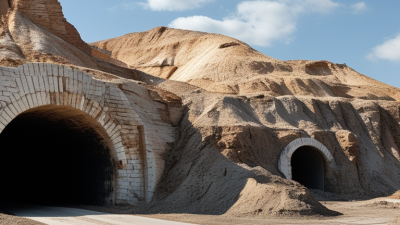
| Clamp Kiln | A temporary or semi-permanent pile of green bricks in which fuel is placed between brick layers. The kiln is usually covered with ash, soil, or a protective layer before firing. | Approximately 10,000–100,000 bricks per batch, depending on site size and construction. | Approximately 800–1,000 °C | About 2–6 weeks, including firing and cooling. | Usually coal, wood, agricultural residues, or other locally available solid fuels. Fuel control is limited and heat recovery is minimal. | Low to moderate uniformity. Color, strength, and water absorption can vary significantly within the same batch. | ; high labor requirement and relatively low fuel efficiency. | Small-scale, seasonal, or temporary production where land and low initial investment are more important than consistency. | High emissions, long cycle time, weather exposure, difficult process control, and a comparatively high percentage of under-fired or over-fired bricks. |
| Updraft Kiln | A fixed or semi-fixed chamber in which hot gases move upward through the brick setting from a firebox or fuel bed below. | Approximately 5,000–50,000 bricks per batch. | Approximately 850–1,050 °C | About 3–10 days, depending on chamber size and cooling time. | Can use coal, biomass, gas, or oil. Heat distribution is less even because the hottest gases enter from the bottom. | Moderate quality when carefully operated; temperature differences between lower and upper sections are common. | ; simpler construction but less efficient than continuous designs. | Small and medium producers needing a permanent kiln with relatively simple construction and operation. | Uneven firing, higher fuel consumption than more advanced kilns, and limited production continuity. |
| Downdraft Kiln | A chamber where hot gases move downward through the brick setting and exit through a lower flue. The downward flow improves heat circulation. | Approximately 5,000–100,000 bricks per batch. | Approximately 900–1,100 °C | About 2–7 days, including heating, firing, and cooling. | Suitable for gas, oil, coal, wood, and selected biomass fuels. Better air and temperature control is possible than in a basic updraft kiln. | Moderate to high uniformity, especially when the chamber is well insulated and properly loaded. | ; flexible operation with better control, but still batch-based. | Producers making facing bricks, engineering bricks, specialty shapes, or products requiring improved firing consistency. | Requires skilled loading and firing control; production stops during unloading, cooling, and reloading. |
| Hoffmann Ring Kiln | A continuous or semicontinuous ring-shaped kiln divided into interconnected firing chambers. The fire moves from one chamber to the next while preheating and cooling other chambers. | Approximately 20,000–200,000 bricks per day, depending on kiln size and operating schedule. | Approximately 900–1,100 °C | Individual chambers may complete a cycle in roughly 24–48 hours, while the kiln can operate continuously. | Usually coal, gas, or biomass. Heat from cooling and preheating zones can be reused, improving thermal efficiency. | Moderate to high uniformity with good loading, airflow management, and process supervision. | ; efficient for continuous production but requires permanent infrastructure and trained operators. | Medium and large-scale production with steady demand and a need for continuous output. | Large footprint, complex airflow management, emissions-control requirements, and reduced suitability for intermittent production. |
| Fixed-Chimney Bull’s Trench Kiln | An oval or elliptical trench kiln with a fixed chimney. Bricks are fired in a moving sequence around the trench, while the chimney creates natural draft. | Approximately 15,000–100,000 bricks per day, depending on design and labor organization. | Approximately 850–1,050 °C | Continuous operation during the production season; the firing zone moves around the trench. | Commonly coal or biomass. Some heat is recovered through preheating, but emissions can remain substantial without proper controls. | Moderate uniformity; quality depends heavily on setting pattern, fuel feeding, draft control, and operator experience. | ; relatively high output with significant manual labor and site preparation. | High-volume seasonal production in regions where continuous trench-kiln operation is permitted and suitable fuel is available. | Potentially high particulate and pollutant emissions, difficult working conditions, and regulatory restrictions in some areas. |
| Zigzag Kiln | An improved continuous kiln based on a zigzag airflow path. The longer gas path increases contact between hot gases and bricks and can improve combustion and heat transfer. | Approximately 20,000–150,000 bricks per day, depending on kiln dimensions and operating method. | Approximately 900–1,100 °C | Continuous operation; the firing zone advances through the kiln according to the production schedule. | Often uses coal or biomass, with improved combustion compared with many straight-flow trench kilns. Fuel savings depend on design and operation. | Moderate to high uniformity when airflow, brick setting, and fuel feeding are well controlled. | ; improved efficiency may reduce operating costs, but skilled operation is essential. | Medium and large producers seeking continuous output and better fuel performance without moving immediately to a fully automated kiln. | Requires careful construction, reliable draft control, trained operators, and effective emissions management. |
| Tunnel Kiln | A long, insulated kiln divided into preheating, firing, and cooling zones. Bricks travel through the kiln on cars or another conveying system while the zones remain at controlled temperatures. | Approximately 50,000–500,000+ bricks per day, depending on tunnel size, automation level, and product dimensions. | Approximately 950–1,150 °C for many common fired-clay bricks. | Typically about 24–72 hours from entry to exit, depending on brick type, moisture, loading density, and firing schedule. | Most commonly natural gas or other controllable fuels; electric heating is possible for selected applications. Strong heat recovery and precise control are available. | when drying, setting, atmosphere, and temperature profiles are properly controlled. | ; lower labor per unit and potentially lower energy use, but maintenance and automation expertise are required. | Large-scale, year-round production requiring consistent dimensions, color, compressive strength, and water absorption. | High initial cost, complex controls, substantial building requirements, and poor economic suitability for very small or irregular production volumes. |
| Electric Chamber Kiln | An insulated batch chamber heated by electrical resistance elements with programmable temperature control and controlled cooling. | Approximately 100–10,000 bricks per batch, depending on chamber volume and brick size. | Approximately 900–1,200 °C | About 24–96 hours, excluding green-brick drying time. | Electricity provides precise control and clean operation at the point of use. Total energy cost depends strongly on electricity price and kiln insulation. | for small batches, with accurate temperature programming and repeatable firing profiles. | ; low direct labor but potentially high operating cost for large volumes. | Laboratories, educational facilities, architectural samples, specialty bricks, small production runs, and areas with reliable low-carbon electricity. | Limited batch capacity, long heating time for large loads, dependence on electrical infrastructure, and higher cost per brick at industrial scale. |
Selection guide: Choose a batch kiln for flexible or low-volume production, a ring or zigzag kiln for continuous medium-to-large output, and a tunnel kiln for high-volume production requiring strong automation and consistent quality. Before purchase or construction, verify local fuel availability, emissions regulations, clay firing behavior, required production volume, brick dimensions, labor availability, and the total cost of ownership.
Brick manufacturing in China is entering a period in which operational visibility is as important as production capacity. The United Nations Environment Programme’s 2023 Global Status Report notes that buildings and construction accounted for approximately 37% of global energy and process-related carbon emissions in 2022, highlighting the importance of energy-efficient industrial operations. For brick factories, kiln performance, fuel consumption, equipment downtime, and material waste directly affect both costs and output quality.
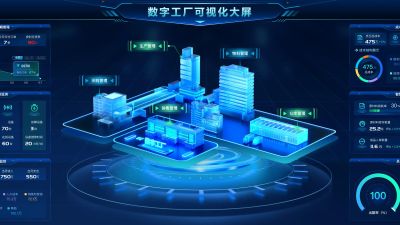
The Digital Brick Factory Operations Management System provides an integrated solution for these challenges. It connects raw material procurement, equipment monitoring, kiln control, quality inspection, sales processes, and personnel management on one platform. Factory owners and managers can review production data, receive equipment alerts, monitor kiln conditions, and track orders through a mobile phone or computer. Centralized data helps teams identify abnormal energy use, reduce unplanned shutdowns, and maintain more consistent product quality.
Research on industrial digitalization, including findings discussed in the International Energy Agency’s *Digitalisation and Energy* analysis, shows that connected monitoring and data-driven control can improve efficiency by enabling faster decisions and more precise resource management. By linking factories with reliable suppliers and organizing daily workflows in real time, this system can reduce procurement delays, improve production scheduling, strengthen quality control, and lower operating costs in China’s competitive brick manufacturing sector.
Start with finished bricks needed per hour. Include rejects and damaged units. For 10,000 bricks daily over 20 hours, target at least 500 bricks hourly. Drying, loading, and maintenance reduce actual production time.
Real firing rarely matches theoretical output. Heat-up time, uneven stacking, and unloading create delays. A 15–25% margin provides useful protection. Trial data should confirm the estimate.
No. Extra space can increase fuel use and heating time. It may also raise maintenance costs. A smaller chamber can cause delays during busy orders.
Check temperature uniformity at doors, corners, and central areas. Uneven heat can produce different brick colors and strengths. Review stacking patterns carefully. Manual loading may take longer than expected.
Natural gas and LPG usually provide controllable heat. Electric heating offers precise temperature control with reliable power. Biomass may cost less, but wet fuel can burn unevenly. Fuel availability differs by region.
Request fuel consumption at your planned output rate. Do not rely only on laboratory figures. Record fuel input, brick output, and firing hours. A spreadsheet helps, but it can still lie.
Insulated chambers retain heat between firing cycles. Sealed doors reduce heat loss. Reliable sensors support steadier temperatures. Heat recovery may preheat drying rooms or combustion air.
Correct air-to-fuel adjustment can reduce carbon monoxide and particles. Some fuels may require filters, dust collectors, or gas treatment. Check local permits and testing rules before installation. Blocked air paths increase emissions.
Worn door seals allow heat to escape. Blocked air passages disturb combustion. Damaged sensors can hide temperature differences. Small faults become expensive. I would inspect them more often than planned.
Ask for output records using similar clay mixes and brick sizes. Request test conditions for fuel consumption and emissions. Check planned downtime, labor needs, and power reliability. Numbers without conditions can mislead.
Choosing the best Brick Making Oven in 2026 requires more than comparing purchase prices. Start by understanding the main oven types and how their heating methods affect brick quality, production speed, and operating flexibility. Match the oven’s capacity to your expected output, available workspace, and growth plans to avoid inefficient underuse or costly limitations. Fuel selection is also important: evaluate availability, energy consumption, heat recovery potential, and emission-control systems to support economical and responsible operation.
Effective temperature management is essential for achieving consistent strength, color, and durability. Models with reliable sensors, automatic controls, and uniform airflow can reduce defects and simplify daily operation. Before making a decision, review safety features, maintenance access, expected service requirements, and total operating costs. A suitable Brick Making Oven should balance productivity, energy efficiency, product consistency, worker safety, and long-term value rather than focusing on one specification alone.