请留言
    
0%

So, when you're picking out a brick making oven, you've got to start with what your production actually looks like—not just whatever shiny brochure they hand you. I mean, a small workshop isn't going to need the same capacity as a big industrial plant running nonstop. You've got to think about things like how many bricks you need per day, what size they are, what fuel you've got on hand, and honestly, how much space you're working with. Those are the real factors that should drive your choice.

So, when you're actually testing these things, you really gotta start with temperature control. I mean, if the heat isn't even, you'll end up with some bricks that are weak and others that are just way overfired. You wanna look for reliable sensors, good insulation in the chambers, and controls that aren't a pain to use. And here's the thing—don't just check the max temperature; look at the whole heating curve. That's where the real difference lies. Trust me, that detail matters more than you'd think. Also, have experienced folks look at how you're loading the bricks, the airflow, drying time, and how you handle cooling. Honestly, those factors often mess with quality way more than the advertised capacity ever does.

When you're talking to suppliers, don't just take their word for it—actually ask them for installation records, maintenance schedules, and performance data from businesses similar to yours. A reliable manufacturer should be upfront about things like expected fuel consumption, replacement parts, training, and what kind of after-sales support you'll get. And hey, it never hurts to get an independent test done, especially if you're weighing gas, electric, or biomass options. You also want to make sure you can easily find local technicians and spare parts—that'll save you a ton of headache (and money) when something breaks down. Oh, and please don't overlook safety stuff like worker protection, ventilation, and clear operating instructions—trust me, that's not something to cut corners on. You know, picking the right equipment isn't just about ticking boxes—it's about keeping your people safe and your operations running smoothly. Get that choice wrong, and you're asking for trouble down the line.

Look, no oven is perfect—let's just admit that right off the bat. You might see a cheaper model and think it's a steal, but if you're constantly calling for repairs, those savings vanish real quick. And sure, a bigger oven seems like a no-brainer for output, but if you're not nailing your demand forecasts, you're just paying for idle capacity. Here's the thing: do the math on total costs over a few years, not just the sticker price. If you can, get a trial run with your actual clay—supervised, obviously. Keep tabs on firing time, energy use, how many bricks come out rejected, and what your operators think. Real-world data beats a confident sales pitch any day. So, this guide is all about helping you really dig into the details—without getting lost—and pick equipment that actually fits your business, your budget, and the quality you want to maintain over the long haul.
How to Choose the Best Brick Making Oven for Your Business

Understanding Brick Making Oven Types and Their Core Functions

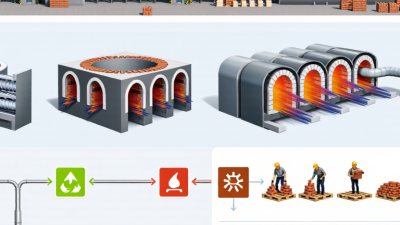
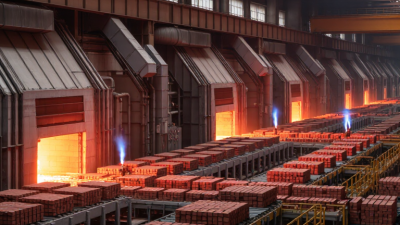
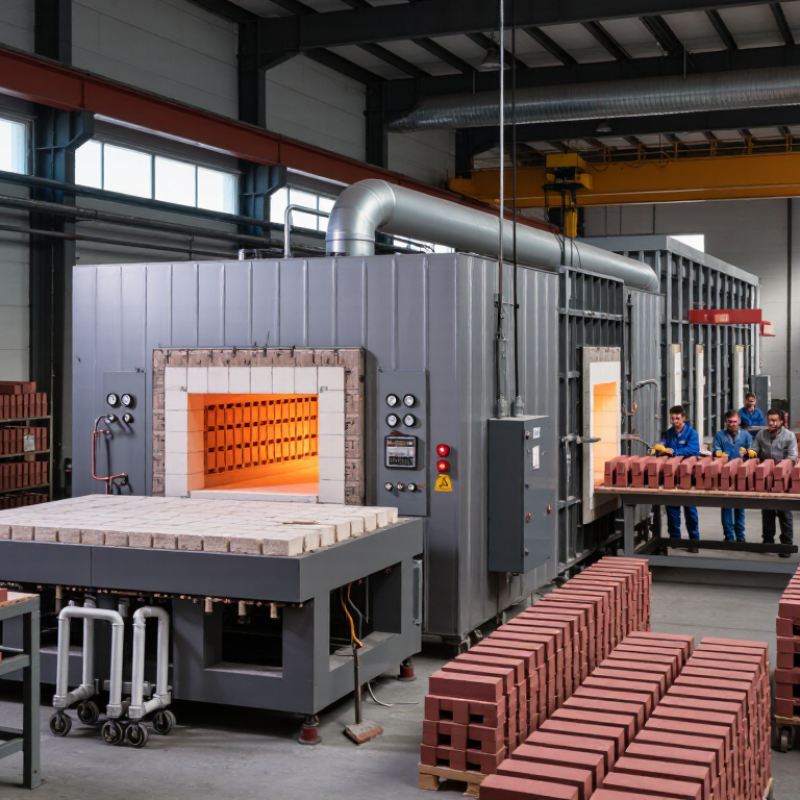
Choosing the right Clay Brick Making Machine Oven begins with understanding how each kiln type works. A tunnel kiln supports continuous production, moving bricks through drying, firing, and cooling zones. It suits factories with steady orders and trained operators. A shuttle kiln uses removable cars and flexible firing cycles. It can serve smaller plants or varied brick designs. Intermittent kilns cost less initially, but they often require more manual control.

The oven’s core function is to remove moisture and harden clay through controlled heat. Drying chambers should reduce cracking before firing begins. During firing, accurate temperature control helps develop strength, color, and water resistance. Airflow also matters. Poor circulation can leave pale edges and dark centers. Fuel systems should provide stable heat, while insulation limits heat loss around doors and walls. Good controls record temperature changes across each zone.

From practical operation, capacity should match your actual production schedule, not an optimistic sales forecast. A larger kiln may waste fuel during slow periods. I have seen operators focus on maximum output and overlook cooling time. That choice created handling delays. Maintenance access is equally important; blocked burners or damaged seals should not require major dismantling. Local clay behavior can also surprise you. Test firing several batches before committing to one design. Perfect planning is rare. Reliable data is better.

Assessing Production Capacity and Brick Size Requirements

How to Choose the Best Brick Making Oven for Your Business

Production capacity should match your real daily workload, not an optimistic sales forecast. Measure green bricks produced per shift, then check how many the oven can fire safely. A small workshop may need 8,000 bricks daily, while a larger yard may require 30,000. Record actual output for several weeks. My first estimate was too high because drying delays reduced the loading rate.

Brick size also changes oven performance. Standard bricks may move smoothly, but thick blocks need longer heating and cooling periods. Measure length, width, height, and average weight before comparing equipment. Keep at least a small clearance between stacked bricks. Tight loading can create pale centers, cracked corners, or uneven color. These defects are expensive to discover after installation.

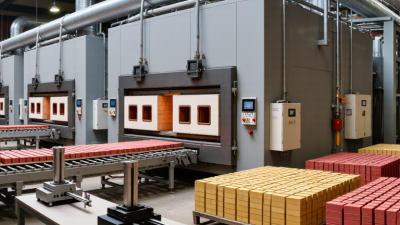
When reviewing a Clay Bricks Making Drying Machine Tunnel Dryer Brick Oven, ask for capacity data based on your brick dimensions. Request fuel consumption, temperature uniformity, loading time, and maintenance access. A kiln rated for 20,000 small bricks may handle far fewer large units. Test a sample batch if possible. Inspect moisture levels at the dryer exit, because uneven moisture can damage otherwise well-formed bricks. Allow space for future production, but avoid paying for unused capacity. That judgment is difficult. Local clay behavior may also change seasonally.

Comparing Fuel Sources, Energy Efficiency, and Operating Costs

Choosing a brick making oven starts with the fuel available near your production site. Natural gas often offers steady heat and simple temperature control. Electricity produces clean operation, but local power rates can make each firing expensive. Biomass may lower fuel costs, yet its moisture content can change heat output. That inconsistency matters.

I once assessed a small kiln where operators compared only the hourly fuel bill. The cheaper fuel seemed attractive. However, damp biomass extended firing by nearly three hours. Extra labor and delayed deliveries erased much of the saving. Measure the full cycle cost. Include fuel, labor, maintenance, ventilation, and lost production time.

Heat retention deserves close attention. A well-insulated chamber needs less fuel after reaching temperature. Check insulation thickness, door sealing, burner control, and temperature sensors. Ask for tested energy figures under conditions similar to your clay and batch size. Published estimates can be optimistic. Real results depend on loading patterns and firing schedules.

Keep records.

A simple log can reveal waste. Record fuel used, firing hours, peak temperature, rejected bricks, and cooling time. Compare these figures across several batches, not one successful run. A slightly more expensive oven may reduce cracks and uneven color. Still, efficiency should not be judged from purchase price alone. Review repair access, spare-part availability, and operator training before signing a contract. Local safety requirements also affect installation costs and daily operation.

Evaluating Temperature Control, Automation, and Firing Performance

Choosing a Brick Oven begins with temperature control, not its advertised maximum heat. In daily production, stable heat matters more than a dramatic peak. Measure the chamber with calibrated sensors at several points. A reliable system should show whether the floor runs hotter than the upper arch. That difference affects color, moisture, and firing time. Look for independent control of heating rate, holding temperature, and cooling. Small adjustments matter.

Automation should reduce variation without hiding the process from operators. Check whether the controller records each firing cycle, alarms, and temperature recovery after loading. A clear interface helps staff respond when a door opens or a cold batch enters. Test the system during a full production cycle, not only an empty demonstration. Manual override is essential. Sensors can drift. Software can misread a probe. I have seen even results disappear when loading patterns changed. The oven needs practical safeguards, not impressive screens.

Firing performance depends on airflow, insulation, fuel efficiency, and loading design. Examine how quickly the oven recovers after several shelves are filled. Inspect sample pieces from the front, center, and rear. They should show comparable surface color and internal strength. Ask for documented test results and maintenance intervals. Also calculate energy use per batch, because a cheap purchase may become expensive each month. Leave room for human judgment. No control system replaces an operator who notices uneven heat or an unusual smell. That lesson is easy to overlook.

How to Choose the Best Brick Making Oven for Your Business

Evaluating Temperature Control, Automation, and Firing Performance
Oven Configuration Typical Operating Temperature Temperature Control Automation Level Typical Firing Cycle Firing Performance Best Business Fit Key Considerations
Intermittent Chamber Oven 900–1,100°C Moderate
Temperature is controlled by burners, dampers, and operator adjustments.
Low to medium Approximately 24–72 hours, depending on batch size, brick type, moisture, and cooling requirements Suitable for small-to-medium batches, but temperature uniformity can vary between chamber zones. Small producers, seasonal operations, and businesses with varied product sizes Lower initial complexity; requires skilled operators and careful loading to reduce uneven firing.
Fixed-Chamber Batch Oven 950–1,150°C Moderate to high
Programmable temperature stages can improve repeatability.
Medium Approximately 18–48 hours per batch Provides more consistent firing than a basic intermittent chamber when airflow and loading are well managed. Growing businesses producing regular batches of standard bricks Offers a practical balance between investment, flexibility, and process control.
Tunnel Oven 950–1,200°C High
Multiple temperature zones allow controlled preheating, firing, and cooling.
High Approximately 18–36 hours of product movement through the kiln, depending on design and product specifications High throughput, stable firing curves, and good temperature uniformity when properly designed and operated. Medium-to-large manufacturers with continuous production demand Requires significant capital, reliable material handling, and consistent green-brick quality.
Hoffmann-Type Continuous Oven 900–1,100°C High
Continuous airflow and firing zones support stable heat distribution.
Medium to high Continuous operation; individual brick batches commonly pass through the firing zone within 24–48 hours Efficient for continuous production and capable of good heat recovery when maintained correctly. Established plants with steady demand and adequate operating space Performance depends heavily on draft control, sealing, fuel management, and operator training.
Electric Chamber Oven Up to approximately 1,200°C, depending on heating elements and insulation Very high
Digital controllers and thermocouples provide precise set-point management.
High Approximately 12–36 hours per batch, excluding loading and unloading Excellent temperature stability and repeatability; generally better suited to smaller production volumes. Specialty brick, test production, laboratories, and areas with reliable electricity Clean operation and precise control, but electricity cost and available power capacity must be evaluated.
Gas-Fired Batch Oven 950–1,200°C High
Modulating burners and staged firing can provide accurate heat control.
Medium to high Approximately 16–48 hours per batch Fast response, good controllability, and relatively clean combustion when correctly adjusted. Businesses requiring flexible batch production and consistent product quality Needs dependable fuel supply, burner maintenance, ventilation, and combustion monitoring.
Solid-Fuel Batch Oven 850–1,100°C Low to moderate
Heat depends on fuel quality, feeding consistency, airflow, and operator control.
Low to medium Approximately 24–72 hours per batch Can achieve acceptable brick quality, but temperature variation and ash contamination may be concerns. Locations with economical local solid fuel and limited access to gas or high-capacity electricity Fuel preparation, emissions control, labor requirements, and product discoloration should be assessed.

Planning note: Temperature ranges and cycle times are typical engineering ranges rather than guaranteed specifications. Actual results depend on brick composition, green-brick moisture, chamber dimensions, loading density, insulation, fuel quality, airflow, and firing-curve design.

Checking Oven Materials, Durability, Maintenance, and Safety Features

Choosing a Gas Brick Oven begins with its inner materials. Dense firebrick stores heat evenly and reduces temperature swings during busy service. Stainless steel doors resist corrosion, while ceramic insulation limits heat escaping into the kitchen.

I check joints, floor thickness, and burner access before comparing prices. A beautiful outer shell means little if the cooking deck cracks after repeated thermal shock.

Durability should be measured against workload, not showroom appearance. ENERGY STAR guidance indicates certified commercial ovens can use about 20% less energy than standard models, depending on configuration and operation. That difference becomes significant during long baking shifts.

I prefer replaceable hearth tiles and accessible burners. However, I have learned that “low maintenance” is often vague. Ask for cleaning intervals, spare-part availability, and technician access. A neglected flue can collect grease and reduce draft.

Safety deserves equal attention.

NFPA analysis identifies cooking equipment as the leading ignition source in restaurant fires. Look for flame-failure protection, automatic gas shutoff, insulated handles, stable doors, and clearly labeled controls.

Ventilation must match the oven’s heat and fuel output. The installation should follow local gas, electrical, and fire requirements. Test the emergency shutoff physically. Small details matter.

I would also request written maintenance records and commissioning results. Choosing only by capacity is a mistake I might once have made; a smaller, serviceable oven can protect production better than an oversized unit with inaccessible components.

Choosing a Supplier, Installation Plan, and Long-Term Business Value

Choosing the best brick making oven starts with the supplier, not the advertised capacity. Ask for documented production data, energy use, and service records from comparable installations. A trustworthy supplier should explain how local clay, moisture, and brick size affect performance. Request customer references and inspect finished bricks, not only showroom photographs. Small details matter.

The installation plan deserves equal attention. Confirm the foundation design, fuel connection, ventilation, drainage, and working space before delivery. A qualified technician should supervise assembly, temperature calibration, safety checks, and operator training. Commissioning should include several test batches using your actual clay. Otherwise, the quoted output may look better than reality. That assumption can fail.

Long-term value depends on stable quality and manageable maintenance. Compare total ownership costs, including fuel, spare parts, labor, downtime, and expected service life. Keep critical components available through a clear supply agreement. Measure firing consistency with records of temperature, cycle time, rejected bricks, and fuel consumption. A cheaper oven may become expensive after repeated repairs. I have seen operators focus too heavily on initial price and underestimate training needs. A slower, well-supported system can protect cash flow better, although every business should verify this through a pilot run and honest production calculations.

FAQS

How should I estimate the oven capacity my business needs?

Measure actual green bricks made per shift for several weeks. Drying delays can reduce loading rates. Do not trust optimistic sales forecasts.

Why do brick dimensions affect oven capacity?

Thick blocks need longer heating and cooling periods. A kiln rated for 20,000 small bricks may fire fewer large units.

What brick measurements should I record before choosing equipment?

Record length, width, height, and average weight. Keep small gaps between stacked bricks. Tight loading may cause pale centers and cracked corners.

What production information should I request from the oven supplier?

Request capacity based on your brick size, fuel use, temperature uniformity, loading time, and maintenance access. Test a sample batch if possible.

How can I check whether drying is working properly?

Inspect moisture levels at the dryer exit. Uneven moisture can damage well-formed bricks. This detail is easy to overlook.

Which materials improve oven durability?

Dense firebrick helps stabilize heat. Ceramic insulation reduces heat loss. Corrosion-resistant doors and replaceable hearth tiles can simplify repairs.

What maintenance details should I confirm before buying?

Ask about cleaning intervals, spare parts, burner access, and technician access. “Low maintenance” sounds useful, but it needs specific proof.

Which safety features should a gas-fired brick oven include?

Look for flame-failure protection, automatic fuel shutoff, insulated handles, stable doors, and clear controls. Test the emergency shutoff physically.

How important are ventilation and installation requirements?

Ventilation must match heat and fuel output. Follow local gas, electrical, and fire requirements. An overlooked flue can collect grease and weaken airflow.

Should I buy extra capacity for future growth?

Leave reasonable expansion space, but avoid paying for unused capacity. A smaller, serviceable oven may protect production better. My own estimates were once too high.

Conclusion

Choosing the right Brick Making Oven is essential for building a reliable and profitable production operation. Begin by understanding the differences between oven types and how each supports specific brick shapes, materials, and firing methods. Consider your required production capacity, brick dimensions, batch frequency, and future expansion plans. Fuel selection is also important, as energy efficiency, local availability, and operating costs can strongly affect long-term profitability.

A suitable oven should provide accurate temperature control, consistent heat distribution, and an appropriate level of automation to improve firing performance and reduce human error. Examine the quality of construction materials, insulation, durability, maintenance requirements, and safety features before making a decision. Finally, evaluate the supplier’s technical support, installation plan, training, spare-parts availability, and warranty terms. The best choice is not always the lowest-priced option, but the oven that delivers dependable output, manageable operating expenses, safe operation, and lasting business value.


Clara

Clara

Clara is a dedicated marketing professional at We Henan Cadier Green Building Technology Co., Ltd., a company committed to providing comprehensive solutions for large-scale production lines of new energy-saving and environmentally friendly wall materials since 2009. With an extensive knowledge of......
Previous How to Choose the Right Tunnel Kiln?