So, picking the right auto brick machine? It's not just about comparing how many bricks each one can crank out. Cities keep growing, and that means more demand for dependable masonry products. The UN Department of Economic and Social Affairs expects almost 68% of people worldwide to live in urban areas by 2050. That trend does make efficient brick production a smart investment—but just because demand is there doesn't mean you should rush out and buy the biggest machine you can find. Energy use matters too. According to the 2023 Global Status Report for Buildings and Construction from UNEP and GlobalABC, buildings used around 34% of global energy in 2022 and were responsible for roughly 37% of energy and process emissions. A good Auto Brick Making Machine can cut waste, give you more consistent material, and help lower running costs. But efficiency isn't only about the machine itself. It comes down to the whole setup: mixers, molds, curing rooms, motors, and—yes—operator training. Don't just trust the brochure. A practical check should look at cycle time, vibration quality, hydraulic stability, how easy molds are to swap, power consumption, and after-sales support. You'll also want to test concrete masonry units against relevant standards, like ASTM C90 and ASTM C140/C140M, or the applicable EN standards. These help confirm dimensions, compressive strength, absorption, and overall workmanship. Real production isn't always neat and perfect. Local aggregates can vary in moisture and grading. Electricity might fluctuate. Operators may need extra training. A machine that shines in a demo hall could struggle with dusty materials, frequent mold changes, or limited maintenance resources. This guide looks at those practical factors, so buyers can choose equipment based on verified performance—not just big promises.
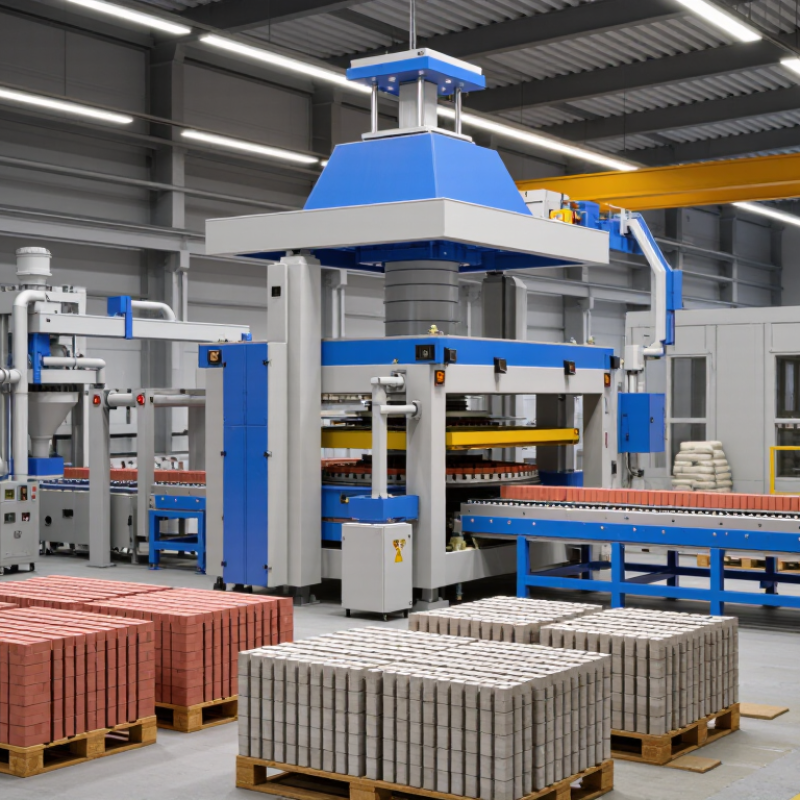
Choosing an Auto Brick Machine starts with understanding its production method.
Stationary hydraulic machines suit high-volume concrete blocks and pavers.
Vibrocompression uses vibration and pressure to compact a semi-dry mix.
Extrusion systems are more suitable for certain clay bricks, where moisture control and firing capacity become critical.
According to the 2023 UNEP Global Status Report for Buildings and Construction, buildings generated about 37% of global energy-related and process emissions. This makes material efficiency important. A machine that reduces cement waste, controls water accurately, and recycles rejected blocks can lower production losses.
Check the actual cycle time, not only the advertised capacity. A line claiming 20,000 blocks daily may produce less with frequent mold changes, weak aggregates, or inexperienced operators.
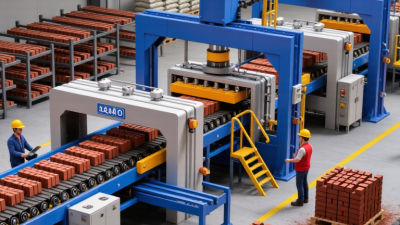
The Auto Brick Laying Machine should also match the factory layout. Review pallet movement, curing space, mixer distance, and maintenance access before purchasing.
ASTM C90 testing guidance emphasizes compressive strength and dimensional consistency for concrete masonry units. Ask for test records from your intended mix. I would inspect fresh blocks at the mold exit, then test cured samples after 7 and 28 days.
One overlooked detail is noise. Vibration can disturb nearby workers and require better protection.
My first equipment comparison focused too much on output. That was a mistake.
Energy use, spare-part availability, operator training, and realistic rejection rates often decide the better machine.
Some production data still looks uncertain, so request a monitored trial before signing.
Choosing an Auto Brick Machine starts with the brick, not the machine. Record length, width, height, and acceptable dimensional tolerance. A 240 × 115 × 53 mm brick needs a different mold and stacking pattern from a larger hollow block. Confirm the local standard before ordering. Small changes can create serious pallet and wall-fitting problems.
Material testing matters just as much. Clay with excessive sand may produce weak edges, while high moisture can slow drying and increase cracking. Test several samples for plasticity, shrinkage, and firing color. The European Commission’s Ceramic Manufacturing BREF identifies drying and firing as major energy-demand stages, with typical clay firing temperatures near 850–1,200°C. Its data deserves attention, but actual results vary with clay chemistry and kiln design. The UNEP Global Status Report for Buildings and Construction 2023 reported that buildings represented 34% of global energy demand and 37% of energy-related emissions. Efficient thermal planning is not optional.
Define output using saleable bricks, not theoretical cycles. If a mold produces 12 bricks every 30 seconds, an eight-hour shift suggests 11,520 pieces before pauses, rejects, and maintenance. Real output may be lower. Much lower. Allow space for drying racks, kiln loading, and rejected pieces. An Auto Clay Brick Kiln Machine should match the clay body, target size, daily schedule, and available fuel. A useful trial may expose flaws that a brochure never mentions.
How to Choose the Best Auto Brick Machine?
Machine capacity should match real demand, not an impressive brochure figure. A line rated at 20,000 bricks per hour may produce less with frequent mold changes, wet materials, or inexperienced operators. Compare tested output, rejection rates, and recovery time after stoppages. Automation also matters. Automatic feeding, pressure control, stacking, and fault alerts can reduce repetitive work and improve consistency. However, excessive automation may increase maintenance difficulty. A simpler system can be more reliable in remote factories.
Energy efficiency deserves a measured comparison. The U.S. Department of Energy’s Industrial Motor Systems Market Assessment reports that motor-driven equipment uses about 68% of industrial electricity in U.S. manufacturing. This makes hydraulic pumps, conveyors, and compressors important cost targets. The International Energy Agency’s Energy Efficiency 2023 report also identifies industrial motor systems as a major efficiency opportunity. Request energy data per 1,000 saleable bricks, not per operating hour. That distinction exposes hidden waste. My practical mistake was comparing motor power alone. Lower power did not always mean lower energy consumption.
Tips: Record output, electricity, rejected bricks, and downtime for seven days. Ask for measured results with your clay mix. Check whether standby power remains high. Leave space for maintenance access. A cheap meter helps. Recheck the figures after seasonal moisture changes.
Comparing production capacity, automation level, and energy efficiency
The comparison uses representative operating figures for common machine configurations. Fully automatic systems generally provide higher output, require less manual intervention, and consume less energy per 1,000 bricks, while semi-automatic machines can offer a balanced option for moderate production needs.
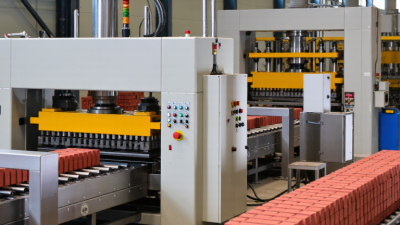
A reliable Semi Auto Brick Making Machine should feel solid before it starts producing. Inspect the welded frame, mould box, hydraulic lines, and vibration table closely. Even weld beads matter. Uneven joints may become cracks under daily pressure. Ask for steel thickness, motor specifications, and production records. A serious supplier should explain these details clearly, not hide behind impressive output figures. Check whether moving parts have guards and accessible inspection points. Good design saves time during shift changes.
Durability depends on more than heavy steel. The machine must tolerate dust, vibration, moisture, and repeated mould cycles. Examine bearings, seals, control switches, and hydraulic connectors. These small components often decide whether production continues or stops. Maintenance should be practical for your workshop. Grease points need clear labels, and common wear parts should be replaceable without dismantling half the machine. Request a maintenance schedule and training documents. I would also inspect a working unit, because polished photographs reveal very little. One warning: advertised capacity may fall when operators are inexperienced or materials vary.
Tips: Run a short trial with your actual mixture. Listen for unusual knocking sounds. Check brick dimensions after several cycles. Record oil leaks, temperature changes, and cleaning time. Keep spare seals, lubricants, and mould components nearby. Do not skip daily cleaning; hardened residue can damage alignment. A simple checklist helps, although real workshops sometimes forget it during busy hours.
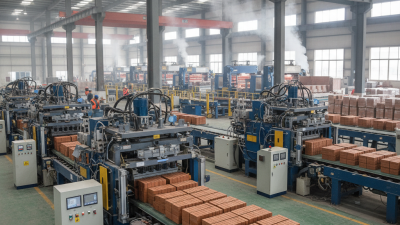
Choosing an auto brick machine begins with the building, not the brochure. Measure clear floor area, ceiling height, doorway width, and truck access. Leave working space around the press, mixer, pallets, and maintenance points. A crowded layout slows material movement and makes small repairs surprisingly risky. Keep raw materials dry. Plan drainage near washing and curing areas, because standing water quickly disrupts production.
Installation requires more than placing equipment on concrete. Check slab strength, level tolerance, power supply, ventilation, and water pressure before delivery. Local engineers should verify electrical protection, lifting plans, fire routes, and applicable workplace rules. Reserve space for control cabinets and safe cable runs. Allow technicians enough room to align molds and inspect moving parts. An installation schedule that ignores foundation curing time can create avoidable delays. This is often missed.
Operator training should combine classroom instruction with supervised production. Workers need practice loading materials, adjusting moisture, reading alarms, and stopping the line safely. Maintenance staff should learn lubrication intervals, mold changes, sensor checks, and lockout procedures. Use written checklists with photographs from the actual factory floor. Training records improve accountability and reveal recurring faults. Do not assume experienced workers need no guidance; familiar habits can hide unsafe shortcuts. A pilot run may expose uncomfortable problems with noise, dust, or awkward access. Those issues need attention before full production.
Choosing an Auto Bricks Machine is not about selecting the lowest purchase price. A reliable assessment compares output, operating costs, maintenance, and expected payback. Request verified production data under conditions similar to your site. A machine rated for 10,000 bricks per hour may produce less with damp material or frequent mold changes. Ask for energy consumption, labor requirements, and recommended maintenance intervals. Small details matter.
Operating costs often decide whether a machine remains profitable. Electricity, cement, sand, water, labor, and mold replacement should appear in the calculation. Downtime is another serious expense. One stopped shift can leave workers waiting beside a silent production line. Rejected bricks also reduce income and waste raw materials. Keep daily records for power use, material waste, production volume, and repair time. Numbers from real operation are more useful than attractive estimates.
Calculate ROI with expected monthly profit divided by total investment, including installation and training. For example, a lower-priced machine may require more manual labor and frequent repairs. A higher-priced unit may recover its cost faster through stable output. However, the calculation should include slow sales periods. Market demand is not always consistent. A cautious buyer should test sample bricks, inspect safety features, and review service response before signing. Paper calculations can look perfect. They can still be wrong. Recheck every assumption with local production data.
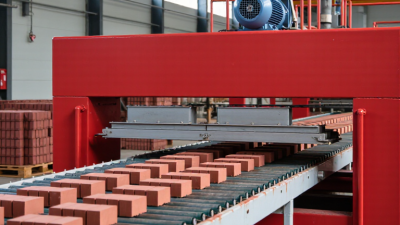
The global bricks market is evolving as manufacturers seek higher productivity, consistent quality, and more efficient use of factory space. Against this background, the automatic vertical brick splitter cutter has become an important solution for modern clay brick production lines. Designed to work with an extruder, it accurately cuts continuously formed clay columns into uniform individual brick blanks, helping producers maintain stable dimensions and reduce material waste.
Unlike traditional horizontal cutting machines, the vertical configuration can make better use of workshop space and support a more streamlined production layout. Its automated cutting process reduces manual handling while improving operational consistency, making it suitable for factories responding to growing construction demand and increasingly efficient manufacturing requirements. With an average daily output of approximately 20,000 to 50,000 bricks, the equipment can support both medium-scale and high-volume production.
As a dependable factory source in China, we provide advanced fixtures and vertical cutting solutions for clay brick manufacturers. The machine can be integrated into existing production lines and adjusted to meet different column sizes, cutting requirements, and workflow configurations. Its robust structure, precise operation, and production-oriented design help factories improve efficiency while maintaining reliable brick blank quality.
Hydraulic machines suit high-volume concrete blocks and pavers. Vibration and pressure compact semi-dry mixtures. Extrusion systems suit selected clay products. Moisture control and firing capacity remain important.
Check monitored cycle times, not only advertised daily output. Mold changes, weak aggregates, and inexperienced operators reduce actual production. A claimed 20,000 blocks may produce much less. Request a practical trial.
Accurate water control can reduce rejected blocks and cement waste. Recycling suitable rejected material may lower production losses. Track cement, sand, water, energy, and daily rejects. Waste records reveal uncomfortable truths.
Measure floor area, ceiling height, doors, and truck access. Leave clear space around the press, mixer, pallets, and maintenance points. Keep raw materials dry. Plan drainage near curing and washing areas.
Inspect slab strength, floor level, power supply, ventilation, and water pressure. Confirm safe cable routes and control cabinet space. Allow enough room for mold alignment and moving-part inspections. Foundation curing time is often missed.
Operators should practice material loading, moisture adjustment, alarm reading, and safe stopping. Maintenance workers need training for lubrication, mold changes, sensors, and lockout procedures. Use photo-based checklists from the real factory floor. Experience does not remove every unsafe habit.
Include electricity, cement, sand, water, labor, molds, maintenance, and downtime. Rejected blocks also reduce revenue and consume materials. One silent shift can leave workers waiting beside the line. Small costs accumulate.
Include the machine, installation, training, maintenance, and expected labor costs. Compare expected monthly profit with the complete investment. Use local production records, not optimistic estimates. Also test slow sales periods. The spreadsheet may still be wrong.
Choosing the best Auto Brick Machine requires more than comparing purchase prices. Start by understanding the available machine types and production methods, then define your required brick size, daily output, and raw materials. These factors will help you select equipment that matches your project instead of paying for unnecessary capacity or facing production limitations. It is also important to compare automation levels, operating speed, energy efficiency, and ease of control, as these directly affect labor needs and long-term productivity.
Before making a decision, carefully inspect build quality, component durability, maintenance requirements, and the availability of technical support. Consider whether your factory has enough space for installation, material handling, storage, and safe operation, and confirm what operator training will be needed. Finally, evaluate the total investment, including installation, energy, labor, maintenance, and replacement parts. A machine with a higher initial price may provide better value if it offers reliable performance, lower operating costs, and a stronger return on investment over time.