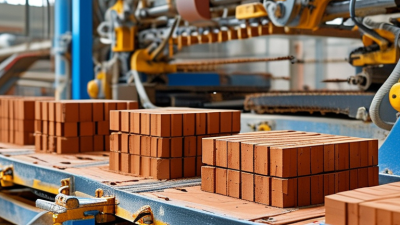
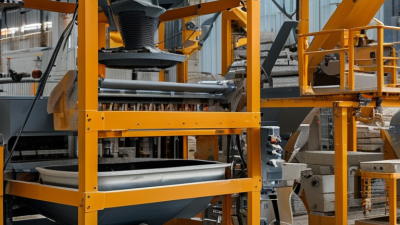
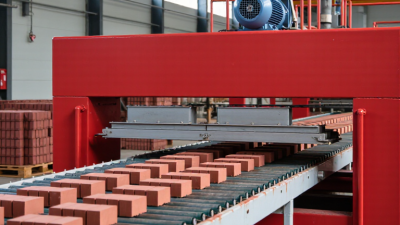
Picking out the best Brick Production Line manufacturer in China isn't just about comparing prices—it’s a bit more complicated than that. Sure, some factories will have slick videos showing off their setups, but the real story depends on the engineering details, quality of parts, and how good their after-sales support actually is. When you're shopping around, make sure to look into their production capacity, the size and shape of the bricks, how automated their process is, how much energy they use, and whether their equipment suits your local conditions. All these little things really add up and impact your daily output.
Usually, experienced manufacturers will share detailed technical drawings, perform factory testing, offer operator training, and guide you on spare parts. Don’t hesitate to ask for references from other plants making similar bricks—seeing is believing. Visiting a real production site is way more insightful than just looking at a brochure. Watch how they feed the materials, check for vibration stability, see how they change molds, and observe how they control curing and inspect finished products. A tiny delay in this kind of setup can end up costing a lot when they’re running continuously.
Now, about searching—people often get caught up in terms like “Ecp Production Line” when they actually mean a specific type of equipment or a certain supplier. Double-check the terminology before requesting quotes—trust me, it saves a lot of headaches later on. Good companies will be honest about what they can and can't deliver, instead of promising the moon. Their proposals should include things like the motor brands, control systems, warranty info, maintenance plans, and who’s responsible for installation. Looking at independent testing results can boost your confidence, but make sure to verify the credibility of those tests.
And here’s the thing—what looks like the cheapest option is rarely the safest choice. But that doesn’t mean you should automatically go for the priciest either. It really comes down to making smart judgments. A thorough evaluation should consider the total cost of ownership, the level of technical support, environmental impact, and how easy it is to upgrade later on. Visiting the manufacturer, testing samples yourself, and having clear written contracts can help avoid surprises. Even if you’re experienced, don’t forget to think about things like local climate, raw material quality, or workforce skills—that can make a big difference and shouldn’t be overlooked when choosing a Chinese supplier.
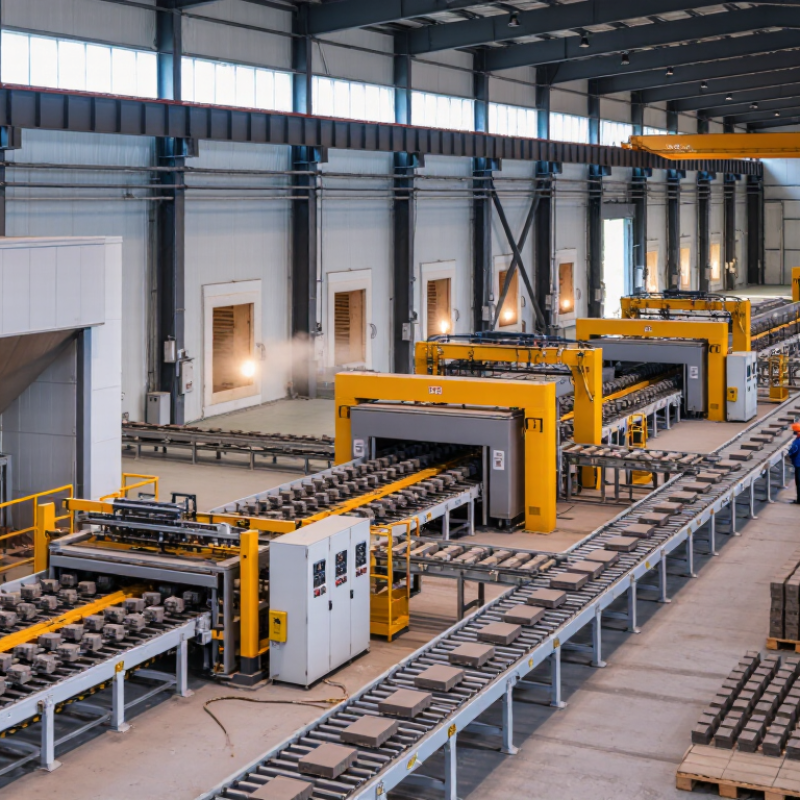
A brick production line turns prepared raw materials into uniform units through several connected stages. It starts with soil. A feeder meters clay or other suitable material into a crusher, where oversized pieces are reduced. Screens help remove stones, while a mixer blends the material with water until its texture is workable.
Then comes forming. Depending on the brick type, a press compacts the mix in moulds, or an extruder pushes it through a shaped die. A cutter divides the extruded column into bricks. Fresh units move to a dryer, where controlled heat and airflow remove moisture gradually.
Uneven drying can cause cracks, so airflow and loading patterns matter. Firing follows in a kiln, with temperature and time adjusted to the raw material and product requirements. Finally, conveyors or handling equipment move finished bricks for inspection and stacking.
Not every line uses identical equipment; capacity, brick shape, fuel, and available space affect the layout. Even a well-designed line needs careful setup, and small process adjustments may still be necessary.
China’s brick production line manufacturers build several systems for different raw materials, climates, and output targets.
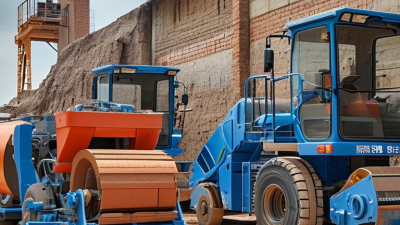
The right choice starts with the product, not the machine. Clay brick lines commonly use box feeders, crushers, mixers, vacuum extruders, cutters, dryers, and tunnel kilns. They suit plants with reliable clay supplies and controlled firing space. A tunnel kiln gives steady temperature control, but fuel use can rise when drying is poorly designed.
Concrete brick and block lines usually rely on batching, high-pressure vibration, automatic pallet handling, and curing chambers. They produce hollow blocks, solid units, curbstones, and paving products with limited thermal processing. Hydraulic pressing is another practical type for fly ash, sand, cement, or industrial mineral mixtures.
It can deliver sharp edges and consistent density when moisture stays stable.
AAC lines use slurry preparation, aluminum dosing, mold casting, cutting, and steam curing in an autoclave. They require disciplined process control and dependable steam supply.
When comparing suppliers, ask for verified output tests, mold-change time, energy data, spare-parts plans, and operator training.
Visit a running installation if possible, and inspect brick strength, dimensional tolerance, surface finish, and rejected-product rates. A lower purchase price may hide manual handling, unstable automation, or expensive kiln maintenance.
I would also test local materials before signing a final specification. Labor assumptions are easy to get wrong. A line that looks ideal on paper may need redesign after rainy-season trials or real site testing.
Evaluating Chinese brick line manufacturers requires more than comparing quotations. Check how long the factory has produced equipment and request verifiable project records. A serious supplier should explain clay preparation, extrusion, cutting, drying, and firing in clear technical language. Ask for production data, energy estimates, and acceptable moisture ranges. Vague answers deserve caution.
Visit the workshop when possible. Inspect welding quality, electrical cabinets, kiln insulation, and spare-part storage. Ask to see green bricks and fired samples from similar clay. A Brick Machine Fired Clay Brick Making Machine should produce consistent size, sharp edges, and stable compressive strength. Request a live test using your own clay. Photos are not enough.
Speak with recent customers, not only selected references. Confirm installation time, operator training, maintenance response, and actual fuel consumption. The contract should define output, testing methods, delivery terms, and warranty duties. I have seen buyers focus on machine price and overlook drying space, transformer capacity, or local technicians. That mistake is expensive. A careful evaluation also checks whether drawings, manuals, and safety documents are complete. No supplier is perfect. Even a confident proposal may contain optimistic figures, so independent testing and staged payments can protect a realistic investment.
Essential technical specifications should guide your comparison, not catalog photos. Start with stable output. A line rated at 100,000 bricks per day may achieve less with complex shapes or high moisture. Ask for tested capacity using your actual clay. Record hourly output, rejection rate, and power consumption during a continuous trial.
Moisture control matters. The JRC Reference Document on Best Available Techniques for Ceramic Manufacturing reports broad thermal energy ranges for brick production, often about 1.1–3.5 GJ per tonne, depending on raw materials and kiln design. Compare dryer temperature uniformity, air circulation, and heat recovery. A few uneven bricks can reveal weak airflow. Extrusion pressure, vacuum level, die tolerance, and cutting accuracy also need documented limits. Vague specifications deserve caution.
Kiln performance deserves close inspection. Check firing temperature stability, burner response, insulation thickness, and fuel flexibility. The UNEP 2023 Global Status Report for Buildings and Construction states that buildings and construction accounted for about 34% of global energy demand and 37% of energy-related emissions in 2022. Efficient equipment is therefore a financial and environmental issue. Request measured fuel use per tonne, not estimated savings. Examine motor efficiency, automated alarms, spare-part access, and maintenance intervals. Remote monitoring sounds useful. Sometimes it is not. Ask for service records, independent test results, and references from plants producing similar bricks. Judge the complete process, not one impressive machine.
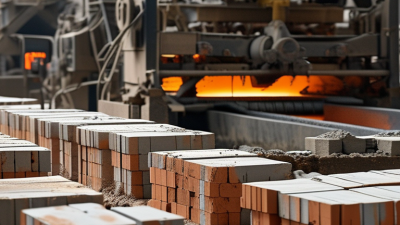
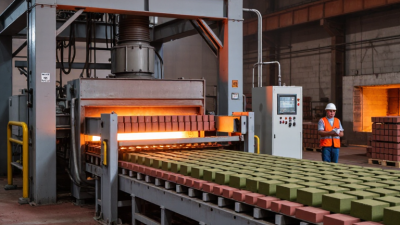
Choosing a brick production line manufacturer starts with evidence from the factory floor. Ask to see machines running, not only polished presentation videos. Watch how bricks move from mixing and forming to drying and firing. A stable Brick Kiln should maintain even temperatures across its chambers; uneven heat can leave pale, weak bricks beside overfired ones. Check welds, conveyor alignment, control panels, and spare-parts storage. Small details matter.
China Top Brick Production Line Manufacturers: How to Choose?
A quoted price tells only part of the story. Compare what each proposal includes: mixers, conveyors, molds, control systems, spare parts, and commissioning. Ask for an itemized breakdown and confirm the production capacity behind the quoted figure. A lower price may exclude essential equipment. That can make the final setup more expensive than expected.
Installation affects both cost and schedule. Check whether the supplier provides site preparation guidance, technician visits, operator training, and written commissioning criteria. For example, ask how the team handles uneven floors or a delayed power connection. If you plan to add a Brick Oven, clarify whether its layout and utility needs are included. Details get missed. I’ve seen schedules look neat on paper, then slip over one small site issue.
Tips: Request a sample service agreement before paying a deposit. Confirm response times, warranty coverage, spare-parts availability, and remote troubleshooting methods. Ask existing customers how quickly support resolved a real fault, such as a jammed conveyor or inconsistent brick dimensions. Keep the answers in writing. After-sales support sounds convincing until a machine stops.
Choosing a China Brick Maker requires more than comparing machine prices. Start with your clay, moisture level, product size, and planned daily output. Request laboratory tests using your own raw material. A reliable manufacturer should show firing curves, fuel consumption, and rejection rates from comparable projects. I would not trust showroom samples alone.
The International Energy Agency reports that cement production creates about 2.5 gigatonnes of direct CO2 emissions annually. This highlights why kiln efficiency deserves careful attention, even in brick plants. Ask for measured fuel use per 1,000 bricks, not general claims. The 2023 UNEP Global Status Report states that buildings and construction caused 37% of global energy and process-related emissions in 2022. Therefore, inspect kiln insulation, heat recovery, drying control, and dust management.
Visit an operating factory if possible. Watch the line during wet shaping, stacking, firing, and unloading. Check whether operators can adjust pressure without stopping production. Ask for a 24-hour acceptance test, spare-parts records, service response times, and electrical schematics. A serious supplier should explain maintenance intervals in plain language. Do not ignore local technicians. Their skill can decide whether a small sensor failure becomes a two-hour delay or a two-week problem. My own comparison sheet would include hidden costs, because the cheapest quotation is often incomplete. Even strong data can mislead when soil changes between seasons. Use independent inspection, written performance guarantees, and realistic production assumptions before signing.
| Evaluation Dimension | Weight | What to Check | Evidence to Request | Practical Evaluation Standard |
|---|---|---|---|---|
| Product and process fit | 20% | Confirm that the proposed line is designed for the intended brick or block type, raw materials, product dimensions, and production process. | Process flow diagram, equipment list, product drawings, and a written description of required raw-material properties. | Prefer a proposal that addresses your actual product and material tests rather than a generic equipment package. |
| Verified production capacity | 15% | Check whether quoted output refers to theoretical machine speed or saleable products produced over an agreed operating period. | Capacity calculation showing product size, operating hours, cycle time, planned downtime, and the definition of accepted output. | Compare offers using the same product, shift length, operating assumptions, and acceptance criteria. |
| Product quality and consistency | 15% | Review how the line controls dimensions, appearance, strength-related process parameters, and batch-to-batch consistency. | Quality-control plan, inspection points, sample test records, and agreed product tolerances. | Set measurable acceptance limits in the contract and verify finished products using suitable tests for the intended market. |
| Automation and staffing | 10% | Assess the extent of automatic feeding, forming, handling, curing or drying, stacking, and process monitoring. | Automation scope, control-system description, operator roles, and staffing assumptions for each shift. | Evaluate automation against local labor availability, operator skills, maintenance capacity, and the required production rate. |
| Energy and resource use | 10% | Compare expected electricity, fuel, water, and raw-material use for the same product and operating conditions. | Utility-load list, consumption assumptions, equipment ratings, and any stated consumption guarantees. | Use comparable units and operating assumptions; distinguish measured data from estimates. |
| Installation and commissioning | 10% | Clarify responsibility for layout, foundations, utilities, installation supervision, commissioning, and performance testing. | Project schedule, site-preparation requirements, commissioning plan, and allocation of responsibilities. | Ensure the quotation identifies exclusions, customer-supplied work, milestones, and the conditions for final acceptance. |
| After-sales service and spare parts | 10% | Check service availability, response arrangements, training, troubleshooting support, and spare-parts lead times. | Service terms, recommended spare-parts list, support channels, training plan, and warranty conditions. | Confirm service coverage for the installation location and identify critical parts that should be stocked locally. |
| Commercial terms and lifecycle cost | 5% | Compare the complete project cost, payment milestones, shipping scope, warranty, and expected maintenance needs. | Itemized quotation, delivery terms, payment schedule, warranty exclusions, and stated optional costs. | Compare total installed cost and ownership requirements, not just the quoted price of the main machine. |
| Documentation and compliance | 5% | Check whether technical documents and supplied equipment meet the destination site's applicable safety and import requirements. | Manuals, electrical drawings, parts lists, declared standards, and documents required for shipment and local review. | Confirm applicable requirements with the relevant local authorities or qualified compliance professionals before purchase. |
| Total evaluation weight | 100% | Score each shortlisted proposal against the same criteria, using documented evidence and clearly defined project requirements. | ||
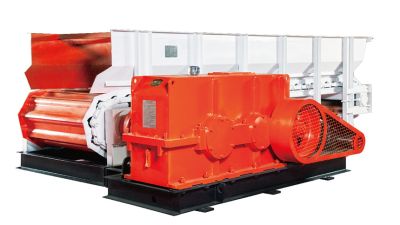
Heavy-duty steel belt board box feeders play an important role in keeping brick and tile production lines supplied with a steady flow of raw materials. Their robust structure and high traction strength help them handle demanding conveying tasks, while a durable steel belt supports consistent operation in busy manufacturing environments. By moving material reliably toward the next stage, the feeder can help reduce interruptions and keep production equipment working efficiently.
Stable, uniform feeding speeds are essential for consistent processing. Precise speed regulation allows operators to adjust material delivery to suit different extruders and production requirements, while automatic overload protection helps safeguard the equipment when operating conditions change. Designed for use with a range of raw materials and specifications, these feeders offer factories a flexible way to improve material handling and streamline their production processes.
It usually includes a feeder, crusher, screen, mixer, forming machine, dryer, kiln, conveyors, and stacking equipment. Each stage supports the next. Layout depends on brick size, capacity, fuel, and available space.
A feeder meters soil or clay into a crusher. The crusher reduces oversized pieces. Screens remove stones. A mixer adds water and creates a workable texture.
Excess water can deform fresh bricks during forming. Too little water may cause cracks. Operators check moisture by touch and instruments. Human judgment is useful, but it is not always consistent.
A press compacts the mixture inside moulds. An extruder pushes the mixture through a shaped die. A cutter then divides the long column into equal units. The best method depends on the product design.
Uneven heat or airflow can dry some areas too quickly. Poor loading patterns may create weak corners. Fresh bricks need gradual moisture removal. Small changes can matter.
Ask to see machines running on the factory floor. Check welds, conveyor alignment, control panels, and spare-parts storage. Watch the full material flow. A polished video proves very little.
No. Certifications support a quality claim, but they do not guarantee performance at your site. Verify the certificate, equipment, issuer, and test records. Local clay and moisture may still create surprises.
Request an itemized list covering mixers, conveyors, moulds, controls, spare parts, installation, and commissioning. Confirm the stated capacity and working hours. A low price may exclude essential equipment. That becomes expensive later.
Confirm site preparation guidance, technician visits, operator training, warranty terms, and response times. Ask how support handles a jammed conveyor or uneven brick dimensions. Keep commitments in writing. Plans can slip.
Choosing the right Brick Production Line manufacturer in China begins with understanding how the line works, from raw-material preparation and forming to drying, firing, and finished-product handling. Compare suitable line types according to your products, production capacity, available fuel, site conditions, and level of automation. Evaluate manufacturers by reviewing their engineering experience, factory capabilities, quality-control procedures, certifications, and ability to deliver reliable equipment.
Before making a decision, compare key specifications such as output, energy consumption, automation, component quality, and flexibility for future needs. Look beyond the quoted price to assess installation, commissioning, staff training, spare-parts availability, warranty terms, and after-sales response. A practical choice balances technical suitability, dependable manufacturing, transparent costs, and long-term support. Request detailed proposals, verify production claims where possible, and compare offers against the same requirements to select a manufacturer that fits your project.