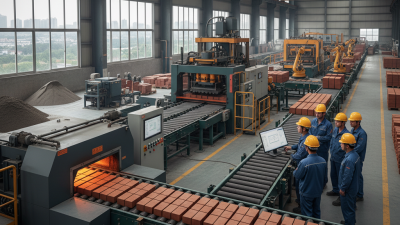
Picking the right tunnel dryer for brick production isn't just about ticking a box; it’s really key to boosting both efficiency and the quality of your final products. The global brick market, which hit around $200 billion back in 2022, is only expected to grow from here, so having the right equipment makes all the difference. A solid tunnel dryer can even cut down energy usage by about 30%, based on industry reports — pretty impressive, right? Of course, you want a dryer that keeps things consistent and meets your production standards without breaking down or causing issues.
That’s why investing in a good Clay Brick Drying Machine Tunnel Dryer is so important. They give you that even drying and help prevent cracks during curing — saving you headaches and waste. But not all dryers are created equal. When choosing one, you should really think about things like how much it can handle, how energy-efficient it is, and how much maintenance it’ll need down the line. Skimping on quality can end up costing you more in the long run since inefficient dryers tend to eat up more energy and can drive up operational costs.
A lot of manufacturers struggle with picking the right model—if it’s too small, production can slow down; if it’s too big, you're just wasting resources. Taking the time to compare different options helps you make smarter choices. The right tunnel dryer can really smooth out your production process, help keep the high quality of your bricks, and cut down on waste. Bottom line? Choose wisely, and it’ll pay off in more efficient, cost-effective production all around.
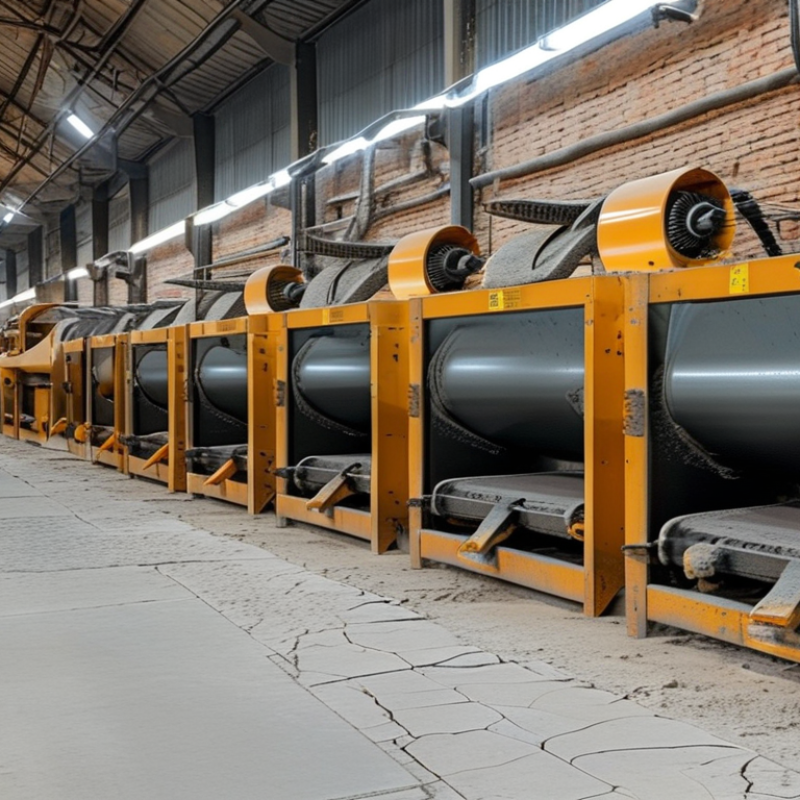
Understanding the Role of Tunnel Dryers in Brick Production
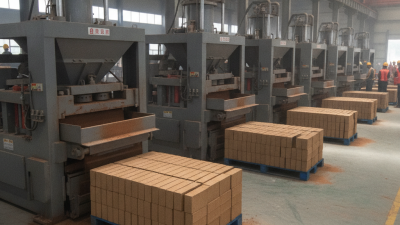
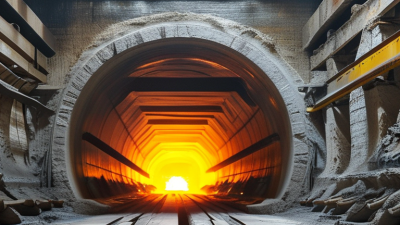
Tunnel dryers play a crucial role in the brick production process. These machines ensure that clay bricks are dried evenly and efficiently. Proper drying prevents defects like cracks and warping, which can ruin a batch. The heart of any brick production line often lies in its drying system.
When selecting a tunnel dryer, consider its capacity and efficiency. A dryer that handles large volumes of clay bricks can significantly boost production. Look for features that enhance energy efficiency as well. Consistent drying temperatures are essential. Inadequate drying can lead to structural issues in the final product.
**Tips:** Always check the materials used in tunnel dryer construction. Durable materials enhance the dryer’s lifespan. Maintenance routines should not be overlooked. Regular checks can identify problems early, preventing costly downtimes. Reflect on your production needs. Sometimes a more extensive system seems appealing but may not fit your current scale.
Investing in a quality drying machine is vital. The right tunnel dryer isn't just a purchase; it's a step towards higher quality clay bricks. Ensure you are informed about different models and their specific benefits. Proper research can lead to informed decisions that benefit your production line significantly.
Efficiency Comparison of Different Tunnel Dryer Models for Brick Production
Key Features to Consider in Tunnel Dryers for Brick Manufacturing
Choosing the right Tunnel Dryer for brick production is critical. The efficiency of a tunnel dryer directly impacts the overall production timeline and product quality. One key feature to consider is the drying capacity, which often depends on the design and technology used. Expert reports indicate that modern tunnel dryers can achieve drying rates of 5-10% moisture reduction per hour. When selecting a dryer, ensure that it aligns with your daily production goals.
Another important aspect is energy consumption. Data illustrates that tunnel dryers with advanced heat recovery systems can reduce energy costs by around 30%. This feature plays a vital role in maintaining operational efficiency. Furthermore, consistent airflow and temperature control contribute to uniform drying. Irregularities in these factors can lead to defective bricks and increased waste.
It's essential to also examine the user interface and maintenance requirements. Some tunnel dryers might appear efficient but can present challenges in operation or require frequent repairs. Mismanaging these elements can lead to unexpected downtimes. Thus, it is beneficial to seek feedback from current users and industry professionals. Their insights can reveal potential pitfalls in certain models, helping you make a more informed choice.
Comparing Different Types of Tunnel Dryers for Efficiency and Quality
When it comes to brick production, choosing the right Tunnel Dryer Machine can be a game changer. Different types of tunnel dryers offer varying levels of efficiency and quality. For instance, traditional dryers are reliable but may fall short in energy efficiency. In contrast, advanced models use improved airflow and temperature control. They ensure bricks achieve ideal moisture levels faster.
Consider the materials used in the tunnel dryer machine's construction. A well-built system can withstand high temperatures and humidity. Stainless steel components often provide enhanced durability. Some models may struggle with thermal insulation, leading to energy losses. Evaluating energy consumption patterns is vital for operational success.
Furthermore, the drying cycle duration can differ significantly among dryers. Longer cycles may be necessary for thicker bricks. However, too much time in the dryer can compromise overall quality. A balance between drying speed and product integrity is essential. Testing other machines in practice is invaluable. Observing real-world performance can expose hidden inefficiencies. This reflection can lead to better decision-making when selecting a tunnel dryer machine.
Evaluating Energy Consumption and Sustainability in Tunnel Dryers
When evaluating the energy consumption of tunnel dryers, several factors come into play. The efficiency of the heating system is crucial. A well-designed tunnel dryer minimizes heat loss while ensuring uniform drying. However, achieving this requires careful monitoring of energy use over time. Overconsumption can lead to increased operational costs and environmental impact.
Sustainability is another key consideration. Utilizing renewable energy sources can significantly reduce the carbon footprint. However, not all tunnel dryers are designed with sustainability in mind. It’s essential to assess how the choice of materials and manufacturing processes affects environmental performance. A well-rounded approach considers life cycle analysis for the entire brick production process.
Despite advancements, there are challenges. For instance, high initial costs can deter operators from investing in energy-efficient models. Additionally, regular maintenance is necessary for optimal performance, which can be overlooked. Reflecting on these factors can guide brick producers in making informed decisions about their tunnel dryers, balancing efficiency with sustainability objectives.
Assessing Production Capacity and Space Requirements for Installation
Considering the installation of a tunnel dryer for brick production requires careful assessment of production capacity and space requirements. Evaluating your production capacity helps determine the type of dryer needed. This influences the drying speed and efficiency. A dryer that is too small may lead to bottlenecks. On the other hand, an oversized dryer wastes energy and space.
Space is another critical aspect. Tunnel dryers can vary significantly in size. You need to analyze your facility layout. Is there room for expansion? Will the dryer fit without obstructing workflow? Consider future growth when making your decision. Remember, improper installation can lead to operational inefficiencies.
When reviewing these factors, engage with industry experts. Their insights can prove invaluable. It's essential to rely on experienced voices rather than your guesses. However, don't overlook ongoing maintenance needs. A dryer that meets current requirements may not hold up over time. Hence, being thorough now can prevent future issues. Balancing capacity and space takes effort, but it’s crucial for optimal production efficiency.
How to Choose the Best Tunnel Dryer for Brick Production
| Model |
Production Capacity (Bricks/Hour) |
Length (m) |
Width (m) |
Height (m) |
Energy Consumption (kWh) |
| Model A |
5000 |
30 |
4 |
3 |
200 |
| Model B |
7000 |
35 |
4.5 |
3.2 |
250 |
| Model C |
6000 |
32 |
4.2 |
3.1 |
220 |
| Model D |
8000 |
40 |
5 |
3.5 |
300 |
Maintenance and Operational Considerations for Long-lasting Tunnel Dryers
Choosing the right tunnel dryer for brick production involves careful consideration of maintenance and operational factors. Regular upkeep is crucial. Neglecting maintenance can lead to reduced efficiency and increased costs. Reports indicate that a well-maintained tunnel dryer can operate at up to 85% efficiency, while poorly maintained systems may drop to 60% or lower.
Routine inspections should be a priority. Focus on key components such as heating elements and conveyor belts. These parts are often the most vulnerable. Dust accumulation can cause overheating. Regular cleaning schedules can mitigate this.
Training operators is equally important. Well-informed staff can identify issues early. Knowledgeable teams often reduce downtime by 30%. They ensure that production remains consistent and efficient. Implementing predictive maintenance strategies can provide valuable insights. This approach uses data analytics to anticipate potential failures. By addressing these proactively, brick manufacturers can enhance reliability and extend the lifespan of their tunnel dryers.
Selecting the Right Supplier and Support for Tunnel Dryer Solutions
Choosing the right supplier for tunnel dryer solutions is crucial for brick production. A reliable supplier can impact efficiency and cost. Look for suppliers with experience in the industry. They should have a track record of successful installations. This expertise assures you they understand the unique challenges of brick production.
Tips: Research potential suppliers carefully. Ask for references from previous clients. An established supplier will happily share their success stories. Assess the level of technical support they provide. Good support can help you navigate any issues that arise.
Consider the availability of spare parts and maintenance services. The right supplier should offer these essential services. This can minimize downtime during production. Reflect on your specific needs and expectations. Poor alignment can lead to costly setbacks. Make sure that communication lines are open. This fosters a stronger partnership and enhances reliability over time.
FAQS
: Tunnel dryers ensure clay bricks are dried evenly and prevent defects like cracks and warping.
Consider the dryer’s capacity and efficiency to handle your production volume effectively.
Energy efficiency can significantly reduce operating costs and improve the overall sustainability of your production.
Always check for durable materials in the construction for better lifespan and performance.
Regular maintenance checks are crucial to identify issues early and prevent costly downtimes.
Look for suppliers with industry experience, successful installations, and reliable technical support.
Quality support can help you address problems quickly, minimizing disruptions in your production line.
Misalignment with supplier capabilities and your production needs can lead to costly delays and setbacks.
Keep communication lines open to foster reliability and mutual understanding.
Yes, a quality drying machine is essential for producing higher quality clay bricks.
Conclusion
When selecting a Tunnel Dryer for brick production, it's essential to understand its critical role in the manufacturing process. The effectiveness of a tunnel dryer significantly influences the quality and efficiency of the final product. Key features to consider include energy consumption, sustainability, and the overall production capacity. Additionally, it's crucial to assess the installation space requirements to optimize workflow.
Furthermore, evaluating the different types of tunnel dryers available can help in determining which model best suits specific production needs. Regular maintenance and operational practices also play a vital role in ensuring the longevity of the tunnel dryer. Finally, choosing the right supplier who can provide adequate support and solutions is fundamental for a successful investment in tunnel dryer technology for brick manufacturing.