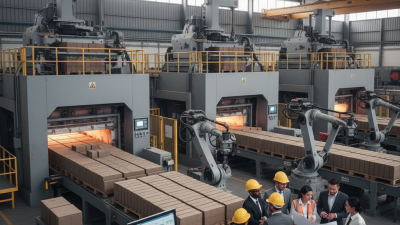
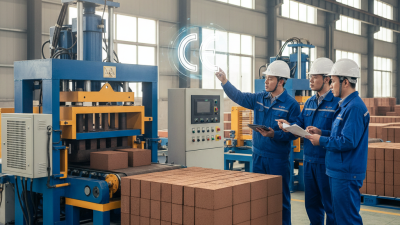
In the fast-changing world of construction, picking the right Clay Brick Production Line isn’t something to take lightly if you want to succeed. Industry expert John Smith from BrickTech Solutions points out how important this decision really is: “A good production line can seriously boost both quality and efficiency.” Of course, making the right choice means you need to understand exactly what your business needs, the scale of production you're aiming for, and what technologies are out there.
Not all production lines are the same. Take the Ecp Production Line, for example. It’s packed with cutting-edge automation, but honestly, that might be more than some smaller businesses actually need. It’s really about matching the machinery to what your operation requires so you get the best results without overspending. And hey, it’s worth remembering that those initial costs can add up — sometimes people end up paying for features they never even use!
Talking with suppliers, getting advice from folks who know their stuff, and carefully checking out different options is super important. You’ve got to evaluate the tech and capacity practically — no point dreaming about the perfect line if it doesn’t fit your current setup. In the end, taking a thoughtful approach when choosing a Clay Brick Production Line can open doors for growth and innovation. Just find that sweet spot between what you need and what’s available, and you’ll be well on your way to building a solid, successful brick production process.
Understanding Your Clay Brick Production Requirements
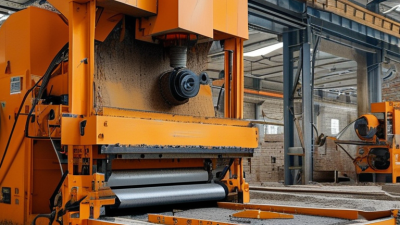
When selecting a clay brick production line, understanding your specific production requirements is vital. Consider the scale of your operations. Are you a small business or a large manufacturer? Your needs will dictate the size and capacity of the Brick Machine Fired Clay Brick Making Machine you choose. This machine will significantly impact your production efficiency and output quality.
Next, think about the type of bricks you want to produce. Different markets require different specifications. For example, lightweight bricks may be necessary in some areas, while others require durable, heavy-duty options. Understanding these nuances can help you choose a machine that aligns with your goals. It’s essential to consult with industry experts or conduct detailed research to avoid common pitfalls associated with machine selection.
Finally, do not underestimate the importance of reliability and after-sales support. A good production line is not just about the initial purchase. Consider the service and maintenance support your supplier offers. Will you have access to spare parts? Is training available? A thoughtful assessment can prevent future frustrations. Even with the perfect specifications, a lack of support can lead to operational challenges.
Evaluating Different Types of Clay Brick Production Technologies
When evaluating clay brick production technologies, understanding the various options is crucial. Traditional Clay Brick Kilns remain popular due to their simplicity and established processes. However, advancements in technology provide alternatives that may offer better efficiency. For instance, tunnel kilns can improve production rates significantly. They often achieve higher energy efficiency, with studies indicating a reduction in fuel consumption by up to 30%.
Another consideration is the implementation of rigid brick setting systems. These systems can optimize the use of kiln space and reduce labor costs. Interestingly, reports suggest that modern kiln designs can enhance brick quality, reducing cracking rates by 15-20%. Innovations are not without challenges. Many manufacturers still struggle with adapting to new technologies due to initial costs and required skill sets.
In addition to production methods, it's essential to assess the lifecycle impact of the chosen technology. Some systems may produce higher emissions, raising environmental concerns. Industry data highlights that transitioning to cleaner technologies can lower carbon output by 50%. This highlights the complexity in selecting the right clay brick production line, balancing efficiency, cost, and environmental implications. Understanding these factors can lead to well-informed decisions that align with specific production needs.
Comparing Automated vs. Manual Clay Brick Production Lines
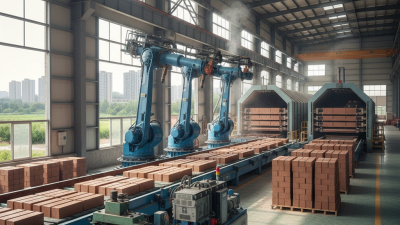
Choosing between automated and manual clay brick production lines can be challenging. Automated systems offer high efficiency, significantly impacting production rates. Reports indicate that automated lines can boost output by up to 30% compared to manual lines. This enhanced productivity can lead to substantial cost savings, particularly for large-scale manufacturers.
Manual lines require less initial investment and afford greater flexibility. However, the labor costs and slower output may not provide the best return on investment in the long run. According to industry analyses, fully manual systems may result in 40% lower production speeds. Operators might find themselves under pressure to maintain quality, leading to inconsistencies in brick size and strength.
Tip: Assess your production volume needs before choosing. Calculate how many bricks you need daily to meet customer demands. For companies just starting, a semi-automated approach may provide a good balance. This option allows a gradual shift from manual labor to automation without overwhelming costs or operational complexities. Always consider the long-term implications of your choice, as switching systems later can be costly.
How to Choose the Best Clay Brick Production Line for Your Needs?
| Dimension |
Automated Production Line |
Manual Production Line |
| Initial Investment Cost |
High |
Low |
| Production Efficiency |
High (up to 3000 bricks/hour) |
Low (up to 800 bricks/hour) |
| Labor Requirement |
Low (5-10 workers) |
High (20-30 workers) |
| Quality Consistency |
Very High |
Variable |
| Maintenance |
Requires specialized skills |
Less specialized, easier to maintain |
| Flexibility |
Less flexible (specific models) |
Highly flexible (varied designs) |
Assessing Energy Efficiency in Clay Brick Production Equipment
When considering energy efficiency in clay brick production equipment, it’s essential to evaluate the technology used in the process. Energy-efficient machines reduce overall costs and minimize carbon footprints. A modern Clay Brick Maker can utilize advanced technology like regenerative kilns. These kilns recycle heat, which leads to significant savings over time.
Assessing energy efficiency also involves analyzing the production line’s requirements. Each clay brick maker operates differently, and the energy consumption varies accordingly. Look for equipment that matches your specific production capacity. High-efficiency motors and variable-speed drives can help improve energy usage.
Tips: Regular maintenance of your equipment is crucial. It can prevent inefficiencies and reduce energy waste. Investing in real-time monitoring systems can provide insights into energy consumption patterns. Additionally, consider employee training on energy-efficient practices to enhance productivity. Every step counts towards sustainable production.
Identifying Key Features of a Reliable Production Line
When selecting a clay brick production line, key features are crucial for success. A reliable production line should ensure consistent quality and efficiency. According to a report by the International Brick Manufacturers Association, 75% of brick producers identified automation as a pivotal feature. Automated systems enhance production rates and reduce labor costs by up to 40%.
Another important aspect is energy efficiency. A recent study indicated that energy-efficient production lines can lower operational costs by nearly 30%. This is significant, especially in an industry where energy consumption accounts for a large portion of expenses. Examining the energy ratings and certifications of machinery can provide insights into long-term savings.
Additionally, consider the machine's adaptability. Flexibility is vital as market demands change. For instance, a production line that can handle various clay types or alter brick dimensions offers a competitive edge. It is essential to evaluate how well a production line can adapt to future needs. Always remember that a highly efficient system will still require regular maintenance, which can add another layer of cost and complexity.
Budget Considerations: Cost vs. Value in Production Lines
When evaluating a clay brick production line, budget considerations play a critical role. It’s not just about the initial cost. You might find lower prices attractive, but consider the long-term expenses too.
Maintenance can add up over time. Investing in a high-quality Clay Brick Machine may seem expensive upfront, but it can save you money on repairs and downtime later.
The value of a production line often reflects its performance and durability. A cheaper machine may produce lower-quality bricks, leading to potential losses. Reflecting on operational efficiency is essential.
Are you getting the output you need? Is the machine energy-efficient? These factors affect your bottom line in the long run.
Before making a decision, weigh the cost against the value. A well-rounded assessment can help ensure you choose a dependable machine that meets your production needs. The right balance could enhance your business’s profitability.
Always remember that short-term savings can sometimes lead to higher long-term costs.
Seeking Expert Advice and Reviews on Production Equipment
When selecting the best clay brick production line, expert advice plays a crucial role. Professionals often recommend assessing your production capacity needs thoroughly.
According to a recent industry report, facilities with a daily output of 20,000 bricks benefit from sophisticated automation. Automation enhances consistency and reduces labor costs. Yet, not every business requires high-end, automated solutions.
Consultants frequently emphasize the importance of evaluating equipment based on operational efficiency. Details such as energy consumption and waste management are vital. Reports indicate that over 30% of production waste stems from poorly calibrated machinery. While many producers aim for high output, efficiency also reflects in lower operational costs.
Industry analysis shows that maintaining an updated line can improve productivity by 25%. However, many overlook regular maintenance. A lack of upkeep can lead to costly downtimes and reduced quality. Seeking expert reviews of production equipment ensures you invest wisely. Engaging with professionals who assess the nuances of different lines provides clarity in decision-making. Their insights can save substantial amounts in the long run.
FAQS
: Traditional kilns are popular for their simplicity. Tunnel kilns are gaining attention for improved efficiency.
Tunnel kilns can increase production rates. They may reduce fuel consumption by up to 30%.
Many manufacturers face high initial costs. Adapting to new technologies also requires specific skills.
Some systems produce higher emissions. Transitioning to cleaner technologies can lower carbon output by 50%.
Automated lines boost output by up to 30%. Manual lines offer flexibility but result in lower production speeds.
Assess daily brick needs to meet demand. A semi-automated approach may balance flexibility and costs.
Consistent quality and efficiency are vital. Automation can reduce labor costs significantly.
Energy-efficient lines can lower operational costs by nearly 30%. This is crucial for managing expenses.
Flexibility to handle various clay types is essential. Adaptable systems can gain a competitive edge.
Even efficient systems need upkeep. Maintenance adds to costs but ensures long-term reliability.
Conclusion
Choosing the best Clay Brick Production Line involves a comprehensive understanding of your specific production requirements and the evaluation of various technologies available. It's essential to compare automated versus manual production lines, considering factors such as efficiency, labor requirements, and output quality. Furthermore, assessing the energy efficiency of the production equipment can significantly impact operational costs, making it a crucial consideration.
Identifying key features that contribute to the reliability of a production line is also vital. Potential buyers should weigh budget considerations carefully, balancing cost with the value provided by the technology. Seeking expert advice and reliable reviews can further guide your decision-making process, ensuring that you invest in a Clay Brick Production Line that meets your operational needs and budget constraints.