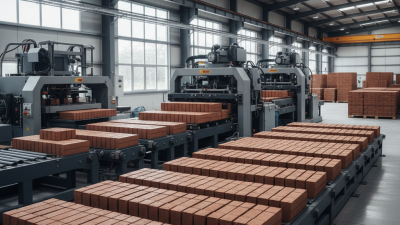
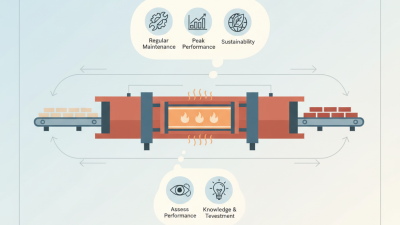
Picking the right Clay Brick Manufacturing Plant really can make a big difference for your business. Industry expert Dr. James Thornton from BrickTech Solutions puts it pretty plainly: Selecting the right plant is key to making good quality bricks. a0His insights help shed some light on what you should consider before making the leap.
When you're checking out different clay brick plants, don b4t forget to look at their tech. Using the latest machinery really helps keep things consistent and efficient. A well-designed Brick Kiln Plant can boost your production and cut down on waste—that’s a game changer. Also, think about where the plant is located. Being close to raw materials can save you a bunch on transportation costs. But, at the same time, you should weigh the logistics and how reliable the supply chain really is.
And don b4t overlook the reputation of the plant either. Customer reviews and industry certifications can tell you a lot. A trusted plant usually shows proven results and a real commitment to quality. Oh, and make sure to consider after-sales support—having a plant that offers ongoing assistance can really help keep your operations smooth sailing. Bottom line, choosing a Clay Brick Manufacturing Plant isn b4t just a business decision; it actually affects how good your final products will be.
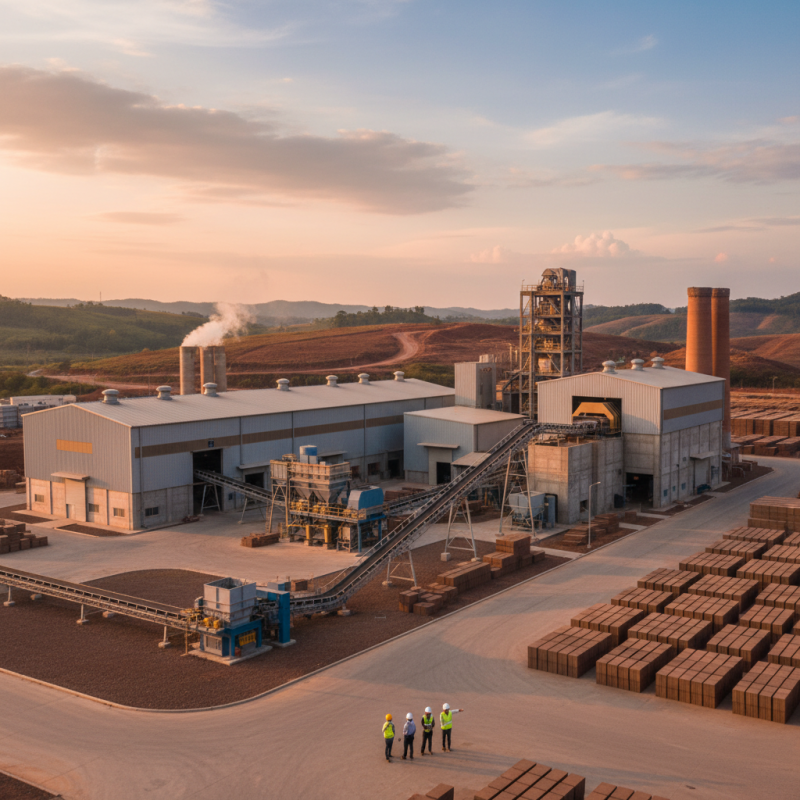
Understanding the Importance of Selecting the Right Clay Brick Plant
Choosing the right clay brick manufacturing plant is crucial. A well-selected plant enhances production efficiency and ensures high-quality bricks. Notably, up to 70% of brick production costs can be attributed to plant choice and technology involved. The right equipment and processes minimize waste and optimize energy use.
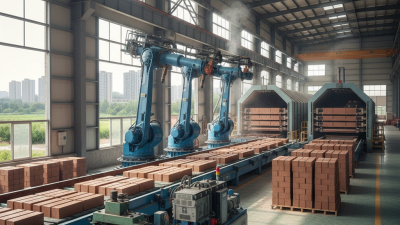
In the industry, the concept of an "Auto Brick Plant" has gained traction. These plants utilize automated processes, which significantly reduce labor costs. According to the International Brick Industry Association, automated systems can boost production capacity by nearly 30%. However, selecting a fully automated plant requires careful consideration of initial investment versus long-term gains.
Understanding the local market is vital. Many regions have specific clay types, which can influence production techniques. A plant that isn't suited to local materials may face operational inefficiencies. New data suggests that around 40% of brick manufacturers struggle with quality control, often due to poor material alignment with plant capabilities. Thus, thorough research and analysis are vital in your selection process.
Clay Brick Manufacturing Plant Comparison
This chart compares various factors important for selecting a clay brick manufacturing plant, including Production Capacity, Quality Control, Technology, and Cost Efficiency.
Key Factors to Consider When Choosing a Manufacturing Facility
Choosing the right clay brick manufacturing plant requires careful consideration of several key factors. Location is crucial. Proximity to raw materials, transportation networks, and target markets can significantly impact efficiency. Assessing these logistical aspects helps in reducing operational costs.
When evaluating a manufacturing facility, the technology used is another important factor. Advanced machinery can enhance production speeds and ensure consistent quality. Understanding the technology in place is essential, as outdated equipment can lead to lower output and higher maintenance costs.
Tips: Check for certifications. A facility with recognized quality standards demonstrates reliability. Engage with the team. Experienced staff can provide insights into operational practices. Inspect the plant. A visit can reveal the condition of machinery and overall workflow.
In the end, the choice of a Brick Making Plant influences not only production but also your brand reputation. It requires more than just cost considerations; a well-thought-out evaluation process can lead to better decisions. Always be open to reassessing your criteria.
Evaluating the Location and Accessibility of the Brick Plant
When selecting a clay brick manufacturing plant, location and accessibility play crucial roles. An ideal site should be close to raw material sources. For instance, the proximity to clay deposits can reduce transportation costs. A study by the Brick Industry Association indicates that logistics expenses can account for 30% of total production costs. Therefore, assessing local resources is essential for operational efficiency.
Accessibility is equally important. Ensure the plant has easy access to major transportation routes. This can facilitate the distribution of finished products to markets. A report from the American Society of Civil Engineers highlights that inadequate infrastructure can lead to delayed deliveries, affecting customer satisfaction. Additionally, consider the availability of skilled labor in the area. A lack of qualified workers can hinder production, despite a well-located plant.
However, not all locations are perfect. Some sites may offer low raw material costs but suffer from poor infrastructure. Others may have excellent access to transportation but higher operational costs. It's vital to weigh these factors carefully. A location may seem advantageous at first glance but may require further analysis to uncover hidden drawbacks, necessitating a thorough evaluation of all aspects before making a decision.
Assessing the Technology and Equipment Used in Production
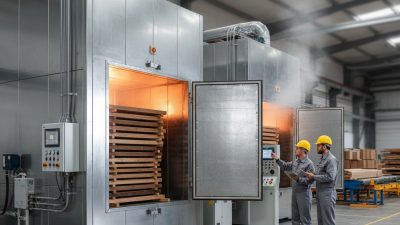
When selecting a clay brick manufacturing plant, technology and equipment play a crucial role. Advanced machinery can significantly enhance production efficiency. According to a 2022 industry report, plants utilizing automated shaping and drying systems can increase output by up to 40%. These innovations reduce labor costs and minimize human error in the production process.
Choosing equipment that aligns with your production needs is vital. Factors like energy consumption, maintenance costs, and production capacity matter deeply. For instance, modern kilns with better insulation can lower fuel usage by nearly 25%, leading to cost savings. However, initial investments in cutting-edge technology can be high. Many facilities grapple with the decision of whether to upgrade or maintain older equipment, often resulting in operational inefficiencies.
It's essential to assess the plant's track record in adopting modern technologies. An expert study from the International Brick Association noted that plants investing in research and development report higher productivity levels. Yet, some manufacturers remain hesitant to adopt new processes. This reluctance can stem from past failures or the fear of integrating unfamiliar technologies. Hence, it’s crucial to weigh both the potential benefits and the risks associated with any technological shift.
How to Choose the Best Clay Brick Manufacturing Plant? - Assessing the Technology and Equipment Used in Production
| Criteria |
Description |
Importance Level |
Rating (1-5) |
| Production Technology |
Advanced technology such as automated production lines, energy-efficient kilns, etc. |
High |
4 |
| Quality Control |
Implementing strict quality control measures to ensure product standards. |
High |
5 |
| Raw Material Source |
Availability and quality of clay and other raw materials. |
Medium |
4 |
| Manufacturing Capacity |
Monthly production capacity to meet market demand. |
Medium |
3 |
| Sustainability Practices |
Commitment to eco-friendly practices and resource management. |
High |
4 |
| After-Sales Support |
Availability of maintenance and technical support. |
Medium |
3 |
Analyzing the Experience and Reputation of the Manufacturer
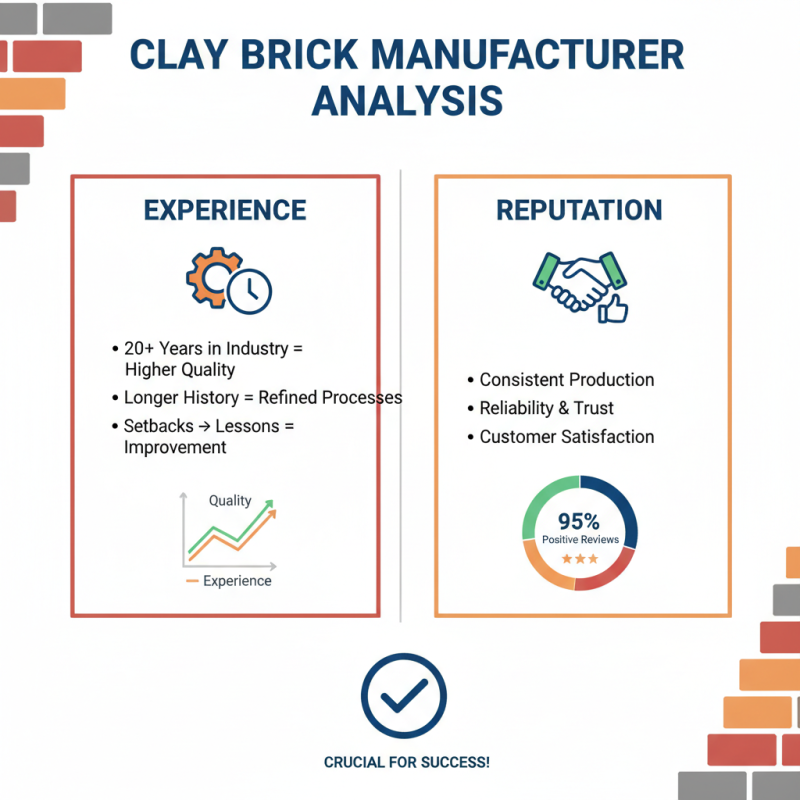
Choosing the right clay brick manufacturing plant is crucial for success. A thorough analysis of the manufacturer’s experience and reputation is essential. Research shows that production quality and consistency often correlate with the manufacturer’s history in the industry. According to recent industry reports, companies with over 20 years of experience tend to deliver higher-quality products. Their setbacks often become valuable lessons, helping them refine their processes.
Reputation plays a vital role. Engage with previous clients to gauge satisfaction levels. Word-of-mouth references can reveal truths not found in marketing materials. The latest industry survey indicates that 70% of clients would stick with a manufacturer boasting positive feedback and case studies. It reflects a company’s ability to meet client needs effectively over time.
Some manufacturers may have impressive sales pitches but lack execution. A strong online presence doesn't always equate to reliability. Look for certifications and third-party assessments, which provide an objective view of a manufacturer's capabilities. It’s critical to pinpoint any red flags in a company’s history. Make sure to balance credibility with a sense of caution in your selection process.
Exploring Financial Aspects: Cost vs. Quality of Clay Bricks
When considering the financial aspects of clay brick manufacturing, two key factors emerge: cost and quality. A
Tunnel Kiln Plant
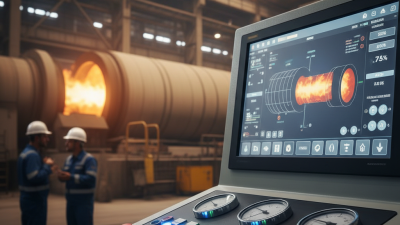
can significantly influence both. These plants utilize advanced technology for uniform heating and energy efficiency, which can reduce production costs. However,
initial setup costs may be higher than traditional methods. This balance between upfront investment and long-term savings merits careful consideration.
Quality is equally important. Bricks produced in a Tunnel Kiln Plant are often stronger and more durable. However, not all manufacturers prioritize quality. It’s important to inspect the materials and processes used. Sometimes, lower-priced options may lead to inferior bricks, resulting in costly repairs or replacements later.
Ultimately, buyers must weigh these factors. Opting for a cost-effective solution could compromise quality. Thus, conducting thorough research on manufacturers is wise. Inspecting production facilities can reveal a lot about their commitment to quality.
Quality assurance measures should be standard practice, not a bonus. Investing time and resources upfront often pays off in the long run.
Reviewing Customer Service and Support from the Manufacturer
When choosing a clay brick manufacturing plant, customer service and support must be a priority. A responsive team can make a significant difference. If questions arise about operations or technical aspects, swift answers are crucial. Look for indicators of effective communication. Prompt responses show commitment to customer satisfaction.
It's also worthwhile to evaluate the support available post-purchase. Does the manufacturer provide training for operating their
Clay Brick Kiln?
Are there resources for troubleshooting? Access to technical guidance can enhance your overall experience. Additionally, understanding the warranty and service plans is essential. Knowing how long support lasts helps in planning for maintenance.
Finally, customer feedback on service quality illustrates reliability. Reading reviews can shed light on strengths and weaknesses. Customers may share experiences that reflect the manufacturer's dedication to their needs. Take note of repeated issues in customer service to gauge potential concerns. Trust in a manufacturer often stems from consistent, trustworthy support.
Optimizing Material Handling in Clay Brick Production: Insights from Industry Reports on China Box Feeder Solutions
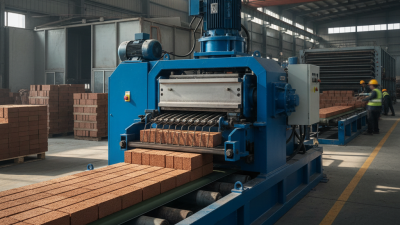
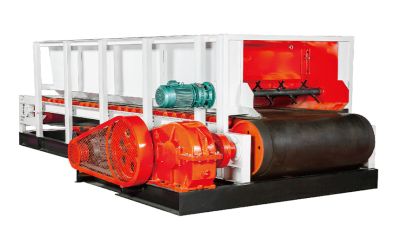
In the ever-evolving landscape of clay brick production, optimizing material handling is crucial for enhancing operational efficiency. Recent industry reports reveal that materials management significantly impacts production costs and output quality. The implementation of advanced equipment, such as the Box Feeder, emerges as a solution to streamline this process. This innovative machine not only manages the distribution of raw materials but also ensures the precise rationing necessary for optimal production.
The Box Feeder, a prominent feature in modern industrial setups, utilizes cutting-edge technology to improve material handling. By adjusting the height of the flash board and controlling the conveyor belt's speed, factories can maintain an ideal balance between pug and internal combustion materials. Reports indicate that this precise operation can reduce waste during processing by up to 15%, demonstrating a substantial cost-saving potential for manufacturers focused on efficiency and sustainability.
Furthermore, the Box Feeder plays a pivotal role in managing softer clay materials, which can be challenging to handle without proper equipment. Its design effectively crushes large soft mud, ensuring that the raw materials are consistently delivered in optimal conditions. This becomes particularly important as market demands for high-quality brick products continue to rise. As factories increasingly adopt advanced material handling solutions, insights from industry analyses point towards a significant shift in production capabilities and overall competitiveness in the clay brick manufacturing sector.
FAQS
: Location impacts efficiency and operational costs. Proximity to materials reduces transportation expenses.
Advanced machinery improves production speeds and ensures quality. Outdated equipment may increase maintenance costs.
Recognized quality standards indicate reliability. Certifications demonstrate commitment to maintaining high production practices.
Easy access to transport routes helps distribute products efficiently. Poor infrastructure can delay deliveries.
Yes, visiting the plant reveals machinery condition and workflow efficiency. Observations can inform your decision.
A lack of qualified workers can hinder production capacity. The right location should have access to skilled labor.
Some locations might have low raw material costs but inadequate infrastructure, impacting overall efficiency.
Yes, keeping an open mind can reveal better choices. Continuous evaluation leads to improved decisions.
Engaging with experienced staff provides insights into daily operations and potential productivity issues.
Delayed deliveries can frustrate customers. Reliable infrastructure is vital for maintaining good relationships with clients.
Conclusion
Selecting the right Clay Brick Manufacturing Plant is crucial for ensuring high-quality output and operational efficiency. Key factors to consider include the plant’s location and accessibility, which can significantly impact transportation costs and logistics. Additionally, it's essential to assess the technology and equipment used in production, as modern facilities often employ advanced techniques that enhance productivity and product quality.
Moreover, evaluating the experience and reputation of the manufacturer helps in determining reliability and service quality. Financial considerations play a vital role as well; it’s important to balance cost against the quality of clay bricks produced. Lastly, strong customer service and support from the manufacturer are invaluable for addressing issues and ensuring ongoing satisfaction. By carefully considering these elements, one can make an informed decision when choosing a Clay Brick Manufacturing Plant.