Picking the right Clay Brick Manufacturing Plant isn’t just some small detail—it’s actually a pretty big deal for your business. This choice can totally influence how good your products turn out and how smoothly things run on a day-to-day basis. There are quite a few things you should keep in mind to make sure you’re making a smart choice.
When you’re looking into different plants, don’t forget to check out their tech. For example, an automatic clay brick plant can often give you better efficiency and more consistent results. Take a close look at their machinery—what specs do they have, and how automated is the process? Usually, more advanced tech means less waste and a boost in productivity, which is pretty important.
It’s also a good idea to visit the plants in person if you can. Watching how they operate gives you a real feel for things—see how the workflow flows and how the staff handles their work. Chatting with workers can give you some honest insights about how reliable the place really is. And don’t forget to look into their reputation in the industry—reviews, testimonials, or case studies can tell you a lot. All these little details can help you decide with more confidence and make sure you’re heading in the right direction.
Understanding the Basics of Clay Brick Manufacturing Processes
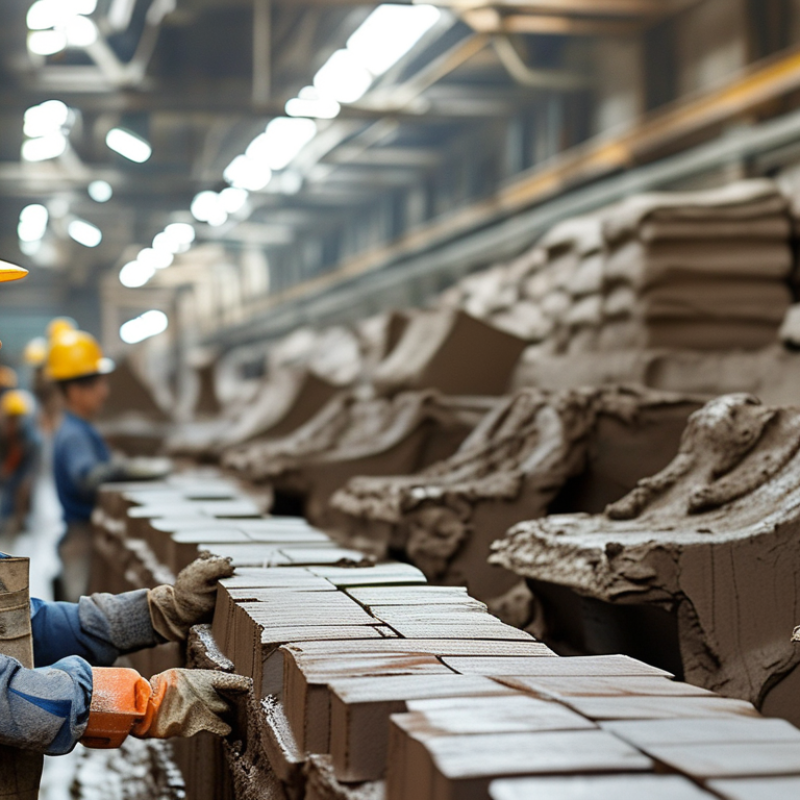
When diving into clay brick manufacturing, it's essential to grasp the core processes involved. The typical steps include clay extraction, preparation, molding, drying, and firing. Each stage plays a crucial role in determining the final brick quality. For instance, proper clay preparation ensures that impurities are eliminated, resulting in stronger bricks. Observing this process can shed light on a plant's efficiency and overall output.
Choosing an Automatic Brick Manufacturing Plant also requires attention to the technology employed. Automated systems often enhance precision and reduce waste. However, not all automation is equal. It is vital to understand the machinery and software being used. Sometimes, overly advanced technology may complicate operations rather than simplify them. Knowing what works best for your needs demands careful consideration.
Additionally, evaluating the plant’s environmental practices is vital. Sustainable methods can indicate a company's commitment to quality and responsibility. Yet, some processes might pose challenges, like excessive energy consumption. A reliable plant should balance efficiency with ecological impact, ensuring that its practices support long-term viability. Each detail can significantly influence your brick manufacturing journey, leading to informed decisions.
Key Factors in Assessing Brick Plant Location and Accessibility
Location and accessibility are critical when establishing a clay brick manufacturing plant. Proximity to raw materials like clay can significantly reduce costs. Reports indicate that transportation expenses make up about 25% of brick production costs. Access to transportation networks can streamline distribution. A site close to highways or railroads can enhance logistics efficiency.
Additionally, consider local infrastructure. Reliable utilities like electricity, water, and gas are essential for continuous operations. Some manufacturing plants have faced shutdowns due to unreliable power sources. Investigating local regulations and zoning laws can save potential legal hassles. Industry studies show that well-positioned plants increase productivity by 15% compared to those in remote locations.
Evaluate the local labor market as well. Availability of skilled workers impacts production quality. A lack of trained personnel may lead to inefficiencies. Data from industry surveys reveal that 30% of brick plants struggle with workforce shortages. Taking all these factors into account will guide your decision-making in selecting the optimal site for a Clay Brick Manufacturing Machine.
Evaluating Technological Innovations in Clay Brick Production Equipment
Choosing the right clay brick manufacturing plant involves understanding the latest technological innovations in production equipment. With the global clay brick market projected to reach USD 287 billion by 2026, staying updated on technology becomes crucial. Equipment advancements enhance efficiency and reduce environmental impacts, often dictated by factors like energy consumption, waste reduction, and automation.
Recent reports show that modern brick production can reduce energy use by up to 30% compared to older technology. Automated systems are revolutionizing the industry, increasing the consistency of brick quality. This helps manufacturers meet strict quality standards. Innovative molding techniques, like hydraulic presses, are becoming standard. These methods allow for the production of bricks with intricate designs and superior strength.
However, embracing new technology has its challenges. Initial costs can be high, and integrating advanced systems may require specialized training. Some manufacturers struggle to adapt to rapid changes in technology. Continuous evaluation and investment in R&D remain vital to maintain competitiveness in this evolving landscape.
Evaluating Technological Innovations in Clay Brick Production Equipment
Analyzing Raw Material Quality and Supply Chain Reliability
When selecting a clay brick manufacturing plant, raw material quality significantly impacts the final product. The major input in this production process is clay. Such materials should originate from reputable sources that guarantee consistency and purity. Impure clay can lead to defects in bricks, like cracking or uneven surfaces. It is crucial to conduct geological assessments and material trials before committing to a supplier. Always evaluate the physical properties of the raw clay—such as plasticity, shrinkage, and firing characteristics—to ensure they meet industry standards.
Additionally, supply chain reliability is a key factor. A dependable supply chain minimizes interruptions. Seek manufacturers who have established relationships with multiple suppliers. This strategy reduces risks associated with raw material shortages. Transportation logistics also play a role. Quick and efficient delivery of clay ensures production continuity. Regular audits of the supply process help identify potential bottlenecks. Analyzing these factors helps build a resilient operational framework. This not only enhances production capabilities but also contributes to overall quality assurance. Building these systems takes time and requires ongoing evaluation, but it is essential for long-term success.
Comparing Production Capacities: Small vs. Large Scale Plants
When choosing a clay brick manufacturing plant, understanding the production capacity is crucial. Small-scale plants often focus on niche markets and bespoke products. Their flexibility allows for customization, which can meet local demands. However, they might lack the efficiency and speed that larger operations provide. Customers may find their production times longer, which can affect project timelines.
Larger scale plants, by contrast, can produce bricks at a massive rate. They utilize advanced technology and automation in the Brick Kiln Plant, leading to a more consistent quality. Higher capacities enable them to fulfill large orders quickly. Yet, this scale may result in less personalized service. The trade-off often lies in quality versus quantity.
When evaluating plants, consider specific factors. Look into the plant’s production methods. Are they environmentally friendly? Assess the workforce skill level and the training received. Often, smaller plants have more experienced craftsmen, while larger ones may rely on fewer specialized operators. Lastly, consider the market you wish to serve. A balancing act between scale and quality is essential for long-term success.
How to Choose the Best Clay Brick Manufacturing Plant? - Comparing Production Capacities: Small vs. Large Scale Plants
| Plant Type |
Production Capacity (Units/Month) |
Initial Investment ($) |
Labor Requirement (Employees) |
Operating Cost ($/Month) |
| Small Scale |
5,000 - 20,000 |
50,000 - 200,000 |
15 - 30 |
5,000 - 15,000 |
| Medium Scale |
20,000 - 50,000 |
200,000 - 500,000 |
30 - 60 |
15,000 - 35,000 |
| Large Scale |
50,000 - 200,000 |
500,000 - 1,500,000 |
60 - 120 |
35,000 - 100,000 |
Assessing Environmental Compliance and Sustainability Practices
When selecting a clay brick manufacturing plant, sustainability and environmental compliance are critical factors. A study from the International Energy Agency noted that brick production accounts for approximately 1.5% of global CO2 emissions. This statistic underscores the importance of evaluating how a facility adheres to environmental regulations. Look for plants with certifications like ISO 14001, which indicates robust environmental management systems.
Sustainable practices can enhance production efficiency. For example, a survey by the Brick Development Association revealed that energy-efficient manufacturing processes can reduce emissions by up to 30%. Consider plants that utilize waste heat recovery systems or renewable energy sources. These technologies not only lower carbon footprints but can also lead to cost savings over time.
When assessing plants, visit their sites to observe practices firsthand. Check for proper waste management and resource recycling initiatives. Engage with employees about the plant's sustainability training programs. Observing the plant's day-to-day operations can reveal a lot about their commitment to environmental stewardship and accountability. Reflect on whether their practices align with your values regarding sustainability and responsible manufacturing.
Identifying the Plant's Industry Reputation and Customer Reviews
Customer reviews offer a valuable perspective when selecting a clay brick manufacturing plant. A solid reputation often reflects quality and reliability. Look for testimonials on various platforms. It’s essential to read both positive and negative feedback. Not all reviews are credible, so be discerning. Evaluating patterns in feedback can help identify a plant's true performance.
Industry reputation can be gauged through expert opinions. Consult resources that specialize in brick manufacturing. These sources can provide insights into specific plants and their operational standards. Engaging in industry forums may reveal hidden challenges that customers face. Sometimes, anecdotal evidence sheds light on potential issues.
When researching the Auto Brick Plant, ensure you explore a range of opinions. Past customer experiences can highlight strengths and weaknesses. It's crucial to balance optimism with realism. Reflecting on what past clients needed versus what was delivered can guide your decision-making. In a market filled with options, thorough research is necessary to avoid pitfalls.
Efficient Clay Block Production: Exploring the Advantages of the VP50 Double-Stage Vacuum Extruder from China Suppliers
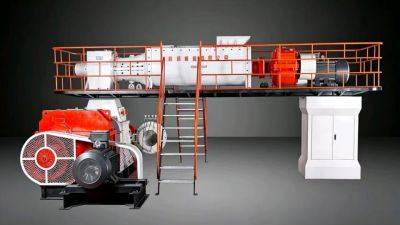
The VP50 Double-Stage Vacuum Extruder represents a significant advancement in the production of adobe bricks, specifically tailored for small and medium-sized brick factories. By integrating sophisticated double-stage vacuum technology, this machine is designed to produce high-strength, crack-resistant adobe bricks. The process effectively removes air bubbles from the raw clay, resulting in a more uniform and smooth final product that meets the demands of modern construction standards.
Equipped with a robust 500mm high-torque screw, the VP50 ensures consistent extrusion pressure, allowing for precise control over the extrusion process. This flexibility is advantageous for manufacturers who require various brick sizes, as the machine can easily adapt to different production requirements. Furthermore, its compatibility with a range of clay materials, including raw clay, loess, and silt, positions it as a versatile solution for brick suppliers aiming to boost their output and enhance overall product quality. Adopting such innovative machinery can significantly elevate production efficiency and output quality in the competitive brick-making industry.
FAQS
: Look at production capacity, environmental practices, and the plant's reputation in the industry.
Small plants offer customization but may take longer. Large plants deliver speed and consistency but less personalization.
Production contributes to CO2 emissions. Adhering to environmental regulations is essential for sustainability.
Look for certifications like ISO 14001, indicating strong environmental management systems.
Visit the site, check waste management systems, and engage with employees about training programs.
Read various testimonials, both positive and negative, to understand the plant's true performance.
Consult expert opinions and industry forums for insights into operational standards and customer experiences.
The balance often lies in quality versus quantity and the level of personalized service.
Energy-efficient methods can reduce emissions and lead to cost savings over time.
Understanding previous client needs versus delivery can help guide your decision-making effectively.
Conclusion
Choosing the right Clay Brick Manufacturing Plant involves a comprehensive understanding of the brick production process and several critical factors. First, it is essential to assess the location and accessibility of the plant, as these influence logistics and operational efficiency. Evaluating technological innovations in production equipment can significantly enhance productivity and reduce costs. Additionally, ensuring a reliable supply chain for high-quality raw materials is crucial for maintaining consistent production standards.
Another vital consideration is the production capacity, as potential buyers should weigh the advantages of small versus large-scale plants based on their specific needs. Environmental compliance and sustainability practices have become increasingly important, aligning with modern standards for eco-friendly manufacturing. Lastly, investigating the plant’s industry reputation through customer reviews helps in assessing its reliability and quality of output. This holistic approach ensures informed decision-making when selecting a Clay Brick Manufacturing Plant.