Picking the right brick production line isn’t just a minor detail – it’s a big deal for any manufacturer out there. Industry veteran John Smith, the CEO of BrickTech Solutions, really hits the nail on the head when he says, "The right setup can make or break your business." It just goes to show how crucial it is to choose equipment that lines up perfectly with your specific production needs.
When you're weighing your options, keep an eye on things like productivity, efficiency, and how adaptable the line is. Different brick types demand different specs, so a basic setup might fall short if you’re aiming for more complex designs. Maybe looking into the Ecp Production Line is worth considering — it could really give you the flexibility you need for a range of production tasks.
And hey, don’t forget to think back on your previous machines. Were there times when equipment failed you and slowed things down? Those experiences are valuable lessons — they can really help you make smarter decisions now. In the end, matching your specific needs with the right technology will give you a serious edge in the crowded brick industry.
Understanding Your Brick Production Requirements
Understanding your brick production requirements is crucial for selecting the best brick production line. Each production line offers different capabilities, so it's important to assess what you need. Consider your desired brick type and size. Are you focusing on fired clay bricks or something else? The choice of materials impacts the production process.
Next, think about your production capacity. If you plan to produce thousands of bricks a day, you'll require a machine that can handle high-volume output. A Brick Machine Fired Clay Brick Making Machine may be suitable for large-scale operations. However, smaller facilities may benefit from a more compact setup.
Evaluate your budget as well. Sometimes, a cheaper option might not meet your needs effectively. It can lead to maintenance issues down the line. Reflecting on the long-term costs versus initial investment is wise. Understanding these elements ensures that you choose wisely. Your production line should align with your specific goals and operational efficiencies.
Evaluating Different Types of Brick Production Lines
When evaluating different types of brick production lines, start by understanding your specific needs. The capacity of production lines can vary significantly. Some may produce up to 100,000 bricks per day, while others operate at a smaller scale. Consider the volume of bricks you require. Overestimating needs may lead to inefficient use of resources.
Different Brick Kilns also offer unique benefits. Tunnel kilns, for instance, provide consistent heat distribution, enhancing brick quality. In contrast, Hoffmann kilns have lower energy consumption but can be slower. Understanding these differences is essential for effective evaluation. Reports indicate that choosing the right type can reduce energy costs by up to 20%.
Don't forget to assess automation levels as well. Fully automated systems can minimize labor costs and increase efficiency, but may have higher upfront costs. The balance between initial investment and long-term savings is crucial. Reflect on your budget versus the desired efficiency. Each production line has its pros and cons, and making an informed decision requires analyzing all options.
Key Features to Consider in a Brick Production Line
When selecting a brick production line, key features can significantly impact efficiency and output. One critical aspect is the technology used for brick formation. Different technologies, such as extrusion or pressing, result in varied structural integrity. According to industry reports, high-quality extruded bricks often yield a 15% increase in compressive strength compared to pressed bricks. This is vital for construction longevity and sustainability.
Another important feature is automation. A more automated line can reduce labor costs by up to 30% and minimize human errors. The level of automation also influences production capacity; a fully automated system can produce around 8,000 bricks per hour. That directly impacts project timelines and costs. Additionally, energy efficiency is increasingly crucial. Modern brick production lines should adhere to guidelines that promote energy savings of 20-40% compared to outdated technologies.
Lastly, consider the adaptability of the brick production line to various raw materials. Flexibility allows manufacturers to switch between clay, shale, or even recycled materials without significant downtime. This adaptability can resonate well with the growing demand for sustainable building practices. Each of these features contributes to achieving high-quality output, aligning with industry standards while also reflecting a commitment to environmental responsibility in the use of a
Brick Oven.
Assessing Production Capacity and Efficiency Needs
When selecting the right brick production line, assessing your production capacity and efficiency needs is crucial. Begin by analyzing your current production demands. Consider how many bricks you need to produce daily and how this might change over time. A line that can adapt to increasing demand is essential for long-term business growth.
Look into the efficiency of various production lines. Modern technologies, like automation and better drying methods, can significantly enhance output. An efficient line will save you time and resources, but assess if the latest technology truly aligns with your needs. Sometimes, an older, more straightforward line might serve you better.
Examine operational costs as well. High efficiency doesn't always mean lower costs. You must calculate maintenance fees and energy consumption. A line that’s more efficient on paper may cost more in other respects. Flexibility in production capacity allows businesses to pivot in changing markets, so consider a line that offers this adaptability. Reflect on your core needs and future goals; this clarity will guide your choice effectively.
Budgeting for Your Brick Production Line Investment
Budgeting for a brick production line is crucial for your project's success. Understanding the costs can prevent financial strain later. Start by determining your requirements based on production volume and type of bricks. Consider both initial investment and long-term operational costs. This will help you avoid surprises and ensure sustainability.
Invest wisely in quality machinery. Poor equipment can lead to high maintenance costs. Always factor in training for your staff, as skilled operators are vital. Costs for raw materials and shipping should not be overlooked. Keeping track of these expenses can help with better cash flow management.
Utilize these tips for effective budgeting. Allocate a percentage of your budget for unexpected costs. This extra cushion can help mitigate project risks. Regularly review expenses against the projected budget. This reflection will guide future investments and operational adjustments. Remember, proper financial planning lays the foundation for a successful brick production line.
How to Choose the Best Brick Production Line for Your Needs? - Budgeting for Your Brick Production Line Investment
| Production Line Type |
Estimated Cost ($) |
Production Capacity (Bricks/Hour) |
Energy Consumption (kW) |
Maintenance Requirements |
| Semi-Automatic |
$50,000 |
1,200 |
15 |
Low |
| Fully Automatic |
$120,000 |
3,000 |
25 |
Medium |
| Eco-Friendly |
$80,000 |
2,000 |
20 |
High |
| Manual |
$30,000 |
600 |
10 |
Very Low |
Researching Reliable Manufacturers and Suppliers
When choosing a reliable manufacturer for your brick production line, research is crucial. Start by identifying companies with a strong track record. Look for manufacturers with experience in the industry. They should demonstrate knowledge of the latest technologies and production processes. Checking online reviews can give insight into customer satisfaction. Networking within industry circles can also reveal reputable suppliers who may not be widely advertised.
Evaluate their certifications and standards. Manufacturers should comply with relevant quality assurance protocols. Engage with their previous clients to ask about their experiences. Pay attention to their reliability in terms of delivery times and customer service. This approach highlights their commitment to client relationships. It’s also important to consider the after-sales support they offer; this can play a significant role in resolving any potential issues post-purchase.
Diversity in machinery options can be a sign of a good manufacturer. If they offer various models, it shows flexibility in meeting different needs. However, not every manufacturer will meet your expectations perfectly. It's wise to be prepared for setbacks during the selection process. Reflecting on your specific requirements will help clarify which aspect is most important for your production line.
Exploring Maintenance and Support Options for Longevity
When selecting a brick production line, maintenance and support options are critical for ensuring longevity. Regular maintenance keeps the machinery running efficiently. Neglecting this can lead to significant downtime and costs. A well-maintained Brick Maker can produce quality bricks consistently. Understanding the intricacies of the equipment is essential for proper upkeep.
Consider the accessibility of parts when choosing a production line. Are they easily obtainable? If replacements take weeks, it can slow down operations. A reliable support team from the manufacturer can be invaluable. They should offer not just repairs but also routine inspections. Frequent check-ups can prevent unexpected issues.
Investing in training for your staff is key. Knowledgeable operators minimize mistakes and breakages. But some companies overlook this essential aspect. Reflecting on past errors can help improve future performance. It's vital to cultivate a culture of maintenance awareness among your team. The longevity of your Brick Maker greatly depends on how well it's maintained.
Optimizing Brick Packaging: The Advantages of Efficient China Automatic Clay Brick Packing Machines
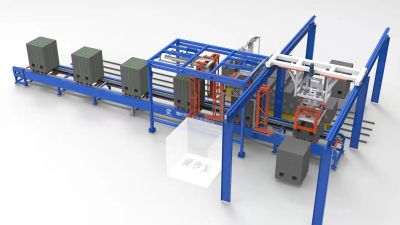
In the competitive landscape of brick manufacturing, optimizing packaging processes is crucial for enhancing overall operational efficiency. The implementation of advanced technologies, such as the Automatic Arrow-Penetrating Strapping and Packaging System, offers significant advantages when handling fired clay bricks. According to recent industry reports, automating packaging operations can lead to a reduction in labor costs by up to 30%, along with a noticeable increase in throughput rates. These systems are designed to efficiently group, stack, and strap bricks, minimizing manual intervention and the risk of errors during the packaging process.
Utilizing the Automatic Arrow-Penetrating Strapping and Packaging System can also result in improved product integrity during transportation. The integration of this innovative technology ensures that bricks are securely packaged, reducing the likelihood of damage during transit, which is a major concern in the brick industry. Research indicates that robust packaging can cut down return rates due to damage by as much as 25%, thereby enhancing customer satisfaction and reducing costs associated with replacements and re-shipments. By adopting automated solutions, manufacturers can not only enhance their production efficiency but also position themselves to meet the increasing demands of modern construction projects, where quality and reliability are paramount.
FAQS
: Understand your specific needs and production capacity. Some lines produce up to 100,000 bricks daily.
Analyze the volume of bricks you truly require. Overestimation leads to wasted resources.
Tunnel kilns ensure consistent heat, improving brick quality. Hoffmann kilns are energy efficient but slower.
Fully automated systems reduce labor costs. However, they may need higher initial investments, which is a trade-off.
Regular maintenance prevents downtime and ensures efficient machinery performance. Neglect can lead to costly failures.
Ensure parts for the machinery are easily obtainable. Delays in replacements can hinder production.
Knowledgeable operators reduce mistakes and breakages. Investing in training helps improve overall performance.
Reflecting on mistakes leads to better decision-making. It can enhance future performance and efficiency.
Conclusion
When selecting the best Brick Production Line for your needs, it's essential to first understand your specific production requirements. This includes evaluating the various types of brick production lines available and identifying key features that align with your operational goals. Assessing production capacity and efficiency is critical to ensure the selected line meets your output demands while remaining cost-effective.
Budgeting for the Brick Production Line investment is another crucial step; a clear financial plan can help within your constraints while maximizing value. Additionally, researching reliable manufacturers and suppliers will provide you with options that ensure quality and support. Finally, exploring maintenance and support options will contribute to the longevity and reliability of your brick production setup, ensuring it serves your business effectively for years to come.