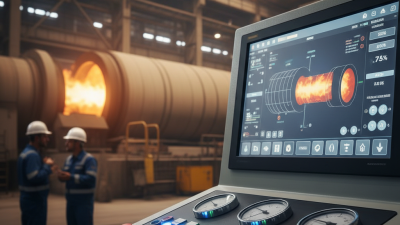
Picking the right Brick Drying Machine is a pretty crucial step if you're in the brick-making game. With more players entering the scene, how well you dry your bricks can really make or break your productivity and profits. Did you know a recent report from the Global Clay Roof Tile Market shows that good drying techniques can actually boost brick quality by up to 30%? And seasoned pro John Smith from DryTech Solutions always says, “Choosing the right Brick Drying Machine can seriously level up your efficiency and the quality of your bricks.” It’s not just about spending more or less money either. The market’s flooded with different options, which can be super confusing—especially if you’re not a rookie. A lot of folks underestimate how vital moisture control is during drying. Overdrying can cause cracks, and if you don’t dry enough, mold can become an issue. That’s why experts always suggest understanding your specific needs and chatting with professionals for customized advice.
When you’re comparing models, pay attention to energy use and how much drying capacity they have. Sometimes, a cheaper machine might seem appealing at first but could end up costing you more in the long run due to higher energy bills or frequent breakdowns. Honestly, finding the best Brick Drying Machine is about weighing the upfront cost against potential savings down the line. Bottom line? Making informed decisions really pays off in the end.
Understanding the Importance of Brick Drying Machines
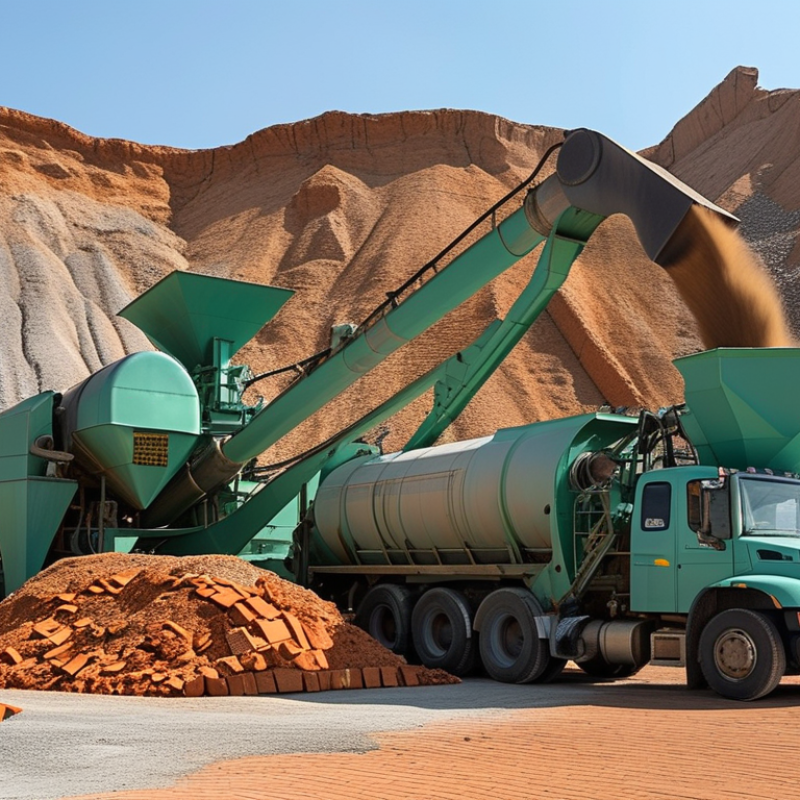
Understanding the importance of brick drying machines is crucial for any brick manufacturer. These machines play a vital role in the production process, ensuring that bricks are dried effectively before firing. Proper drying prevents defects in the final product, such as cracks or warping. Without a reliable drying process, manufacturers might face increased waste and costs. Investing in a quality
Clay Brick Drying Machine
can significantly enhance efficiency and product quality.
The drying process varies based on design and environmental conditions. Some machines use natural air drying, while others rely on heated air. Each method has its pros and cons. For instance, heated air can lead to faster drying but might require more energy. A thoughtful choice must consider production volume and energy availability. Manufacturers should reflect on historical drying issues they've faced. What has worked? What hasn’t? These reflections will guide decisions toward the most effective drying solutions, ensuring long-term success.
Key Factors to Consider When Choosing a Brick Drying Machine
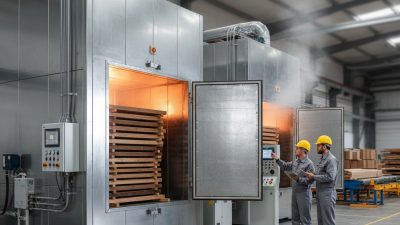
When selecting a brick drying machine, several key factors need to be considered to ensure efficiency. The type of dryer, such as the Clay Brick Drying Machine Tunnel Dryer, significantly impacts the drying process. These tunnel dryers operate continuously, allowing for a more uniform drying environment, which can minimize defects in brick quality.
Energy efficiency is another critical factor. According to industry reports, modern drying machines that utilize advanced heat recovery systems can reduce energy consumption by up to 30%. This not only cuts operational costs but also lowers the carbon footprint of brick production. Potential users should analyze their energy requirements and compare different drying technologies to make informed decisions.
It is essential to assess the machine’s capacity and throughput. This ensures that the chosen dryer meets production demands without bottlenecks. User feedback reveals that underestimating capacity can lead to significant delays in projects.
Tips: Always conduct a cost-benefit analysis to understand long-term savings. Consider both initial investments and ongoing operational costs. Additionally, seek out machines with good after-sales support to address any issues that arise.
In conclusion, choosing the right brick drying machine incorporates careful consideration of technology, efficiency, and capacity. Balancing these factors can lead to optimal performance and high-quality brick production.
Types of Brick Drying Machines Available on the Market
When selecting a brick drying machine, understanding the types available is crucial. The market offers several options, each designed for specific needs. Common types include electric, gas-fired, and hybrid drying machines. Electric models are often efficient, using less energy and delivering consistent heat. Gas-fired units typically provide faster drying times, but their operational costs can be higher. Hybrid machines combine both technologies, offering versatility in drying methods.
An industry report by the Brick Industry Association indicates that modern drying machines can improve drying efficiency by up to 30%. This is essential for manufacturers aiming to enhance productivity. Furthermore, advanced models often come equipped with monitoring systems. Such systems allow real-time adjustments, ensuring optimal processing conditions. It’s vital to look for machines with built-in data analysis capabilities. This helps in making informed operational decisions.
Tips: Consider the size of your operation. Larger production lines may benefit from high-capacity machines. Evaluate energy sources available at your facility to determine the best fit. Regular maintenance is key to prolonging the machine’s lifespan. In selecting a brick drying machine, think about the cost versus the longevity and efficiency of the equipment. Investing in better technology can often save you money in the long run.
Evaluating Size and Capacity Requirements for Brick Production
When choosing a brick drying machine, evaluating size and capacity is crucial. The production volume of bricks directly influences the drying machine's specifications. Consider how many bricks you produce daily. If you have a high-volume operation, opt for larger capacity machines. This helps avoid bottlenecks in production.
Tips: Measure your workspace to determine the machine’s physical size. Ensure there’s enough space for maintenance and operation. A compact size might seem appealing, but it can limit your production efficiency.
It’s essential to reflect on your current and future needs. Your capacity requirements may change over time. Don’t just focus on immediate demands. Plan for potential growth in your business.
Tips: Select a machine that offers scalability options. Machines with adjustable settings can cater to varying production scales. This adaptability may save costs in the long run. Also, consider energy efficiency, as it impacts operational costs. Make informed choices for a sustainable production line.
Energy Efficiency Features in Brick Drying Machines
When selecting a brick drying machine, energy efficiency is a pivotal factor. Machines with high energy ratings can significantly reduce operational costs. A typical energy-efficient model can save up to 30% on power consumption. Look for features such as heat recovery systems. These systems repurpose exhaust heat, making the drying process faster and cheaper.
Tips: Consider machines with adjustable drying parameters. This customization allows you to fine-tune energy usage based on batch size and local climate conditions. Regular maintenance can also enhance efficiency. Keep the machine clean and inspect for wear regularly.
Clay Bricks Making Drying Machine Tunnel Dryer Brick Oven designs often include improved insulation. This design helps maintain temperature effectively while consuming less power. Check for double-walled construction, which minimizes heat loss. Also, examine the drying capacity and speed. Faster drying rates can lead to increased productivity, balancing initial costs with long-term savings.
Maintenance and Durability Factors to Look For
When selecting a brick drying machine, consider maintenance and durability. Machines with easy-to-access parts are crucial. Regular inspections can prevent unexpected breakdowns. Look for materials that withstand high temperatures and humidity. A durable exterior is essential for long-term use.
Evaluate components like heating systems and drying chambers. High-quality materials can enhance the drying process. A reliable machine supports efficient drying, reducing production time. Remember, a poorly maintained machine leads to costly repairs. Set a consistent maintenance schedule to prolong its life.
Reflect on your specific drying needs. Are you producing large volumes? A robust machine may be necessary. Smaller operations might benefit from simpler designs. Think about the Brick Drying Process and how machine efficiency impacts overall production. Make informed choices to avoid future regrets.
Cost-Effectiveness and Budget Considerations in Selection
When selecting a brick drying machine, cost-effectiveness is crucial. Understand your budget constraints fully before you start. Prices can vary widely based on features and capacity. Identifying what you can afford helps narrow down your options.
Consider the long-term savings of an efficient machine. Investing slightly more upfront may lead to lower operational costs. Look for energy-efficient models that reduce electricity expenses over time. Analyze the overall lifecycle costs, including maintenance and repairs. These factors often get overlooked but are essential to the total cost.
It's wise to consult industry experts or experienced users. They can provide insights that online research may not cover. Don't hesitate to ask for recommendations. User reviews can sometimes reveal issues that sales pitches hide. This step can highlight machines that suit your specific needs while staying within budget. Keep in mind that not every widely recommended model is suitable for every operation.
Advanced Sintered Brick Production: Exploring Top Suppliers of Extruding Single Shaft Mixer Machines in China
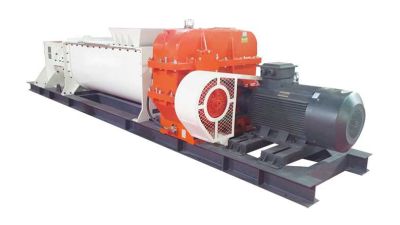
The production of advanced sintered bricks relies heavily on the efficiency and effectiveness of the machinery used in processing raw materials. One of the pivotal pieces of equipment in this field is the extruding single shaft mixer machine. This innovative technology is designed to process a variety of raw materials, including coal gangue, fly ash, slag, and sludge, which are commonly utilized in manufacturing sintered bricks. By providing a thorough mixing, hydration, and homogenization of materials, these mixers substantially improve their plasticity, making them more suitable for brick formation.
Moreover, high-quality extruding mixers not only enhance the physical properties of the raw materials but also significantly boost production efficiency. The advanced mechanics of these machines ensure a consistent and uniform mixture, which is crucial for achieving optimum results in brick production. With a focus on quality, these machines are engineered to withstand the rigors of industrial use, providing manufacturers with reliable solutions that meet the demands of modern production environments. Utilizing these extruding mixers will undoubtedly elevate the standard of sintered brick production, ensuring that manufacturers remain competitive in a growing market.
FAQS
: They ensure bricks are dried effectively before firing, preventing defects like cracks and warping.
Inadequate drying can lead to increased waste, higher costs, and subpar products.
Drying methods can be natural air drying or heated air drying, each with pros and cons.
Energy efficiency matters. Some advanced machines reduce consumption by up to 30%, leading to savings.
Underestimating capacity can cause delays. Proper assessment helps avoid production bottlenecks.
Reflecting on past drying issues helps identify effective solutions for current drying needs.
Yes, conducting a cost-benefit analysis helps understand potential long-term savings.
Consider efficiency, capacity, initial costs, operational costs, and after-sales support.
They provide a uniform drying environment, minimizing defects in brick quality.
Conclusion
When selecting the best Brick Drying Machine for your needs, it's essential to understand its importance in the brick production process. A suitable drying machine not only enhances production efficiency but also ensures the quality and durability of the bricks. Key factors to consider include the machine's size and capacity, which should align with your production requirements, as well as its energy efficiency features that can significantly reduce operational costs.
Additionally, evaluating maintenance and durability aspects will help ensure long-term reliability and performance. Cost-effectiveness also plays a crucial role; understanding your budget constraints while seeking the best value can lead to a well-informed decision. By considering these elements, you can select a Brick Drying Machine that meets your specific production needs and contributes to overall operational success.