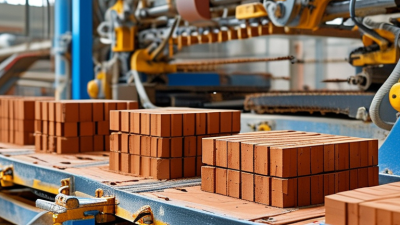
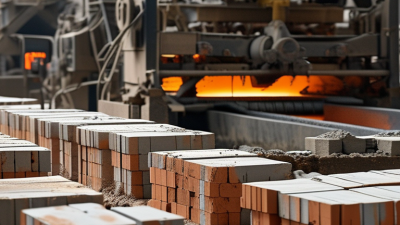
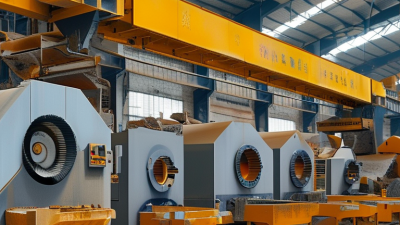
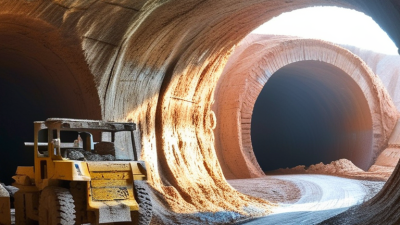
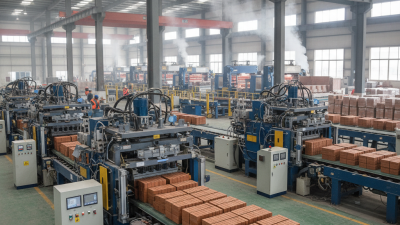
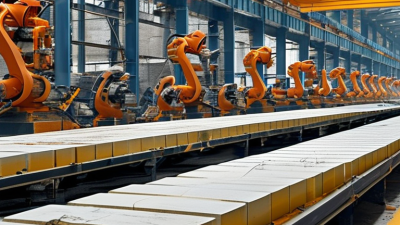
Picking out an automatic brick production line isn’t just about comparing machine prices. You really need to find a system that fits your raw materials, your production goals, your site conditions, and the design of your bricks. What works great in one factory might actually waste energy or produce unstable bricks somewhere else. That might sound obvious, but it’s so easy to overlook.
Start with what kind of clay or concrete mix you have available. Before choosing your forming method, test things like moisture content, particle size, and plasticity—don’t just go by what the brochure says. Also, be realistic about your output; aiming for 30,000 bricks a day is very different from planning to hit 150,000. When you're checking equipment—like the mixer, feeder, brick press, cutting machine, drying system, kiln, and control panel—think about how they all work together as one smooth process.
Some folks also look into an Ecp Production Line, but keep in mind that suppliers might call similar gear by different names. Having clear, detailed technical info is a lifesaver to avoid confusion. Make sure to ask for verified production records, energy consumption data, equipment dimensions, spare parts lists, and installation info. A good manufacturer will also explain maintenance schedules and offer operator training. And don’t just rely on shiny photos—getting references from other clients can tell you a lot more.
Safety and compliance? Definitely worth paying close attention to. Double-check electrical specs, safety guards, ventilation, emissions controls, and local building rules—it's best to do this with a qualified professional. If you can, visit a plant that’s already running. Watch how the material moves through the system, listen to the noise levels, see how dust is handled, and examine the quality of the finished bricks. Those little details can often reveal bigger issues.
Remember, there’s no one-size-fits-all perfect setup. Even seasoned buyers sometimes forget to consider storage space, seasonal moisture changes, or future product tweaks. So, it’s smart to leave some wiggle room for adjustments. A trustworthy automatic brick line should give you steady quality, be manageable in terms of maintenance, and offer real long-term value—not just impressively high numbers on paper.
What Is an Automatic Brick Production Line?
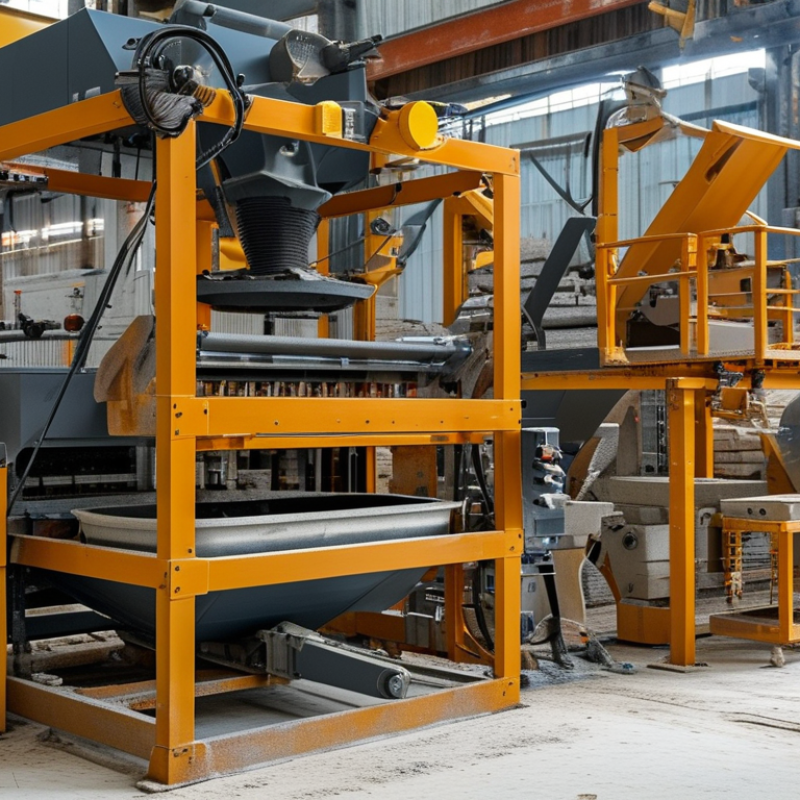
An automatic brick production line is an integrated system for making bricks with limited manual handling. It usually includes a material mixer, conveyor, Automatic Brick Machine, curing area, and pallet system. Each unit performs a specific task. The mixer blends cement, sand, water, and approved additives evenly. The machine then compresses the mixture inside steel molds. Fresh bricks leave the mold in regular shapes.
The process is controlled through sensors and a programmable control panel. Operators can adjust pressure, vibration time, and production speed. In a working factory, these settings affect brick density and surface quality. A small moisture change can cause cracks or weak edges. That detail is easy to overlook. Curing racks or chambers help bricks gain strength gradually. Good ventilation and careful stacking also matter.
Choosing a line requires more than checking its hourly output. Consider local raw materials, available floor space, electricity, labor skills, and required brick sizes. I once underestimated storage space around the curing area. The machine worked, but material movement became inefficient. That experience changed how I evaluate layouts. Check mold replacement, cleaning access, safety guards, and spare-part availability. Ask for test production using your actual mixture. A fast line is not always the best line. Stable quality, simple maintenance, and realistic operating costs should guide the decision.
Which Brick Types and Products Must the Line Produce?
Choosing an automatic brick production line starts with the product, not the machine. Start with the product. Decide whether the plant must make solid bricks, hollow blocks, pavers, kerbstones, or lightweight units. These products need different moulds, pressure levels, curing methods, and handling systems. A concrete block line cannot simply produce fired clay bricks. Clay products require extrusion, controlled drying, and kiln firing. Autoclaved aerated products need slurry preparation and pressure curing.
Performance targets also matter. Define dimensions, compressive strength, water absorption, frost resistance, surface texture, and yearly output before requesting quotations. ASTM C90 and EN 771 provide useful reference points for masonry unit requirements. The European Commission’s Ceramic Manufacturing BREF identifies drying and firing as major energy and emission stages. That is important when selecting kiln capacity and heat recovery equipment. The UNEP/GlobalABC 2023 report recorded buildings and construction at 34% of global energy demand and 37% of energy-related carbon emissions in 2022. Energy efficiency is not a decorative feature.
A wider product range sounds efficient, but it may create expensive compromises. Too many mould changes can reduce uptime. A practical line should match local demand, available aggregates, and skilled labor. Recycled aggregate pavers may support resource efficiency, but testing is essential. Product quality can change with moisture and particle grading. Do not trust a catalogue alone. Request trial production, laboratory results, cycle-time records, and maintenance data. The best line is rarely the one promising every product.
How to Calculate Required Production Capacity
How to Choose an Automatic Brick Production Line?
How to Calculate Required Production Capacity
Capacity planning should begin with real demand, not the machine’s maximum rating. Review monthly orders, seasonal changes, product sizes, and available working days. A project needing 120,000 bricks per month may not require a line rated at 10,000 bricks per hour.
Use this practical formula: required hourly capacity = monthly demand ÷ working days ÷ daily operating hours. Then adjust for production losses. For example, 240,000 bricks divided by 25 days and 8 hours equals 1,200 bricks per hour. If expected downtime and rejects reach 15 percent, divide 1,200 by 0.85. The practical target becomes about 1,412 bricks per hour.
Allow room for growth.
A neat spreadsheet can still lie. In actual plants, mold changes, material moisture, cleaning, and pallet movement reduce output. From production planning experience, a line operating at 75–85 percent of its rated capacity is often easier to manage than one running continuously at its limit. Check whether the quoted capacity refers to finished, inspected bricks or freshly pressed units. These figures are not always identical. Also confirm curing space, storage area, labor availability, and power supply. A larger line may look efficient, yet unused capacity can increase investment and maintenance costs. Recheck the calculation with three scenarios: current demand, likely growth, and peak seasonal demand. The best choice is usually balanced, measurable, and slightly flexible.
How to Choose an Automatic Brick Production Line?
Required hourly capacity is estimated from annual demand, operating days, shifts per day, hours per shift, and an 85% utilization factor to allow for maintenance, changeovers, and minor interruptions.
Calculation: Required capacity = Annual demand ÷ (Operating days × Shifts per day × Hours per shift × Utilization).
How to Select Suitable Raw Materials and Forming Methods
Choosing an automatic brick production line starts with raw materials, not machine speed. A Brick Machine Automatic system performs well only when the feedstock remains consistent. Test clay, sand, cement, aggregates, or industrial by-products before making a purchase. Check particle size, moisture, plasticity, salt content, and organic impurities. A simple laboratory report can prevent expensive production problems.
Match the forming method to the material and product design. Extrusion suits plastic clay with stable moisture and produces continuous, dense columns. Hydraulic pressing handles lower-plasticity mixes and supports accurate shapes. Vibration pressing works well with semi-dry concrete mixtures, especially for pavers and hollow blocks. Watch the water content closely. A mixture that feels workable may still create weak corners or uneven surfaces.
From practical line evaluations, I recommend small trial batches before final selection. Measure pressure, cycle time, demolding quality, drying shrinkage, and compressive strength. Inspect fresh bricks beside a steel ruler. Small cracks often appear after drying, not during forming. I once underestimated sand grading, and the finished edges became rough despite correct machine settings. That mistake showed me that equipment data cannot replace material testing. Local construction standards should guide the final formula and quality checks. Ask suppliers for maintenance records, safety documentation, and verified test results. Fancy output numbers can mislead. Reliable decisions need evidence.
Which Automation Features and Equipment Should Be Included?
Choosing an Automatic Brick Making Machine requires more than checking its output per hour. The automation system must match your materials, labor skills, factory layout, and production goals. A reliable line usually includes automatic batching, moisture control, mixing, feeding, pressing, pallet handling, and curing equipment. Each stage should communicate with the next one.
Look for sensors that monitor material levels, pressure, vibration, and mold position. A practical PLC control system can reduce manual adjustments and record production data. Safety interlocks should stop the machine when a door opens or a pallet shifts. Dust extraction also matters, especially around cement and aggregate feeding points. These details affect maintenance, worker safety, and product consistency.
Tips: Ask for a complete process diagram before buying. Check whether operators can change molds without complicated tools. Confirm that critical spare parts are available locally. Test the machine with your actual raw materials, not only factory samples.
A good line should include automatic stacking and controlled curing, because handling errors can damage fresh bricks. Remote diagnostics may shorten downtime, but they cannot replace trained technicians. In real factories, small delays often come from conveyors, sensors, or uneven moisture. This is easy to underestimate. Leave space for cleaning and maintenance around every major unit. The most advanced system is not always the best choice. A simpler line may perform better when controls are clear, spare parts are accessible, and operators can understand the alarms.
How to Compare Installation, Operating, and Maintenance Costs
How to Choose an Automatic Brick Production Line?
Installation cost is more than the machine quotation. Price the foundation, kiln shelter, electrical cabinet, gas connection, molds, and commissioning labor. A practical assessment should include local lifting equipment and operator training. An Automatic Mud Brick Making Machine may appear affordable, yet weak soil can make civil work surprisingly expensive. Request a line layout with cable lengths and material flow. Small omissions become large invoices.
Operating cost deserves a production-based comparison. The European Commission’s Ceramic Manufacturing Industry BREF reports broad kiln energy use of roughly 1–4 GJ per tonne, depending on brick type and kiln performance. Measure fuel per fired tonne, not per operating hour. Include electricity for mixers, conveyors, fans, and water pumps. Labor, rejected bricks, packaging, and downtime also matter. A lower purchase price can hide higher fuel consumption.
Maintenance figures need evidence from similar plants. Ask for recommended spare-part lists, lubrication intervals, refractory life, and average repair hours. The U.S. Department of Energy’s maintenance guidance links planned maintenance with fewer unplanned stoppages, but savings depend on disciplined execution. Keep critical parts locally, such as belts, bearings, sensors, and heating elements. A three-day delay for one sensor is costly. My own costing mistake would be trusting annual maintenance percentages without checking dust levels and working hours. Compare five-year costs under identical output, fuel prices, labor rates, and utilization assumptions. Then test the numbers against a real production shift.
Energy-Saving Full-Automatic Terracotta Wall Slab Line: Insights from Grand View Research & Mordor Intelligence
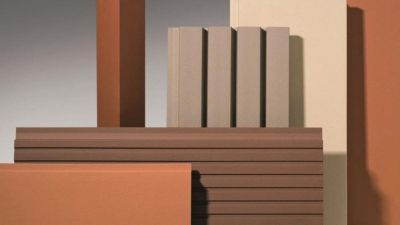
The Intelligent Full Automatic Large Format Ceramic Slab Terracotta Production Line is designed to meet the growing demand for energy-efficient, high-quality architectural surfaces. As market research increasingly highlights sustainability, automation, and large-format materials as key trends, this customized system integrates intelligent control with precision manufacturing. It is specially developed for producing large ceramic slabs, terracotta panels, and decorative tiles with consistent dimensions, refined textures, and dependable surface quality.
Energy-saving performance is supported through optimized material handling, automated process coordination, and precise temperature management. These functions can help reduce unnecessary energy consumption, minimize production waste, and improve operational stability throughout forming, drying, firing, and finishing stages. Full automation also reduces manual intervention, allowing manufacturers to achieve higher productivity while maintaining uniform results across different product specifications.
With flexible customization, the production line can adapt to varied slab sizes, thicknesses, patterns, and architectural applications. Its intelligent monitoring capabilities support real-time adjustment and efficient maintenance, helping manufacturers respond more quickly to changing design preferences and project requirements. This combination of automation, resource efficiency, and large-format production makes the system suitable for modern factories seeking reliable performance and a lower-impact manufacturing approach.
FAQS
Machine performance depends on consistent feedstock. Test particle size, moisture, plasticity, salt content, and organic impurities. Test before buying. A basic laboratory report can prevent costly production problems.
Extrusion suits plastic clay with stable moisture. It creates continuous, dense columns. Water control remains important. Excess moisture may cause deformation, while insufficient moisture can create cracks.
Hydraulic pressing works with lower-plasticity mixtures. It supports accurate shapes and controlled dimensions. Inspect the corners carefully. A workable mixture may still produce weak edges after demolding.
Vibration pressing suits semi-dry concrete mixtures. It is useful for pavers and hollow blocks. Keep water content consistent. Small changes may affect surface quality and internal strength.
Measure pressure, cycle time, demolding quality, drying shrinkage, and compressive strength. Compare fresh bricks beside a steel ruler. Small cracks matter. Some defects appear only after drying, not during forming.
Include foundations, shelter construction, electrical cabinets, fuel connections, molds, lifting equipment, and commissioning labor. Check soil strength before planning civil work. Small omissions grow. Request cable lengths and material-flow details in the proposed layout.
Compare fuel consumed per fired tonne, not per operating hour. Include electricity, labor, rejected bricks, packaging, and downtime. Purchase price can mislead. Use identical output, fuel prices, labor rates, and utilization assumptions.
Ask for spare-part lists, lubrication intervals, refractory service life, and typical repair hours. Store belts, bearings, sensors, and heating elements locally. Delays become expensive. I once trusted a general maintenance percentage without checking dust levels and working hours. That estimate was too optimistic.
Compare five-year costs, then test the assumptions during a real production shift. Review safety documents, maintenance records, and verified test results. Evidence beats impressive numbers. Local construction standards should guide the final formula and quality checks.
Conclusion
Choosing an Automatic Brick Production Line requires a clear understanding of the products, capacity, materials, and operating conditions involved. First, determine whether the line must produce standard bricks, hollow blocks, paving units, or other concrete products, since each type may require different molds and forming methods. Estimate daily and annual output according to market demand, available working hours, curing time, and future expansion plans. Raw material quality, mix consistency, moisture content, and the selected forming process will directly affect product strength and appearance.
A suitable Automatic Brick Production Line should include reliable batching, mixing, molding, conveying, stacking, and curing systems, with an appropriate level of automation for the available workforce and site conditions. When comparing solutions, consider not only the purchase price but also installation requirements, energy consumption, labor costs, spare parts, maintenance access, equipment durability, and technical support. A balanced evaluation will help ensure stable production, consistent quality, efficient resource use, and long-term operating value.